Explore jobs
Find specific jobs
Explore careers
Explore professions
Best companies
Explore companies
This question is about employer.
How long should you keep business records?
You should keep business records for at least seven years. This is the amount of time the IRS recommends businesses and companies keep business records for tax purposes. This time frame is also backed up by many professional attorneys, accountants, and bookkeepers.
Here are the specific documents in your business records you should keep and the time frames you should keep them for;
Business tax returns
Business tax returns and other supporting documents and records should be kept for at least seven years. This represents the time frame in which, after it has concluded, the IRS can no longer execute an audit on your business tax returns.
Payroll tax records
Payroll tax records should also be kept for at least seven years. This includes items like:
Timesheets
Employee wage and salary information
Pension payments
Employee benefits documents
Tax deposits
In certain circumstances, these documents might only need to be kept for a total of four years.
Current employee files
The seven-year time frame here even applies to employees who have left your company or business. You should keep their files on record for at least seven years after they have left the job. And if the employee has filed any workman comp claims, it is advisable to keep their records on file for 10 years.
Job applicant documents
You should keep all job applicant documents of employees you have hired for at least seven years. You should also keep job applicant documents of candidates you did not hire for at least three years.
Ownership records
Ownership records are vitally important documents that you should retain indefinitely. This includes items like;
Business formation documents
Company by-laws
Annual meeting minutes
Stock ledgers
Property deeds
These are all crucial documents for your business that should not be discarded at any point in your business's existence.
Accounting service records
Accounting service records should be kept for a minimum of seven years. Professional accountants also often suggest keeping the following records permanently:
Financial statements
Check registers
Profit and loss statements
Budgets
Cash books
General ledgers
Audit reports
Operational records
Operational records should be kept for at least seven years. This includes items such as:
Business bank account statements
Credit card statements
Canceled checks
Cash receipts
Payroll check stub copies
Checkbook stubs

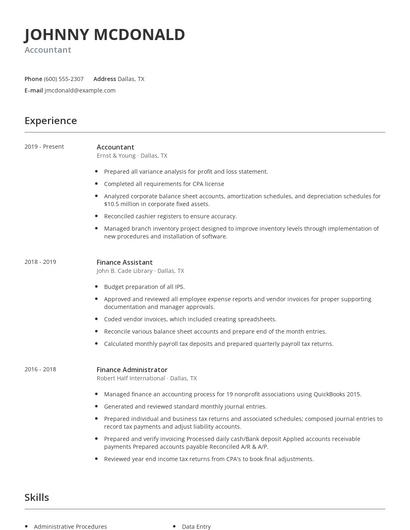
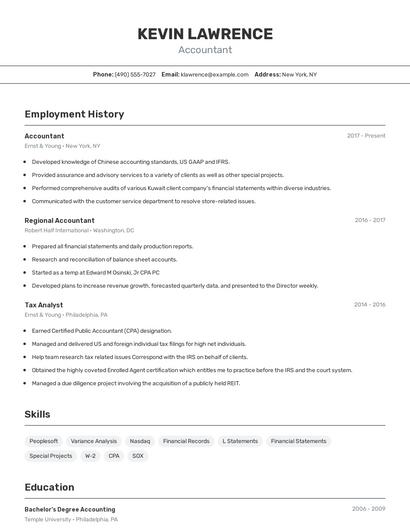
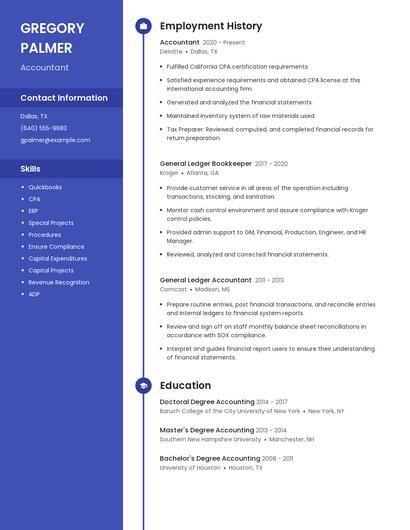
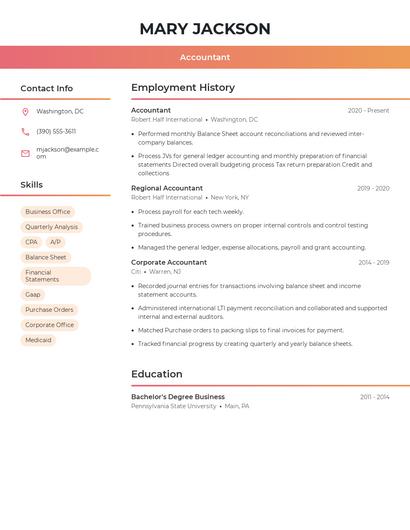
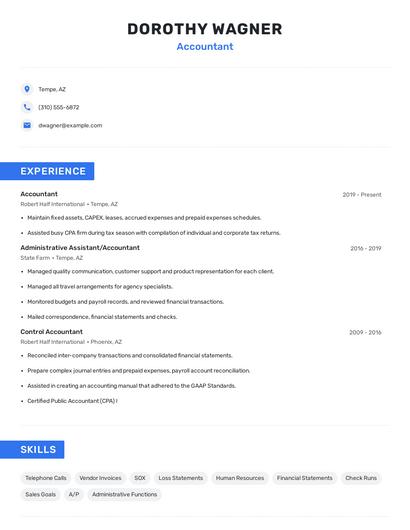
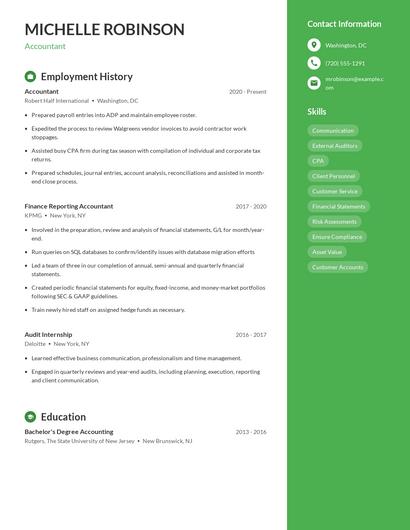
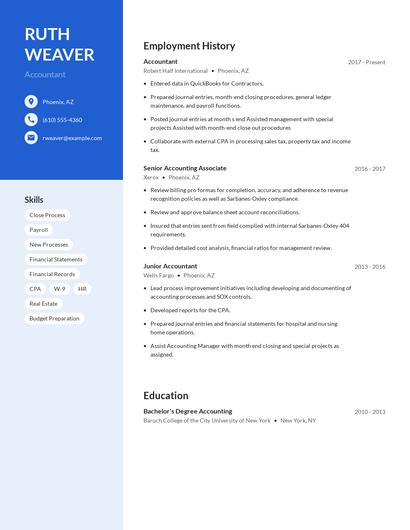
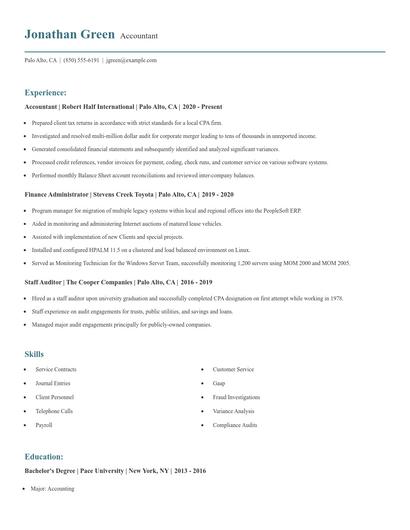
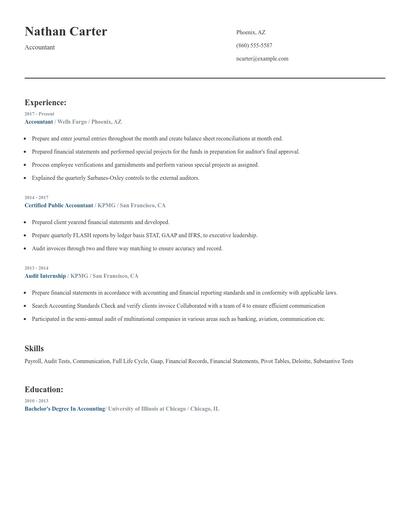
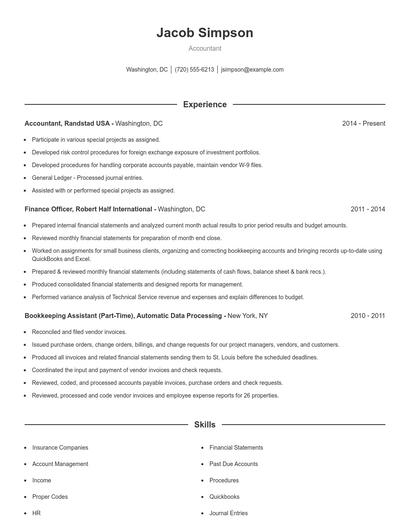
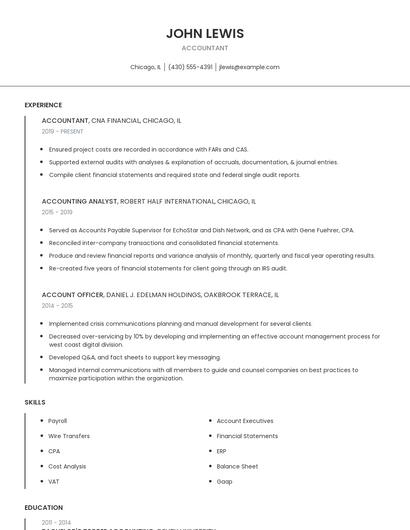
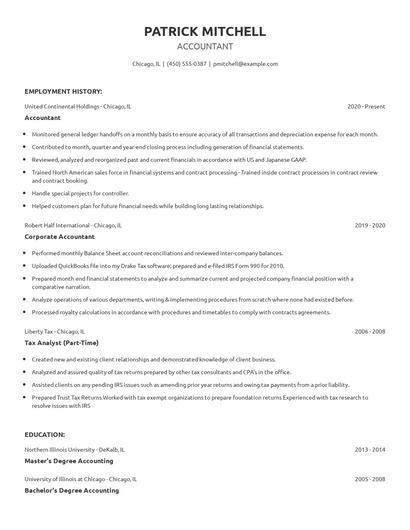
Choose from 10+ customizable resume templates
Zippia allows you to choose from different easy-to-use templates, and provides you with expert advice. Using the templates, you can rest assured that the structure and format of your resume is top notch. Choose a template with the colors, fonts & text sizes that are appropriate for your industry.