Explore jobs
Find specific jobs
Explore careers
Explore professions
Best companies
Explore companies
This question is about employer.
How to calculate hazard pay?
To calculate hazard pay you should multiply the percentage rate authorized for the exposure by the employee's hourly rate of pay. That amount is then multiplied by the number of hazardous duty hours to be paid. Overall, hazardous duty pay may not be more than 25% of the employee's rate of basic pay.
Hazard differential pay is computed based on hours in pay status. Any amount of actual exposure during a calendar day entitles the employee to hazard pay for all compensable hours that day.
For example, if an employee performs a hazardous duty for one hour and then takes annual leave for the seven hours remaining in his or her workday, the employee is paid hazardous duty pay for the entire workday.
Hazardous duty pay may not be paid for hours of work for which an employee is paid annual premium pay (e.g., overtime work). An employee may receive hazard differential pay during overtime hours as they are in a pay status during those hours. However, the hazard differential pay is computed on the employee's hourly rate of basic pay, not their hourly overtime rate.
Hazard differential pay shall be discontinued when one or more of the conditions requisite for such payment ceases to exist:
Safety precautions have reduced the element of hazard to a less than significant level of risk, consistent with generally accepted standards that may be applicable, such as those published by the Occupational Safety and Health Administration, Department of Labor
Protective or mechanical devices have adequately alleviated physical discomfort or distress

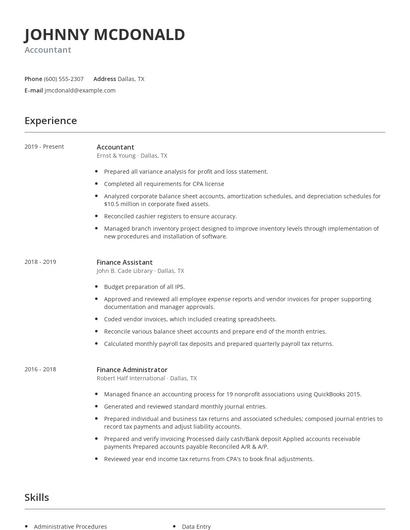
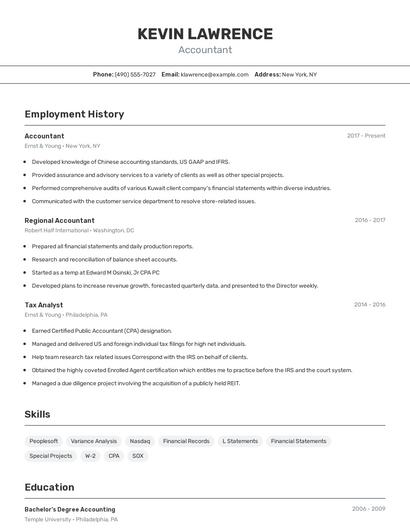
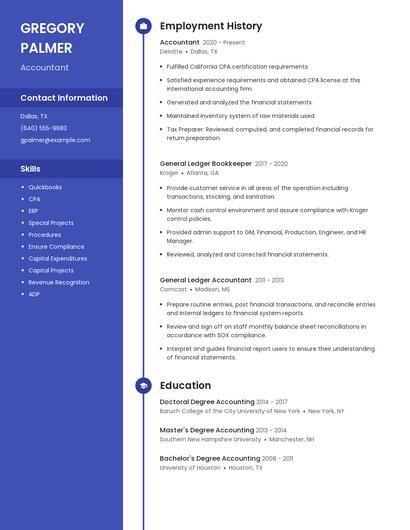
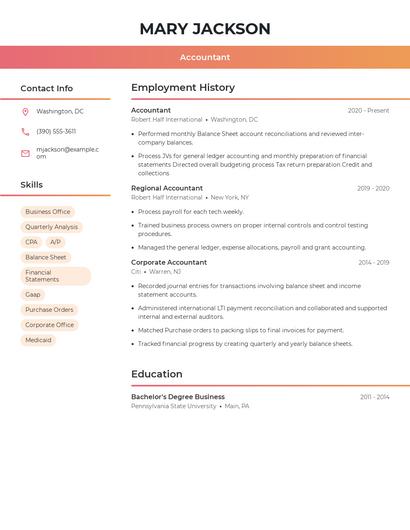
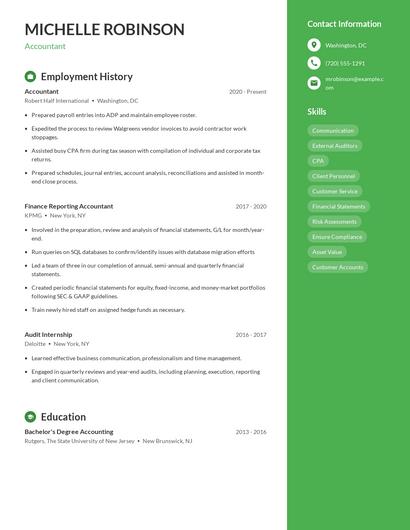
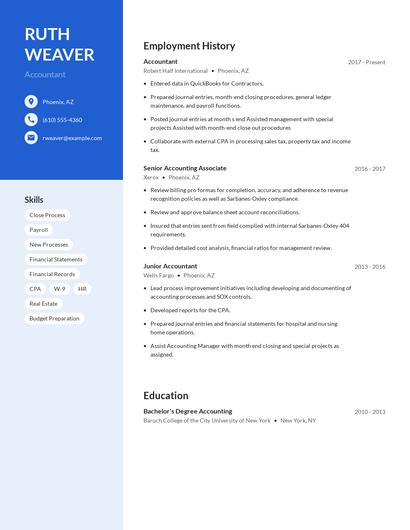
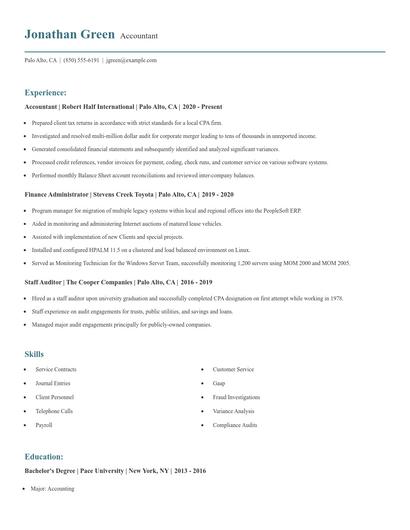
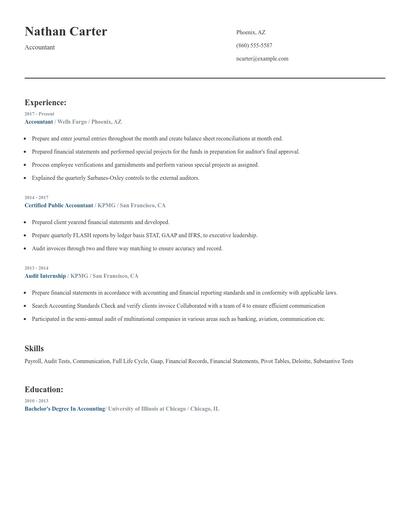
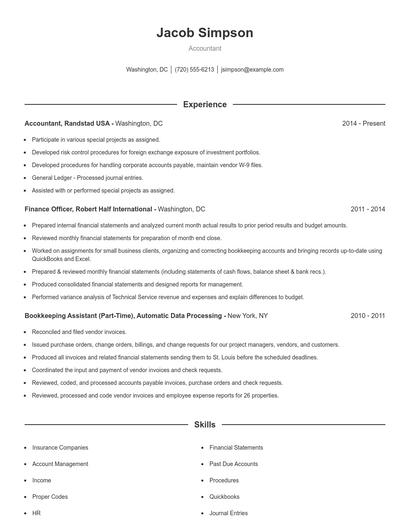
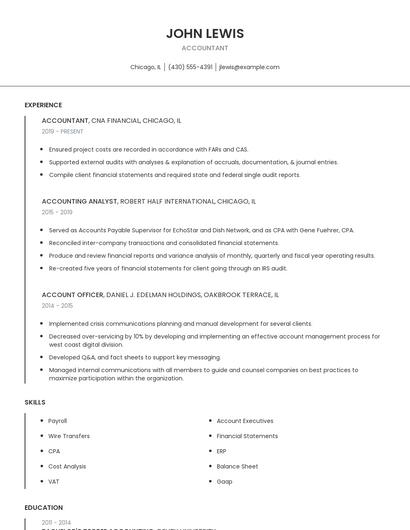
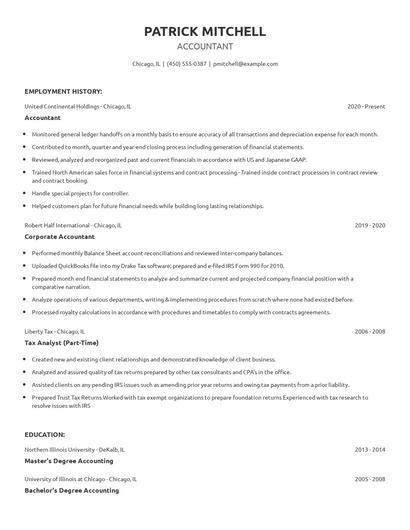
Choose from 10+ customizable resume templates
Zippia allows you to choose from different easy-to-use templates, and provides you with expert advice. Using the templates, you can rest assured that the structure and format of your resume is top notch. Choose a template with the colors, fonts & text sizes that are appropriate for your industry.