What does a saw operator do?
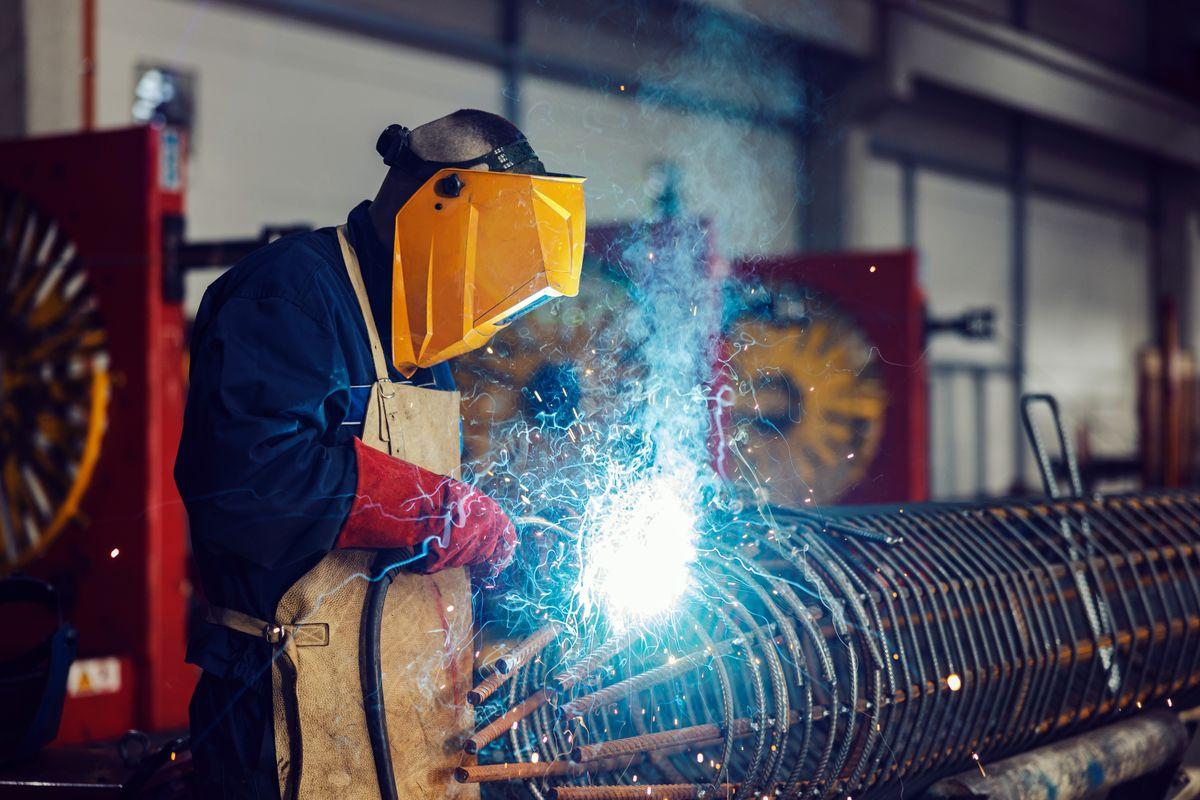
Saw operators are responsible for setting up and operating power saws to slot, cut, and trim metallic and non-metallic materials. They are the ones who choose and install blades on machinery using hand-tools and verify dimensions of finished material using measuring devices. They may perform additional tasks such as loading saws and monitoring sawing operations, and replacing damaged or worn saw blades. Saw operators are also responsible for recording data on production reports and assisting staff with the maintenance and repair of saw equipment.
Saw operator responsibilities
Here are examples of responsibilities from real saw operator resumes:
- Use automate systems and RF units to pull, put away and load customer product, in addition to managing inventory
- Used spread sheets, calipers, micrometers, and other gauges to ensure proper sizes and quality of finish products.
- Utilize precision measuring instruments such as calipers and micrometers.
- Use various size micrometers, calibers, and gauges accurately.
- Perform minor machine maintenance, such as oiling and cleaning machines, etc.
- Fabricate and cut rolled copper into specific parts for use in HVAC applications.
- Utilize math skills to determine product measurement, cut, yield, and efficiency.
- See operator, press operator plus MIG and TIG welding, plus spray painter.
- Operate ripsaw - run boards through see to remove cracks, splits and knots.
- Set up CNC to specifications; run parts to dimension, inspect parts and finish.
- Read plans on every project assign and used math skills to set up specifications for cuts.
- Even specialize artisans generally use CNC machines and a variety of power tools in their work.
- Use of rulers, micrometers, and SPC recording to check quality of material and products.
- Operate, set up and take down a multitude of sheet metal machines in the fabrication of HVAC parts.
- Operate stamping press before promote to brake press operator (Amada) for sheet metal fabrication learned to read blueprints.
Saw operator skills and personality traits
We calculated that 15% of Saw Operators are proficient in Tape Measure, Hand Tools, and Basic Math. They’re also known for soft skills such as Detail oriented, Math skills, and Technical skills.
We break down the percentage of Saw Operators that have these skills listed on their resume here:
- Tape Measure, 15%
Check cut parts with digital calipers and tape measures to make sure they are correct thickness and are within tolerance.
- Hand Tools, 10%
Position guides, holding blocks or other fixtures to secure and direct work piece, using hand tools and measuring devices.
- Basic Math, 8%
Followed production instructions and utilized a computer and calculator to aid in basic math calculations.
- Math, 8%
Produced and maintained accurate documentation for production reports using math and computer skills.
- Aluminum, 7%
Packaged aluminum materials for shipment via semi trailer and recreational vehicles.
- Safety Procedures, 6%
Coordinate safety procedures, including ensuring appropriate logging and labeling of hazardous materials.
"tape measure," "hand tools," and "basic math" are among the most common skills that saw operators use at work. You can find even more saw operator responsibilities below, including:
Detail oriented. One of the key soft skills for a saw operator to have is detail oriented. You can see how this relates to what saw operators do because "woodworkers must pay attention to details in order to meet specifications and to keep themselves safe." Additionally, a saw operator resume shows how saw operators use detail oriented: "use micrometer and tape measure tools to ensure accuracy from detailed drawings. "
Technical skills. This is an important skill for saw operators to perform their duties. For an example of how saw operator responsibilities depend on this skill, consider that "woodworkers must be able to interpret design drawings and technical manuals for a range of products and machines." This excerpt from a resume also shows how vital it is to everyday roles and responsibilities of a saw operator: "cut pipe on a band saw part time while i attended alexandria technical collegewelding parts together to cut. ".
Dexterity. For certain saw operator responsibilities to be completed, the job requires competence in "dexterity." The day-to-day duties of a saw operator rely on this skill, as "woodworkers must make precise cuts with a variety of handtools and power tools, so they need good hand-eye coordination." For example, this snippet was taken directly from a resume about how this skill applies to what saw operators do: "gained experience operating overhead cranes and forklifts. "
Physical strength. Another common skill required for saw operator responsibilities is "physical strength." This skill comes up in the duties of saw operators all the time, as "woodworkers must be able to lift bulky, heavy pieces of wood." An excerpt from a real saw operator resume shows how this skill is central to what a saw operator does: "perform physical inventories and quality checking of all materials. "
Mechanical skills. Another skill commonly found on saw operator job descriptions is "mechanical skills." It can come up quite often in saw operator duties, since "the use of handtools, such as screwdrivers and wrenches, is required to set up, adjust, and calibrate machines." Here's an example from a resume of how this skill fits into day-to-day saw operator responsibilities: "performed routine maintenance on mechanical production tables and accessories. "
The three companies that hire the most saw operators are:
- Express Employment Indy South20 saw operators jobs
- UFP Industries17 saw operators jobs
- Award Staffing
10 saw operators jobs
Choose from 10+ customizable saw operator resume templates
Build a professional saw operator resume in minutes. Our AI resume writing assistant will guide you through every step of the process, and you can choose from 10+ resume templates to create your saw operator resume.


Compare different saw operators
Saw operator vs. Machine operator/forklift operator
A machine operator/forklift operator is responsible for operating industrial trucks to move merchandise around the warehouse facilities and other assigned areas. Machine operators/forklift operators also assist with inventory tasks by scanning orders and ensuring the correct merchandise for shipment. They manage the stability of the vehicles, ensuring its efficiency and optimization during operations, performing engine repairs for any inconsistencies to avoid delays on deliveries. A machine operator/forklift operator should strictly follow the safety protocols of the business, as well as have knowledge of the mechanical industry.
These skill sets are where the common ground ends though. The responsibilities of a saw operator are more likely to require skills like "hand tools," "basic math," "math," and "aluminum." On the other hand, a job as a machine operator/forklift operator requires skills like "drive forklift," "electric pallet jack," "sit-down forklift," and "preventative maintenance." As you can see, what employees do in each career varies considerably.
Machine operator/forklift operators really shine in the automotive industry with an average salary of $36,711. Comparatively, saw operators tend to make the most money in the construction industry with an average salary of $36,227.On average, machine operator/forklift operators reach similar levels of education than saw operators. Machine operator/forklift operators are 0.0% less likely to earn a Master's Degree and 0.1% more likely to graduate with a Doctoral Degree.Saw operator vs. Metal fabricator
A metal fabricator manipulates metal for construction and manufacturing companies. They are required to cut, shape, position and align different metals. They must also understand assembly instructions, ensure required parts are available, and ensure parts meet quality control standards. They attend product development meetings, test products for functionality, troubleshoot and stress test products to determine possible shortcomings, make detailed reports outlining product malfunctions, verify product dimensions, and maintain the product schedule.
While some skills are similar in these professions, other skills aren't so similar. For example, resumes show us that saw operator responsibilities requires skills like "safety procedures," "cnc," "verifies dimensions," and "machine operation." But a metal fabricator might use other skills in their typical duties, such as, "press brake," "grinders," "cranes," and "spot welding."
Metal fabricators may earn a higher salary than saw operators, but metal fabricators earn the most pay in the automotive industry with an average salary of $45,267. On the other hand, saw operators receive higher pay in the construction industry, where they earn an average salary of $36,227.Average education levels between the two professions vary. Metal fabricators tend to reach similar levels of education than saw operators. In fact, they're 0.2% more likely to graduate with a Master's Degree and 0.1% less likely to earn a Doctoral Degree.Saw operator vs. Technical machine operator
The required skills of the two careers differ considerably. For example, saw operators are more likely to have skills like "tape measure," "hand tools," "aluminum," and "overhead cranes." But a technical machine operator is more likely to have skills like "preventative maintenance," "continuous improvement," "gmp," and "trouble shoot."
Technical machine operators make a very good living in the manufacturing industry with an average annual salary of $35,834. On the other hand, saw operators are paid the highest salary in the construction industry, with average annual pay of $36,227.technical machine operators typically earn similar educational levels compared to saw operators. Specifically, they're 0.8% more likely to graduate with a Master's Degree, and 0.4% more likely to earn a Doctoral Degree.Saw operator vs. General machine operator
Types of saw operator
Updated January 8, 2025
