Find a Job You Really Want In
If you’re contemplating a move to a new state for work, there are essential factors to consider beyond just job opportunities. Safe neighborhoods, access to nature, diverse shopping and dining options, and recreational activities are critical. However, understanding the happiness of the community around you based on quality of life can also play a significant role in your decision.
Since happiness is inherently subjective, we’ve developed a comprehensive formula to gauge the well-being of each state, ensuring you don’t find yourself as the sole happy resident among others who are not.

While happiness can be elusive to measure, we are dedicated to assessing the quality of life across the fifty states. We conducted thorough research to compile a ranking of the happiest states in America for 2026.
Here are the 10 happiest states in America:
As we mentioned, compiling this list was no easy feat. Let’s take a closer look at how we arrived at these rankings.
How We Compiled This List
People often start conversations with “people these days,” but it’s crucial to remember that happiness cannot be quantified by a single metric. Degrees are often judged by the jobs they lead to, and salaries are assessed based on the lifestyle they afford. But what about the intangible aspects that contribute to happiness?
It’s clear that happiness extends beyond just financial gains. We know that wealth doesn’t guarantee happiness — in fact, sometimes it complicates things. So, how can we effectively measure happiness across states?
To create this list, we gathered empirical data from the American Community Survey, examining the following factors:
- Higher education levels — states with a higher percentage of residents holding at least a bachelor’s degree tend to have happier populations.
- Employment rates — while having a job is crucial, the overall economic health of a state also influences happiness.
- Commute times — shorter commutes contribute to overall well-being.
- Cost of living — affordability plays a significant role in life satisfaction.
- Homeownership rates — owning a home is often linked to a sense of stability and fulfillment.
- Family structures — strong family ties can enhance happiness.
- Poverty rates — lower poverty rates often correlate with higher happiness levels.
We then averaged the rankings across these seven criteria to create a Happiness Index for each state, with the lowest overall scores designating the “Happiest State in America.” Continue reading to learn more about what makes each of these states so joyful, and check out the detailed data table at the end.
1. Idaho

Happiness Index: 16.1
Homeownership: 23 percent
People above poverty: 90 percent
If you ask residents of Idaho about their happiness, they might not immediately mention homeownership or employment opportunities, but these underlying factors contribute significantly to their well-being. With fewer people facing unemployment and poverty compared to many other states, Idaho ranks high in happiness.
2. Virginia

Happiness Index: 16.4
Homeownership: 31 percent
Bachelor’s degree rate: 21 percent
Virginia is known for its short commute times and high homeownership rates, with a notable portion of its population being married, contributing to the overall happiness of its residents.
3. Washington

Happiness Index: 16.4
Commute under 30 minutes: 81 percent
Employment rate: 94.4 percent
Washington stands out for its balanced rankings across various criteria, making it a great place to live for job seekers, homeowners, and families, despite the high living costs in urban centers like Seattle.
4. Connecticut

Happiness Index: 16.9
Homeownership: 22.5 percent
Above poverty: 89 percent
Although Connecticut is often seen as an expensive state, its high rankings in education and low poverty rates help it secure a place among the happiest states.
5. Colorado

Happiness Index: 18.7
Married households rank: 50
Education rank: 1
With a high percentage of residents enjoying short commutes and a well-educated population, Colorado manages to maintain happiness despite its challenges related to cost of living.
6. Illinois

Happiness Index: 19
Married households: 51 percent
Homeownership: 25 percent
Illinois ranks well across the board, highlighting its robust economy and educated workforce contributing to the happiness of its residents.
7. New Hampshire

Happiness Index: 19.9
Homeownership: 50 percent
Commute under 30 minutes: 85 percent
While New Hampshire may have the lowest homeownership rate, its residents enjoy short commutes and strong family ties, contributing to their happiness.
8. North Dakota

Happiness Index: 20.7
Poverty rate: 19.3 percent
Homeownership: 27 percent
Despite facing economic challenges, North Dakota’s high homeownership rates contribute to the happiness of its residents.
9. Utah

Happiness Index: 20.9
Unemployment rank: 6
Married households: 45 percent
Utah benefits from strong job growth and low unemployment, making it an attractive option for job seekers and families.
10. Arkansas
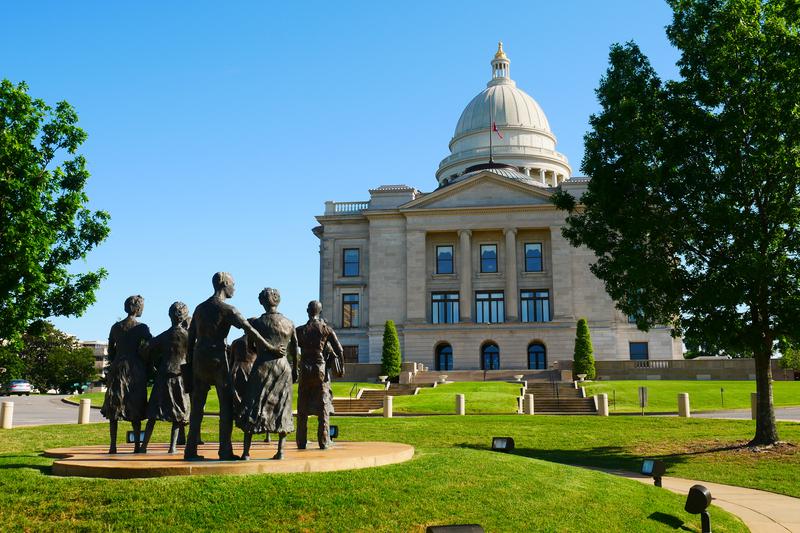
Happiness Index: 20.9
Cost of living rank: 2
Homeownership rank: 4
Arkansas rounds out our list, where affordability and community ties foster a sense of happiness among its residents, despite challenges in education levels.
Happiness in Numbers
Measuring happiness might be complex, but we’ve developed a reliable framework to evaluate overall life satisfaction across states. If you’re fortunate enough to reside in one of these ten joyful states, congratulations! If not, explore the statistics to understand the regional differences in happiness.
Happy reading, everyone!
| State | Rank | Happiness Index |
|---|---|---|
| Idaho | 1 | 16 |
| Virginia | 2 | 16 |
| Washington | 3 | 16 |
| Connecticut | 4 | 16 |
| Colorado | 5 | 18 |
| Illinois | 6 | 19 |
| New Hampshire | 7 | 19 |
| North Dakota | 8 | 20 |
| Utah | 9 | 20 |
| Arkansas | 10 | 20 |
| Massachusetts | 11 | 21 |
| Tennessee | 12 | 22 |
| Iowa | 13 | 22 |
| Vermont | 14 | 21 |
| North Carolina | 15 | 22 |
| Kansas | 16 | 22 |
| Montana | 17 | 23 |
| Maryland | 18 | 23 |
| Maine | 19 | 23 |
| Oregon | 20 | 23 |
| South Dakota | 21 | 23 |
| New Jersey | 22 | 24 |
| Georgia | 23 | 24 |
| Florida | 24 | 25 |
| Indiana | 25 | 25 |
| Hawaii | 26 | 25 |
| Michigan | 27 | 26 |
| South Carolina | 28 | 26 |
| California | 29 | 26 |
| Texas | 30 | 26 |
| Missouri | 31 | 26 |
| Rhode Island | 32 | 26 |
| Minnesota | 33 | 27 |
| West Virginia | 34 | 27 |
| Kentucky | 35 | 27 |
| Delaware | 36 | 27 |
| Louisiana | 37 | 27 |
| Nebraska | 38 | 27 |
| Wisconsin | 39 | 28 |
| Mississippi | 40 | 29 |
| Arizona | 41 | 30 |
| Alaska | 42 | 30 |
| Pennsylvania | 43 | 30 |
| Wyoming | 44 | 31 |
| Ohio | 45 | 32 |
| New York | 46 | 32 |
| Alabama | 47 | 33 |
| Oklahoma | 48 | 34 |
| Nevada | 49 | 37 |
| New Mexico | 50 | 37 |

Author

David Luther was the Content Marketing Editor for the Zippia Advice blog. He developed partnerships with external reporting agencies in addition to generating original research and reporting for the Zippia Career Advice blog. David obtained his BA from UNC Chapel Hill.