Find a Job You Really Want In
In the fast-paced 2026 work environment, distractions are more prevalent than ever. With the rise of digital communication and social media, it’s easy to lose track of time scrolling through feeds instead of focusing on important tasks.
Concentration can be particularly challenging in hybrid and remote work settings, where personal responsibilities, household chores, and unexpected interruptions can divert our attention. Even a cluttered workspace can hinder your ability to focus effectively.
Fortunately, concentration is not just an innate ability; it is a skill that can be honed through practice and commitment.
Key Takeaways:
-
Concentration involves consciously directing your attention.
-
Improving concentration at work enhances productivity and reduces stress.
-
Boost your concentration by prioritizing your health, minimizing distractions, and allowing yourself the occasional break.
-
Your physical and mental well-being, as well as your environment, significantly impact your focus.

What Is Concentration?
Concentration is the deliberate act of focusing your attention on specific tasks or goals. While the terms “focus” and “concentration” are often used interchangeably, focusing refers to having your attention centered on something, whereas concentration is the ability to maintain that focus consistently.
Interestingly, the human brain thrives on stimulation; we’re wired to learn and explore. However, prolonged focus on a single task can lead to mental fatigue, resulting in distractions that seem to pull us in various directions.
When this happens, it can be frustrating as your mind drifts away from the task at hand.
Benefits of Concentrating at Work
While concentrating at work may feel obligatory, the advantages of honing this skill are significant:
-
Increased Productivity. Ignoring distractions allows you to accomplish more in less time, enhancing overall efficiency.
Higher productivity can also alleviate work-related stress, benefiting both your professional and personal life.
-
Enhanced Multitasking. Mastering concentration enables effective multitasking, making it easier to manage multiple responsibilities simultaneously.
-
Smoother Task Switching. On busy days, unexpected issues may require immediate attention. Improved concentration allows for quicker transitions between tasks, reducing the time needed to refocus.
-
Manageable Stress Levels. An overwhelming workload can diminish your concentration, creating a cycle of stress. By focusing on one task at a time, you can reduce anxiety and enhance task completion.
-
Versatile Work Environment. Strong concentration skills enable you to work effectively in various settings, whether at home, in a café, or on the go.
-
Higher Quality Work. With better concentration, you’re less likely to make mistakes, ensuring that your output meets high standards and saves time in revisions.
How to Improve Concentration and Memory
We all face challenges with concentration from time to time. Here are some effective strategies to enhance your focus:
-
Minimize Distractions. Identify and eliminate sources of distraction in your environment. For instance, silencing your phone or tidying your workspace can help maintain focus.
-
Take Regular Breaks. It might seem counterproductive, but short breaks can rejuvenate your mind and enhance focus. Consider using a timer to manage break times effectively.
-
Get Moving. Changing your environment with a quick walk can refresh your mind and improve your concentration when you return to work.
-
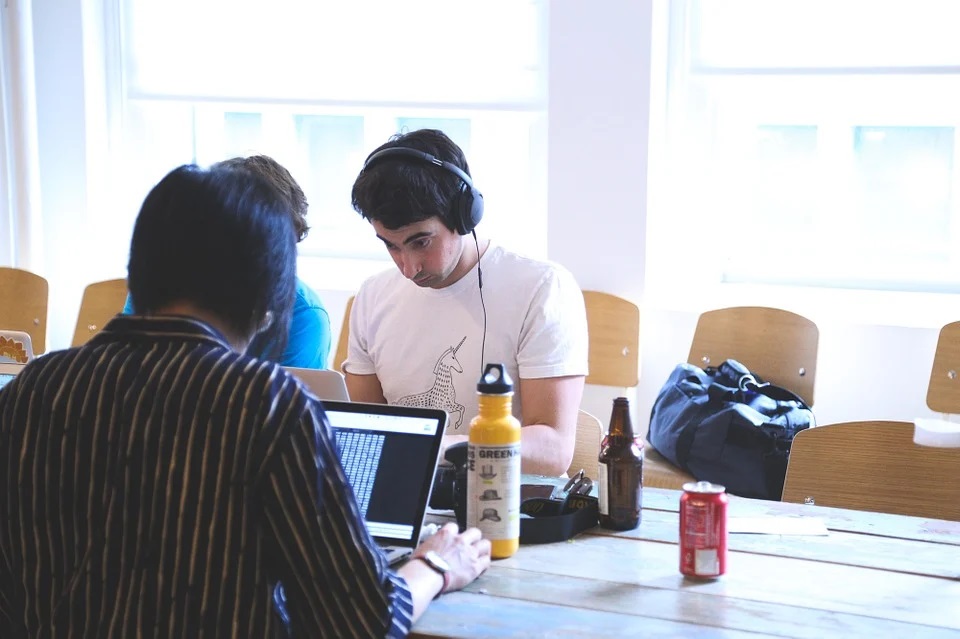
Use Background Music. Listening to instrumental music can provide the stimulation your brain craves while blocking out distracting noises. Explore playlists on streaming platforms to find what works best for you.
-
Identify Your Peak Productivity Times. Understand when you work best—whether it’s early morning or late at night—and schedule your most challenging tasks during those periods.
-
Declutter Your Workspace. A tidy workspace fosters a clear mind. Organizing your surroundings can significantly enhance your focus.
-
Recognize Distractions. When you find your mind wandering, take a moment to identify what distracted you and make adjustments to your environment accordingly.
-
Limit Phone Usage. Consider using apps like Flora, which encourage focus by gamifying concentration. These tools can help you resist the urge to check your phone impulsively.
Factors and Conditions That Affect Concentration
Concentration varies among individuals, influenced by a range of factors:
-
Environmental Distractions. The setting you work in greatly affects your ability to concentrate. Quiet environments, like libraries, are conducive to higher focus.
-
Technology. Devices like phones and computers can be significant sources of distraction if not managed properly.
-
Health Factors. Poor sleep, diet, and exercise can negatively impact cognitive function and concentration. Prioritizing self-care is essential for maintaining focus.
-
ADHD. For those with ADHD, executive function challenges can complicate the ability to concentrate effectively.
-
Cognitive Traits. Individual neurological differences affect memory, emotions, and concentration capabilities.
-
Emotional Well-Being. Mental health issues such as anxiety or depression can detract from your ability to focus on tasks.
-
Physical Health. A healthy body supports a healthy mind, making physical well-being crucial for concentration.
-
Social Relationships. Interpersonal dynamics can also distract from work. It’s essential to strike a balance between personal connections and professional responsibilities.
What Are Examples of Concentration Skills
Key concentration skills include:
-
Conflict or crisis management.
-
Attention to detail.
-
Endurance.
-
Problem-solving.
-
Project management.
-
Research capabilities.
How to Include Concentration Skills on Your Resume
To effectively showcase concentration skills on your resume, provide specific examples that demonstrate your ability to concentrate. Instead of vague statements like “strong focus,” illustrate your skills with concrete achievements.
Here’s an example of how to showcase concentration skills on your resume:
Experience
Good Dog Company / Senior Product Manager
September 2020 – Present, Portland, ME
Directed team initiatives through all phases, resulting in a 150% increase in sales over six months.
Managed public relations issues with a retention success rate of 100%.
Conducted in-depth research into new market behavior patterns, leading to the launch of five new prototypes.
Final Thoughts
Concentration may sometimes feel elusive, especially when it seems effortless for others. However, with dedicated practice and the right strategies, you can develop and improve your concentration skills. Embrace these techniques and enhance your ability to focus today.

Author

Samantha is a lifelong writer who has been writing professionally for the last six years. After graduating with honors from Greensboro College with a degree in English & Communications, she went on to find work as an in-house copywriter for several companies including Costume Supercenter, and Blueprint Education.