- Glossary
- What Is Gross Monthly Income?
- What Is Management?
- What Is A Problem Statement?
- What Is Annual Net Income?
- What Is A Letter Of Transmittal?
- What Is Attrition?
- What Does White Collar Mean?
- What Does Blue Collar Mean?
- What Is Efficiency Vs Effectiveness?
- What Is A Dislocated Worker?
- What Is Human Resource (HR)?
- Thank You Letter Scholarships
- What Is Constructive Criticism?
- What Is A Quarter Life Crisis?
- What Is Imposter Syndrome?
- What Is Notes Payable?
- Types Of Communication
- Economic Demand
- Cost Benefit Analysis
- Collective Bargaining
- Key Performance Indicators
- What Is Gender Bias In A Job Description?
- What Is The Hidden Job Market?
- What Is The Difference Between A Job Vs. A Career?
- What Is A Prorated Salary?
- W9 Vs. 1099
- Double Declining Balance Method
- Divergent Vs Convergent Thinking
- Budgeting Process
- Types Of Intelligence
- What Is Bargaining Power?
- What Is Operating Capital?
- Difference Between Margin Vs Markup
- Participative Leadership
- Autocratic Leadership
- Authoratarian Leadership
- Situational Leadership
- Difference Between Generalist Vs Specialist
- Strategic Leadership
- Competitive Strategies
- Equity Vs Equality
- What Is Marginalization?
- Colleague Vs Coworker
- What Is The Glass Ceiling?
- What Are Guilty Pleasures?
- Emotion Wheel
- Nepotism In The Workplace
- Sustainable Competitive Advantage
- Organizational Development
- Pay For Performance
- Communication Styles
- Contingent Workers
- Passive Vs Non Passive Income
Find a Job You Really Want In
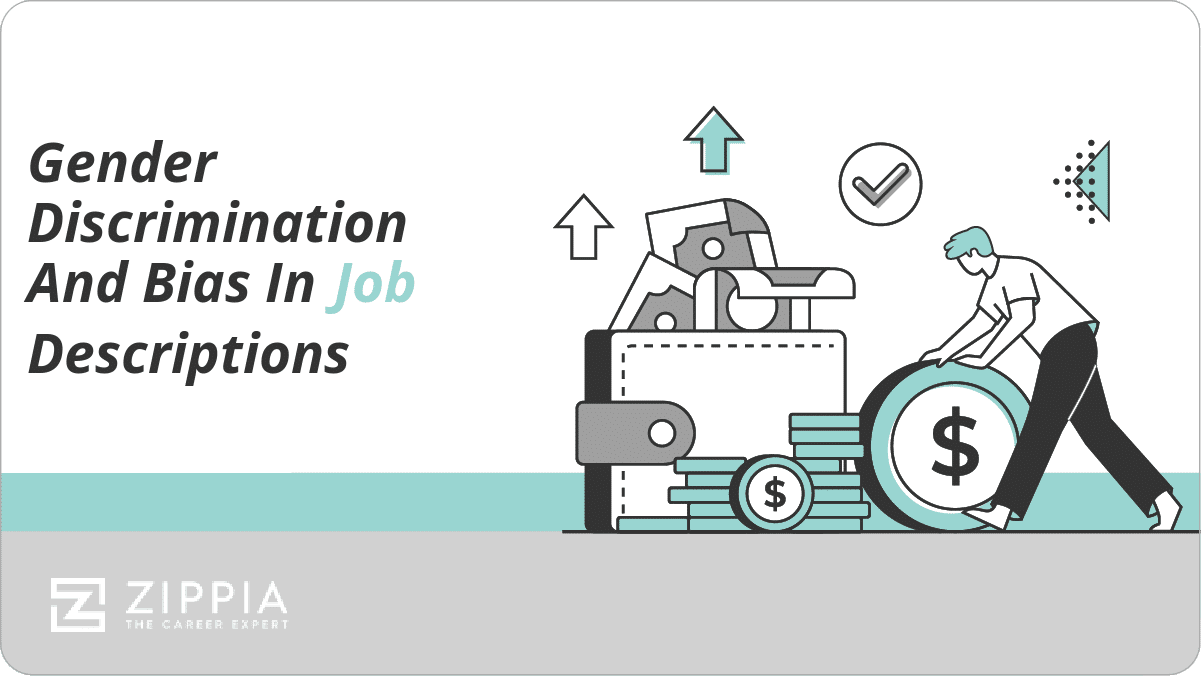
Unconscious gender bias in job descriptions and job classifications remains a significant barrier to equality for women professionals in the workforce, both nationally and globally.
While explicit discrimination, such as overt racism, has diminished due to affirmative action and Equal Employment Opportunity Commission regulations, subtle sexism persists through gendered language and societal stereotypes about men and women in the workplace.
Addressing gender bias in job descriptions involves educating employers and job seekers about its prevalence and implications, thereby promoting equality, fostering diversity, and enhancing organizational performance across various sectors.
Key Takeaways:
-
Unconscious perceptions, biases, and stereotypes often manifest in job descriptions, particularly in male-dominated fields, negatively impacting all stakeholders.
-
Identify gender-charged or coded language in job descriptions as a critical step towards recognizing gender discrimination.
-
When crafting job descriptions, utilize inclusive language and ensure job titles are gender-neutral.
- What Is Gender Discrimination in Job Descriptions?
- How to Identify Gender Bias in Job Descriptions
- What Industries is Gender Discrimination Most Prevalent?
- How Recruiting Plays a Major Role in Gender Equality
- How to Make Job Descriptions Unbiased and Eliminate Workplace Gender Discrimination
- Final Thoughts
- Sign Up For More Advice and Jobs
What Is Gender Discrimination in Job Descriptions?
Gender discrimination in job descriptions occurs when the wording is gendered or when unconscious biases about gender roles are reflected in job postings.
-
Sexism and stereotyping often appear in job descriptions through masculine language, male-oriented job titles, and gendered pronouns.
-
Prejudice based on gender in job descriptions and workplace culture stems from traditional societal roles, where men are perceived as strong leaders and women are viewed as nurturing and empathetic.
-
Despite women making up over 50% of the workforce, gender bias and discrimination remain prevalent in the hiring process.
-
Gender discrimination can be found across all industries and career paths, discouraging qualified candidates and perpetuating the gender gap.
How to Identify Gender Bias in Job Descriptions
Recognizing gender bias in job descriptions is essential for eliminating sexism in hiring and promoting equality in the workforce.
One effective way to spot gender discrimination is by searching for gender-charged or coded words, particularly in aggressive language often found in job ads for traditionally male-dominated sectors such as construction and engineering.
Awareness of gendered language can help job seekers find roles that fit their skills and enable employers to attract the best candidates.
Commonly used masculine gender-coded words include:
-
Adventurous
-
Ambitious
-
Courageous
-
Fearless
-
Independent
Popular feminine gender-coded words are:
-
Compassion
-
Empathy
-
Nurturing
-
Honest
-
Sensitivity
Additionally, gendered words often appear in job titles. Identifying titles like journeyman or craftsman can expose underlying biases.
Moreover, biases may also be reflected in the experience and educational requirements listed in job postings, as overly specific criteria can deter diverse applicants.
What Industries is Gender Discrimination Most Prevalent?
Understanding which industries are commonly male-dominated can aid in identifying gender bias in job descriptions.
Recognizing the professions where gender discrimination is rampant allows employers and job seekers to promote gender equality and fair employment practices effectively.
Labor statistics indicate that women remain underrepresented in fields such as engineering, farming, clergy, architecture, law enforcement, and skilled trades like electrical and plumbing work. Additionally, the tech industry continues to see low female representation among roles such as software developers and data scientists.
How Recruiting Plays a Major Role in Gender Equality
Bias in job descriptions and the recruitment process significantly affects gender equality in the workplace.
Discriminatory job descriptions can create a hostile work environment and heighten the risk of sexual harassment. Biased language not only deters qualified candidates but also negatively impacts company culture, profitability, and overall success.
Gender discrimination in recruitment can lead to a lack of diversity, stifling innovation and employee engagement, ultimately hampering organizational growth. Diverse teams have been shown to perform better financially, making gender equality in recruitment critical for business success.
How to Make Job Descriptions Unbiased and Eliminate Workplace Gender Discrimination
If you are a hiring manager in HR, there are actionable steps you can take to remove gender stereotypes from job descriptions. By revising position descriptions, job titles, and utilizing modern applicant tracking systems, talent acquisition teams can foster an inclusive and equitable hiring process.
Implementing the following strategies will enhance job listings, reduce unconscious bias, and create a more inclusive environment for all stakeholders.
-
Avoid using gender-charged words. By eliminating overly masculine or feminine language, job postings can attract a more diverse pool of qualified applicants.
Rewriting descriptions to focus on objective qualifications will streamline the hiring process and demonstrate a commitment to diversity and equality.
-
Use inclusive pronouns. Avoiding gendered pronouns encourages applicants of all genders to apply. Using gender-neutral options such as “they” or “you” makes descriptions more inclusive.
-
Ensure job titles are gender-neutral. Male-oriented titles can discourage qualified female candidates. Titles should be descriptive and gender-neutral, replacing terms like “businessman” with “businessperson.”
-
Review educational requirements closely. Recognizing that college majors often vary by gender, avoiding specific degree requirements can broaden the applicant pool.
-
Commit to equality and diversity. Include a statement in your job description that emphasizes the company’s commitment to diversity and equal opportunity.
-
Implement a blind resume screening process. Research indicates that hiring managers often favor masculine resume styles. A blind screening process can reduce unconscious bias, ensuring candidates are evaluated based on skills and qualifications rather than gender.
-
Ensure balanced representation in interviews. It’s vital to have both men and women involved in the interview process to demonstrate a commitment to diversity and inclusivity.
-
Utilize software to promote gender-neutral job ads. Tools such as Textio, Gender Decoder, Ongig, and Applied can help identify gender bias in job descriptions, promoting the use of inclusive language.
Final Thoughts
Unconscious gender discrimination and bias persist in today’s workplace. Discriminatory job descriptions and biases during hiring significantly influence a company’s culture and profitability.
Identifying and addressing gender discrimination in job descriptions will help ensure equal opportunities for all candidates and foster a diverse, adaptable, and successful workforce. Implementing the strategies outlined in this article is vital for the future success of organizations across all industries.
- Glossary
- What Is Gross Monthly Income?
- What Is Management?
- What Is A Problem Statement?
- What Is Annual Net Income?
- What Is A Letter Of Transmittal?
- What Is Attrition?
- What Does White Collar Mean?
- What Does Blue Collar Mean?
- What Is Efficiency Vs Effectiveness?
- What Is A Dislocated Worker?
- What Is Human Resource (HR)?
- Thank You Letter Scholarships
- What Is Constructive Criticism?
- What Is A Quarter Life Crisis?
- What Is Imposter Syndrome?
- What Is Notes Payable?
- Types Of Communication
- Economic Demand
- Cost Benefit Analysis
- Collective Bargaining
- Key Performance Indicators
- What Is Gender Bias In A Job Description?
- What Is The Hidden Job Market?
- What Is The Difference Between A Job Vs. A Career?
- What Is A Prorated Salary?
- W9 Vs. 1099
- Double Declining Balance Method
- Divergent Vs Convergent Thinking
- Budgeting Process
- Types Of Intelligence
- What Is Bargaining Power?
- What Is Operating Capital?
- Difference Between Margin Vs Markup
- Participative Leadership
- Autocratic Leadership
- Authoratarian Leadership
- Situational Leadership
- Difference Between Generalist Vs Specialist
- Strategic Leadership
- Competitive Strategies
- Equity Vs Equality
- What Is Marginalization?
- Colleague Vs Coworker
- What Is The Glass Ceiling?
- What Are Guilty Pleasures?
- Emotion Wheel
- Nepotism In The Workplace
- Sustainable Competitive Advantage
- Organizational Development
- Pay For Performance
- Communication Styles
- Contingent Workers
- Passive Vs Non Passive Income

Author

Elsie is an experienced writer, reporter, and content creator. As a leader in her field, Elsie is best known for her work as a Reporter for The Southampton Press, but she can also be credited with contributions to Long Island Pulse Magazine and Hamptons Online. She holds a Bachelor of Arts degree in journalism from Stony Brook University and currently resides in Franklin, Tennessee.