Research Summary. The landscape of remote work continues to evolve in 2026, with a substantial number of professionals embracing flexible work arrangements. This shift has led to notable gains in productivity. Our comprehensive analysis reveals:
-
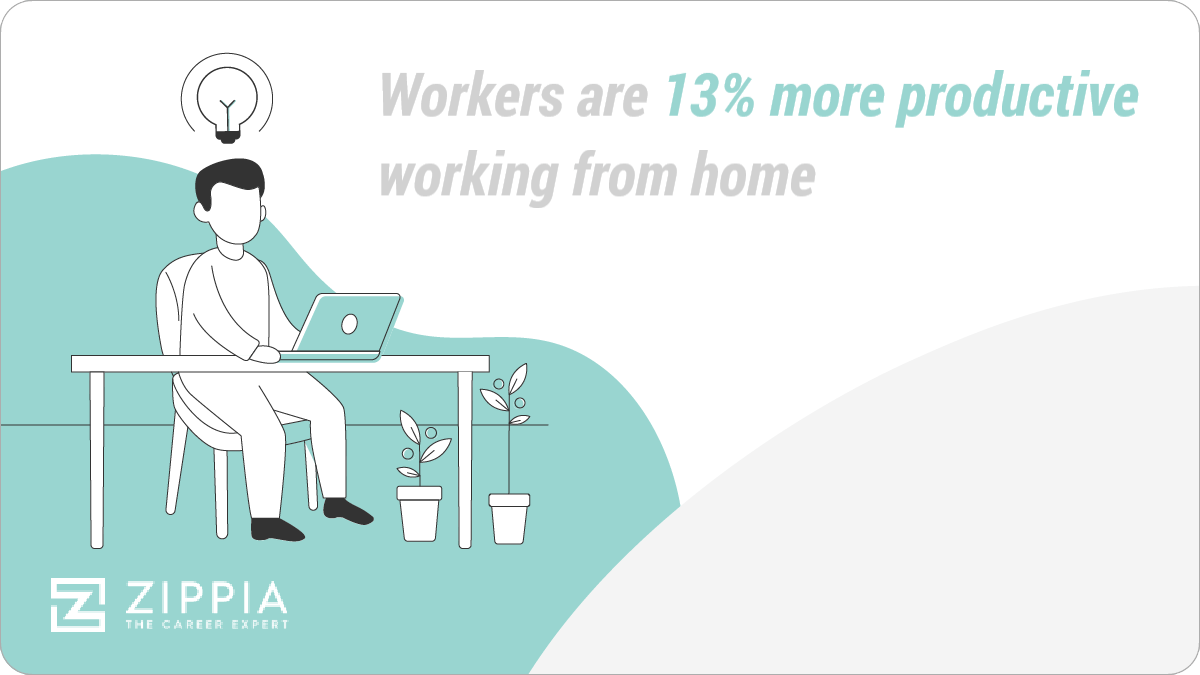
On average, workers are 13% more productive when working from home, contributing to an overall increase of 5% in U.S. worker productivity since the pandemic’s onset.
-
77% of workers who engage in remote work at least a few times per month report enhanced productivity.
-
40% of workers feel they have been more productive while working from home compared to their office environments.
-
Autonomy plays a critical role in remote work productivity, with employees choosing to complete 50% more tasks through personal initiative, while the tendency to delegate tasks decreases from 41% to 27%.
-
The average U.S. worker now participates in 5.8 remote workdays per month, reflecting a significant rise since the pandemic.
For further analysis, we broke down the data in the following ways:
Pandemic | Benefits | Drawbacks
General Work From Home Productivity Statistics
While remote work generally boosts productivity, it is essential to explore the nuances within this trend. There are key distinctions between hybrid and fully remote employees, among other factors. Here are the current insights:
-
63% of high-revenue-growth companies support hybrid work models.
In contrast, only 69% of companies with stagnant or negative growth have not embraced any form of remote work, underscoring the importance of flexibility for company advancement.
-
60% of employees prefer a hybrid work model.
This indicates that the majority of workers favor a balance of remote work, typically less than 100% of the time.
-
Since 2000, the work-from-home population has risen by nearly 4 million.
From 2000 to 2017, the increase was 3.3%, growing from 3.7 million to 6.5 million remote workers.
-
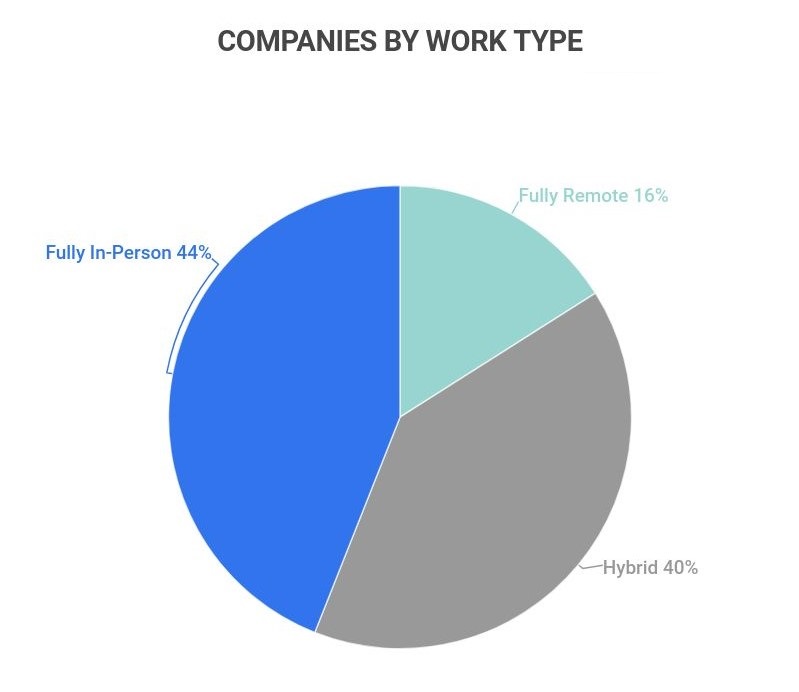
16% of companies have transitioned to fully remote operations.
Though this is relatively small compared to the 44% of companies that do not permit remote work, it highlights a growing trend. In fact, 59% of workers express a preference for employers offering remote options, with 23% willing to accept a 10% pay cut for the privilege.
Remote Work Productivity Statistics Post-Pandemic
The transition to remote work, initially spurred by the pandemic, has led to lasting changes in productivity. Despite challenges faced by some businesses, many have reported improved performance through remote arrangements. Here are key findings from our research:
-
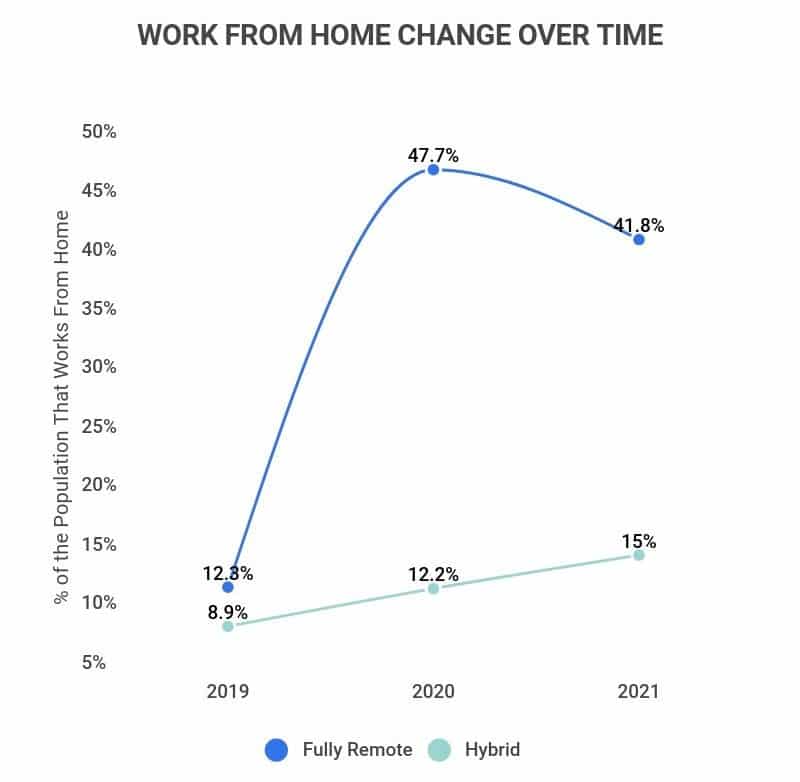
In 2020, 26% of employees worked exclusively from home.
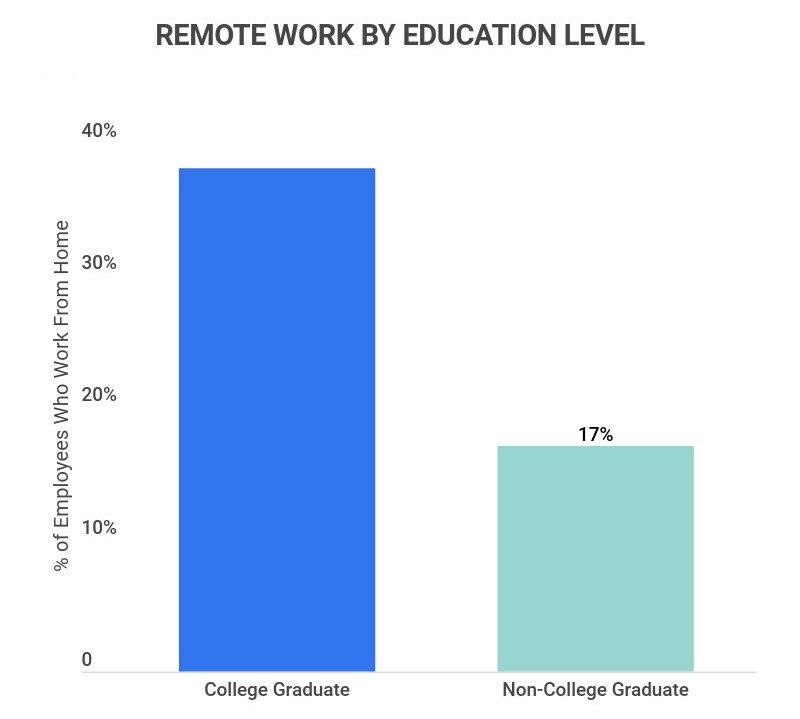
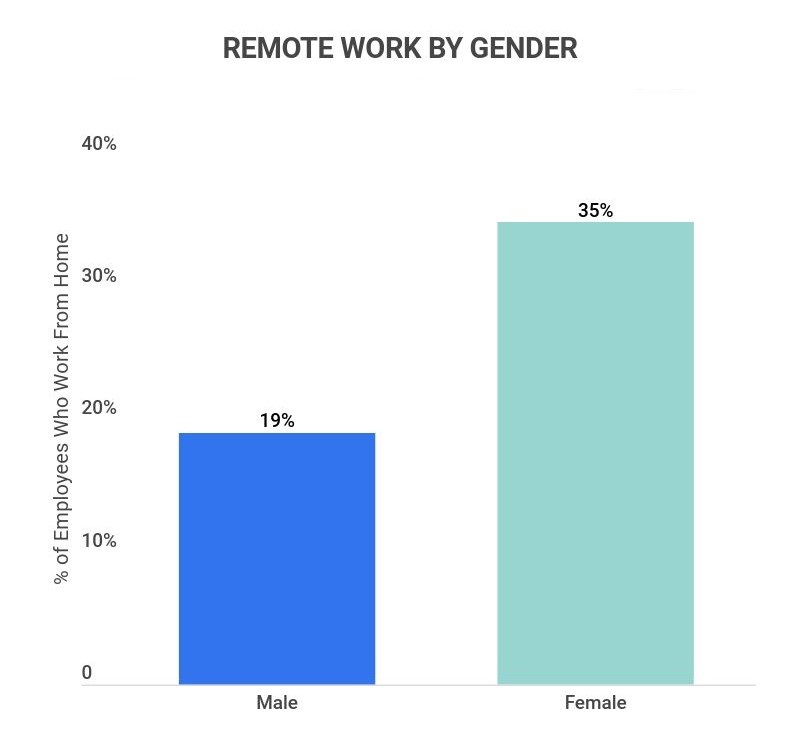
Women and college graduates represented the largest segments of remote workers, at 35% and 38%, respectively, compared to only 17% of those without a college degree.
-
In the past five years, remote work has surged by 44%.
Before the pandemic, remote work constituted just 3.4% of the workforce; now, approximately 25% of employees work from home.
-
Experts predict 36.2 million Americans will be working remotely by 2025.
This represents an 87% increase from pre-pandemic figures, where only 7 million people worked remotely.
-
The economic impact of home production activities rose by $26.5 billion during the height of the pandemic.
This encompasses tasks such as cooking, cleaning, child care, and shopping, contributing significantly to overall economic fluctuations.
-
Fridays remain the most popular day for hybrid workers to work from home.
Thursdays rank second, followed by Mondays, with Wednesdays being the most common in-office day.
Benefits of Remote Work on Productivity
The advantages of remote work extend beyond productivity, offering significant benefits to workers. Our findings reveal:
-
American workers have saved approximately 62.5 million hours each workday since the pandemic began.
This averages out to 54 minutes saved per worker, with at least 35% of that time utilized for work-related tasks.
-
Remote workers prevent the emission of 3.6 million tons of greenhouse gases annually.
This is equivalent to planting 91 million trees, primarily due to reduced commuting. Since 86% of American commuters use private transportation, which contributes to 29% of the nation’s greenhouse gas emissions, fewer vehicles on the road have significantly improved air quality.
-
Employee turnover decreases by 50% when remote work options are available.
This reduction is attributed to enhanced job satisfaction, retention, and creativity in remote environments.
-
Performance improves by 22% for employees working from home.
Furthermore, 94% of remote workers feel their productivity is equal to or greater than when working in the office.
-
Despite averaging 43% more hours worked, remote employees experience 25% less stress.
This can be attributed to better work-life balance, healthier eating habits, and more family time due to reduced commuting.
Drawbacks of Remote Work Productivity
While remote work offers numerous benefits, it also presents challenges. Common drawbacks stem from issues like isolation, distractions, and overworking. Here’s what we discovered:
-
Over 40% of remote workers report difficulty concentrating due to household distractions.
Many struggle to separate work from family life, with 48% indicating that family demands significantly interrupt their work.
-
30% lack access to essential office equipment.
This includes tools like laptops, printers, and sensitive company documents, which can hinder productivity.
-
23% of remote employees reported poor posture.
Many lack a suitable workspace, with 25% stating they do not have an adequate setup, which can negatively impact health and productivity.
-
19% of remote workers cite isolation as their primary challenge.
Half of these individuals feel lonely weekly, and 70% report feeling disconnected from their workplace.
Work From Home Productivity FAQ
-
Are people more productive working from home?
In general, yes, people are more productive when working from home. Workers demonstrate a 13% increase in productivity, with overall U.S. worker productivity rising by 5% since the onset of the pandemic.
-
How can I be more productive working from home?
To address the challenges of remote work and boost productivity, consider the following tips:
-
Create a comfortable, dedicated workspace.
-
Establish a schedule, even if not required.
-
Identify distractions and take steps to minimize them.
-
Dedicate one to two hours each day when you feel most productive to focus solely on work.
-
Dress for success and prioritize self-care to maintain motivation.
-
Be mindful of breaks to avoid burnout.
-
-
How do you measure employee productivity when working from home?
Employee productivity in remote settings can be assessed by establishing clear performance goals, enhancing communication, and utilizing project or time-tracking tools.
Setting specific goals and deadlines for each employee or project is essential for effective productivity tracking. This requires careful planning but fosters independence and clarifies expectations for both employees and managers.
Additionally, maintaining open communication channels is crucial to gauge employee progress. Regular check-ins and proactive communication ensure that remote workers feel connected and involved in their projects.
Finally, employing a project or time-tracking software can provide valuable insights into productivity levels without micromanaging, offering transparency on project progress and individual task management.
-
How can I monitor my work-from-home performance?
Monitoring work-from-home performance involves tracking time spent on tasks and the completion of objectives.
Using manual or automated tracking methods, log daily activities to assess focus levels. You can perform this consistently or as needed to establish a baseline, then periodically review your performance.
Moreover, keeping a record of completed tasks helps evaluate productivity beyond daily to-do lists, allowing you to set consistent goals and reflect on your progress.
-
Are remote workers happier?
Yes, remote workers tend to report higher levels of happiness. Companies offering remote work options experience a 50% reduction in turnover rates, largely due to employee satisfaction with the flexibility and autonomy associated with remote work.
Additionally, employees’ productivity increases by 22% when working from home, with 94% indicating their productivity remains the same or improves in a remote setting. Furthermore, remote workers experience 25% less stress, despite often working more hours than their in-office counterparts. This can be attributed to the ability to maintain healthier lifestyles, including cooking nutritious meals and spending quality time with family instead of commuting.
Conclusion
As of 2026, remote work has become an integral aspect of the modern workforce. With 26% of employees working entirely from home in 2020, productivity in the U.S. has seen a 5% increase since that time.
Remote employees are typically 13% more productive, 25% less stressed, and demonstrate a 22% improvement in performance compared to their in-office peers. Moreover, the reduction in commuting has saved the workforce approximately 62.5 million hours each workday, highlighting the efficiency of remote work.
While issues like isolation persist, with 19% of workers citing it as a significant concern, the overall evidence suggests that remote work not only enhances productivity but also offers broader benefits compared to traditional office environments.
For those navigating the evolving work landscape, understanding these dynamics will be crucial in leveraging the advantages of remote work.
Sources:
-
Harvard Business Review. “Research: Knowledge Workers Are More Productive from Home.” Accessed on September 10th, 2021.
-
CBR. “Are we really more productive working from home?” Accessed on September 10th, 2021
-
Gallup. “U.S. Remote Workdays Have Doubled During Pandemic.” Accessed on September 10th, 2021.
-
Forbes. “Remote Work Evolves Into Hybrid Work And Productivity Rises, The Data Shows.” Accessed on September 10th, 2021.
-
United States Census Bureau. “2017 ACS 1-year Estimates.” Accessed on September 10th, 2021.
-
Owl Labs. “State of Remote Work.” Accessed on September 10th, 2021.
-
CNBC. “1 in 4 Americans will be working remotely in 2021, Upwork survey reveals.” Accessed on September 12th, 2021.
-
Federal Reserve Bank. “Home Production Activity during the COVID-19 Shutdown.” Accessed on September 12th, 2021.
-
EPA. “Sources of Greenhouse Gas Emissions.” Accessed on September 13th, 2021.
-
wbur. “Productivity, Retention And Cost Savings: Why Working From Home Benefits Employees And Employers.” Accessed on September 13th, 2021.
-
Stanford Graduate School of Business. “Does Working from Home Work? Evidence from a Chinese Experiment.” Accessed on September 13th, 2021.
-
Monster. “Working from home can benefit employers as much as employees.” Accessed on September 13th, 2021.
-
The Balance Small Business. “Disadvantages of Working From Home.” Accessed on September 13th, 2021.
-
Bit.Ai Blog. “Combating Social Isolation in Remote Working.” Accessed on September 13th, 2021.
-
Fortune. “A Shift in the Most Popular Remote-Work Days Has Puzzled the Experts.” Accessed on March 28, 2023.
-
Gallup. “Returning to the Office: The Current, Preferred and Future State of Remote Work.” Accessed on March 28, 2023.

Author

Chris Kolmar is a co-founder of Zippia and the editor-in-chief of the Zippia career advice blog. He has hired over 50 people in his career, been hired five times, and wants to help you land your next job. His research has been featured on the New York Times, Thrillist, VOX, The Atlantic, and a host of local news. More recently, he's been quoted on USA Today, BusinessInsider, and CNBC.