- Interview Prep
- Star Method For Answering Questions
- Interview Preparation Checklist
- Star Interview Questions
- Words To Use In An Interview
- Mock Interview Preparation
- How To Make A Good Impression
- Bring Writing Samples
- How To Relax Before An Interview
- Interview Coaching
- Common Video Interview Mistakes
- Common Phone Interview Mistakes
- How To Ace Your Interview For A Remote Job
- Good Weaknesses For A Job Interview
- Good Strengths For A Job Interview
- How To Prepare For A Phone Interview
- Talk About Being Laid Off
- How To Decline An Interview
- How Early Should You Arrive For An Interview
- Interview Etiquette Tips
- Phone Interview Tips
- How To Ace A Phone Interview
- Onsite Interview Tips
- Questions To Avoid Asking
- Interview Prep Tips
- Make A Great First Impression
- Interview Mistakes
- Interview Tips
- Types Of Interviews
- Open Interviews
- Video Interviews
- Promotion Interview
- Internal Interview
- Informational Interview
- Panel Interview
- Online Interview
- Third Round Interview
- Final Interview
- Skype Interview
- Zoom Interview
- Group Interview
- Interview Questions About Your Experience
- Remote Interview
- Interviews For Teen Jobs
- Lunch Interview
- Panel Interview Tips
- Communication
- Respond To An Interview Request
- Signs An Interview Went Well
- Best Time To Interview
- Reschedule An Interview
- Cancel An Interview
- Questions To Ask At The End Of An Interview
- Self Introduction
- Internal Reference
- Unique Interview Questions To Ask Employer
- Interview Small Talk
- Confidence During An Interview
- Perfect Handshake
Find a Job You Really Want In
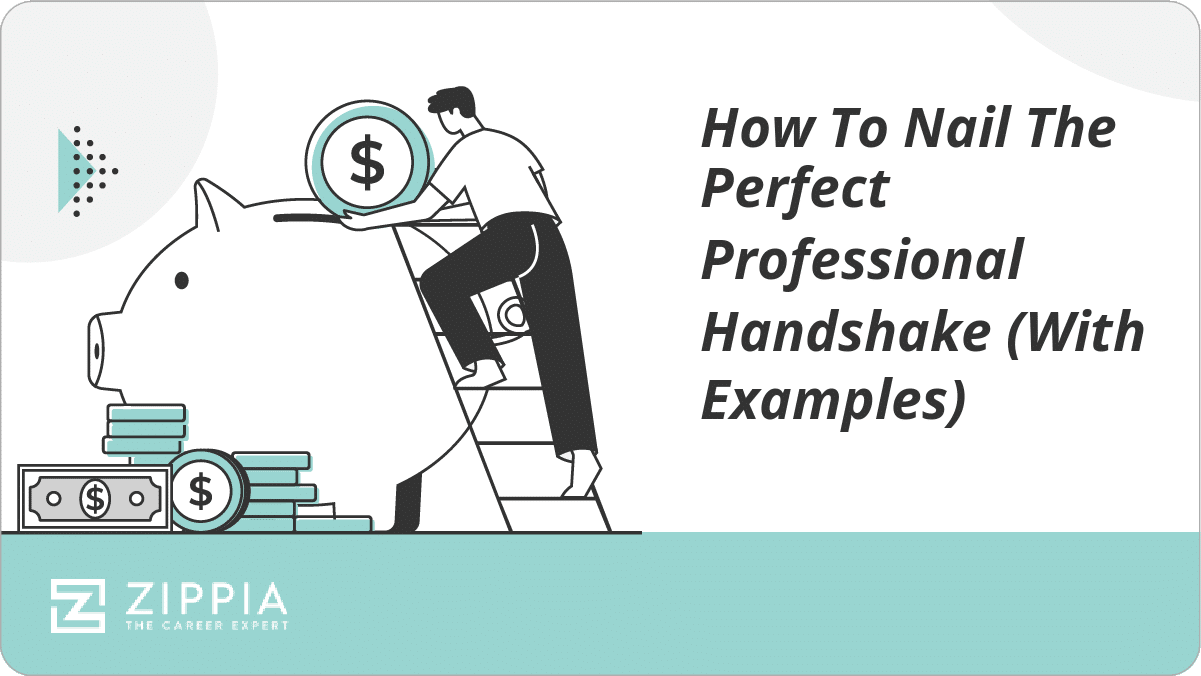
In today’s competitive job market, mastering the art of the professional handshake is crucial. A handshake is a prevalent greeting in many Western cultures, and the quality of your handshake can significantly influence how potential employers perceive you during interviews and networking events.
So, how can you perfect your professional handshake? We’ve compiled essential tips to guide you on this journey.
Key Takeaways
-
A strong professional handshake is vital during job interviews, introductions, and at the start and end of meetings.
-
Firmly shake the person’s right hand with your right hand two to three times while smiling, maintaining eye contact, and greeting them.
-
Avoid being too limp or aggressive, taking too long, or using excessive movement in your handshake.
When to Use a Professional Handshake
In the professional world, handshakes are a common form of greeting, but they aren’t always appropriate. Knowing when to initiate or be ready for a handshake is essential for creating a positive rapport and establishing the right tone for a conversation.
Here are several situations where you’ll want to have your professional handshake ready:
-
Meeting with a hiring manager or recruiter during a job interview
-
Being introduced to someone new
-
When a person extends their hand for a handshake
-
At the conclusion of meetings, negotiations, events, and interviews
-
Reuniting with an acquaintance you haven’t seen in a while
Techniques for Professional Handshake Etiquette
Understanding how to execute a proper handshake is crucial.
Here are the key points to remember when shaking someone’s hand:
-
Dry your hands beforehand. Clammy hands can signal stress and are uncomfortable for others. If necessary, discreetly wipe your hands on your clothing before the handshake.
-
Use your right hand. While left-handed individuals exist, most people are right-handed, making a right-handed handshake more comfortable for both parties.
-
Aim for the web of the hand. Focus on the area between the thumb and forefinger to ensure a solid grip without grabbing fingers.
-
Two to three shakes are ideal. Gauge the moment, but typically two to three shakes are sufficient.
-
Smile and greet the person. Engage warmly by making eye contact and offering a friendly greeting, such as, “It’s great to meet you!” or “How have you been?”
Common Bad Handshake Techniques to Avoid
Having established what to do, it’s equally important to recognize what to avoid.
Interactions can move quickly, and it’s easy to overlook mistakes. Thus, it’s vital to know what to avoid before stepping into an interview.
Here are some common handshake pitfalls to sidestep:
-
Avoid limp or overly aggressive shakes. A firm handshake is essential, but don’t squeeze too hard — aim to match the other person’s grip.
-
Don’t prolong the handshake. Holding on too long can feel uncomfortable and give off the impression of social awkwardness.
-
Keep movements controlled. Two to three shakes should suffice without excessive arm movement that could disrupt the conversation.
Tips for a Professional Handshake
Now that we’ve discussed the basics, let’s delve into some advanced tips:
-
Maintain eye contact. Don’t let your focus drift to your handshake; ensure you’re looking at the person to establish connection.
-
Stand up when shaking hands. If you’re seated, rise to greet someone standing. It shows respect and enhances the handshake experience.
-
Initiate the handshake to convey confidence. While it’s usually best to let the senior person initiate, being the first to extend your hand can demonstrate confidence.
-
Keep your left hand visible. Hiding your non-shaking hand can convey defensiveness or anxiety, which can negatively impact the impression you create.
-
Prepare a conversation starter. Whether it’s a brief introduction or a simple “thank you for meeting with me,” it’s crucial to have something to say after the handshake.
-
Shake hands again before leaving. In professional settings, it’s customary to shake hands again as you part ways, signaling a positive conclusion to your interaction.
Why Does a Good Handshake Matter?
The importance of body language in professional interactions cannot be overstated.
Your posture, proximity to others, eye contact, and even how often you touch your face can significantly influence how you’re perceived.
This is particularly crucial during initial meetings, especially if the other person is a potential employer or key contact. They will be observing your every action, interpreting your words and behavior.
Consequently, your first impression is vital.
And one of the first things you’ll likely do upon entering the room? You guessed it — the handshake.
Final Thoughts
In conclusion, remember that while executing a good handshake is important, it’s equally essential to follow it up with immediate conversation. Don’t let the handshake linger in silence; use it as a natural segue into dialogue.
Social cues can arise quickly, and it’s crucial to respond promptly to avoid awkwardness. A confident handshake is just the beginning of a fruitful interaction.
- Interview Prep
- Star Method For Answering Questions
- Interview Preparation Checklist
- Star Interview Questions
- Words To Use In An Interview
- Mock Interview Preparation
- How To Make A Good Impression
- Bring Writing Samples
- How To Relax Before An Interview
- Interview Coaching
- Common Video Interview Mistakes
- Common Phone Interview Mistakes
- How To Ace Your Interview For A Remote Job
- Good Weaknesses For A Job Interview
- Good Strengths For A Job Interview
- How To Prepare For A Phone Interview
- Talk About Being Laid Off
- How To Decline An Interview
- How Early Should You Arrive For An Interview
- Interview Etiquette Tips
- Phone Interview Tips
- How To Ace A Phone Interview
- Onsite Interview Tips
- Questions To Avoid Asking
- Interview Prep Tips
- Make A Great First Impression
- Interview Mistakes
- Interview Tips
- Types Of Interviews
- Open Interviews
- Video Interviews
- Promotion Interview
- Internal Interview
- Informational Interview
- Panel Interview
- Online Interview
- Third Round Interview
- Final Interview
- Skype Interview
- Zoom Interview
- Group Interview
- Interview Questions About Your Experience
- Remote Interview
- Interviews For Teen Jobs
- Lunch Interview
- Panel Interview Tips
- Communication
- Respond To An Interview Request
- Signs An Interview Went Well
- Best Time To Interview
- Reschedule An Interview
- Cancel An Interview
- Questions To Ask At The End Of An Interview
- Self Introduction
- Internal Reference
- Unique Interview Questions To Ask Employer
- Interview Small Talk
- Confidence During An Interview
- Perfect Handshake

Author

Ryan Morris was a writer for the Zippia Advice blog who tried to make the job process a little more entertaining for all those involved. He obtained his BA and Masters from Appalachian State University.