Find a Job You Really Want In
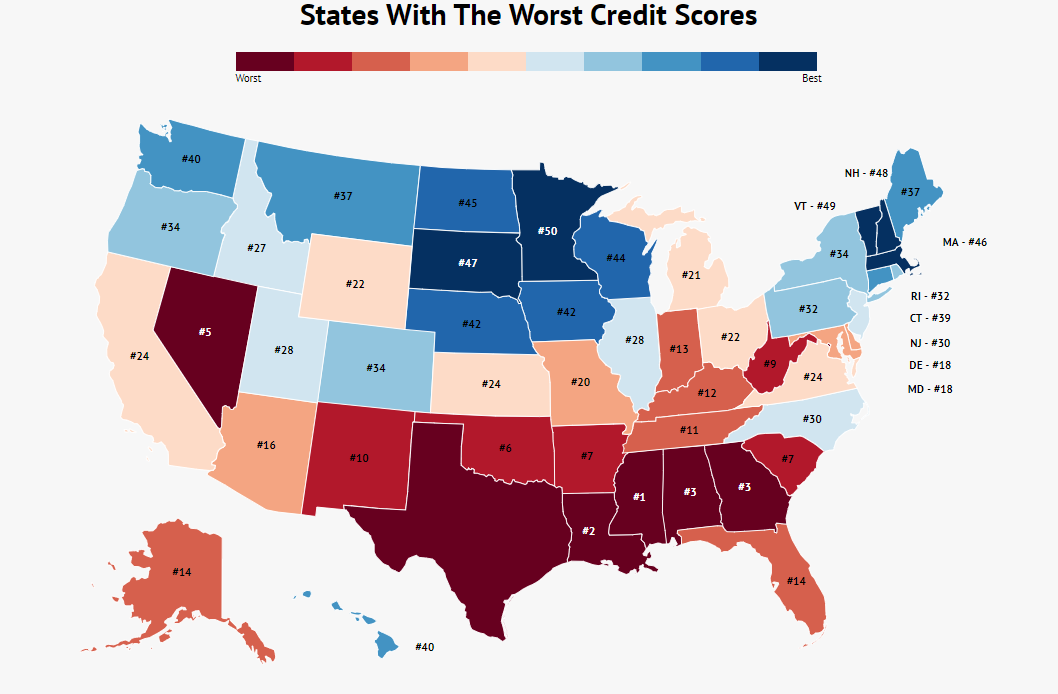
As of 2026, the average credit score in the United States stands at approximately 680. A credit score below this threshold is classified as fair, indicating that while many Americans have decent credit, there’s room for improvement. Maintaining a good credit score is essential, as it enables access to loans and credit cards with favorable interest rates. Conversely, a poor credit score can hinder essential purchases and can lead to prolonged financial struggles.
Moreover, a strong credit score is not solely about financial transactions—it also reflects your reliability in meeting payment obligations. A low credit score can impede your ability to rent housing and, in some instances, even affect employment prospects.
However, financial stability varies significantly across states. We analyzed the average credit scores in each state to identify those that require credit repair and those that enjoy lower interest rates.
The States With The Worst Credit Scores
- Mississippi
- Louisiana
- Alabama
- Georgia
- Nevada
- Oklahoma
- Arkansas
- South Carolina
- West Virginia
- New Mexico
Notice a trend? Many states in the South grapple with credit challenges, with six Southern states appearing among the lowest credit scores nationally. Additionally, three Southwestern states are similarly affected, highlighting a regional trend of higher interest payments or limited credit access.
How We Determined This
The average credit scores for each state are sourced from Experian, using the VantageScore system, which provides a general overview rather than a detailed analysis found in traditional credit reports. Notably, Texas is not included in this analysis.
Continue reading to discover the states with the lowest credit scores, or jump to the bottom to view the complete list of all 50 states.
1. Mississippi

Average VantageScore: 647
Average Credit Card Balance: $5,421
Mississippi consistently ranks at the bottom for various financial indicators, including having the lowest average credit score at 647. This statistic underscores the financial challenges faced by its residents.
2. Louisiana

Average VantageScore: 650
Average Credit Card Balance: $6,074
Louisiana holds the second lowest average credit score in the nation, largely influenced by its high credit card debt of $6,074 and lower median incomes, making it challenging for many residents to manage their finances effectively.
3. Alabama

Average VantageScore: 654
Average Credit Card Balance: $5,961
Alabama residents average a credit score of 654, placing them among the lowest in the country. This situation results in higher interest payments and less favorable loan options for many.
3. Georgia

Average VantageScore: 654
Average Credit Card Balance: $6,675
Georgia not only has a low credit score but also ranks high in credit card debt, compounding the financial strain for many of its residents.
5. Nevada

Average VantageScore: 655
Average Credit Card Balance: $6,401
Nevada, known for its entertainment industry, faces challenges with a low average credit score of 655, suggesting that residents may need to focus more on building their credit.
6. Oklahoma
Average VantageScore: 656
Average Credit Card Balance: $6,296
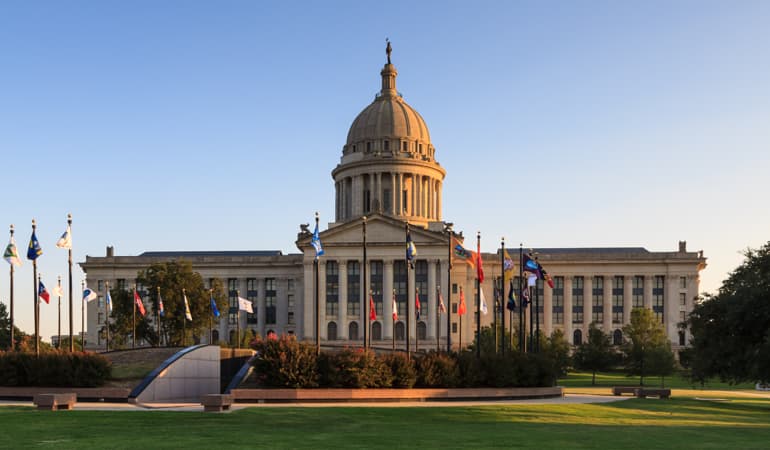
Oklahoma ranks sixth with an average credit score of 656, coupled with substantial credit card debt, creating financial obstacles for its residents.
7. Arkansas
Average VantageScore: 657
Average Credit Card Balance: $5,660
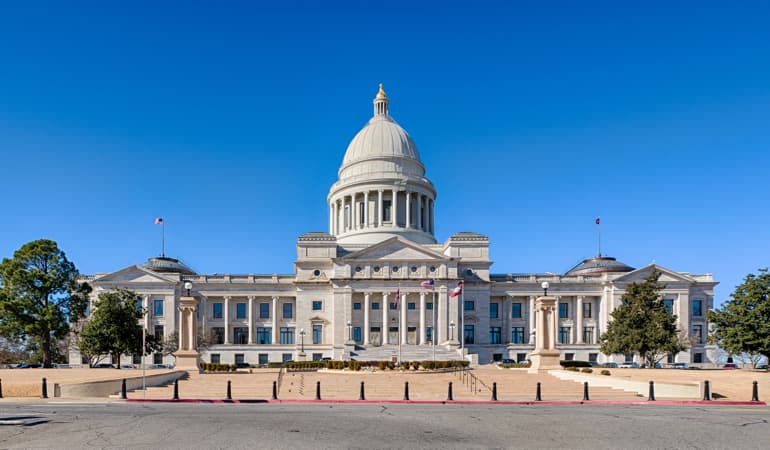
Despite having lower credit card debt compared to other states, Arkansas still struggles with a credit score that indicates the need for improvement.
8. South Carolina

Average VantageScore: 657
Average Credit Card Balance: $6,157
South Carolina also ranks among the lowest, with an average score of 657, reflecting the broader regional trend of financial instability.
9. West Virginia

Average VantageScore: 658
Average Credit Card Balance: $5,547
West Virginia’s average credit score of 658 indicates a pressing need for financial improvement among its residents.
10. New Mexico

Average VantageScore: 659
Average Credit Card Balance: $6,317
New Mexico rounds out the list with an average credit score of 659, highlighting the financial challenges faced by its populace.
Your Credit Score Matters
Your credit score significantly impacts your ability to secure loans, credit, and the interest rates associated with them. Residents in the ten states listed above are contending with lower average credit scores, which can have far-reaching consequences on their financial health. On the other hand, states like Minnesota boast some of the highest credit scores.
It’s important to remember that these figures are averages; individuals in Mississippi may have excellent credit while some in Minnesota might struggle. Regardless of where you live, taking proactive steps to enhance or maintain your credit score is crucial.
Ultimately, poor credit can lead to significant costs in interest, housing opportunities, and even affect your job prospects.
Below is a complete overview of credit scores across all states, excluding Texas.
States With The Best And Worst Credit Scores
| Rank | State | Average VantageScore | Average Credit Card Balance |
|---|---|---|---|
| 1 | Mississippi | 647 | $5,421 |
| 2 | Louisiana | 650 | $6,074 |
| 3 | Alabama | 654 | $5,961 |
| 3 | Georgia | 654 | $6,675 |
| 5 | Nevada | 655 | $6,401 |
| 6 | Oklahoma | 656 | $6,296 |
| 7 | Arkansas | 657 | $5,660 |
| 7 | South Carolina | 657 | $6,157 |
| 9 | West Virginia | 658 | $5,547 |
| 10 | New Mexico | 659 | $6,317 |
| 11 | Tennessee | 662 | $5,975 |
| 12 | Kentucky | 663 | $5,555 |
| 13 | Indiana | 667 | $5,581 |
| 14 | Alaska | 668 | $8,516 |
| 14 | Florida | 668 | $6,388 |
| 16 | Arizona | 669 | $6,389 |
| 17 | District of Columbia | 670 | $6,963 |
| 18 | Delaware | 672 | $6,336 |
| 18 | Maryland | 672 | $7,043 |
| 20 | Missouri | 675 | $5,897 |
| 21 | Michigan | 677 | $5,622 |
| 22 | Ohio | 678 | $5,843 |
| 22 | Wyoming | 678 | $6,245 |
| 24 | California | 680 | $6,481 |
| 24 | Kansas | 680 | $6,082 |
| 24 | Virginia | 680 | $7,161 |
| 27 | Idaho | 681 | $5,817 |
| 28 | Illinois | 683 | $6,410 |
| 28 | Utah | 683 | $5,960 |
| 30 | New Jersey | 686 | $7,151 |
| 30 | North Carolina | 686 | $6,117 |
| 32 | Pennsylvania | 687 | $6,146 |
| 32 | Rhode Island | 687 | $6,375 |
| 34 | Colorado | 688 | $6,718 |
| 34 | New York | 688 | $6,671 |
| 34 | Oregon | 688 | $6,012 |
| 37 | Maine | 689 | $5,784 |
| 37 | Montana | 689 | $5,845 |
| 39 | Connecticut | 690 | $7,258 |
| 40 | Hawaii | 693 | $6,981 |
| 40 | Washington | 693 | $6,592 |
| 42 | Iowa | 695 | $5,155 |
| 42 | Nebraska | 695 | $5,630 |
| 44 | Wisconsin | 696 | $5,363 |
| 45 | North Dakota | 697 | $5,511 |
| 46 | Massachusetts | 699 | $6,327 |
| 47 | South Dakota | 700 | $5,692 |
| 48 | New Hampshire | 701 | $6,490 |
| 49 | Vermont | 702 | $5,924 |
| 50 | Minnesota | 709 | $5,911 |

Author

Kathy is the head of content at Zippia with a knack for engaging audiences. Prior to joining Zippia, Kathy worked at Gateway Blend growing audiences across diverse brands. She graduated from Troy University with a degree in Social Science Education.