Find a Job You Really Want In
Big Cities People Don’t Want to Live In 2026 – And Where They Actually Do
In recent years, urban migration patterns have shifted significantly. While some cities are thriving with an influx of new residents, others are witnessing a decline in population. Individuals relocate for numerous reasons, often in pursuit of a better quality of life, which may encompass a robust job market, lower living costs, excellent educational institutions, or simply more favorable climates.
When people decide to leave a city, they take their resources, skills, and spending power with them, which can result in a diminished tax base and a host of economic challenges for the remaining population.
In this article, we analyze which major cities are experiencing population declines and identify the cities that are attracting new residents.
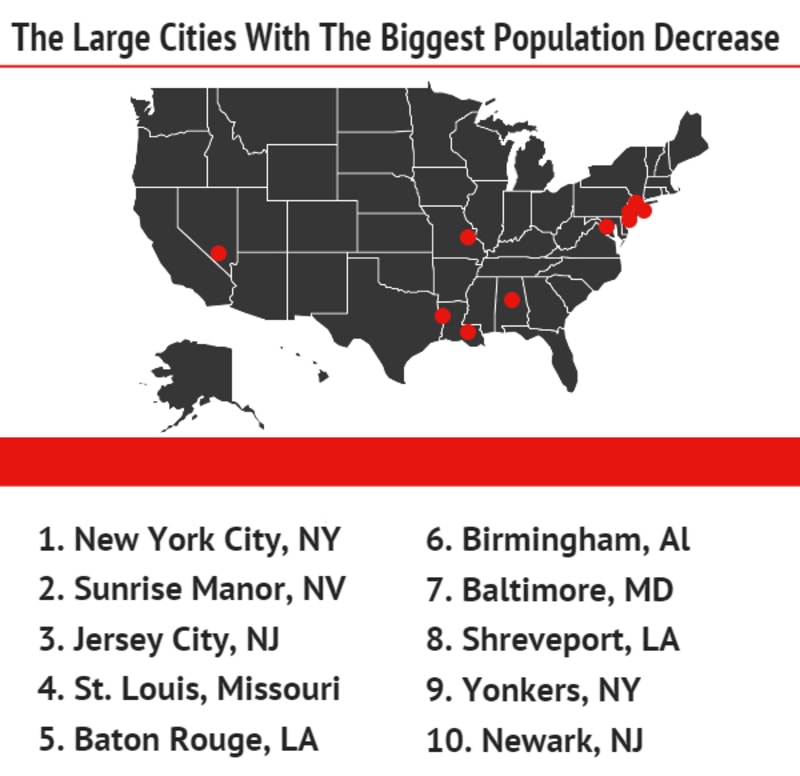
The Major Cities People Are Leaving
- New York City, NY
- Sunrise Manor, NV
- Jersey City, NJ
- St. Louis, MO
- Baton Rouge, LA
- Birmingham, AL
- Baltimore, MD
- Shreveport, LA
- Yonkers, NY
- Newark, NJ
New York and New Jersey continue to feature prominently among cities experiencing population losses, reflecting broader demographic trends across the Northeastern United States.
Stay tuned as we delve into the cities attracting newcomers and the reasons behind these shifts.
How We Determined The Cities No Longer Desired in 2026
Our analysis utilized up-to-date population data from the Census Bureau. We calculated the differences in population between 2024 and 2025 for cities with over 180,000 residents, examining both percentage increases and decreases. It is essential to consider that a loss of a thousand residents carries different implications based on the city’s size and economic context.
1. New York City, New York
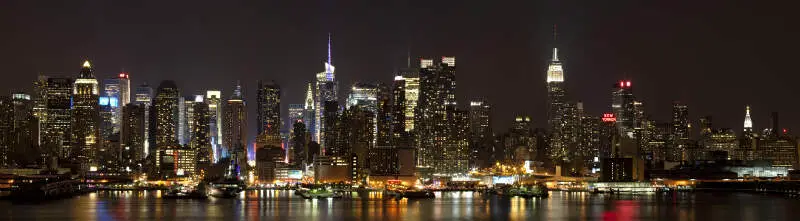
Population: 8,398,748
Population Decrease: 223,950
Population Decrease %: -2.67%
Despite its status as a cultural and economic powerhouse, New York City has seen a notable decline in population, with a loss of 223,950 residents. Contributing factors include the city’s high cost of living that has driven many to seek more affordable housing and improved financial stability elsewhere.
2. Sunrise Manor, Nevada
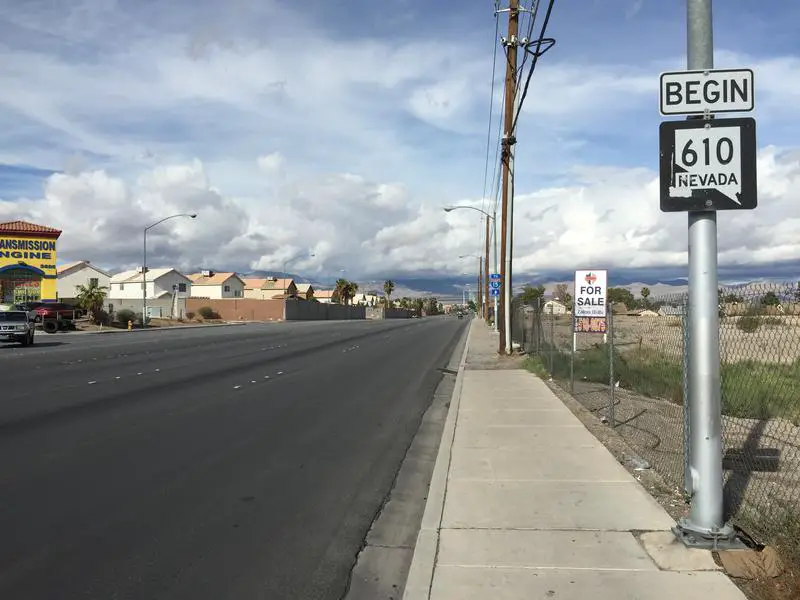
Population: 188,515
Population Decrease: 4,540
Population Decrease %: -2.41%
Sunrise Manor, close to the vibrant Las Vegas strip, is struggling to retain its residents, experiencing a 2.4% population drop. While Nevada overall is growing, this community seems less appealing to new arrivals.
3. Jersey City, New Jersey
Population: 265,560
Population Decrease: 5,190
Population Decrease %: -1.95%
Jersey City has seen nearly 2% of its residents leave, as high living costs and taxation continue to deter long-term residents, despite being a more affordable alternative to New York City.
4. St. Louis, Missouri
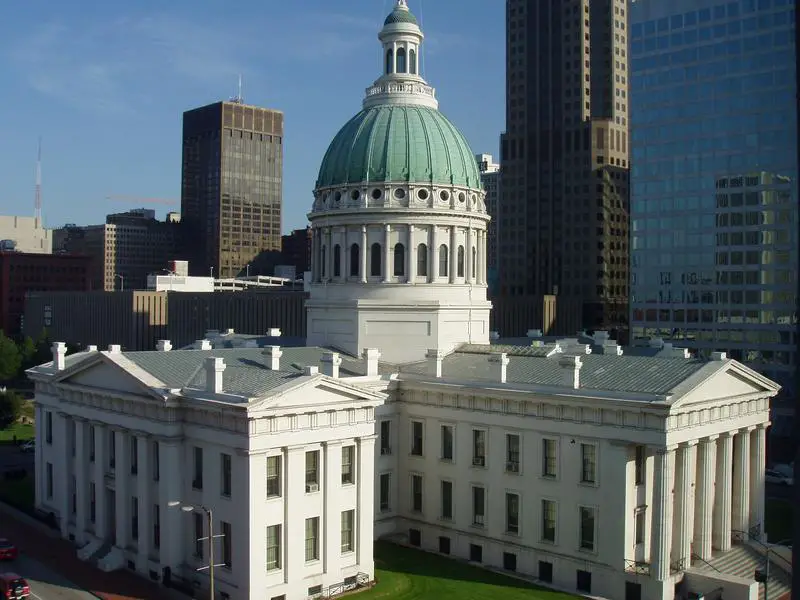
Population: 302,838
Population Decrease: 5,788
Population Decrease %: -1.91%
Once among the largest cities in the U.S., St. Louis has seen its population halved from its peak. While the city offers exciting developments, many residents are relocating to suburban areas, further impacting the local economy.
5. Baton Rouge, Louisiana

Population: 221,606
Population Decrease: 3,764
Population Decrease %: -1.70%
The capital of Louisiana, Baton Rouge, has experienced a 1.7% decline in its population as the state continues to face economic challenges that have persisted since the Great Recession.
6. Birmingham, Alabama

Population: 209,294
Population Decrease: 3,450
Population Decrease %: -1.65%
Birmingham’s population continues to decline as residents seek opportunities in larger cities like Atlanta and Nashville, where job prospects and amenities are more appealing.
7. Baltimore, Maryland

Population: 602,495
Population Decrease: 9,153
Population Decrease %: -1.52%
Baltimore’s population has decreased by 1.5%, as many millennials migrate to suburban areas seeking better schools and living conditions, taking their economic contributions with them.
8. Shreveport, Louisiana

Population: 189,149
Population Decrease: 2,566
Population Decrease %: -1.36%
Shreveport has seen a 1.36% decline in population despite its rich culture and culinary scene, as residents look for better opportunities elsewhere.
9. Yonkers, New York
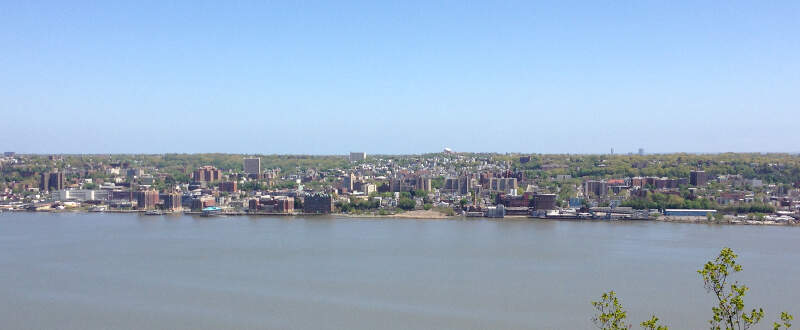
Population: 199,646
Population Decrease: 2,362
Population Decrease %: -1.18%
Yonkers has also experienced a population decline, losing 1% of its residents as they seek more affordable living options compared to New York City.
10. Newark, New Jersey

Population: 282,102
Population Decrease: 3,054
Population Decrease %: -1.08%
Newark’s population has decreased by 1%, reflecting broader trends in New Jersey, where many residents are leaving for states with greater economic opportunities.
Summary of Cities Experiencing Population Decline
These ten cities are facing significant population declines, as individuals seek improved living conditions and opportunities elsewhere. Understanding the factors driving these trends is crucial for policymakers and community leaders. Now, let’s explore the cities that are experiencing population growth and the attractions that draw newcomers in.
The Cities with the Fastest Growing Populations
- Enterprise, Nevada
- Frisco, Texas
- McKinney, Texas
- Vancouver, Washington
- Tempe, Arizona
- Fort Wayne, Indiana
- Cape Coral, Florida
- Port St. Lucie, Florida
- Paradise, Nevada
- Ontario, California
For more specific data or inquiries regarding this analysis, please contact kmorris@zippia.com
Cities with Population Changes: Largest Decreases to Greatest Increases

Author

Kathy is the head of content at Zippia with a knack for engaging audiences. Prior to joining Zippia, Kathy worked at Gateway Blend growing audiences across diverse brands. She graduated from Troy University with a degree in Social Science Education.