Find a Job You Really Want In
Summary. Smart casual is a versatile dress code that bridges the gap between casual and traditional business attire. It varies across industries but is generally characterized by a polished yet comfortable appearance. Smart casual may include combinations like jeans paired with a blazer, a button-down shirt with khakis, or dark-wash jeans with stylish flats.
Making a positive first impression during a job interview hinges significantly on your choice of attire. However, dressing to impress doesn’t necessarily mean donning a suit and tie. Selecting the right outfit for your interview can be more nuanced than that.
In 2026, many workplaces, especially in sectors like technology and creative industries, are embracing a more relaxed approach to employee attire. This shift has become a fundamental aspect of modern company culture.
Therefore, if you’re interviewing at an organization with a casual dress code, showing up in formal attire might be more jarring than appealing. For many roles, the best choice is to opt for smart casual attire.
Key Takeaways:
-
Smart casual occupies the middle ground between casual and traditional business dress, increasingly becoming the norm in contemporary workplaces.
-
This dress code offers greater comfort compared to formal or business wear while still projecting a professional image.
-
Always research the company’s culture and dress expectations before deciding on your interview outfit.
What is Smart Casual Dress for an Interview?
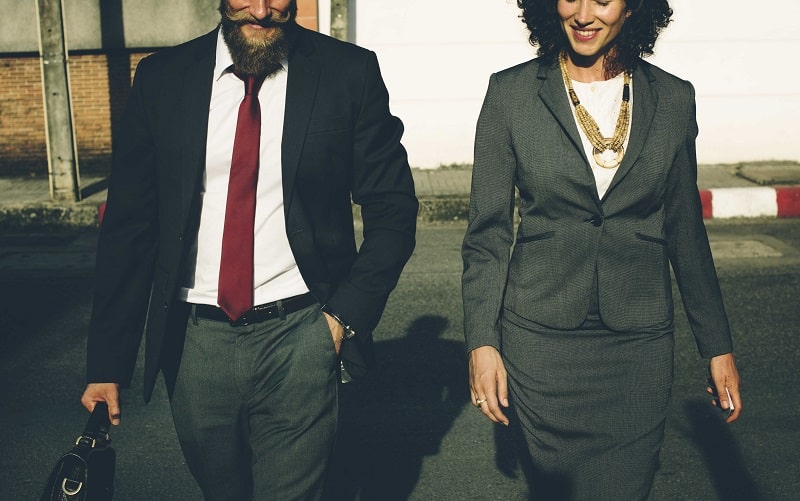
Smart casual is less formal than traditional business casual while offering both comfort and practicality. This dress code typically features well-fitted clothing that is slightly less formal than business attire. Smart casual still conveys a polished and professional appearance suitable for most office environments.
This style is ideal for organizations that prioritize a relaxed attire approach. It may vary by industry and specific company, so it’s crucial to conduct thorough research before selecting your outfit.
Smart casual provides a wider array of wardrobe choices. All clothing items should fit well, be stylish, and consist of quality materials. The goal is not to be flashy but to appear simple, polished, and well put-together.
Wearing smart casual attire can enhance your confidence, showing recruiters or hiring managers that you are self-aware and considerate about your appearance.
Examples of Smart Casual Outfits
Here are some popular examples of outfits that align with the smart casual dress code.
-
Jeans Dressed Up With a Blazer.
Blazers are versatile wardrobe staples that can elevate a casual outfit. Opt for a blazer in various styles and colors. Pairing it with jeans, whether dark-wash or light-wash, creates a stylish yet professional look. Ensure your jeans are tailored and free from rips. Underneath, a button-down shirt works well.
-
Button-Downs with Jeans or Khakis.
A button-down shirt is a classic wardrobe essential. Depending on the environment, pairing it with jeans or khakis is a practical choice. While solid colors suit more formal settings, patterns can add a casual touch without sacrificing professionalism.
You can enhance this look by adding a tie or jacket, depending on the company’s culture.
-
Cotton Blouses and Skinny Jeans.
For women, a cotton blouse paired with well-fitting skinny jeans makes for a perfect smart casual outfit. Dark-wash jeans are preferable, offering versatility. A blouse can feature different patterns while remaining comfortable and flattering.
-
Dark-Wash Jeans and Flats.
Dark-wash jeans serve as a versatile base for smart casual attire. They can be paired with various tops, including button-down shirts, sweaters, or blouses. Complementing the jeans with comfortable flats maintains professionalism.
-
A Blazer and T-Shirt.
For a more relaxed atmosphere, combining a blazer with a t-shirt can be an excellent choice. This trendy option allows for personal expression through the t-shirt while maintaining professionalism with the blazer. Pair with chinos or nice jeans for a balanced look.
-
Pants and Plaid.
Plaid shirts can be a suitable alternative in smart casual settings. Replace traditional button-downs with a plaid option and pair with dress pants for a polished appearance. Dress flats or heels can further elevate this look.
-
A Nice Top with Tailored Jeans.
Men should consider tailored jeans, which provide a polished look while ensuring comfort. Well-fitted jeans should be complemented by a casual top and a stylish pair of shoes to complete the outfit.
Why Choose Smart Casual?
As emphasized, researching a company’s dress code is essential before opting for the smart casual look for your interview. This style is not universally appropriate, and some industries maintain stricter standards. If you discover that the organization values a more casual approach, then smart casual is an excellent choice.
Taking the time to understand a company’s culture shows respect and seriousness about the position. Presenting yourself as polished yet approachable can make a strong first impression. Prepare your outfit ahead of time to ensure it is clean, tailored, and wrinkle-free.
What Smart Casual Isn’t
Avoid confusing smart casual with overly casual attire. Certain clothing items are inappropriate for interviews regardless of how casual the setting might be. These include:
-
Flip flops and open-toed sandals. These lack professionalism and should be avoided. Instead, opt for closed-toe shoes.
-
Sneakers or athletic shoes. Choose dressy shoes or loafers to complete your outfit.
-
Shirts with thin straps or strapless tops. These should be avoided unless covered with a suitable outer layer.
-
Shorts, skirts, or dresses that are too short. Ensure that the hem falls below your fingertips when your arms are at your sides.
-
Visible undergarments. Check that bra straps and undergarments are discreetly tucked away.
-
Low-cut necklines or midriff-baring outfits. Always assess your outfit in the mirror or seek a friend’s opinion.
-
Excessive perfume or cologne. Use fragrance sparingly, as strong scents can be distracting.
-
Too many accessories or body jewelry. While jewelry can enhance an outfit, moderation is key to avoid distractions.
Casual Dress for Interviews FAQ
-
What is inappropriate interview attire?
Inappropriate interview attire includes flip flops, ripped jeans, shorts, clothes with stains or holes, and athletic wear. Avoid wearing overly short dresses or skirts and anything that exposes undergarments.
-
How do you know if you are overdressed for an interview?
Researching the company’s dress code will help you determine the appropriate level of formality for your interview outfit. Matching the company’s style can help the interviewer visualize your fit within the company culture. As long as you look professional, there’s no such thing as being overdressed.
-
What is considered smart dress?
Smart dress is less formal than traditional business attire and emphasizes comfort. Smart casual can vary by industry, with outfits like jeans and a blazer, a blazer with a t-shirt, or a nice top with tailored jeans being common examples.
References
-
Pittsburg State University – Interview Attire

Author

Caitlin Mazur is a freelance writer at Zippia. Caitlin is passionate about helping Zippia’s readers land the jobs of their dreams by offering content that discusses job-seeking advice based on experience and extensive research. Caitlin holds a degree in English from Saint Joseph’s University in Philadelphia, PA.