- Types Of Interviews
Find a Job You Really Want In
You’ve explored various career options, leveraged every networking opportunity, and now you have a connection at your dream company.
While it’s unrealistic to expect them to offer you a job immediately, holding onto a business card indefinitely won’t lead to results either.
Strengthen your connection by requesting an informational interview. This proactive approach can provide valuable insights and open doors for future opportunities.
In this article, we’ll guide you through the essentials of conducting a successful informational interview in 2026.
Key Takeaways:
-
An informational interview is a unique opportunity to gain insights into a career path or industry of interest.
-
Thoroughly research the company and prepare thoughtful questions to ask your interviewer.
-
Respect your contact’s time and treat the meeting as you would a formal interview.
-
Follow up with a thank you note or email on the same day, if possible.
What is an Informational Interview?
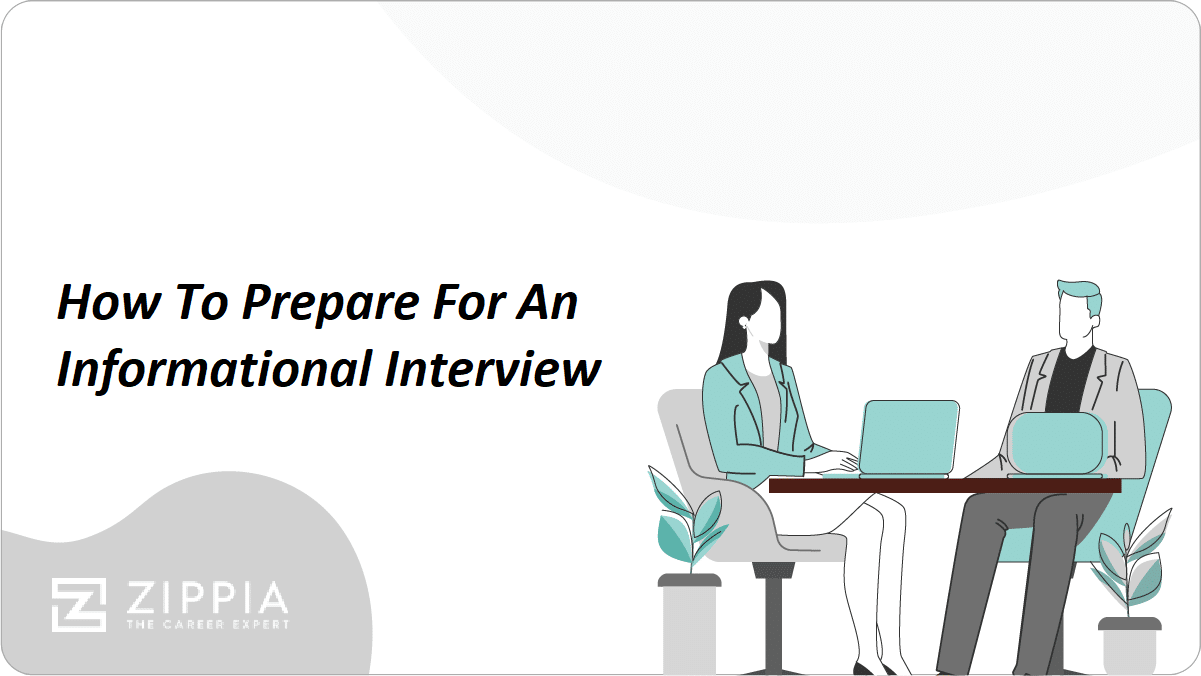
An informational interview is an informal conversation where you can learn about the realities of working in a specific position, company, or industry that interests you.
Despite the term “interview,” this meeting is more of a discussion. It’s your chance to gain insights into a career you aspire to and understand what it takes to achieve your goals.
Most professionals are willing to share their experiences and advice as long as your intent is clear and you’re not soliciting a job offer.
Whether you’re a recent graduate exploring career options or a seasoned professional considering a new direction, an informational interview can provide critical insights to inform your next steps.
Additionally, building rapport with someone in your desired field can be beneficial for future opportunities, even if it’s just for advice on enhancing your application to stand out in a competitive market.
How to Have a Successful Informational Interview
As the one initiating the interview, preparation is key to making the most of this opportunity.
Here are steps to ensure your informational interview is effective:
-
Do Your Research. Maximize your interview by gathering relevant information beforehand. This will help you engage in meaningful conversation and ask insightful questions.
Conduct a Google search on the industry to identify key players and trends. Investigate the specific organization and review your interviewee’s LinkedIn profile and any available articles about them.
This preparation demonstrates your commitment and seriousness about your career goals.
-
Prepare a List of Questions. Just as professional interviewers prepare questions, you should too. Having a list of questions ready will help steer the conversation and fill any lulls.
Focus on open-ended questions that encourage detailed responses, and keep a notepad handy for taking notes.
Don’t hesitate to inquire about both the challenges and rewards of working in their company or industry and ask for tips on enhancing your marketability.
-
Practice Your Elevator Pitch. While sharing your background is important, keep it concise. Prepare a brief introduction about yourself and your goals to provide context for the discussion.
-
Respect Your Contact’s Time. When scheduling the interview, agree on a specific start and end time, and stick to it. If the conversation is flowing, politely acknowledge the time and ask if they need to wrap up.
A 20-30 minute window is typically appropriate, and always arrive on time or a few minutes early.
-
Dress the Part. Choose an outfit that aligns with the company culture, aiming for business casual unless otherwise specified. Your appearance should be neat and professional.
-
Send a Thank You Note. Following up with a thank-you note is essential. Express your gratitude promptly, ideally on the same day.
Your note doesn’t need to be lengthy, but include a personal touch to show you valued the conversation. A thank you note not only reflects good manners but also helps you remain memorable.
Questions to Ask During the Interview
Here are common questions you can incorporate into your list, along with the types of insights you can expect to gain:
-
Can you share your career path? What drew you to this field, and how did you get to your current position?
This question is an excellent icebreaker, allowing you to learn about their journey and discover any necessary qualifications.
“My interest in science and helping others led me to nursing. After working as an RN, I transitioned to a nurse practitioner to serve underprivileged communities, and now I run my own clinic.”
-
What does a typical workday look like for you?
This question provides foundational knowledge about the role and can lead to follow-up inquiries regarding specific tasks or responsibilities.
“Every day varies, but it typically involves responding to emails, addressing employee inquiries, and managing departmental records.”
-
What do you enjoy most about your work? What aspects are the most rewarding?
Understanding what drives satisfaction in their role can help you assess your alignment with similar values.
“I love solving puzzles, which makes balancing accounts rewarding. I also appreciate working for a company that positively impacts people’s lives.”
-
What challenges do you face in this role?
This question digs deeper into the realities of the job. If they mention specific challenges, follow up to gauge whether they are industry-wide or unique to their experience.
“Maintaining ethical practices while advancing company goals can be challenging, as the lines often blur.”
-
What has surprised you most about your current role?
This question can reveal unexpected aspects of the job that may not be apparent at first glance.
“I was surprised by the extent of desk work required and how much I rely on networking to succeed.”
-
What do you wish you had known about this industry before starting your career?
This broader question can yield valuable advice applicable to your career development.
“I wish I had taken advantage of every professional development opportunity. Continuous learning not only enhances your skills but also positions you for promotions.”
-
Where do you see yourself in five years?
This question may seem conventional, but it can provide insight into potential career trajectories and help you assess whether your goals align.
-
What skills and experiences are crucial for success in this industry?
Asking this can outline steps you can take to prepare for your desired career path.
“Successful individuals in this field typically possess both design and marketing skills, and know how to integrate them effectively.”
-
What previous experiences have been beneficial in your current role?
People often enjoy sharing their stories, and their experiences may inspire your journey.
“My summer working for a landscaping company gave me insight into the projects I now design and manage.”
-
How should someone prepare for a role like yours?
Ensure your question conveys that you seek advice, not competition. Respondents typically appreciate the request for guidance.
“Take finance classes and focus on strong communication skills. Building relationships is crucial.”
-
Can you recommend others I should speak with or resources to explore?
Asking this question at the end of the interview can yield additional contacts and valuable information.
-
May I stay in touch with you?
If you ask this, ensure you follow through. Stay connected via LinkedIn or reach out with questions as you navigate your career path. A continued relationship might lead to mentorship down the line.
Expert Opinion
How do you prepare for an interview?
Joe Mangum
Promoted Resume
Understanding the job description allows you to identify the company’s needs. By aligning your responses with these needs, you can effectively demonstrate your value. Just as your resume should connect to a specific job, your interview should address the hiring organization’s direct requirements.
- Types Of Interviews

Author

Abby is a writer who is passionate about the power of story. Whether it’s communicating complicated topics in a clear way or helping readers connect with another person or place from the comfort of their couch. Abby attended Oral Roberts University in Tulsa, Oklahoma, where she earned a degree in writing with concentrations in journalism and business.