Find a Job You Really Want In
Unemployment remains a challenging issue, affecting both individuals and their communities. People seek employment not just for financial stability, but also to contribute meaningfully to society.
Long-term unemployment significantly exacerbates these challenges. When individuals remain out of work for extended periods, it leads to financial, physical, and mental health strains that ripple through families and communities.
Key Takeaways:
-
The Bureau of Labor Statistics defines long-term unemployment as individuals who have been jobless for over 27 weeks and are actively seeking work.
-
As of early 2026, approximately 1.5 million Americans are classified as long-term unemployed.
-
In addition to the stress associated with unemployment, many individuals lack access to medical care, exacerbating health issues.
-
Resources are available for the long-term unemployed, including temp agencies and job centers, which can aid in job placement and training.
What Defines Long-Term Unemployment?
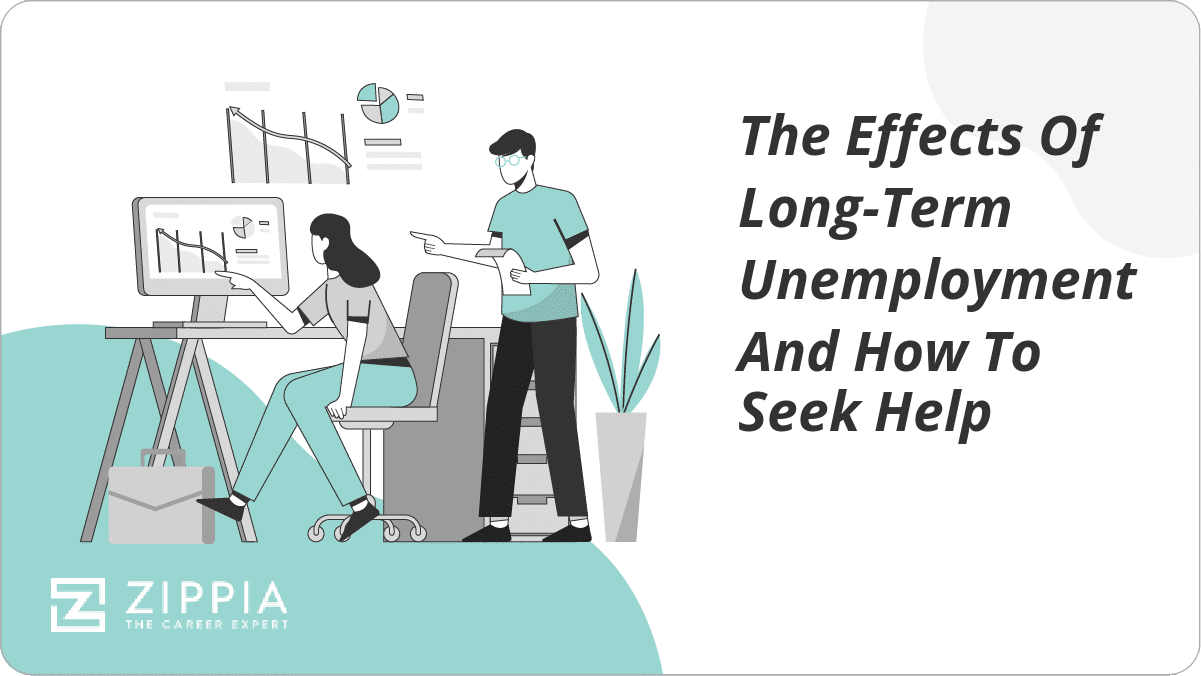
The United States Bureau of Labor Statistics (BLS) defines long-term unemployment as any period of unemployment lasting more than 27 weeks, or roughly six months. Individuals are categorized as unemployed only if they are actively seeking work, and this duration is counted from when they last held a position.
Who Is Affected by Long-Term Unemployment?
Recent reports have highlighted that older workers, particularly those over the age of 55, are experiencing higher unemployment rates than younger professionals, marking a significant demographic shift in the labor market.
The BLS continues to track demographic impacts on long-term unemployment. As of early 2026, the unemployment rates by race are:
-
Black: 6.5%
-
Hispanic: 4.3%
-
Asian: 2.9%
-
White: 3.5%
Long-term unemployment currently accounts for about 20% of the total unemployed population, equating to approximately 1.5 million individuals.
The Effects of Long-Term Unemployment
Prolonged unemployment can have both temporary and permanent impacts on affected workers. Key challenges include:
-
Job Search Difficulties: The longer someone is unemployed, the harder it becomes to secure new employment. Skills may stagnate, and employers often harbor biases against candidates with significant employment gaps.
A recent study indicated that individuals who are unemployed face greater challenges in securing new positions compared to those transitioning careers, despite the latter group applying for far fewer jobs.
-
Health Impacts: Numerous studies reveal a strong correlation between long-term unemployment and adverse physical and mental health outcomes. The stress of joblessness can lead to higher rates of depression, anxiety, and stress-related conditions.
Additionally, unemployed individuals often lack access to health insurance, further complicating their ability to seek necessary treatment.
Resources for Long-Term Unemployed Workers
Fortunately, various resources exist to provide financial assistance and facilitate re-employment for those struggling to find work. These include:
-
Extended Unemployment Benefits: If you’ve exhausted standard unemployment benefits, you may still qualify for additional assistance. Each state has different eligibility criteria for extended benefits.
Search for “[your state] extended unemployment benefits eligibility” to find out what resources are available to you.
-
American Job Centers: Funded by the U.S. Department of Labor, American Job Centers (AJCs) provide job search assistance, skills assessments, and free training opportunities. With nearly 2,400 locations nationwide, AJCs are accessible online and by phone.
-
Job Resources for People of Color: Numerous organizations and career websites are dedicated to supporting minorities in their job search. These resources can provide networking opportunities and industry-specific advice.
-
College Career Services: If you are a recent graduate, your college’s career services may offer valuable resources, including job listings exclusive to alumni, networking events, and workshops on resume writing and interviewing skills.
-
Resources for Older Workers: Organizations like AARP provide guidance for job-seekers over 45, including training programs and job placement assistance. The Senior Community Service Employment Program (SCSEP) offers community service roles for older unemployed Americans.
-
Temp Agencies: Working with temp agencies can facilitate re-entry into the workforce. They connect you with temporary positions that can help bridge employment gaps and provide valuable experience.
-
Apprenticeships and Training Programs: Explore apprenticeships that can offer immediate work opportunities and on-the-job training, helping you transition into a new career swiftly.
Unemployment Resources and Assistance for Veterans
While the unemployment rate for veterans has improved, it remains elevated compared to pre-pandemic levels. Veterans seeking assistance should consider:
-
Unemployment Compensation for Ex-Servicemembers Program (UCX): This program offers unemployment benefits to veterans transitioning to civilian life, similar to benefits received after layoffs in the private sector. Eligibility requirements vary by state.
-
Department of Veterans Affairs Vocational Rehabilitation and Employment (VRE): VRE provides specialized job training and resources for disabled veterans. Participation may affect eligibility for other veteran unemployment resources, so it’s essential to understand the implications.
Long-Term Unemployment FAQ
-
What Causes Long-Term Unemployment?
-
Why is Long-Term Unemployment Important?
-
How Long Do Unemployment Benefits Last?
The primary causes of long-term unemployment are cyclical and structural unemployment. Cyclical unemployment results from economic fluctuations, while structural unemployment occurs when workers’ skills no longer match market needs.
Long-term unemployment is critical as it reflects the overall health of an economy. High rates can lead to societal unrest and deteriorating physical and mental health among citizens.
Most states offer unemployment benefits for a duration of 26 weeks, though this can vary. Some states provide fewer weeks, while others may extend benefits beyond this period. Always check with your state’s unemployment office for specific information.
References
Bureau of Labor Statistics. “Labor Force Statistics from the Current Population Survey
CPS CPS Program Links
“ Accessed on [Month] [Day], 2026.

Author

Chris Kolmar is a co-founder of Zippia and the editor-in-chief of the Zippia career advice blog. He has hired over 50 people in his career, been hired five times, and wants to help you land your next job. His research has been featured on the New York Times, Thrillist, VOX, The Atlantic, and a host of local news. More recently, he's been quoted on USA Today, BusinessInsider, and CNBC.