- Job Application Tips
- About Me Page
- Answering Machine Messages
- What To Bring To A Job Fair
- Free Job Posting Sites
- Email Sign Offs
- Job Scams
- How Long Does It Take To Become A Doctor
- How Long Does It Take To Become A Vet
- Government Programs That Help Felons Get Jobs
- How Long Does It Take To Become A Dentist
- Relocation
- Job Search Spreadsheet
- Right To Work States
- How To Research A Company
- How To Change Careers
- What To Do If You Have No References
- Working For a Big Company Vs. A Small Company
- Writing Sample Format
- How Long Should A Writing Sample Be
- How To Get A Job Fast
- How Many Jobs Should I Apply For
Find a Job You Really Want In
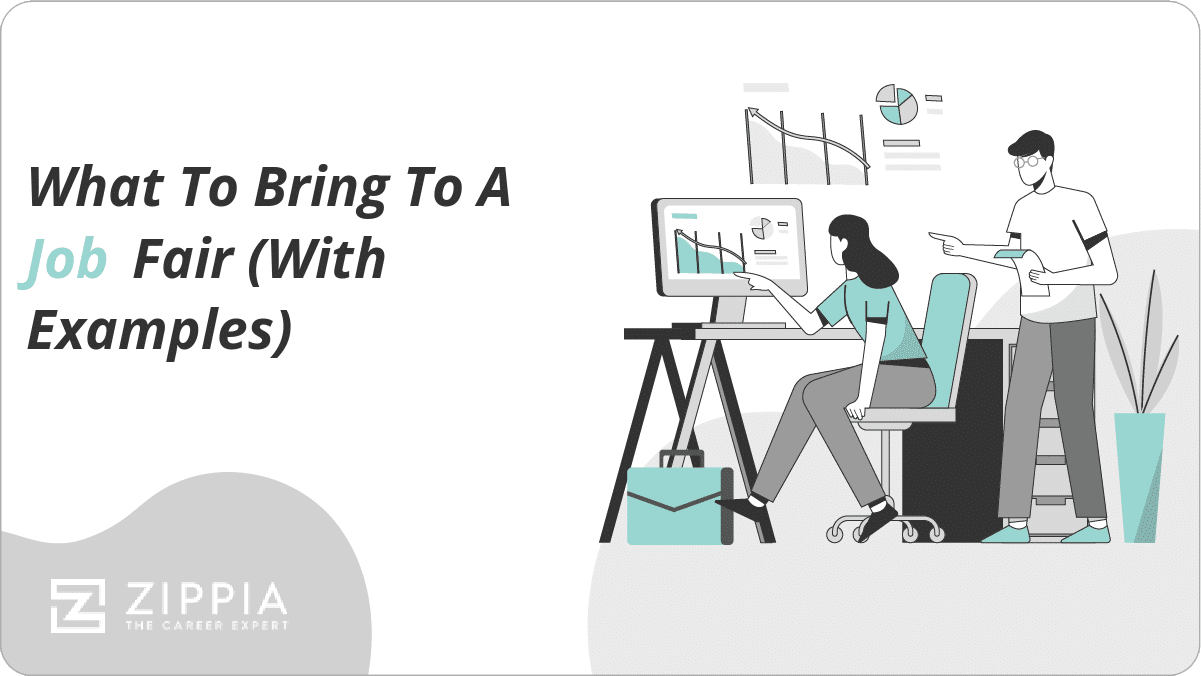
Job fairs remain one of the most effective avenues for job seekers to explore potential employment opportunities and engage in direct interviews with organizations actively seeking talent. These events allow you to not only discover the companies that are hiring but also to showcase your skills and make a positive impression on recruiters.
However, it’s crucial to recognize that job fairs can attract hundreds of eager job seekers, many of whom may be vying for the same positions as you. Therefore, understanding how to make a memorable first impression and effectively network after the event is essential to your success.
Preparing for a job fair doesn’t have to be overwhelming. Below, we outline the key items you should understand and gather before attending your next job fair.
Key Takeaways:
-
Bring multiple copies of your resume, including targeted versions tailored for specific companies, alongside writing materials and a bag to carry your items.
-
Prepare an elevator pitch and practice it beforehand to ensure you can succinctly present yourself.
-
Dress in professional business casual attire suitable for the event’s environment and climate.
-
Research the companies attending the fair in advance to be more prepared and strategic with your interactions.
What Is a Job Fair?
A job fair, also known as a career fair, is an event where companies and organizations come together to connect with job seekers. While these events often feature a variety of positions, entry-level roles are frequently highlighted.
Career fairs are an efficient way to link employers with potential employees. They provide attendees the opportunity to network with prospective employers, engage with other professionals, and inquire about job openings. Employers benefit by reaching a large pool of candidates and sharing insights about their company culture and job expectations.
At these events, organizations typically set up booths to promote their openings, offering literature and collecting candidate information for follow-up. You can engage in discussions about their opportunities and ask questions about the roles available.
What to Bring to a Job Fair
When attending a job fair, there are several essential items to consider bringing along. Below are key details about each item you should pack.
-
Copies of your resume. This document is your primary asset during the fair, providing potential employers with a snapshot of your work history and skills. By leaving a copy with employers, you enhance your chances of being remembered and contacted later.
-
Targeted resumes. Tailoring your resume for specific companies can significantly increase your chances of standing out. Understand the companies attending and customize your resume to align with their job openings, making it more likely to attract their attention.
-
Elevator pitch. Your elevator pitch is a succinct way to present who you are, your career objectives, and how you can fulfill the job requirements. Given the limited time with each recruiter, having this prepared is crucial for being memorable and effective.
-
Professional portfolio. Depending on your field, you may want to showcase a professional portfolio. If it’s digital, consider creating business cards with a link to your online portfolio, allowing recruiters to review your work without needing to carry heavy materials.
-
Notepad and writing materials. Bring along a notepad and pen to take notes after visiting each booth. Jot down key takeaways about the companies, your impressions, and any follow-up actions you may need to take.
-
Change of clothes. If necessary, consider packing a change of clothes, especially if traveling from a distance or if weather conditions require it. Feeling fresh and confident can make a significant impact as you enter the job fair.
-
Application preparation information. Be ready to fill out job applications, which may require details about your previous employment, references, and other pertinent information.
How To Prepare For a Job Fair
Preparation can greatly enhance your experience and success at a job fair. Here are some tips to consider:
-
Get a list of attending companies. If available, obtain a list of companies participating in the job fair. Prioritize those that interest you to ensure you make the most of your time. This also allows you to do your homework about the companies before your conversations.
-
Pack effectively. Choose a comfortable bag that isn’t bulky, allowing you to move freely. Include a folder for your resumes and any materials you receive at the event. Aim to bring at least 20 copies of your resume, along with pens and a notebook for notes.
-
Dress appropriately. Opt for business casual attire that is both professional and comfortable. Ensure that your clothing is suitable for the climate and that your shoes allow for extended walking and standing.
-
Prepare your materials. Ensure your resume is updated and relevant to the companies you plan to visit. Practice your elevator pitch and be ready for potential questions from recruiters to demonstrate your qualifications.
How to Introduce Yourself at a Job Fair
Once at the fair, it’s important to effectively introduce yourself. Here are some tips to help you make a strong impression:
-
Body language. Make a positive first impression by smiling, maintaining eye contact, and offering a firm handshake. Stand tall and avoid appearing disorganized or disengaged.
-
Approach recruiters individually. Even if attending with someone else, approach the recruiters’ booths on your own to convey confidence.
-
Greet with key information. When meeting a recruiter, introduce yourself with a greeting, your name, and your affiliation. For example, “Hello, I’m Lara Martin, a recent graduate of Penn State University, and I’m interested in the Marketing Manager position. Would you like to see my resume?”
Tips for Attending Your Career Fair
Once inside, the variety of employers and opportunities can be overwhelming. Here are some strategies to navigate the event effectively:
-
Conduct thorough research. Beyond just getting the list of companies, delve deeper into the positions they are offering and what recruiters are looking for, enhancing your preparedness for conversations.
-
Choose relevant fairs. Attend job fairs that align with your career aspirations and interests. Make sure the companies present are relevant to your goals to maximize your time and efforts.
-
Follow up diligently. After the fair, organize your notes and follow up with recruiters you spoke with about opportunities that interest you. This is where those notes come in handy. Sending a thank-you note or email can reinforce your professionalism and keep your name fresh in their minds.
Job Fair FAQ
-
How do I make a good impression at a job fair?
To make a good impression at a job fair, be prepared, confident, and professional. Similar to a job interview, it’s vital to present yourself as capable and composed.
Research the companies attending and note which ones you wish to engage with. Familiarity with their operations will enhance your conversations and demonstrate your interest.
Bring multiple resumes printed on quality paper and prepare questions to engage recruiters. Consider identifying specific job openings to tailor your discussions and resumes accordingly.
Practice your elevator pitch to introduce yourself effectively. Once at the fair, walk with confidence, offer a firm handshake, and maintain eye contact.
Organizing your materials beforehand will help you stay composed and professional.
-
What do you wear to a job fair?
Wear comfortable, professional clothing to a job fair. Business casual is usually a safe choice, but prioritize comfort as you may be on your feet for extended periods.
Select shoes that are comfortable to walk in and avoid clothing that may cause wardrobe malfunctions. Layer your outfit to adapt to changing temperatures at the event.
Choose clothing that you feel confident in and that represents you well. Being well-groomed is essential, so ensure your hair and appearance are tidy.
For women, consider natural makeup and subtle jewelry, and use fragrance sparingly.
-
What should I expect at a job fair?
At a job fair, expect to engage with numerous recruiters from various organizations. Each company will have a booth staffed by representatives, typically general recruiters or sometimes department-specific personnel.
You’ll have the opportunity to move between booths, discussing the companies, their available positions, and your skills.
Be proactive in passing out your resume and portfolio, even if there are no immediate openings that fit your profile. This can keep you on the recruiters’ radar for future opportunities.
The event is typically time-limited, so prioritize visiting the companies you’re most interested in and use any spare time to explore additional options.
-
Yes, job fairs are valuable. They provide an opportunity for low-pressure, face-to-face interactions with representatives from multiple companies, a unique experience not often available.
These events allow you to introduce yourself personally and learn more about the organizations, helping you assess if they align with your career goals.
Arrive with copies of your resume to possibly apply for positions on the spot. Even if your qualifications don’t match current openings, submitting your resume keeps you in consideration for future roles.
While job fairs can be beneficial, ensure that the companies represented align with your career interests to make the most of your time.
-
What should I know about a company before a job fair?
Understand what a company does, the open positions it has, and what it seeks in candidates.
While you can attend without extensive research, being knowledgeable about specific companies can significantly enhance your interactions.
This background will prepare you to treat conversations with recruiters more like interviews, equipping you with the right questions and a clearer understanding of how your skills align with their needs.
Having thoughtful questions prepared can demonstrate genuine interest and ensure that recruiters remember you when reviewing resumes later.
If time is limited for research, ensure that you at least target a few companies that fit your career aspirations to maximize your time at the fair.
- Job Application Tips
- About Me Page
- Answering Machine Messages
- What To Bring To A Job Fair
- Free Job Posting Sites
- Email Sign Offs
- Job Scams
- How Long Does It Take To Become A Doctor
- How Long Does It Take To Become A Vet
- Government Programs That Help Felons Get Jobs
- How Long Does It Take To Become A Dentist
- Relocation
- Job Search Spreadsheet
- Right To Work States
- How To Research A Company
- How To Change Careers
- What To Do If You Have No References
- Working For a Big Company Vs. A Small Company
- Writing Sample Format
- How Long Should A Writing Sample Be
- How To Get A Job Fast
- How Many Jobs Should I Apply For

Author

Caitlin Mazur is a freelance writer at Zippia. Caitlin is passionate about helping Zippia’s readers land the jobs of their dreams by offering content that discusses job-seeking advice based on experience and extensive research. Caitlin holds a degree in English from Saint Joseph’s University in Philadelphia, PA.