Find a Job You Really Want In
In today’s evolving work landscape, formal or business formal attire remains relevant but is increasingly being supplanted by the more relaxed standard known as business casual. This more approachable dress code is now the norm across various professions.
This article clarifies what business casual entails and offers key guidelines for dressing appropriately in modern workplaces. Whether you’re navigating your office’s dress code or aiming to enhance your professional image, you’ll find useful insights here. Below are foundational guidelines on suitable business attire for both women and men.
Key Takeaways:
-
Business casual dress codes are common in environments where employees frequently interact with clients and customers.
-
Consult your employee handbook for specific dress code policies or check the company website before attending an interview.
-
Observe your colleagues’ attire to gauge acceptable office wear.
-
Avoid overly casual items such as ripped jeans, tank tops, and flip flops.
What Is Business Casual?
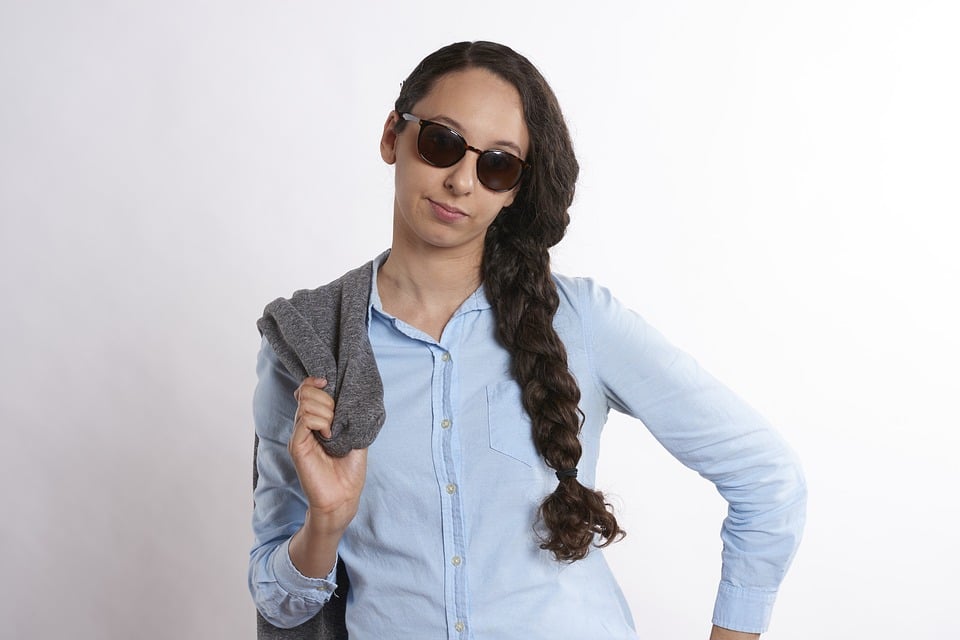
The term “business casual” represents a middle ground between casual and traditional business attire, embodying a polished yet comfortable look. It’s a step down from formal suits but a step up from casual wear like jeans and graphic tees.
The definition of “business casual” can vary significantly depending on the business environment, your role, and the company culture. Pay attention to how employees dress in your organization and industry to make informed choices.
If your workplace is more traditional, or if you regularly interact with clients (in-person or via video), it’s wise to opt for more formal attire. Conversely, in a laid-back environment with minimal client interaction, you can lean toward more casual options.
Always check if there is an office dress code, and use it as a guideline for your outfit choices.
Basics of Grooming
Before diving into outfit choices, start with good grooming. Neatness and cleanliness are foundational to any professional dress code. Ensure you follow these grooming habits:
-
Wear clothes that are clean, well-fitted, and ironed.
-
Avoid clothing with stains or holes.
-
Maintain personal hygiene, including regular showering and deodorant use.
-
Groom facial hair or keep it clean-shaven.
-
Opt for light, natural makeup or a clean face.
-
Keep nails clean and trimmed.
-
Ensure hair is styled neatly.
Business Casual Dress for Men and Women
In today’s diverse work environments, there are numerous styles to express individuality while adhering to a professional dress code. This section outlines options for all genders.
We provide a variety of ideas to help you navigate professional etiquette concerning attire.
Below are suggestions for traditionally feminine and masculine clothing. Feel free to mix and match styles to find what works best for you.
Feminine Business Casual Clothing
-
Tops:
-
Blouses and loose-fitting dress shirts.
-
Sleeveless tops layered with outerwear.
-
Turtlenecks, mock necks, and cowl neck sweaters.
-
Professional knee-length or midi dresses.
-
-
Bottoms:
-
Pencil skirts, a versatile business casual staple in various fabrics.
-
Neutral or dark jewel-toned midi skirts.
-
Khaki pants.
-
Straight or tailored trousers.
-
-
Outerwear: Layering outerwear is stylish and practical, especially in colder months.
-
Cardigans in seasonal colors.
-
Fitted blazers.
-
Cinched vests.
-
Tailored jackets.
-
Peacoats.
-
-
Shoes:
-
Ballet flats (with “no show” socks or hosiery).
-
Heels under five inches.
-
Oxfords.
-
Mules.
-
-
Accessories:
-
Neutral-colored hosiery.
-
Minimal jewelry such as stud earrings, simple necklaces, and tasteful rings.
-
Scarves in solid colors, simple patterns, or plaid.
-
Skinny belts.
-
Masculine Business Casual Clothing
Here are some masculine clothing options suitable for business casual settings:
-
Tops:
-
Long or short sleeve button-up shirts in plain colors or subtle prints.
-
Polo shirts, dressed up with sport coats.
-
Dress shirts (typically worn without a tie).
-
Seasonal solid sweaters layered over button-ups.
-
Solid color t-shirts (when paired with outerwear).
-
-
Bottoms:
-
Slim or tailored fit dress pants.
-
Slacks in dark neutral or subdued plaid.
-
Chinos.
-
Khakis.
-
Well-tailored dark wash jeans (paired with dress shirts).
-
-
Shoes: Choose black or brown leather or high-quality faux leather shoes.
-
Oxfords (consider suede for a stylish alternative).
-
Brogues.
-
Formal boots.
-
Loafers.
-
-
Outerwear: Layering outerwear with business casual tops adds style, especially in colder months.
-
Structured jackets.
-
Sport coats.
-
Cardigans.
-
-
Accessories:
-
Belts matched to shoes.
-
Watches.
-
Ties can be worn in a business casual context when paired with jeans.
-
What Not to Wear for Business Casual Attire
While experimenting with styles is encouraged, there are several items best avoided to maintain professionalism:
-
Crop tops or spaghetti-strapped tops.
-
Graphic tees or tops with writing.
-
Sportswear.
-
Shorts or skirts that do not reach at least knee-length.
-
Cargo shorts.
-
Leggings worn alone as pants.
-
Distressed jeans.
-
Sneakers.
-
Flip flops.
-
Heavy makeup.
Additionally, choose colors wisely. Avoid overly bright or neon shades unless they are minor accents in your outfit. Mismatched colors can be distracting; use a color wheel to help with pairing choices.
Business Casual for Job Interviews
When preparing for job interviews, it’s crucial to dress more formally than you would for the position. While being overly formal can sometimes be seen as a faux pas, dressing too casually is almost always a mistake.
First impressions count, and casual attire may suggest a lack of seriousness about the position.
If possible, obtain a copy of the company’s dress code prior to your interview. Even in a business casual environment, aim for a more polished look during interviews—consider wearing a tie or a suit jacket and avoiding extremely casual items like jeans and t-shirts.
Other general interview dressing tips include being mindful of accessories and non-clothing items. Avoid unprofessional bags and overpowering scents.
This guidance also applies to college admissions interviews and career fairs. A polished business casual look demonstrates professionalism and readiness.
Business Casual in the Workplace Tips
Beyond clothing options, consider these tips for developing and maintaining a business casual wardrobe:
- Follow the crowd. Workplace culture often shapes how employees dress. Observe how others present themselves, especially if you’re new. It’s wise to gauge what business casual means for your specific workplace before overhauling your wardrobe.
- Be consistent. Sudden shifts from casual to formal attire can be jarring. Establishing a consistent look fosters dependability and stability. Even on casual days, aim for attire that remains appropriate for client interactions.
- Think about your day. On days with important meetings or presentations, lean toward a more formal approach. Consider your audience; if your company has a relaxed dress code but you’re meeting with a more traditional organization, opt for professional attire.
- Beware of casual Fridays. Not all companies participate in casual Fridays. Confirm with coworkers what is acceptable attire, and if unsure, seek approval from a colleague or supervisor.
Business Casual Attire FAQ
-
Why do companies have business casual dress codes?
Organizations implement dress codes to create uniformity and communicate specific messages to employees and external stakeholders. Safety and industry standards also influence dress code decisions. A business casual dress code allows employees flexibility while signaling a serious work environment, often conveying creativity and warmth compared to formal attire.
-
What do you wear when there’s no dress code policy?
Without a dress code, determining appropriate attire can be challenging. When starting a new job, it’s best to dress more formally and observe colleagues’ outfits. Avoid arriving in overly casual clothing. A good rule is to “dress for the job you want,” using senior staff’s attire as a guide. Be mindful that these tips apply chiefly to conventional American workplaces; dress expectations may differ in specialized industries, particularly those in fashion or beauty.
-
Are jeans considered business casual?
Clean, non-distressed denim is generally acceptable in business casual attire. Always verify with the dress code or colleagues before wearing jeans. Opt for darker washes, and elevate your outfit with a polished shirt and jacket.
Final Thoughts
Dressing professionally has become significantly more comfortable for many employees. Traditional business suits are giving way to versatile options like sweaters, blouses, polo shirts, and cardigans.
While most individuals appreciate the relaxed nature of business casual, it can sometimes be unclear what constitutes appropriate office attire. Refer to our guide for clothing options and tips on understanding your company’s interpretation of business casual, setting you on a path toward a modern and professional wardrobe.

Author

Chris Kolmar is a co-founder of Zippia and the editor-in-chief of the Zippia career advice blog. He has hired over 50 people in his career, been hired five times, and wants to help you land your next job. His research has been featured on the New York Times, Thrillist, VOX, The Atlantic, and a host of local news. More recently, he's been quoted on USA Today, BusinessInsider, and CNBC.