Find a Job You Really Want In
Summary. Generally, you are not eligible for unemployment benefits if you voluntarily quit your job unless you have a valid reason for doing so. Acceptable reasons for quitting may include workplace harassment, discrimination, medical issues, or family-related concerns.
While the eligibility for unemployment benefits after quitting varies from state to state, there are specific exceptions for those who resign for valid reasons. This article will explore circumstances under which you may qualify for unemployment after leaving your job, provide strategies to enhance your chances of approval, and discuss the appeals process if your initial claim is denied.
Key Takeaways:
-
Typically, if you quit your job, you are not eligible for unemployment benefits unless there is a valid reason for your departure.
-
Common reasons for leaving a job include medical issues, family responsibilities, and domestic violence.
-
To improve your chances of a successful claim, attempt to resolve any workplace issues, document your experiences, and seek legal advice if possible.

How to Get Unemployment if You Quit Your Job
Unemployment benefits are designed to support individuals as they transition between jobs.
-
States typically reserve these benefits for individuals who are laid off or terminated without cause.
For example, if a company implements layoffs or terminates an employee for reasons unrelated to misconduct.
-
Most states provide unemployment benefits for a specified duration, usually around 26 weeks. During this time, recipients are expected to actively seek new employment and be ready and available to work.
In most cases, individuals who voluntarily resign from their jobs are not eligible for unemployment benefits. However, exceptions exist for those who leave for valid reasons.
What Is Good Cause for Quitting Your Job?
Good cause for leaving a job is typically assessed on a state-by-state basis. However, there are common scenarios where a valid reason can be established. Generally, good cause is defined as significant, unresolvable issues at the workplace that compel an employee to resign.
Here are examples of what may constitute good cause for quitting:
-
Constructive discharge. If your work environment would compel a reasonable person to resign, this could be viewed as constructive discharge.
Examples of constructive discharge include:
-
Harassment. Experiencing harassment, whether sexual or otherwise, is generally accepted as valid grounds for resignation.
-
Discrimination. A work environment characterized by discrimination can be considered a valid reason for quitting.
-
Unsafe work conditions. If you have a reasonable belief that your health and safety are at risk, this is a justifiable reason to leave.
-
Illegal activities. Employers cannot require employees to engage in illegal activities, such as falsifying records or violating regulations.
-
Lack of pay. Failure to receive payment or an irregular payment schedule is a legitimate reason for resignation.
-
Change in job duties. If your role significantly deviates from your original job description, this can warrant a resignation.
-
Change in hours. A reduction from full-time to part-time status that affects your income may also justify quitting.
-
-
Medical reasons. Quitting due to a medical condition, injury, or disability may qualify you for benefits in many states. Some states may require that the medical issue relates to your job (e.g., a work-related injury).
If you need to leave work to care for a family member with medical issues, some states may allow for unemployment benefits.
-
Family reasons. If your spouse is relocated for work, many states consider this valid grounds for resignation. This is particularly relevant for military spouses, who often have no say in their partner’s assignments. However, if the move is voluntary or a result of your spouse’s choice, you may not qualify. Additionally, if you cannot secure adequate childcare, some states may recognize this as a valid reason to quit.
-
Transportation issues. This applies mainly if your employer relocates, making your commute unreasonable. If commuting becomes excessively costly or time-consuming, some states may agree that you had good cause to resign.
-
Domestic violence. Relocating due to domestic violence is typically recognized as valid grounds for quitting, and most states will extend unemployment benefits in such cases.
It’s important to note that each state may have different criteria. Generally, constructive discharge is widely accepted as good cause across states due to its direct connection to the workplace environment.
Some states may offer broader interpretations of good cause, allowing more personal reasons for quitting. Before making a final decision to resign, consult your state’s unemployment office to determine if your situation qualifies as “good cause.”
Filing Your Claim: How to Maximize Your Chances of Success
Understanding what constitutes good cause in your state is just the first step in applying for unemployment benefits. You also need to take specific actions before and after you resign to enhance your claim’s likelihood of approval.
-
Attempt to resolve the issue. Before quitting, try to address the issue that is prompting your resignation. For example, if unsafe conditions are the reason for your departure, discuss these with your manager and provide them a chance to rectify the situation.
If your reason for quitting is harassment or discrimination, it’s crucial to file a formal complaint with HR or a relevant authority, as this documentation will support your claim later.
-
Request a leave of absence. If personal issues, such as medical problems or childcare issues, are motivating your resignation, consider asking for a leave of absence first. Even if you suspect your request will be denied, it demonstrates that you attempted to resolve the situation before quitting.
-
Document everything. Keep records of all efforts made to resolve issues and any requests for leave.
-
Save all emails and messages related to your requests. For unsafe working conditions, document specific hazards with photographs.
-
Keep copies of any complaints filed with regulatory agencies like OSHA. Retain emails that highlight discriminatory behavior or illegal actions. Document any significant changes to your job duties compared to your original description.
-
If resigning for medical reasons, obtain and retain documentation from your healthcare provider, outlining your condition and its impact on your work ability.
-
For domestic violence situations, obtaining a restraining order can serve as important evidence.
Your goal with documentation is twofold: to demonstrate the validity of your reason for quitting and to show that you made every effort to resolve your issues with your employer.
-
-
Seek legal counsel. While this article provides general guidance, only a legal expert familiar with your state’s employment laws can give you tailored advice. Even a brief consultation can clarify your options.
-
Apply for unemployment. Submit your unemployment claim right after resigning, even if you’re unsure of its acceptance. The timing of your application is crucial, as benefits may be backdated to your resign date if your claim is later approved.
-
Attend a hearing. Some states automatically arrange hearings for unemployment claims, while others may require you to request one. Many states now offer the option of phone hearings.
-
Bring evidence. During your hearing, present all documentation gathered. If your hearing is conducted via phone, ensure you have copies ready to be sent via fax or mail.
-
Prepare a statement. Prior to your hearing, draft a clear statement outlining the reasons for your resignation to help you stay focused during the proceedings.
-
File your appeal. If your initial claim for unemployment benefits is denied, you can file an appeal. The process and deadlines vary by state, so contact your state’s unemployment office for specific information.
-
Attend your appeal hearing. If your appeal is scheduled, be prepared to present any additional evidence. Depending on the state, you may have options for further appeals after an initial denial.
How to Quit Your Job Professionally
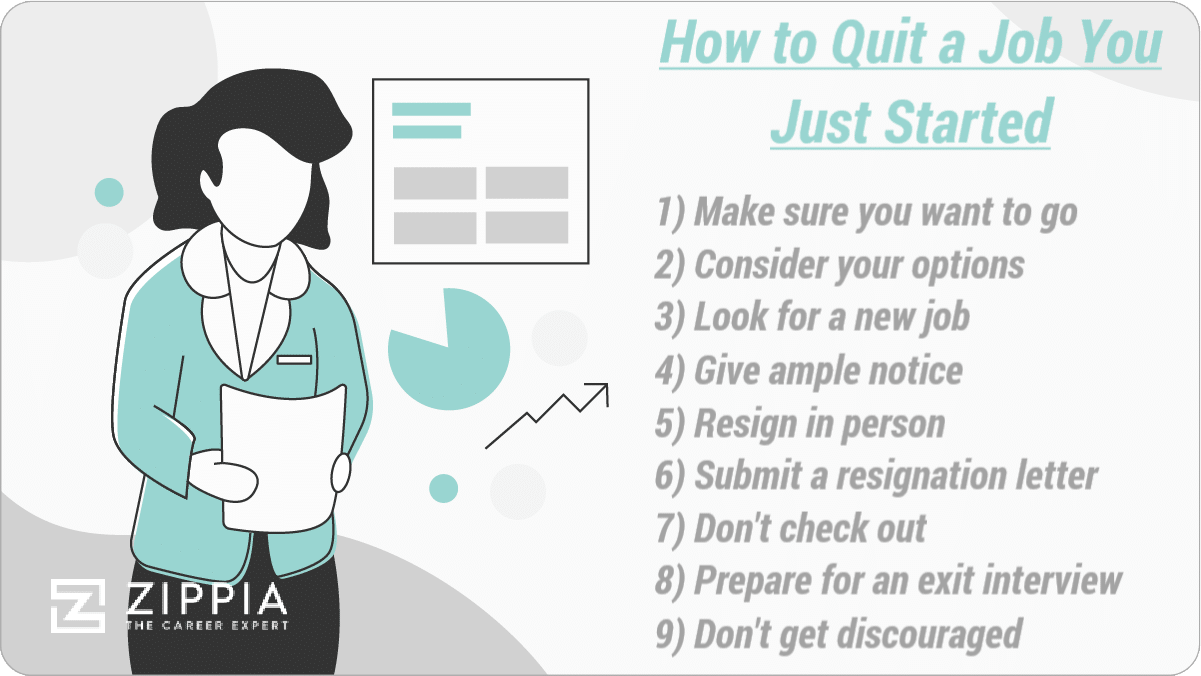
While we discussed the steps leading up to your resignation, it’s equally important to ensure you leave your job on good terms. Follow these steps to resign professionally:
-
Speak with your boss. It’s advisable to have a conversation with your manager before submitting your resignation in writing or informing colleagues. You may choose to present your resignation letter during this meeting or send it afterward. This candid discussion is essential.
You don’t need to disclose every detail about your reasons for leaving, and mentioning your unemployment claim is not necessary. However, if you’re resigning for valid reasons, your manager may have an inkling of the underlying issues.
-
Provide two weeks’ notice. Unless your situation necessitates immediate resignation due to unsafe conditions, aim to give your employer sufficient notice. This allows your boss to begin the search for your replacement. Offering assistance during the transition can also leave a positive impression.
-
Draft a resignation letter. Your resignation letter should clearly state your position, your intent to resign, and your final workday. Express gratitude for the opportunity and any willingness to help during the transition.
While generally it’s advisable not to detail your reasons for quitting in your letter, alluding to significant factors can be beneficial when applying for unemployment.
-
Be prepared to leave. If there are tensions surrounding your resignation, be ready for the possibility of being asked to leave immediately after informing your boss. Ensure that your workspace is organized and that you can return any company property promptly.
If you’re not asked to leave immediately, strive to maintain a strong work ethic during your final weeks. Going the extra mile will help you leave a lasting, positive impression.
-
Avoid common mistakes. Refrain from speaking negatively about colleagues or the company, and avoid sharing your resignation plans with coworkers before notifying your boss. Even if the situation is unfavorable, focus on the behavior or circumstances leading to your resignation rather than individuals.
While it may be tempting to discuss your potential resignation with HR to document issues, ensure that it’s a formal dialogue and not casual chatter.
Unemployment and Quitting FAQ
-
Is it better to quit or get fired?
Quitting can be better for your professional reputation compared to being terminated. When you resign, there’s a chance to negotiate severance and secure a positive reference. Additionally, you can present your perspective to potential employers rather than allowing them to assume the worst. However, quitting may lead to losing your right to claim unemployment benefits.
-
What is unemployment?
Unemployment refers to individuals actively seeking work but currently without a job. The Bureau of Labor Statistics (BLS) defines unemployment as individuals who do not have a job but are available for work and have actively sought employment in the past four weeks.
-
Can I quit without giving two weeks’ notice?
Yes, you can resign without providing two weeks’ notice. There are no federal or state laws mandating notice before leaving a job. However, quitting without notice may breach an employment contract and could have legal ramifications, so check your contract before deciding.
-
Can I quit my job due to mental health reasons?
Yes, you can resign for mental health reasons. If your employer fails to accommodate your needs or if you are unable to continue working due to mental health concerns, resigning may be the best course of action.
Final Thoughts
Deciding to leave your job is a significant decision. However, knowing that unemployment benefits may be available while searching for new opportunities can alleviate some concerns. Regardless of your eligibility for benefits, it’s crucial to adhere to professional protocols when resigning.
This includes exploring alternative options within your current organization, such as flexible schedules, remote work opportunities, or changes in responsibilities.
Providing two weeks’ notice is also advisable to prevent damaging relationships and to secure future references. A well-crafted resignation letter can help clarify your intentions and maintain your professionalism.
Furthermore, mentioning your reasons for leaving in your resignation letter may enhance your chances of successfully claiming unemployment benefits.
Ultimately, strive to end your relationship with your employer on a positive note. Even if your unemployment claim involves challenging issues, maintaining professionalism can only serve you well in the long run.
References
-
U.S. Bureau of Labor Statistics – How the Government Measures Unemployment

Author

Matthew Zane is the lead editor of Zippia's How To Get A Job Guides. He is a teacher, writer, and world-traveler that wants to help people at every stage of the career life cycle. He completed his masters in American Literature from Trinity College Dublin and BA in English from the University of Connecticut.