- Parts Of A Resume
- How To Write A Resume
- Resume Skills Section
- Resume Objective Section
- Career Objective Section
- Resume Reference Section
- Resume Summary Section
- Resume Summary Example
- Resume Interests Section
- Address On Resume
- Relevant Work Experience
- Anticipated Graduation Date On Resume
- Education Section On Resume
- Contact Information On Resume
- Statement Of Qualifications
- How To List Publications On Resume
- Accomplishments On Resumes
- Awards On Resume
- Dean's List On Resume
- Study Abroad On Resume
Resume objectives are often one of the most underrated components of an impactful resume.
While not every resume needs an objective, those that truly benefit from one often overlook its inclusion.
This can be problematic when hiring managers skim through resumes and lose interest halfway through yours.
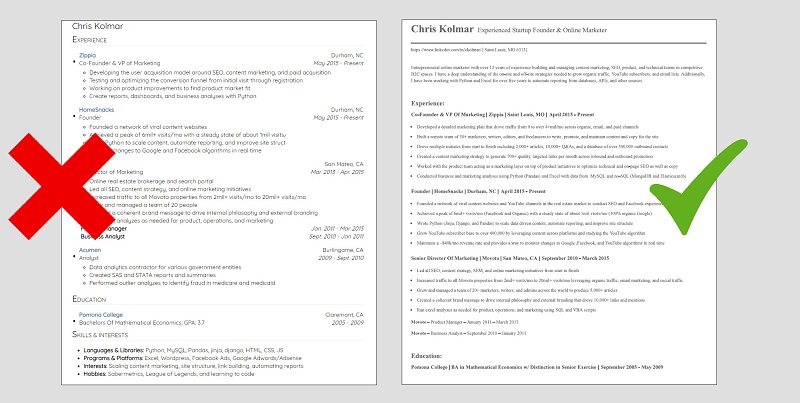
Your resume should grab attention and communicate your value clearly — if you find this challenging, adding a resume objective is a smart move.
But how do you craft an effective one?
Don’t worry — your trusted resources at Zippia have created a guide to assist you in this process.
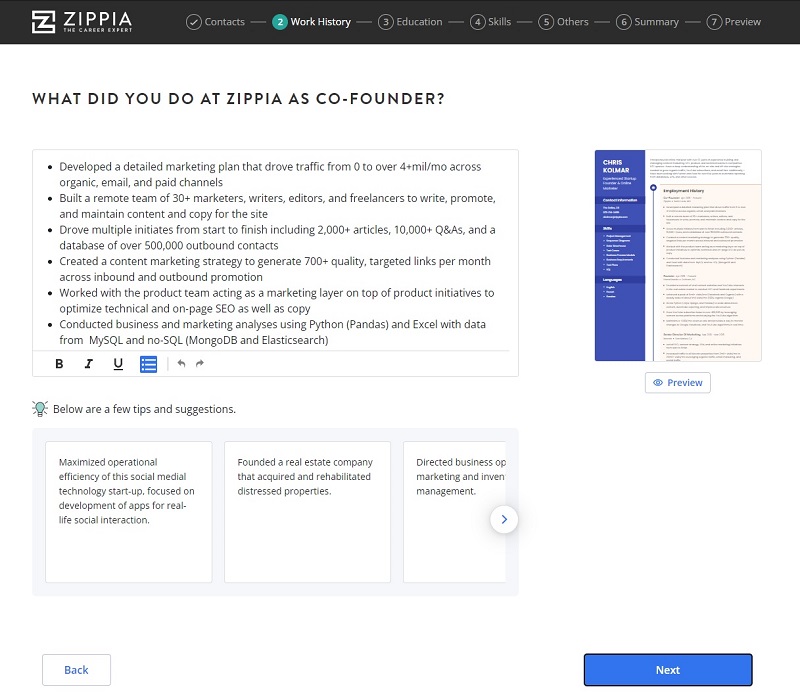
Want to streamline your resume creation in just 5 minutes? Try our resume builder. It’s quick and user-friendly, plus you’ll receive ready-to-use content with a single click. Explore 10+ resume templates and start crafting your resume here.
One user, Diana, shared her experience:
I received guidance on how to create a detailed and professional resume using Zippia, and I was able to download it with unlimited access to all features.
What Is a Resume Objective?
In simple terms, a resume objective is a statement outlining your desired outcome upon submitting your application. Traditionally, career objectives communicated your long-term goals to hiring managers, showcasing what you hoped to gain from the job. The key is to present this information in a concise, memorable way, allowing them to quickly grasp who you are and what you bring to the table.
Your primary goal is likely straightforward: to secure the job.
Indeed, resume objectives serve that fundamental purpose, but crafting one can require more thought than you might expect.
How to Write a Resume Objective Statement
Today’s employers are increasingly focused on their own needs, rather than solely on yours.
They’ll be sifting through numerous resumes, and the first thing they notice on each is the career objective. If it’s present, this section will be the primary focus for the recruiter as they determine whether to continue reviewing your application.
Here are key points to consider when writing your resume objective statement:
- Highlight what you can offer the employer — while it’s important to express what you seek, frame your objective to emphasize the value you bring to the organization.
- Be specific — a vague statement serves little purpose. Keep your objective concise and relevant.
- Customize your objective for each job application — using the same objective for every position is a missed opportunity to align your experiences with the unique needs of each role.
Update Your Resume Now To Land Your Next Job Faster
Career Objective Examples
Your objective statement should reflect your genuine goals while considering the perspective of the employer you’re targeting.
To assist you, here are several examples of career objective statements tailored to different types of workplaces:
Seeking a position with an environmentally-conscious organization to expand my understanding of how my role can contribute to sustainability initiatives.
To deepen my application of problem-solving skills within a specialized context in my field.
To refine my professional skills in a dynamic team-focused environment.
What to Consider for Your Resume Objective Statement
As you refine your approach, remember:
When contemplating whether to include a resume objective, consider the alternative: a resume summary statement.
Instead of detailing what you hope to achieve, summarizing your qualifications in a few concise sentences can often be more impactful.
Note that while these options serve different purposes, reviewing resumes relevant to your industry will help clarify expectations for your specific job.
Wishing you the best in your job search!
- Parts Of A Resume
- How To Write A Resume
- Resume Skills Section
- Resume Objective Section
- Career Objective Section
- Resume Reference Section
- Resume Summary Section
- Resume Summary Example
- Resume Interests Section
- Address On Resume
- Relevant Work Experience
- Anticipated Graduation Date On Resume
- Education Section On Resume
- Contact Information On Resume
- Statement Of Qualifications
- How To List Publications On Resume
- Accomplishments On Resumes
- Awards On Resume
- Dean's List On Resume
- Study Abroad On Resume

Author

Ryan Morris was a writer for the Zippia Advice blog who tried to make the job process a little more entertaining for all those involved. He obtained his BA and Masters from Appalachian State University.