By clicking Download, you agree to Zippia’s Privacy Policy and Terms of Use.

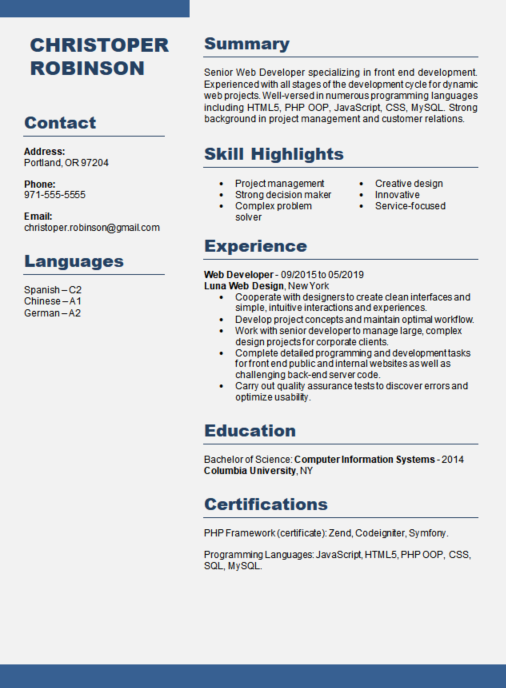
By clicking Download, you agree to Zippia’s Privacy Policy and Terms of Use.

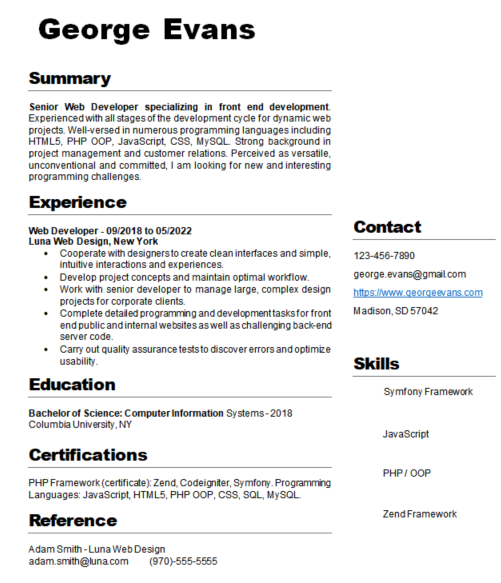
By clicking Download, you agree to Zippia’s Privacy Policy and Terms of Use.

A Curriculum Vitae (CV) is a crucial document that comprehensively outlines your academic and professional achievements. It serves as a detailed overview of your educational background, work experience, skills, achievements, and other relevant qualifications, making it an essential tool in today’s competitive job market.
How to Create a CV
Creating an effective CV involves several key steps to ensure it presents your qualifications clearly and professionally. Here are the steps:
-
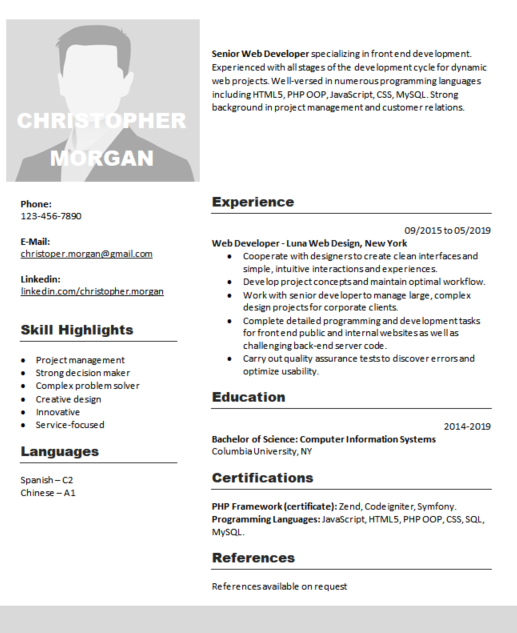
Begin with your personal information, including your full name, contact details, and professional title.
-
Write a concise personal profile that summarizes your professional identity, skills, and what you can offer to potential employers.
-
List your educational background in reverse chronological order, starting with the most recent qualifications.
-
Detail your work experience, including job titles, employer names, and key responsibilities or achievements in each role, also in reverse chronological order.
-
Include any relevant skills, certifications, publications, or additional sections that enhance your CV.
-
Thoroughly proofread your CV to eliminate errors and ensure it maintains a polished, professional appearance.
How to Utilize a CV Template
A CV template can simplify the process of crafting your CV. Here’s how to effectively use one:
-
Choose a CV template that aligns with your career field and is both professional and easy to navigate.
-
Follow the template’s structure, replacing placeholder text with your personal information, experiences, skills, and qualifications.
-
Modify the template as needed to fit your specific needs; not all sections may be relevant to your situation.
-
Ensure consistent formatting throughout your CV and meticulously check for grammatical and spelling errors.
-
Review your completed CV to confirm it effectively communicates your career narrative and qualifications.
CV FAQ
-
What is the primary purpose of a CV? The primary purpose of a CV is to provide detailed insights into your career journey, acting as a marketing tool to showcase your skills, experience, and knowledge to prospective employers.
-
How long should a CV be? In the United States, a CV typically ranges from 2 to 3 pages, offering a comprehensive overview of your academic and professional journey. In Europe, it is often condensed to a single page, acting more like a job-specific resume. However, the length can vary based on your experience and relevant details.
-
What is the difference between a CV and a resume? A CV is generally longer and more detailed, providing an extensive overview of your career, education, and accomplishments. In contrast, a resume is a concise 1-2 page document that highlights skills and experiences relevant to a specific position. Both are commonly used in job applications.
-
Should I include references in my CV? Generally, you should not include references in your CV unless specifically requested. It’s acceptable to state, “References available upon request,” as most employers assume you will provide them when asked. This practice is becoming less common, as employers expect candidates to have references readily available.

Author

Matthew Zane is the lead editor of Zippia's How To Get A Job Guides. He is a teacher, writer, and world-traveler that wants to help people at every stage of the career life cycle. He completed his masters in American Literature from Trinity College Dublin and BA in English from the University of Connecticut.