Find a Job You Really Want In
Impact of Job Losses in Education Across States
In recent years, the education sector has faced unprecedented challenges that have significantly altered the landscape of educational employment. As we move into 2026, it’s essential to highlight the ongoing impact of these shifts on educational institutions and the workforce.
With ongoing discussions about educational reforms, funding, and the evolving needs of students, it’s crucial to recognize the essential roles played by teachers, janitors, support staff, and other faculty members. Many states have made budget cuts that have adversely affected educational jobs, leading to workforce reductions in schools.
As states grapple with resource allocation, a considerable number of educational roles—including teachers, cafeteria workers, janitors, teacher assistants, administration, bus drivers, and other support staff—have been eliminated. These cuts have created challenges in maintaining cleanliness and ensuring a conducive learning environment.
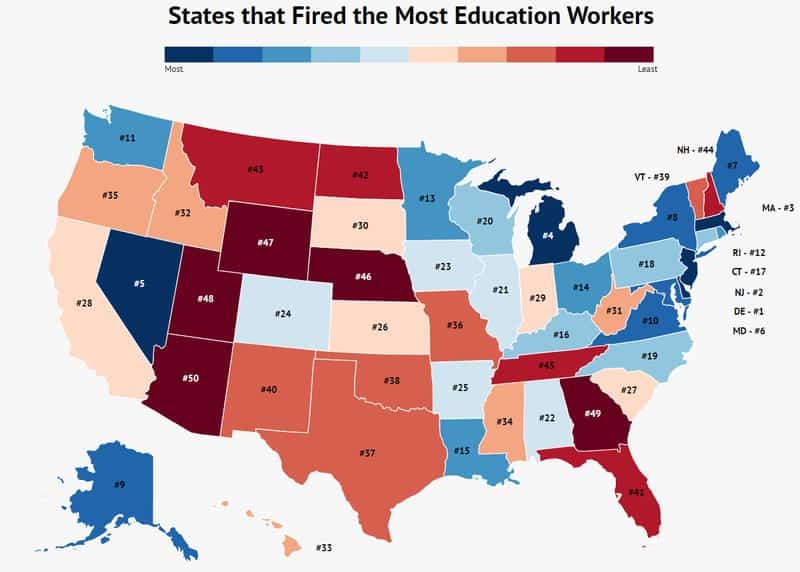
Here, we explore the ten states that have experienced the most significant decreases in educational jobs.
These states have witnessed substantial declines in their educational workforces, leading to challenges in effectively managing classroom sizes and ensuring safety measures are upheld.
Analysis Methodology
Utilizing data from the Bureau of Labor Statistics (BLS), we identified the states with the largest downturn in educational jobs. Our analysis focused on comparing employment figures from June 2019 to June 2020, calculating the percentage of jobs lost in each state. The higher the percentage, the greater the reduction in education jobs.
Educational jobs encompass a wide range of roles, including teachers, cafeteria workers, janitors, teacher assistants, administrative staff, bus drivers, and other support personnel.
While some educational positions may be reinstated as schools adjust their operations, many districts are likely to face ongoing challenges due to reduced tax revenues, which may force them to operate with fewer resources.
1. Delaware

Jobs Lost: 11.84%
June 2019: 81,100
June 2020: 71,500
Delaware experienced the most substantial loss of education workers, with a reduction of nearly 10,000 positions, making it challenging to maintain safe practices in schools.
2. New Jersey

Jobs Lost: 11.23%
June 2019: 716,700
June 2020: 636,200
New Jersey follows closely, with a significant drop in educational jobs, leaving the state with fewer resources to manage the educational environment effectively.
3. Massachusetts

Jobs Lost: 10.27%
June 2019: 810,800
June 2020: 727,500
Massachusetts recorded a notable decline in educational employment, impacting its ability to provide adequate support to students.
4. Michigan
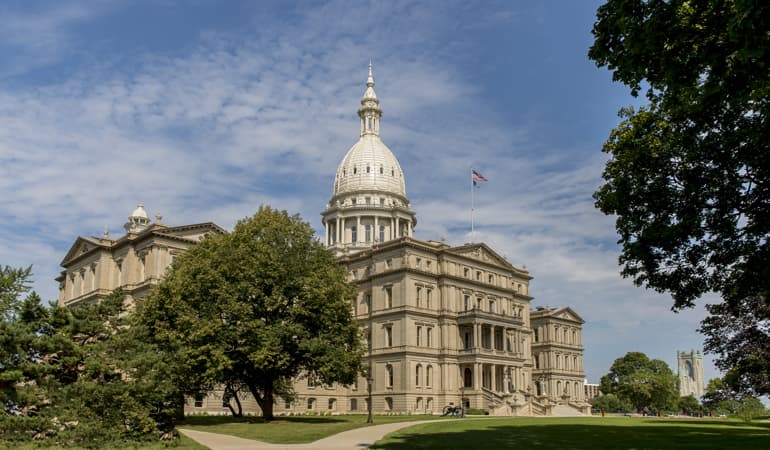
Jobs Lost: 9.67%
June 2019: 681,300
June 2020: 615,400
Michigan’s educational sector faced a significant workforce reduction, raising concerns about future educational outcomes.
5. Nevada
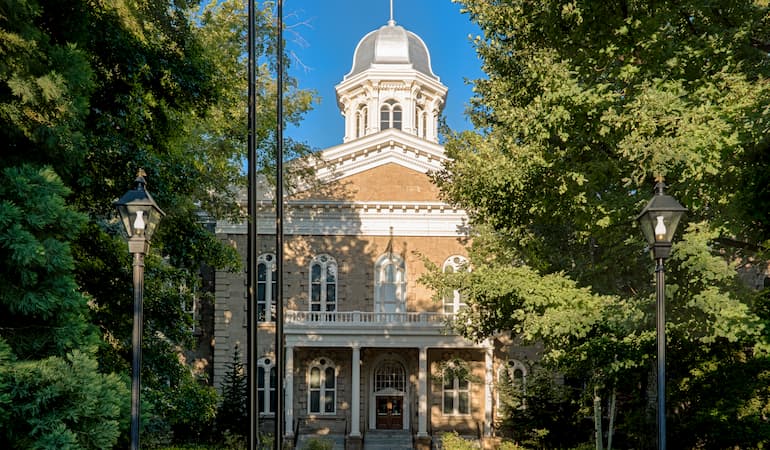
Jobs Lost: 9.56%
June 2019: 144,300
June 2020: 130,500
Nevada experienced a 9.56% decrease in educational jobs, affecting the state’s capacity to support its growing student population.
6. Maryland

Jobs Lost: 8.73%
June 2019: 474,100
June 2020: 432,700
Maryland saw a decrease in educational employment, contributing to challenges in maintaining school operations effectively.
7. Maine

Jobs Lost: 8.37%
June 2019: 129,100
June 2020: 118,300
Maine’s educational workforce also faced significant reductions, creating potential challenges in managing classroom sizes.
8. New York
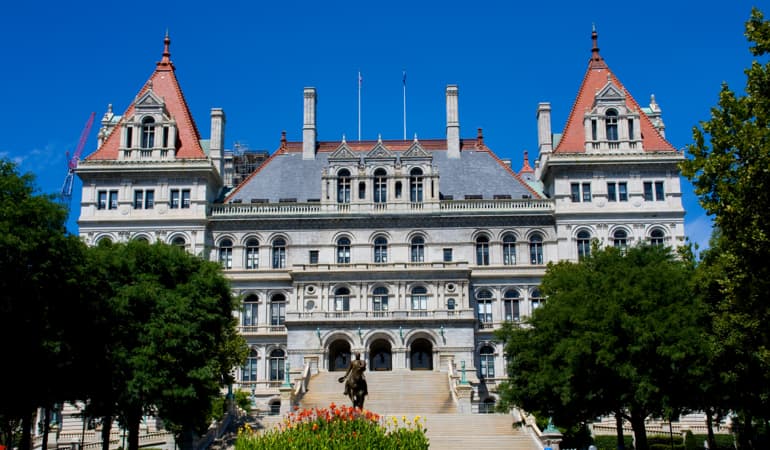
Jobs Lost: 8.17%
June 2019: 2,140,600
June 2020: 1,965,700
New York’s educational sector faced a notable decline, impacting the state’s ability to effectively support its large student population.
9. Alaska

Jobs Lost: 8.07%
June 2019: 50,800
June 2020: 46,700
Alaska’s educational workforce saw a decrease, raising concerns about the state’s ability to maintain quality education.
10. Virginia

Jobs Lost: 7.92%
June 2019: 554,200
June 2020: 510,300
Virginia ranks tenth, having lost a significant portion of its educational workforce, further complicating the educational landscape.
The Future of Education Employment
The past few years have profoundly impacted the education sector, reshaping how institutions operate and the roles that educational professionals play. As schools adapt to new challenges, including changes in funding and educational delivery methods, the need for a stable and qualified workforce has never been more critical.
With the ongoing shifts in educational employment, parents and educators must navigate a transformed landscape that may influence their choices regarding in-person versus remote education. Understanding the states with the most significant job losses helps inform discussions about the future of education and workforce planning.
| Rank | State | Jobs Lost |
|---|---|---|
| 1 | Delaware | 11.84% |
| 2 | New Jersey | 11.23% |
| 3 | Massachusetts | 10.27% |
| 4 | Michigan | 9.67% |
| 5 | Nevada | 9.56% |
| 6 | Maryland | 8.73% |
| 7 | Maine | 8.37% |
| 8 | New York | 8.17% |
| 9 | Alaska | 8.07% |
| 10 | Virginia | 7.92% |
| 11 | Washington | 7.76% |
| 12 | Rhode Island | 7.75% |
| 13 | Minnesota | 7.55% |
| 14 | Ohio | 7.31% |
| 15 | Louisiana | 7.21% |
| 16 | Kentucky | 7.06% |
| 17 | Connecticut | 6.51% |
| 18 | Pennsylvania | 6.50% |
| 19 | North Carolina | 6.34% |
| 20 | Wisconsin | 6.32% |
| 21 | Illinois | 6.24% |
| 22 | Alabama | 6.16% |
| 23 | Iowa | 6.09% |
| 24 | Colorado | 6.04% |
| 25 | Arkansas | 5.54% |
| 26 | Kansas | 5.41% |
| 27 | South Carolina | 5.27% |
| 28 | California | 5.25% |
| 29 | Indiana | 5.19% |
| 30 | South Dakota | 4.92% |
| 31 | West Virginia | 4.80% |
| 32 | Idaho | 4.60% |
| 33 | Hawaii | 4.51% |
| 34 | Mississippi | 4.49% |
| 35 | Oregon | 4.43% |
| 36 | Missouri | 4.32% |
| 37 | Texas | 4.30% |
| 38 | Oklahoma | 4.14% |
| 39 | Vermont | 3.66% |
| 40 | New Mexico | 3.62% |
| 41 | Florida | 3.11% |
| 42 | North Dakota | 2.98% |
| 43 | Montana | 2.79% |
| 44 | New Hampshire | 2.57% |
| 45 | Tennessee | 1.95% |
| 46 | Nebraska | 1.85% |
| 47 | Wyoming | 1.40% |
| 48 | Utah | 1.15% |
| 49 | Georgia | 1.11% |
| 50 | Arizona | 0.35% |

Author

Amanda Postma is a writer for the Zippia Career Advice blog with a focus on creating entertaining content to help you through your job search. She received her BA from the University Of Missouri-Columbia.