- Interview Prep
- Star Method For Answering Questions
- Interview Preparation Checklist
- Star Interview Questions
- Words To Use In An Interview
- Mock Interview Preparation
- How To Make A Good Impression
- Bring Writing Samples
- How To Relax Before An Interview
- Interview Coaching
- Common Video Interview Mistakes
- Common Phone Interview Mistakes
- How To Ace Your Interview For A Remote Job
- Good Weaknesses For A Job Interview
- Good Strengths For A Job Interview
- How To Prepare For A Phone Interview
- Talk About Being Laid Off
- How To Decline An Interview
- How Early Should You Arrive For An Interview
- Interview Etiquette Tips
- Phone Interview Tips
- How To Ace A Phone Interview
- Onsite Interview Tips
- Questions To Avoid Asking
- Interview Prep Tips
- Make A Great First Impression
- Interview Mistakes
- Interview Tips
- Interview Mistakes
- Avoid A Bad Impression
- How To End An Interview
- Types Of Interviews
- Open Interviews
- Video Interviews
- Promotion Interview
- Internal Interview
- Informational Interview
- Panel Interview
- Online Interview
- Third Round Interview
- Final Interview
- Skype Interview
- Zoom Interview
- Group Interview
- Interview Questions About Your Experience
- Remote Interview
- Interviews For Teen Jobs
- Lunch Interview
- Panel Interview Tips
- Skype Interview Tips
- Group Interview Tips
- Communication
- Respond To An Interview Request
- Signs An Interview Went Well
- Best Time To Interview
- Reschedule An Interview
- Cancel An Interview
- Questions To Ask At The End Of An Interview
- Self Introduction
- Internal Reference
- Unique Interview Questions To Ask Employer
- Interview Small Talk
- Confidence During An Interview
- Perfect Handshake
Find a Job You Really Want In
Concluding an interview effectively is crucial, as final impressions can significantly impact your candidacy, just as first impressions do. The closing moments of your interview can be a powerful opportunity to address any lingering doubts and reinforce your suitability for the role.
In this article, we will explore how to gracefully conclude an interview, provide examples of effective closing strategies, and discuss the significance of closing statements in the hiring process.
Key Takeaways:
-
Ending with a strong closing statement is essential as it allows you to clarify any concerns, express enthusiasm for the position, and make a final pitch for your candidacy.
-
Before leaving the interview, ensure you understand the next steps in the hiring process to set your expectations.
-
Maintain professionalism and positivity throughout the process to leave a lasting impression.
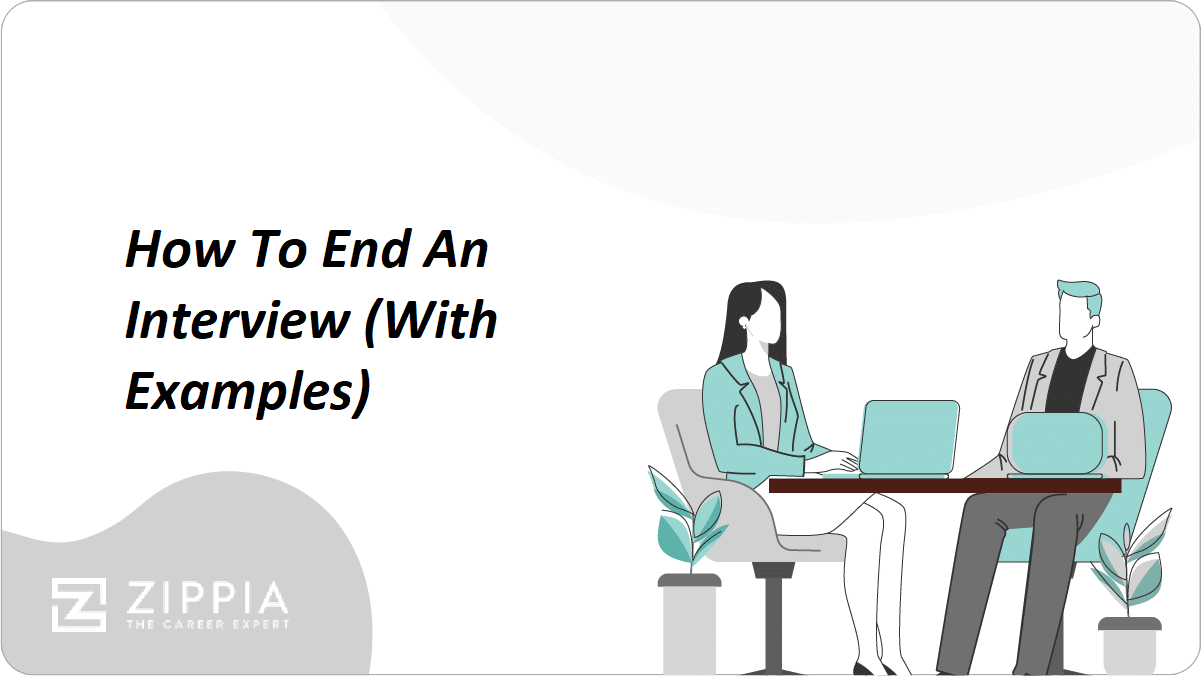
How to End an Interview
To wrap up your interview on a high note, consider asking questions, reaffirming your interest in the position, and emphasizing your qualifications. Here’s a detailed guide on how to effectively conclude your interview:
-
Ask Questions. As the interview nears its conclusion, your interviewer will likely invite you to ask questions. Even if they don’t, failing to ask questions can be a missed opportunity.
Understanding the role is vital for your own decision-making, and asking insightful questions about the company, industry trends, or departmental roles demonstrates your engagement.
-
Reiterate Your Interest in the Job. Use this moment to express your excitement about the opportunity. Let the hiring manager know that the interview has heightened your enthusiasm for potentially joining their team.
Discuss what you find appealing about the company culture, how your values align with its mission, or how the position fuels your passion for the industry. This can significantly influence hiring decisions.
-
Remind Them of Your Qualifications. Leave the interviewer with a vivid image of you as a capable candidate. Reinforce your relevant qualifications and skills that align with the job requirements.
Be specific about the value you can offer based on your experiences. If you have a standout achievement, consider highlighting it as a part of your closing remarks.
-
Address Any Doubts. If you sense hesitation from the interviewer, consider directly asking what you can do to alleviate their concerns. Reflect on your greatest strengths and be ready to elaborate on them.
Provide any additional information about your skills and experiences that may not have been covered during the interview, and tie it into your overall qualifications.
-
Subtly Ask for the Job. This requires diplomacy. If you genuinely desire the position, express your interest in a nuanced way. Instead of bluntly asking for the job, you might say you’re eager to review the offer.
Alternatively, you could ask, “Based on our conversation, do you think I would be a suitable fit for this role?” This shows confidence and can leave a positive impression.
-
Clarify Next Steps. Before concluding, inquire about the next steps in the hiring process to set your expectations. Ask if there’s a timeline for decisions or additional interviews you should prepare for.
Understanding what comes next will help you strategize your follow-up approach.
-
Express Gratitude. You don’t need an elaborate closing; a simple thank you can suffice. Appreciate the interviewer’s time, consideration, and the insights they shared about the role.
Demonstrating professionalism and courtesy can reinforce the positive impression you made during the interview.
-
Show Readiness. Convey your preparedness for the role. Discuss potential contributions you could make from day one, emphasizing a vision for a mutually beneficial relationship.
If you can outline a specific plan for your first 30/60/90 days, it will help the interviewer visualize you in the role, enhancing your chances of receiving an offer.
-
Follow Up After the Interview. One of the fundamental rules of interviewing is to send a thank-you note. This is a vital step in leaving a positive final impression.
A follow-up message shows professionalism and consideration. Within 24 hours post-interview, send an email thanking the interviewer for their time and reiterating your excitement about the position.
Your thoughtfulness will set you apart, especially if others neglect this step.
Examples of How to End an Interview
-
Asking Questions Example
“How is performance evaluated for this role, and what are your expectations for the first 90 days?”
“What departments will I collaborate with most closely to achieve the results we discussed?”
“What professional development opportunities does this position offer?” -
Reiterating Your Interest Example
“I’ve truly valued the opportunity to learn more about this position, and after hearing about your company, I’m very excited about the possibility of contributing to your team.”
-
Highlighting Qualifications Example
“I believe this position aligns perfectly with my experience and skills. I’m eager to leverage my background in organizing impactful fundraisers to enhance employee engagement and help your company achieve its philanthropic objectives.”
-
Addressing Doubts Example
“While we discussed my hands-on experience in operations and maintenance for utility-scale solar projects, I’d like to emphasize my extensive OSHA safety training that ensures my capabilities for safe and efficient performance.”
-
Subtle Job Inquiry Example
“I want to express my strong interest in this role and am looking forward to your feedback on the next steps in the hiring process.”
-
Clarifying Next Steps Example
“Could you provide me with an estimated timeline for when I might hear back regarding the next steps in the hiring process?”
-
Being Polite Example
“Thank you for taking the time to discuss this opportunity with me today. I enjoyed learning more about ABC Inc.’s unique approach to achieving sustainability. I’m thrilled at the prospect of contributing to your team. If you need any additional information regarding my candidacy, please feel free to reach out.”
-
Showing Readiness Example
“I’m excited about the possibility of using my warehouse management experience to address the ongoing delays. By implementing strategies that have proven successful in my previous role, I believe I can reduce shipment turnaround times by 15% in my first few months, allowing us to focus on optimizing safety and efficiency in the workspace.”
Why Are Closing Statements Important?
Closing statements are essential as they provide a final opportunity to clarify any questions the interviewer may have and to express your enthusiasm for the role. Here’s why they matter:
-
To Address Any Remaining Questions. This is a pivotal moment to provide any additional information the interviewer may seek, allowing them to gain a better understanding of your background and fit.
-
To Convey Your Genuine Interest in the Company. This is your chance to articulate your enthusiasm for the position and why you believe it’s a great match for you.
-
To Showcase Your Skills and Qualifications. During the closing statement, highlight specific examples that demonstrate how your skills and qualifications align with the role, reinforcing how you can positively impact the company.
Ending an Interview FAQ
-
What Should the Interviewer Do at the End of the Interview?
Interviewers should invite you to share any final thoughts or questions. They should also outline the next steps in the process, including any further interviews or timelines for decision-making.
-
How Can You End an Interview on a Positive Note?
You can conclude an interview positively by asking insightful questions and reaffirming your interest in the position. Thoughtful inquiries will demonstrate your genuine interest in both the role and the organization.
-
What Should You Do at the End of an Interview?
You should ask questions and express gratitude at the end of the interview. It’s also crucial to reaffirm your interest in the position and remind them of your qualifications. Be sure to maintain politeness throughout.
Final Thoughts
Securing a job can be a challenging journey. After dedicating significant time to preparing for your interview, it’s easy to lose focus at the finish line.
Don’t rush through the concluding moments of your interview; instead, view them as your final chance to make a strong impression. Leveraging this moment effectively can help you address any concerns and distinguish yourself from other candidates.
Now that you’re equipped with the knowledge to end your interview on a high note, take the time to prepare thoroughly to ensure you create both a strong first and last impression that increases your chances of landing the job.
References
-
U.S. Bureau of Labor Statistics – Employment Interviewing: Seizing the Opportunity and the Job
- Interview Prep
- Star Method For Answering Questions
- Interview Preparation Checklist
- Star Interview Questions
- Words To Use In An Interview
- Mock Interview Preparation
- How To Make A Good Impression
- Bring Writing Samples
- How To Relax Before An Interview
- Interview Coaching
- Common Video Interview Mistakes
- Common Phone Interview Mistakes
- How To Ace Your Interview For A Remote Job
- Good Weaknesses For A Job Interview
- Good Strengths For A Job Interview
- How To Prepare For A Phone Interview
- Talk About Being Laid Off
- How To Decline An Interview
- How Early Should You Arrive For An Interview
- Interview Etiquette Tips
- Phone Interview Tips
- How To Ace A Phone Interview
- Onsite Interview Tips
- Questions To Avoid Asking
- Interview Prep Tips
- Make A Great First Impression
- Interview Mistakes
- Interview Tips
- Interview Mistakes
- Avoid A Bad Impression
- How To End An Interview
- Types Of Interviews
- Open Interviews
- Video Interviews
- Promotion Interview
- Internal Interview
- Informational Interview
- Panel Interview
- Online Interview
- Third Round Interview
- Final Interview
- Skype Interview
- Zoom Interview
- Group Interview
- Interview Questions About Your Experience
- Remote Interview
- Interviews For Teen Jobs
- Lunch Interview
- Panel Interview Tips
- Skype Interview Tips
- Group Interview Tips
- Communication
- Respond To An Interview Request
- Signs An Interview Went Well
- Best Time To Interview
- Reschedule An Interview
- Cancel An Interview
- Questions To Ask At The End Of An Interview
- Self Introduction
- Internal Reference
- Unique Interview Questions To Ask Employer
- Interview Small Talk
- Confidence During An Interview
- Perfect Handshake

Author

Maddie Lloyd was a writer for the Zippia Advice blog focused on researching tips for interview, resume, and cover letter preparation. She's currently a graduate student at North Carolina State University's department of English concentrating in Film and Media Studies.