A letter of intent (LOI) is a formal document that articulates an individual’s or organization’s intention to take a specific action. Commonly utilized in education, business, and legal contexts, LOIs are essential for various scenarios such as applying to programs, engaging in business negotiations, or indicating intentions to pursue legal action.
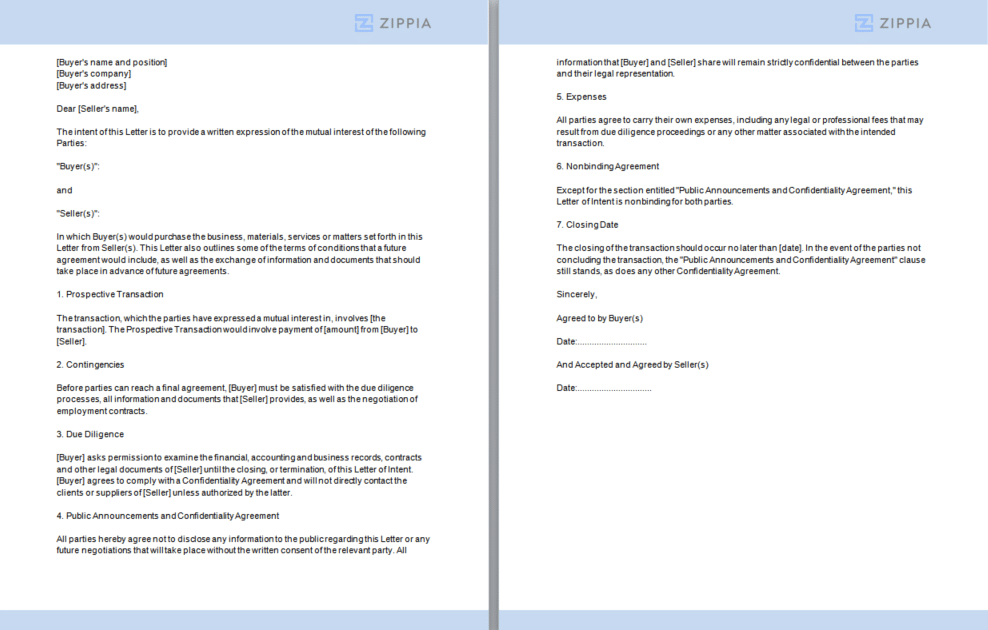
By clicking Download, you agree to Zippia’s Privacy Policy and Terms of Use.

How to Create a Letter of Intent
-
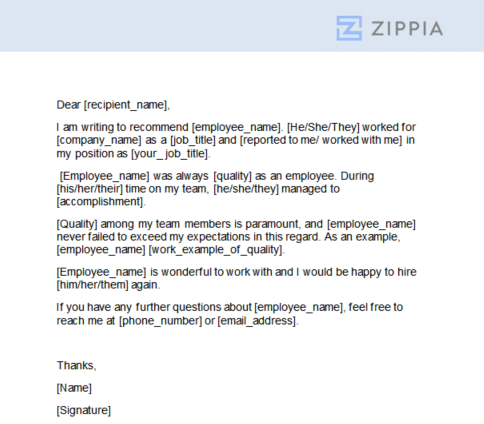
Begin with your contact information, the date, and the recipient’s contact information.
-
Address the recipient in a formal tone.
-
Clearly state the purpose of the letter in the opening paragraph, whether it’s to apply for a position or propose a business venture.
-
Use the following paragraphs to elaborate on your qualifications, intentions, or proposals.
-
Conclude by expressing gratitude for their consideration and provide your contact details.
-
End with a formal closing, your name, and your signature.
How to Utilize a Letter of Intent Template
A letter of intent template can serve as a valuable guide, simplifying the writing process. Here’s how to effectively use it:
-
Choose a template that aligns with your purpose (e.g., applying to a program, proposing a business deal).
-
Fill in the template with your specific information and intentions.
-
Customize any standard language in the template to reflect your personal tone and the situation’s details.
-
Thoroughly proofread the document for errors, and consider having someone else review it for clarity and professionalism.
Frequently Asked Questions about Letters of Intent
-
What is the primary purpose of a letter of intent? The main purpose of a letter of intent is to formally communicate an individual’s or organization’s intent to take a specific action.
-
Is a letter of intent legally binding? Generally, a letter of intent is not legally binding. It typically outlines the terms of a potential agreement or confirms mutual interest without imposing legal obligations on either party. However, specific clauses, such as non-disclosure agreements, may carry legal weight.
-
What should be included in a letter of intent? A letter of intent should include clear statements of intent, relevant details about your qualifications or proposals, and your personal contact information.

Author

Matthew Zane is the lead editor of Zippia's How To Get A Job Guides. He is a teacher, writer, and world-traveler that wants to help people at every stage of the career life cycle. He completed his masters in American Literature from Trinity College Dublin and BA in English from the University of Connecticut.