- HR Statistics
- Average Labor Cost Percent Of Sales
- Average Time to Reach Profitability At A Startup
- Office Space Per Employee
- Recruitment Statistics
- Employee Engagement Statistics
- Work-Life Balance Statistics
- BYOD Statistics
- Paternity Leave Statistics
- Onboarding Statistics
- Average Paid Maternity Leave In Us
- Average Cost Of A Bad Hire
- Employee Theft Statistics
- Paid Family Leave Statistics
- Cost Of Hiring Statistics
- Employee Turnover Statistics
- Average Cost Of Employer Sponsored Health Insurance Statistics
- Sexual Harassment In The Workplace Statistics
- HR Statistics
- PTO Statistics
- Social Media Recruitment Statistics
- Hiring Statistics
- Out Of Prison Employment Statistics
Work-life balance research summary. Achieving a healthy work-life balance is increasingly challenging in today’s fast-paced, digitally connected world. With the rise of remote work and technology, maintaining boundaries between professional and personal life has never been more critical. Here are key work-life balance statistics for 2026:
-
60% of employees report having a good work-life balance.
-
77% of employees have experienced burnout at least once in their current jobs.
-
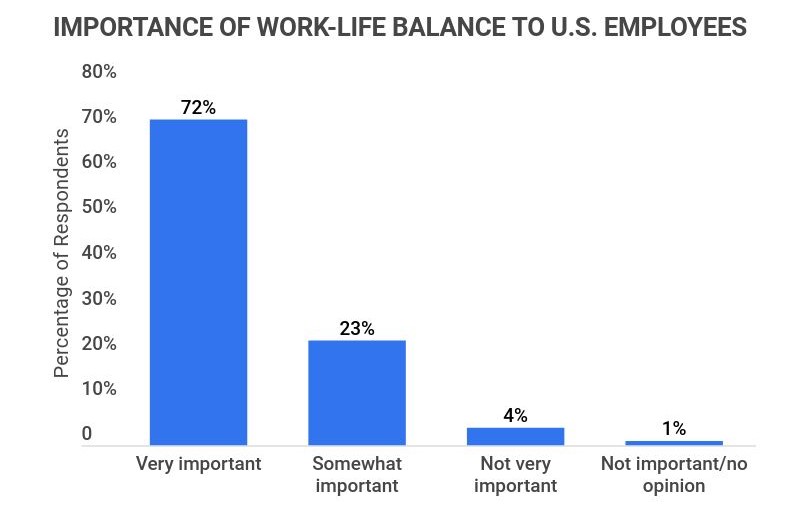
72% of workers consider work-life balance a crucial factor when choosing a job, while 57% of job-seekers view a poor work-life balance as a dealbreaker.
-
43% more remote employees work over 40 hours a week compared to their onsite counterparts.
-
Though personal perfectionism is a significant barrier to achieving work-life balance, 67.2% of workers attribute their struggles to workplace factors, such as colleagues or corporate culture.
For deeper insights, we’ve organized the data as follows:
Employee Opinions | Benefits of a Strong Work-life Balance | Challenges to Work-life Balance | Remote vs. In-office Effects on Work-life Balance Statistics
Work-life balance statistics by employee reporting
Tracking work-life balance can be complex, but numerous employees share their experiences through surveys and polls. Here are some insights gathered from recent research:
-
60% of employees feel they effectively balance their work and personal commitments.
This statistic is consistent with trends observed in previous years, although in 2021, 29% of respondents indicated they often dreaded going to work.
-
77% of surveyed employees report experiencing burnout at their current job.
51% have faced burnout multiple times. This trend is particularly pronounced among workers lacking passion for their roles.
-
83% of workers say their personal relationships suffer due to burnout from work.
This, coupled with the fact that 25% of employees rarely take days off, highlights that many miss out on meaningful moments with loved ones due to work commitments.
-
Many employees regularly check work emails during off-hours.
Only 38% of surveyed individuals believe it’s unnecessary to check work emails outside of working hours. Notably, 70% of workers under 30 are willing to check work communications at home.
-
48% of employees identify as workaholics.
On average, they work an additional four unpaid hours per week and spend another four hours stressing about work outside of office hours.

Employee opinions on work-life balance statistics
Perceptions of work-life balance vary among employees. Some place high importance on it, while others do not. Here are the facts:
-
72% of employees consider a good work-life balance highly important.
In contrast, only 6% of those surveyed deem work-life balance unimportant or hold no opinion on the matter.
-
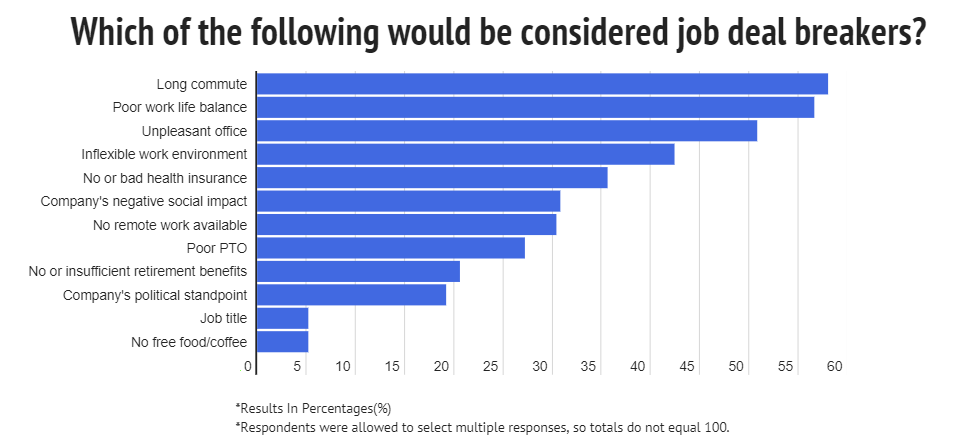
57% of surveyed employees see a poor work-life balance as a dealbreaker when evaluating job offers.
This ranks as the second most significant reason employees would turn down a job, just behind long commutes (58%).
-
66% of workers often skip at least one meal daily due to work commitments.
This group cites lack of time or stress-related concerns as reasons for missing meals.
-
79% of workers believe that a flexible schedule enhances work-life balance.
Flexibility allows employees to manage their schedules better, enabling more quality time with family and friends.
Benefits of strong work-life balance statistics
A robust work-life balance yields numerous advantages for both employers and employees. From enhanced retention rates to improved job satisfaction, here are key statistics:
-
89% of HR professionals report increased employee retention after adopting flexible work policies.
Conversely, over 25% of employees lacking employer support for work-life balance intend to seek new jobs within two years, compared to only 17% of those who feel supported.
-
Unscheduled sick and vacation days cost companies between $2,600 and $3,600 per employee annually.
Employees experiencing high stress incur nearly 50% higher healthcare costs than their less-stressed counterparts, further impacting productivity.
-
90% of employees believe a flexible work schedule boosts morale.
Flexible arrangements empower employees to align their work with personal responsibilities, fostering higher productivity and reducing turnover.
Work-life balance challenges statistics
Achieving a sustainable work-life balance presents hurdles, particularly for those managing extensive projects or demanding hours. Here are some key challenges:
-
31% of employees cite a lack of support or recognition from leaders as the primary cause of burnout.
30% attribute burnout to unrealistic deadlines, while 29% cite long hours or weekend work as contributing factors.
-
While 78% of employees feel employers should support their physical and mental well-being, only 42% offer wellness programs.
Additionally, 41% would accept a 10% pay cut for an employer genuinely concerned about their health and well-being.
-
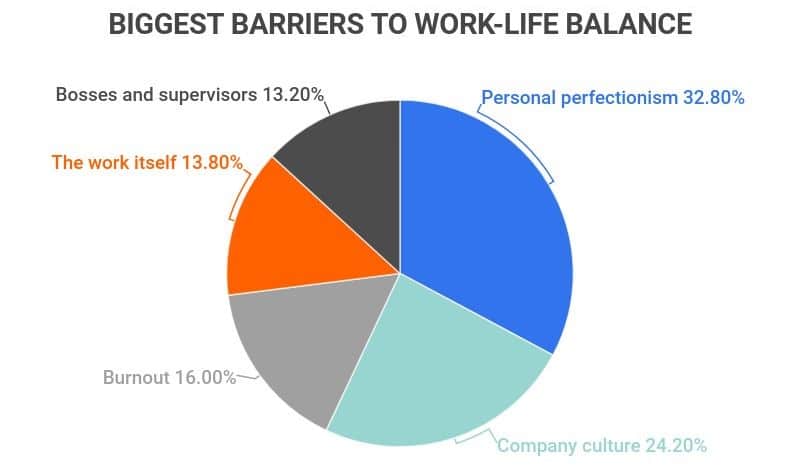
32.8% of workers identify personal perfectionism as the greatest barrier to achieving work-life balance.
Company culture (24.2%) and work demands (13.8%) also contribute significantly to the challenges faced.
Barriers to a healthy work-life balance
| Barrier | % of Respondents |
|---|---|
| Personal perfectionism | 32.8% |
| Company culture | 24.2% |
| Burnout | 16% |
| The work itself | 13.8% |
| Bosses and supervisors | 13.2% |
Remote vs. in-office effects on work-life balance statistics
The COVID-19 pandemic has irrevocably altered perceptions of work-life balance. Many employees have experienced both positive and negative shifts as they transitioned to remote work.
-
Employees who worked from home reported a 13% increase in productivity compared to their in-office counterparts.
-
45% of those who began working remotely during the pandemic indicated they worked longer hours than they did while in the office.
-
Remote workers are 43% more likely to report working over 40 hours a week compared to those in office settings.
-
22% more full-time remote employees express job satisfaction compared to those working in-office full-time.
-
91% of surveyed employees chose remote work for improved work-life balance.
Work-life balance statistics FAQ
-
What does having a work-life balance mean?
Having a work-life balance means fulfilling your work commitments while also having the time and energy to pursue personal commitments.
Individual definitions may vary, but a good work-life balance allows you to excel at work while enjoying a fulfilling personal life and maintaining healthy relationships. For instance, parents may prioritize attending school events and being available during family emergencies, while outdoor enthusiasts may prefer flexible hours to enjoy activities with friends.
Ultimately, a healthy work-life balance minimizes stress and ensures that personal and professional lives do not negatively impact each other.
-
What causes poor work-life balance?
Common causes of poor work-life balance include perfectionism, company culture, and demanding job expectations. Each individual may face unique challenges, but these factors are frequently cited. Many employees struggle with the desire for perfection or feel pressured by their company culture to prioritize work above all else, leading to a neglect of personal relationships and well-being.
-
How do you improve your work-life balance?
Improving work-life balance involves establishing and adhering to clear boundaries. This may include taking your vacation days, setting a non-negotiable quitting time, and designating periods when you will not check work emails or messages. Tailor these strategies to your specific job and ensure open communication with your employer about your availability.
-
Is work-life balance important to employees?
Yes, work-life balance is vital to employees. A significant 72% of workers consider it an essential factor in job quality, and 57% of job-seekers report that poor work-life balance is a dealbreaker in their job search.
-
What are the benefits of having a good work-life balance?
Benefits include increased employee morale, improved talent acquisition and retention, and heightened productivity. Notably, 90% of employees report that flexible scheduling enhances their morale, and 89% of HR professionals observe higher retention rates after implementing flexible work policies. Additionally, employees facing high stress and inflexible schedules are more likely to take unscheduled sick days, costing employers significantly each year.
Conclusion
Maintaining a healthy work-life balance is crucial for both employees and organizations. Companies that implement flexible work arrangements report an 89% increase in employee retention, translating to substantial savings in turnover costs and enhanced productivity. Furthermore, as 57% of workers consider poor work-life balance a dealbreaker when exploring job opportunities, fostering a supportive work environment is essential for attracting top talent.
Despite the clear advantages, only 41% of employees believe their employers offer adequate wellness programs to support their work-life balance efforts. Additionally, 31% attribute their burnout to a lack of support and recognition from leadership, highlighting an area for improvement for many organizations.
References
-
Statista. “Percentage of U.S. Employees Who had Select Attitudes About Work in 2020 and 2021.” Accessed on October 15, 2021.
-
Deloitte. “Workplace Burnout Survey.” Accessed on October 15, 2021.
-
Business Insider. “Americans are Definitely Workaholics.” Accessed on October 15, 2021.
-
Clockify. “Workaholism Facts.” Accessed on October 15, 2021.
-
Statista. “Importance of Work-Life Balance Among Employees in the U.S. in 2018.” Accessed on October 15, 2021.
-
Zippia. “2021 Job Seeker Report: What Workers Want (and Expect) in a Post-COVID Job Market.” Accessed on October 15, 2021.
-
Inc. “How Work Life Balance Can Keep Your Employees Happy and Your Business Healthy.” Accessed on October 15, 2021.
-
Staples. “Staples Workplace Survey 2019.” Accessed on October 15, 2021.
-
GCU. “Work-Life Balance Stats Among Business Professionals.” Accessed on October 15, 2021.
-
Stanford Business. “Does Working From Home Work? Evidence From a Chinese Experiment.” Accessed on October 15, 2021.
-
SHRM. “Remote Employees Are Working Longer Than Before.” Accessed on October 15, 2021.
-
Business Insider. “Study Says That Remote Workers Are Happier and Stay in Jobs Longer.” Accessed on October 15, 2021.
-
Apollo Technical. ““10 Workplace Statistics on Work-life Balance That May Surprise You”” Accessed on February 17, 2023.
- HR Statistics
- Average Labor Cost Percent Of Sales
- Average Time to Reach Profitability At A Startup
- Office Space Per Employee
- Recruitment Statistics
- Employee Engagement Statistics
- Work-Life Balance Statistics
- BYOD Statistics
- Paternity Leave Statistics
- Onboarding Statistics
- Average Paid Maternity Leave In Us
- Average Cost Of A Bad Hire
- Employee Theft Statistics
- Paid Family Leave Statistics
- Cost Of Hiring Statistics
- Employee Turnover Statistics
- Average Cost Of Employer Sponsored Health Insurance Statistics
- Sexual Harassment In The Workplace Statistics
- HR Statistics
- PTO Statistics
- Social Media Recruitment Statistics
- Hiring Statistics
- Out Of Prison Employment Statistics

Author

Abby is a writer who is passionate about the power of story. Whether it’s communicating complicated topics in a clear way or helping readers connect with another person or place from the comfort of their couch. Abby attended Oral Roberts University in Tulsa, Oklahoma, where she earned a degree in writing with concentrations in journalism and business.