Explore jobs
Find specific jobs
Explore careers
Explore professions
Best companies
Explore companies
Job outlook for creative art therapists in the United States
Are creative art therapist jobs in demand?
Creative art therapist job and salary trends over time
Creative art therapist jobs over time
Creative art therapist job growth rate over time
| Year | # of jobs | % of population |
|---|---|---|
| 2021 | 171 | 0.00% |
| 2020 | 202 | 0.00% |
| 2019 | 192 | 0.00% |
| 2018 | 190 | 0.00% |
| 2017 | 186 | 0.00% |
Average creative art therapist salary over time
Creative art therapist salary by year
| Year | Avg. salary | Hourly rate | % Change |
|---|---|---|---|
| 2025 | $51,418 | $24.72 | --1.1% |
| 2024 | $51,968 | $24.98 | +0.8% |
| 2023 | $51,580 | $24.80 | +0.4% |
| 2022 | $51,386 | $24.70 | +2.7% |
| 2021 | $50,017 | $24.05 | +1.1% |
Creative art therapist jobs by state
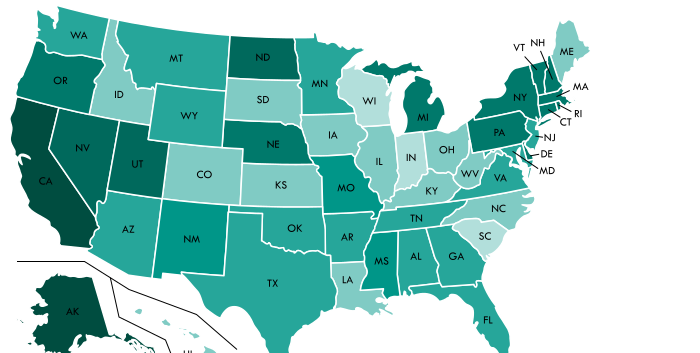
Most common states for creative art therapists
| Rank | State | Population | # of jobs | Employment/ 1000ppl |
|---|---|---|---|---|
| 1 | Nebraska | 1,920,076 | 324 | 17% |
| 2 | Montana | 1,050,493 | 161 | 15% |
| 3 | Delaware | 961,939 | 145 | 15% |
| 4 | District of Columbia | 693,972 | 102 | 15% |
| 5 | Washington | 7,405,743 | 1,049 | 14% |
| 6 | Colorado | 5,607,154 | 768 | 14% |
| 7 | Iowa | 3,145,711 | 430 | 14% |
| 8 | Virginia | 8,470,020 | 1,117 | 13% |
| 9 | Indiana | 6,666,818 | 868 | 13% |
| 10 | Missouri | 6,113,532 | 784 | 13% |
| 11 | Maryland | 6,052,177 | 759 | 13% |
| 12 | Kansas | 2,913,123 | 391 | 13% |
| 13 | Maine | 1,335,907 | 176 | 13% |
| 14 | Georgia | 10,429,379 | 1,215 | 12% |
| 15 | Wisconsin | 5,795,483 | 683 | 12% |
| 16 | South Carolina | 5,024,369 | 615 | 12% |
| 17 | Oregon | 4,142,776 | 481 | 12% |
| 18 | Pennsylvania | 12,805,537 | 1,352 | 11% |
| 19 | Alabama | 4,874,747 | 534 | 11% |
| 20 | Arkansas | 3,004,279 | 322 | 11% |
Most common cities for creative art therapists
| Rank | City | # of jobs | Employment/ 1000ppl | Avg. salary |
|---|---|---|---|---|
| 1 | Danville | 1 | 3% | $43,844 |
| 2 | Fayetteville | 2 | 2% | $46,033 |
| 3 | New York | 1 | 0% | $52,700 |
Creative Art Therapist job outlook: Expert opinions
Our panel of creative art therapist experts

Meredith College

University of Alabama in Huntsville
University of Dallas
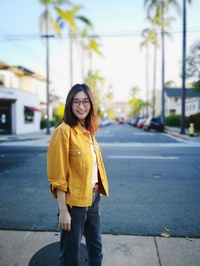
Elon University

Jacksonville University
Eastern Kentucky University
Utah State University
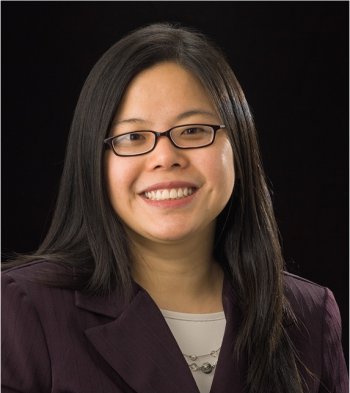
Montclair State University

Beloit College
The University of Texas
Pennsylvania State University - Beaver
What skills stand out on Creative Art Therapist resumes?
Chelsea Waddelow: I expect all of the basic proficiencies required by the Certification Board as a bare minimum. Musically, I like to see an area of specialization that will make you stand out. For clinical skills, the ability to produce accurate, thorough, and professional documentation in a very short amount of time is a top priority. Non-musical or non-clinical skills that I would look for include knowledge of a second language, especially ASL or the second language most commonly used in the job area, multicultural awareness and sensitivity, and excellent attention to detail.
Dr. Nathan Tenhundfeld Ph.D.
Assistant Professor of Human FactorsUniversity of Alabama in Huntsville
Psychology Department
What soft skills should all Creative Art Therapists possess?
Dr. Nathan Tenhundfeld Ph.D.: Students need to be able to read individual and group dynamics in order to act appropriately in any given situation. This includes not only the interactions with one's bosses but also peers and subordinates. Similarly, being comfortable with networking can help any company, but networking skills shine through in interviews.
What hard/technical skills are most important for Creative Art Therapists?
Dr. Nathan Tenhundfeld Ph.D.: Technical skills like the ability to perform statistical analyses are critically important for most Psychology-related jobs. This allows a candidate to collect and analyze data but also to interpret and understand other existing data. A strong statistical background can also help set a candidate apart from their peers in the application process. This includes understanding when and how to use various parametric and nonparametric statistics to be able to answer questions regardless of the data one is working with.
What will help Creative Art Therapists increase their earning potential?
Kelly O'Briant: Understanding a range of material properties and processes, knowing how to work with one's hands can translate into many jobs, as noted above. Having some experience with basic animation and 3D modeling software and the hardware that accompanies, such as 3D printers and laser cutters, is helpful. The importance of general knowledge of creative software such as the Adobe Creative Suite cannot be overstated. Understanding those programs is relevant to creative work in various commercial and fine art related settings. Everything we use or engage with is created by or in consultation with a creative thinker. The clothes we wear to the dishes we eat from, the houses we live in, to the roads we drive on, the advertisements we see, the music we listen to, the filters we use to make our photographs look better on Instagram, the furniture we sit on and the movies we watch. The list is endless! We owe all of this to creative thinkers. All of these questions are related to one key strength of a fine arts degree: creative problem-solving. Students who earn a degree in fine arts learn to work with their hands and gain an intimate knowledge of material properties. In addition to technical/material problems, students must also face conceptual concerns and learn to articulate their ideas verbally and on paper. This dual problem gives art students a unique ability to approach problems from multiple angles. Creative thinkers brainstorm without fear of failure because failure is part of the process of making something. Being comfortable with failure instills resilience with regard to development, prototyping, and perfecting a concept. Art students can think through concepts and options and consider many avenues at once, and consider a project on a colossal scale or an intimate one. They understand that their work can have an impact on a few or many and work accordingly. These are logistical skills, and they translate to almost any field. Artists are uniquely positioned in this regard.
Will there be an enduring impact of the coronavirus pandemic on Creative Art Therapists?
Wen Guo: Definitely. The pandemic might lead to much loss for graduates in many ways. Some professions will not recover well during a short time, and some will. The arts sector was especially hit hard, but it has been a great example of being resilient, creative, hopeful, and collegiate during the pandemic. With an evolved understanding of human relationships during the pandemic, the arts sector will thrive and transform greatly, which demands new energy and skillsets from the newly minted graduates. I believe the enduring impact on graduates is mostly positive if they keep working on what they are passionate about and being hopeful with the world. Instead of feeling bad about the situation, the graduates should do a little bit of reflection on the following aspects:
-What does the pandemic help me know better about my perception or values of professional success?
-Does the pandemic make me more emotionally and intellectually resilient? What is the evidence?
-Do I develop a better sense of understanding macro trends and sudden changes? Do I better understand how such macro trends and sudden changes transform the industry or profession I am interested in?
-Does the pandemic change your way of making decisions, and how?
-How should I carry what you learn during the pandemic forward to my professional life?
What certifications/licenses/courses can have the biggest impact for Creative Art Therapists?
Wen Guo: I believe teaching, marketing, and basic accounting literacy are essential skills for arts graduates. Google, LinkedIn, Hootsuite, Intuit, and other websites offer free and charged certification programs for students at various levels. Going to arts management graduate programs or other business programs can also be a great option if they do not face a heavy financial burden. You may also consider DEI training or certification programs and think about you integrate your DEI training experience in your arts career or arts education practices. Each arts discipline has its own specific certification programs and it is always good to try to pursue those that fit your artistic vision for yourself or your arts organization.
Will there be an enduring impact of the coronavirus pandemic on Creative Art Therapists?
William Hill: Graduates will face new challenges that have already been trending in the discipline toward a more remote workplace and content delivery. But at the same time promoting a more collaborative production pipeline that foster graduates to be either more versatile in their skill set or more specialized. Additionally, the growth of the gig market and increase in content delivery options through streaming there will be increases in entrepreneur opportunities.
What's a good job out of college for Creative Art Therapists?
William Hill: The best entry-level job for recent graduates have always been ones that provide them the ability to leverage their specific skills and education while at the same time provide a challenge and growth window for forward advancement. Streaming Media, both content development and design is a growing sector across all industries. Most importantly is for graduates should continue to challenge their creative development where it is part of their vocation or not. Being engaged in creative projects that push their skill set will keep them engaged and controlling their future.
Camille Skubik-Peplaski Ph.D.
Professor and Occupational TherapistEastern Kentucky University
Department of Occupational Science and Occupational Therapy
What type of skills will young Creative Art Therapists need?
Camille Skubik-Peplaski Ph.D.: I teach my students that the experience that stands out most on a resume is the experience that best matches the job posting. A summary is only a selected snapshot of your experiences. Choose to display the experiences you have had with what the job posting is looking for.
Sonia Manuel-Dupont Ph.D.
Associate ProfessorUtah State University
Department of Speech-Language Pathology
What experience really stands out on Creative Art Therapist resumes?
Sonia Manuel-Dupont Ph.D.: When I review resumes, I look for life skills and transferable skills. These include skills that emerge from leadership positions, interdisciplinary teamwork, work with individuals and communities who are ethnically and linguistically different from the applicant, and extended practice with technical and professional communication.
Are there any particularly good places in the United States for Creative Art Therapists to find work opportunities?
Lyndal Khaw Ph.D.: Families and children are ubiquitous and exist in every social space across the country. They are in homes, schools, workplaces, and communities. That being said, many issues impact children and families and services to support them best. With areas where populations are more extensive, there are typically more services and job opportunities for graduates in this field. Note, too, that with COVID-19 there is the capacity to work in the field remotely, so you may very well live in New Jersey and telecommute and be employed in New York state.
Charles Westerberg Ph.D.
Brannon-Ballard Professor of SociologyBeloit College
Sociology Department
What technology do you think will become more important and prevalent for Creative Art Therapists in the next 3-5 years?
Charles Westerberg Ph.D.: Given that technology changes so fast, I'd think less about what specific technology will be most useful instead of new applications for the technology. How can you use the web, social media, and other applications to address questions and solve problems? If you practice this, you will adapt your findings to all sorts of new technologies.
What type of skills will young Creative Art Therapists need?
Dr. Eva Moya Ph.D.: Graduates of the social work profession need to be able to work with individuals, families, groups, organizations, and mobilize communities to bring about social, economic, political, or environmental change, in addition to being involved in social policy development.
Skills in research, to study social issues, with the intention of developing social policy or micro-level approaches to practice to improve people's lives, and training in relation to multiculturalism, cultural competence, cultural humility practice is vital.
Key skills include:
Kevin Bennett Ph.D.
Professor of PsychologyPennsylvania State University - Beaver
Psychology
How do you envision technology impacting Creative Art Therapists in the next 5 years?
Kevin Bennett Ph.D.: The world is changing fast. Very fast. The field of psychology is certainly going to be impacted by changes in technology, just like everyone else. Technology-for example, increasingly powerful and smaller mobile devices, social media platforms, and frequent zooming-is fundamentally altering the way we interact with the world. Therapists, counselors, and clinicians are increasingly using these technologies to treat clients. There is no reason to think this practice will not continue to grow in the next decade.
Technology is also opening new pathways for researchers to study human behavior and the brain. Innovative technologies are giving psychologists the freedom to take their studies out of the lab and into more natural environments.
I am cautiously optimistic about the intersection of psychological science and technology. On the one hand, it is exciting to think about how easy it is for psychologists to access digital research resources quickly and conduct research using real participants. Also, it is amazing how quickly augmented and virtual reality is being incorporated into education at all levels.
On the other hand, the proliferation of websites, apps, teletherapy, and artificial intelligence (AI) means that we need to think very carefully about best practices. Several studies have found that teletherapy is just as effective as traditional therapy. However, more research is needed.
I have no doubt that AI, as many have suggested, is the next frontier of therapy. I, too, share this enthusiasm, but I am still skeptical about finding true empathy and compassion from a computer's algorithm.