Explore jobs
Find specific jobs
Explore careers
Explore professions
Best companies
Explore companies
Job outlook for directors, program and project management in the United States
Director, program and project management job growth summary. After extensive research, interviews, and analysis, Zippia's data science team found that:
The projected director, program and project management job growth rate is 16% from 2018-2028.
About 82,400 new jobs for directors, program and project management are projected over the next decade.
Director, program and project management salaries have increased 8% for directors, program and project management in the last 5 years.
There are over 63,731 directors, program and project management currently employed in the United States.
There are 233,335 active director, program and project management job openings in the US.
The average director, program and project management salary is $127,842.
Are director, program and project management jobs in demand?
Director, program and project management job and salary trends over time
Director, program and project management jobs over time
Director, program and project management job growth rate over time
| Year | # of jobs | % of population |
|---|---|---|
| 2021 | 63,731 | 0.02% |
| 2020 | 173,366 | 0.05% |
| 2019 | 147,183 | 0.04% |
| 2018 | 58,462 | 0.02% |
| 2017 | 54,322 | 0.02% |
Average director, program and project management salary over time
Director, program and project management salary by year
| Year | Avg. salary | Hourly rate | % Change |
|---|---|---|---|
| 2026 | $127,842 | $61.46 | +4.2% |
| 2025 | $122,630 | $58.96 | +1.3% |
| 2024 | $121,045 | $58.19 | +1.8% |
| 2023 | $118,939 | $57.18 | +0.6% |
| 2022 | $118,219 | $56.84 | +0.1% |
Director, program and project management jobs by state
Most common states for directors, program and project management
| Rank | State | Population | # of jobs | Employment/ 1000ppl |
|---|---|---|---|---|
| 1 | District of Columbia | 693,972 | 727 | 105% |
| 2 | North Dakota | 755,393 | 502 | 66% |
| 3 | Wyoming | 579,315 | 308 | 53% |
| 4 | Vermont | 623,657 | 314 | 50% |
| 5 | South Dakota | 869,666 | 419 | 48% |
| 6 | Rhode Island | 1,059,639 | 443 | 42% |
| 7 | Delaware | 961,939 | 396 | 41% |
| 8 | Washington | 7,405,743 | 2,990 | 40% |
| 9 | New Hampshire | 1,342,795 | 540 | 40% |
| 10 | Virginia | 8,470,020 | 3,220 | 38% |
| 11 | Utah | 3,101,833 | 1,176 | 38% |
| 12 | Oregon | 4,142,776 | 1,517 | 37% |
| 13 | Massachusetts | 6,859,819 | 2,435 | 35% |
| 14 | West Virginia | 1,815,857 | 637 | 35% |
| 15 | Minnesota | 5,576,606 | 1,903 | 34% |
| 16 | Montana | 1,050,493 | 358 | 34% |
| 17 | Nebraska | 1,920,076 | 635 | 33% |
| 18 | Hawaii | 1,427,538 | 464 | 33% |
| 19 | South Carolina | 5,024,369 | 1,613 | 32% |
| 20 | Alabama | 4,874,747 | 1,572 | 32% |
Most common cities for directors, program and project management
| Rank | City | # of jobs | Employment/ 1000ppl | Avg. salary |
|---|---|---|---|---|
| 1 | Brea | 2 | 5% | $140,184 |
| 2 | Santa Clara | 5 | 4% | $147,892 |
| 3 | Lenexa | 2 | 4% | $101,655 |
| 4 | Pensacola | 2 | 4% | $117,276 |
| 5 | Arlington Heights | 2 | 3% | $114,330 |
| 6 | Highland Park | 1 | 3% | $114,480 |
| 7 | Livonia | 2 | 2% | $137,119 |
| 8 | South Bend | 2 | 2% | $108,744 |
| 9 | Glenview | 1 | 2% | $114,428 |
| 10 | Carrollton | 1 | 1% | $120,090 |
| 11 | Evanston | 1 | 1% | $114,469 |
| 12 | Framingham | 1 | 1% | $144,669 |
| 13 | Gaithersburg | 1 | 1% | $103,555 |
| 14 | Atlanta | 2 | 0% | $129,222 |
| 15 | Boston | 2 | 0% | $144,752 |
| 16 | Denver | 2 | 0% | $105,514 |
| 17 | Chicago | 1 | 0% | $114,371 |
| 18 | Los Angeles | 1 | 0% | $140,826 |
Director, Program And Project Management job outlook: Expert opinions
Our panel of director, program and project management experts
Ohio State University
Heidelberg University

University of La Verne
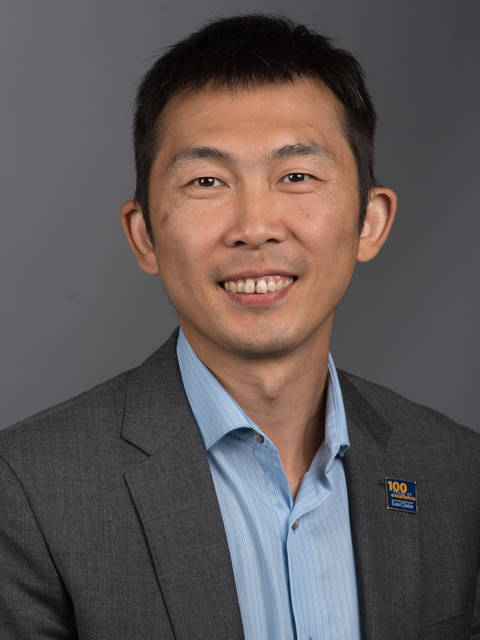
University of Wisconsin - Eau Claire
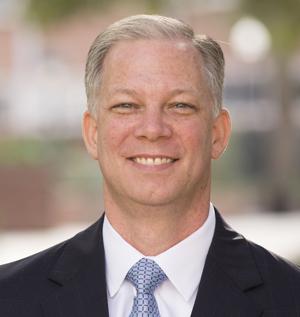
Florida State University
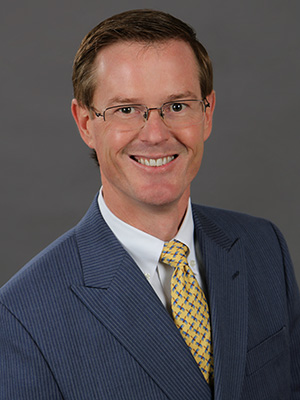
Kansas State University

University of New Mexico (UNM)
Freed-Hardeman University

Oklahoma Baptist University
University of Tennessee

Swarthmore College

Auburn University at Montgomery
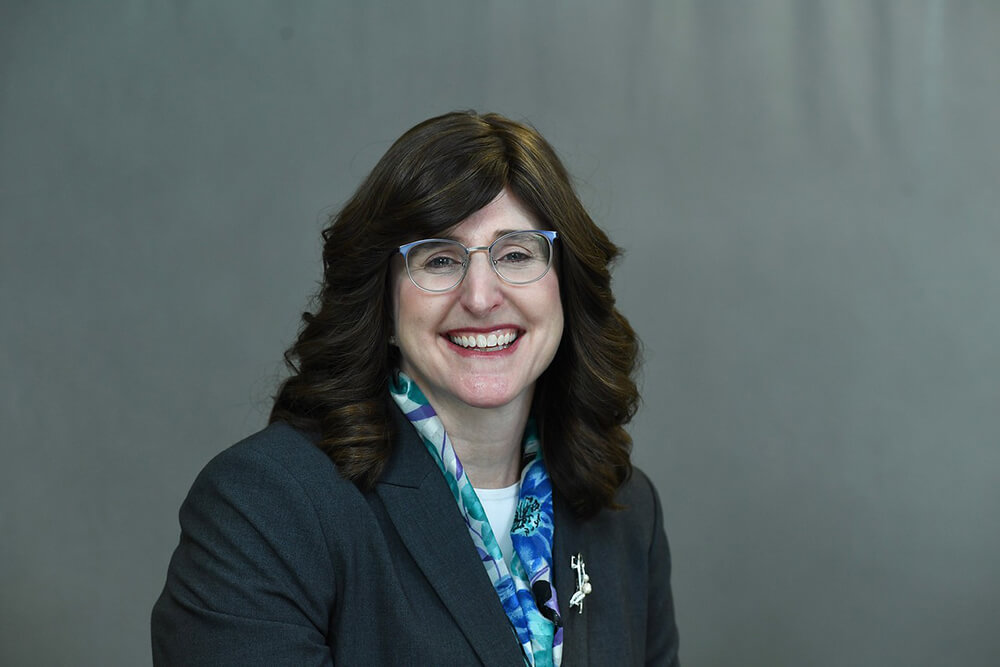
The Touro College
Western Carolina University
Auburn University at Montgomery
Maryville University
Davenport University

Azusa Pacific University

Arlington Baptist University
University of Minnesota Crookston
Dr. Laura Deeter PhD
Professor of Practice: Horticulture and Crop ScienceOhio State University
Applied Horticulture And Horticultural Business Services
What general advice would you give to a Director, Program And Project Management?
Dr. Laura Deeter PhD: Be open to learning and trying something outside of your comfort zone.
Be willing to work hard and don't expect to be project manager right out of school. Hard work will get you there fast enough.
What Director, Program And Project Management skills would you recommend for someone trying to advance their career?
Dr. Laura Deeter PhD: There are more than enough positions out there to find one with a good starting salary. Apply for as many as you can.
Be willing to relocate to another city or state.
What will help Directors, Program And Project Management increase their earning potential?
Dr. Laura Deeter PhD: There are more than enough positions out there to find one with a good starting salary. Apply for as many as you can.
Be willing to relocate to another city or state.
Dr. Trish Berg
Associate Professor of Management, Heidelberg University, Tiffin, OhioHeidelberg University
Business Administration, Management And Operations
What general advice would you give to a Director, Program And Project Management?
Dr. Trish Berg: Being a project manager involves constant change, learning, and interaction with diverse teams in various departments of an organization. The best parts of being a project manager include working with diverse people, building relationships, creating something new with each new project, empowering and motivating teams, gaining global knowledge, collaboration, impacting organizational culture, and delivering value with completed projects. Some of the difficult parts of working as a project manager include sometimes having accountability without the needed authority to be successful, not having diverse enough skills and having to use estimation and guesswork at times and relying on others for their knowledge. Project managers deal with a lot of uncertainty and must be resilient in how they react to each bump in the road.
What Director, Program And Project Management skills would you recommend for someone trying to advance their career?
Dr. Trish Berg: Daily, project managers create plans, create work schedules, build, and motivate teams, assign, and track work from start to finish, set project setting scopes and budgets, create workflow plans, and define what key performance indicators (KPIs) are which is how they can measure project success. Project managers must be both people focused, and task focused. Successful project managers understand what Sinek calls the power of the why in order to successfully motivate teams towards success.
What will help Directors, Program And Project Management increase their earning potential?
Dr. Trish Berg: One career field that is in high demand and growing is project management. With the complexity and flexibility needed in today's fast-paced culture, many organizations in diverse industries rely on project managers to complete jobs and organize teams to meet the needs of customers.
Daily, project managers create plans, create work schedules, build, and motivate teams, assign, and track work from start to finish, set project setting scopes and budgets, create workflow plans, and define what key performance indicators (KPIs) are which is how they can measure project success.
Project managers must be both people focused, and task focused. Successful project managers understand what Sinek calls the power of the why in order to successfully motivate teams towards success.
Marcia Godwin Ph.D.
Professor of Public Administration, Master of Public Administration (MPA) DirectorUniversity of La Verne
College of Business and Public Management
What hard/technical skills are most important for Directors, Program And Project Management?
Marcia Godwin Ph.D.: There is no replacement for being able to write at a professional level, which we often don't recognize as a hard skill. Being able to read financial statements and work with spreadsheets are other critical skills. Being comfortable with technology and managing technical projects is as important as knowing particular software. It was hard to imagine a few decades ago how geographical informational systems, apps, and social media would become central to public service. Managers need to be constantly looking to the future and staying current with their professional development to stay on top of technological and social changes.
What skills stand out on Director, Program And Project Management resumes?
Marcia Godwin Ph.D.: A strong commitment to public service is key. Public service motivation may seem like something that all applicants have in common, but resumes often list only work experience. Resumes should highlight passion and a record of helping others. Volunteer experience should be listed that for those entering public service or transitioning from other careers. I often mentor others to be aware of your "super powers," your go-to qualities that are distinctive. Successful managers are also those who have engaged in leadership in every position and support the development of their staff at every level of organizations.
What skills will help Directors, Program And Project Management earn the most?
Marcia Godwin Ph.D.: There are different pathways to advancing in public service. Most positions pay a solid living wage, and the public sector continues to have relatively generous benefits. Some positions, like firefighters, usually qualify for more overtime, and others with professional credentials (like doctors in public hospitals and professional engineers) have higher salaries. However, it is managerial and supervisorial skills that are most associated with advancement to executive management. That is why Master of Public Administration programs are so critical. Regardless of your undergraduate degree, an MPA is focused on the skills needed to advance within organizations.
Dr. Longzhu Dong Ph.D.
Assistant ProfessorUniversity of Wisconsin - Eau Claire
Management + Marketing Department
What soft skills should all Directors, Program And Project Management possess?
Dr. Longzhu Dong Ph.D.: The world of international business has changed a great deal in the past few years. Due to increased globalization, massive technological advances in online coordination, and the Covid pandemic, the need to develop project managers who can lead fully functioning global virtual teams (GVTs) has never been greater. Indeed, studies show that virtual teams are becoming the norm, and more and more multinational companies rely on GVTs to deal with their day-to-day challenges.
However, leading and working in GVTs poses unique challenges that traditional leadership approaches do not seem suited to tackling well. Such challenges include cross-cultural misunderstandings, lack of trust and spontaneity, poor communication, hard to focus and hold teammates accountable, all of which may result in low productivity. Therefore, to thrive in the international business world today, a manager may need an entirely different set of skills.
Perhaps the most important soft skill is cultural intelligence (CQ). CQ refers to the ability to relate and work effectively across different cultures, triggering a train reaction in GVTs. It first requires people to have an open mindset, which helps them realize that cultural differences are just differences and that every culture has its own way of defining "right" and "wrong." Just as the famous Confucius teaching goes, "all people are the same; only their habits differ." Indeed, when differences are seen as something neutral, the negative consequences of cultural bias can be minimized. CQ can also improve GVT communication effectiveness by better understanding visual and auditory cues such as body language and facial expressions so that GVT members will not form false impressions based on stereotypes. When everyone on your team is ready for open dialogue, GVTs can easily clarify shared team goals and guidelines, set clear expectations of each role, and foster trust along the way.
If CQ is the most important soft skill, then being tech-savvy would be the most important hard skill. Technological advances in online coordination/communication make global virtual teams possible and function well. As of right now, there are a lot of great online tools (e.g., Zoom, Google Meet, etc.) that integrate all key types of communication: conference call, breakout rooms, text messaging, file sharing, and online collaboration. However, simply being able to use various virtual meeting tools well is not enough because there's no one-size-fits-all tool for every team all the time. Being tech-savvy asks managers to steer the digital transformation in their teams promptly. It requires managers to constantly evaluate the emerging new technologies and make sure their choice of the tools "fits" their teams' needs over time, which may include members' network conditions, tool preferences, work style, tech skill levels, and the nature of the task/project.
Working in a global virtual team isn't necessarily only about challenges and lower productivity. It can become a valuable advantage and even build a 24/7 work cycle in teams, with proper training on CQ and technological skills.
C. Darren Brooks Ph.D.
Assistant Department Chair and Executive Director, Center for Human Resource ManagementFlorida State University
Department of Management and the Center for Human Resource Management
What hard/technical skills are most important for Directors, Program And Project Management?
C. Darren Brooks Ph.D.: As stated earlier, the field of management is broad and encompasses all industries and sectors. Consequently, the technical skills necessary to succeed will vary according to the specific knowledge and experiences required to understand the nuances of an organization. Accordingly, graduates who have business acumen and technical competency in a particular discipline or industry would be better positioned for employment opportunities. As a result, I always place emphasis on gaining internships and work experience concurrently with academic study. These experiences will provide a real-world understanding of the type of skills necessary to succeed in organizations as well as offer industry-specific knowledge. However, for many graduates, their practical skills are limited. In this case, it is important to ensure you have more generalizable skills that are applicable across industries, such as building digital fluency, analytical fluency, writing skills, and strong Excel skills. When speaking with consulting firms and industry employers, they repeatedly reference the need for graduates to demonstrate more advanced Excel skills.
What skills will help Directors, Program And Project Management earn the most?
C. Darren Brooks Ph.D.: According to the Bureau of Labor Statistics, employment in management occupations will grow over the next decade by 9%. Due to the broad array of management opportunities, variations in skills necessary for success are likely to exist based on the type of management work being performed and the industry or sector. However, there are general management skills or competencies necessary for success, including management consulting, that employers continually seek from graduates. The ten most sought-after skills include the following: critical thinking, intellectual curiosity, innovation/creativity, problem-solving, analytical fluency, digital fluency, adaptability, resilience, aptitude for collaboration and teamwork, and human capital management.
What soft skills should all Directors, Program And Project Management possess?
C. Darren Brooks Ph.D.: While advancements in technology, artificial intelligence (AI), and data analytics occupy center stage in many areas of management practice, soft skills continue to be seen as equally or even more important skills for success in the field of management. Soft skills are typically described as personal attributes, qualities, and characteristics that enable us to interact more effectively with others. In most fields of management, our ability to communicate, work with, and interact with other people constitutes a significant portion of the work we do. Consequently, employers are focused on identifying candidates who possess strong skills are areas of communication (verbal, written, and non-verbal), leadership and followership, collaboration, an ability to work in teams, intellectual curiosity, adaptability, conflict management, problem-solving, creativity.
What skills stand out on Director, Program And Project Management resumes?
C. Darren Brooks Ph.D.: Requisite skills relevant for management consulting roles that should be visible to employers can be grouped into the following three broad categories : (1) functional expertise and/or specialization of knowledge in particular areas or disciplines, (2) strong business analytics skills, and (3) the ability to lead projects or teams. Considering the broad nature of management, and particularly management consulting, skills should reflect the specific needs of the organization or industry of practice. For example, individuals working in executive compensation would require a different set of demonstrated skills on their resume than someone engaging in performance systems analysis to support process re-engineering within a manufacturing setting. Additionally, since management professionals work in and/or lead teams, being personable, engaging, proactive, demonstrated leadership, and an ability to handle difficult situations are all skills and competencies highly sought after. In sum, regardless of the industry or sector, most employers look for skills displayed both on a resume and then demonstrated during the selection process that shows the applicant possesses the capability to work within a team, has sound analytical skills, the ability to communicate complex information, resolve conflict and solve problems.
What certifications/licenses/courses can have the biggest impact for Directors, Program And Project Management?
Brett Horton Ph.D.: The successful leaders are those who:
- Have a degree in hospitality management and understand what just occurred.
-There are few certifications necessary for work in the hospitality. Food safety is required for some positions, but this has likely been obtained while in school. Additional certifications may be obtained in the first 5 years of employment.
What will help Directors, Program And Project Management increase their earning potential?
Brett Horton Ph.D.: - Willingness to take on increased responsibility
- Willingness to move locations
- Willingness to work in different departments to learn and grow with the organization
What certifications/licenses/courses can have the biggest impact for Directors, Program And Project Management?
Elsa Maria Castillo: In addition to the standard engineering coursework, it is important that students invest some time in the development of tech skills and digital skills that go beyond coursework such as conducting undergraduate research and receiving training in project management, additional programming languages, internet of things, machine learning, finite element analysis as well as the development of soft skills that could make a bigger impact on the job prospects. This is why at UNM Engineering we have partnered with alumni from various industries to offer some additional engineering skills workshops to help enhance our students learning experience and better prepare them to enter the workforce. Students should also aim to participate in internship opportunities or seek out and connect with professional mentors who could give students an insight into career opportunities and take advantage of networking opportunities offered through their school. We also recommend our students to create professional online profiles in apps such as LinkedIn and the schools' Office of Career Services digital platforms.
What's a good job out of college for Directors, Program And Project Management?
Elsa Maria Castillo: It all depends on the level of education, training and experience attained by the student during their college years. For instance, what I would consider a good job for someone with Bachelor's degree in Engineering would be a position conducting research and development in the respective engineering field either at a multinational corporation or at a national lab with six figures and that offers additional educational benefits for the individuals to continue advancing in their careers. For example, a few years ago I had a student who graduated with a Bachelor's in Chemical Engineering, who conducted a lot of research as an undergraduate student and participated in various internships. He wanted to go directly into the workforce before attempting graduate school. His training and experience allowed him to get a job at a multi-national corporation that offered him a starting salary of $105,000 plus financial support to continue with graduate school. That for me is a great job out of college and the student does not aim to pursue a graduate degree right away.
Will there be an enduring impact of the coronavirus pandemic on Directors, Program And Project Management?
Kristen Roberson: The workplace will forever be altered due to the pandemic, and the effects of those in career transitions, not just those graduating now, will be impacted for some time. It will take some time for the new normal to be normal.
What's a day at work look like for a Director, Program And Project Management?
Kristen Roberson: That depends on the role they are in, but the big hurdle is going to be landing that first role. They need to be willing to shift their plans, be ready to try contract or project-based work. No matter where they land, the ability to self-manage will be more critical than before 2020 since more work will be remote and much more video conferences, and a lot less travel.
What will help Directors, Program And Project Management increase their earning potential?
Kristen Roberson: Beyond internships paid or unpaid, my recommendation is that recent marketing students need to spend time obtaining digital certifications that universities usually don't provide. Being able to put these on a resume could be the reason they get that Zoom interview over a similar degree student.
Dr. Daryl Green
Associate Professor of BusinessOklahoma Baptist University
College of Business
What are the biggest trends we'll see in the Director, Program And Project Management job market given the pandemic?
Dr. Daryl Green: I have been researching emerging employment trends for several years. While working for the Department of Energy as a senior engineer, I have served as a college recruiter. There were gaps in the students' skill sets compared to employers' needs. I later co-authored a book called Job Strategies for the 21st Century to provide students with the necessary tools for future employment. 2021 will be very difficult due to the pandemic. From my research, here are 2021 employment trends to consider:
-Global Market - We are connected! Since employers can tap into human resources across the world, students will compete against others across the globe.
-Students who understand this employment reality will be better prepared.
-AI and Automation - Artificial intelligence is disruptive technology. Companies can avoid the high expense of labor through automation. According to 2013 Oxford University study, nearly half of American jobs are at risk of being taken over by computers by 2033. Students need to understand AI technologies.
-New Work Model - 2020 brought in the explosion of working from home due to Covid-19. Employees already wanted to have more flexibility in life. They got it from employers. Companies responded by offering 70% of full-time workers the ability to work from home!
-Freelancing - Freelancing is part of the gig economy. It goes much further than Airbnb and Uber. In the gig economy, businesses hire independent contractors to perform individual jobs, called "gigs." The total freelancing income is almost $1 trillion. Therefore, students who have an entrepreneurial mindset will fare better.
-Digital & Ecommerce - Covid-19 ushered the digital economy. If companies did not have a digital platform in 2020 with the lockdowns, they did not exist. According to the Internet World Stats, there are currently 4,208,571, 287 internet users. Therefore, students cannot afford to miss this continuing trend of digital platforms.
What soft skills should all Directors, Program And Project Management possess?
Dr. Daryl Green: The National Association of Colleges and Employers (NACE) has identified eight competencies associated with career readiness. These soft skills include career management, communication, critical thinking, cultural intelligence, digital literacy, leadership, professionalism, and teamwork. Sadly, most students are not aware of employers' expectation of career readiness competencies. College students who develop these career readiness competencies will be better prepared to compete for future job opportunities.
What's a day at work look like for a Director, Program And Project Management?
Dr. Daryl Green: Given the on-going threats of Covid-19, recent graduates can expect varying work days. Some students are working remotely (instead of an office space). Therefore, some recent graduates may still be living with their parents. We are still adjusting to 'The New Normal.' Given this reality, students need to be flexible and adaptable to their employment situation.
Scott Gilpatric
Professor and Department HeadUniversity of Tennessee
Department of Economics, Haslam College of Business
Will there be an enduring impact of the coronavirus pandemic on Directors, Program And Project Management?
Scott Gilpatric: Certainly some individuals will have an enduring impact if the pandemic really disrupted their life. For example, if they are a parent got very sick and the student became unable to continue in college, or their performance really suffered. But more broadly, I actually think we will come out the pandemic this summer with a strong economy-possibly even the strongest economic boom since the late nineties. So I think for many it will be a very good time to be starting a career.
What's a good job out of college for Directors, Program And Project Management?
Scott Gilpatric: That really depends on the individual. The most important factor in a first job coming out of college might be the opportunity to learn about yourself, learn what you are good at, and find a good direction for furthering your own growth in skills and understanding what you want your career to be. Obviously compensation matters, but often the work environment will impact job satisfaction more than money. Finding a place where you look forward to working with your colleagues most days is incredibly valuable, and a lot of compensation is required to offset the unpleasantness if you dread going to work every morning.
What will help Directors, Program And Project Management increase their earning potential?
Scott Gilpatric: The easy answer is being really proficient with handling data, including being comfortable with learning to code in whatever manner might be needed. There's no question those skills are likely to open doors. But in a very different way, one thing that really matters is being able to talk comfortably about ideas and developments in economics, business, or policy areas, signaling a strong base of knowledge. Towards that end, reading deeply, not just the headlines but long-form analysis in places like The Economist and other high-quality publications can be really beneficial.
Will there be an enduring impact of the coronavirus pandemic on Directors, Program And Project Management?
Stephen O'Connell: Recessions are a tough time to enter the job market and we're in the worst recession since the Great Depression. It remains to be seen whether the labor market will bounce back strongly, but it certainly won't bounce back in time to ease the situation of the class of '21 very much. Be ready to be persistent and resilient in your job search.
On the positive side for public policy work, the Trump Administration and the pandemic have left us with immense challenges of resuming normal, evidence-based policymaking and managing recovery from the pandemic. So public policy analysis may be a more robust area of the job market.
What's a good job out of college for Directors, Program And Project Management?
Stephen O'Connell: Work that uses your skills and builds new ones. There is a premium on your own flexibility over the couple of years, with a lot of job-market volatility due to uncertain structural impacts of the pandemic.
What technical skills for a Director, Program And Project Management stand out to employers?
Stephen O'Connell: The organization, presentation and interpretation of data are probably particularly valued. Comfort with all kinds of online productivity tools. As always, capacity for critical thinking. For now especially, ability to work independently within a team that meets only remotely.
Brett Lehman Ph.D.
ProfessorAuburn University at Montgomery
Department of Sociology, Anthropology, and Social Work
What are the biggest trends we'll see in the Director, Program And Project Management job market given the pandemic?
Brett Lehman Ph.D.: It might be a surprise to say that some things will remain steady during the pandemic. The job market will still require candidates with critical thinking skills, problem solving skills, oral and written communication skills, and project management skills. With so many aspects of the workplace changing rapidly, such as how we communicate with each other and unforeseen problems adding up, these skills may be more important than ever. The ability to continue projects, collaborate, and lead a group effort during these trying times will look impressive.
What certifications/licenses/courses can have the biggest impact for Directors, Program And Project Management?
Brett Lehman Ph.D.: Sociology students with research and public speaking experience will have improved job prospects. This could be developed in many courses, though some core areas for us are Research Methods and Statistics. Most employers collect and analyze data of some kind. Then they have to organize the results properly and present the findings to a variety of audiences. Any course that require students to do their own projects, make difficult decisions, justify those decisions, and then explain the results give students a leg up in critical thinking skills and much more. Students might also have similar experiences through community service, independent/supervised research projects, or an internship.
What's a good job out of college for Directors, Program And Project Management?
Brett Lehman Ph.D.: There is a business side and a human side to this answer. On the business side, I hope graduates are provided benefits like health insurance, a gainful salary, and opportunities for advancement. The way to hit a home-run is to get a job where those needs are taken care of and you still get to use your skills for something you feel is important. Most sociology students get into the subject because they care about the human side, want to help people, and see opportunity for creating positive social change. You'll get motivated sociology graduates when you show them a path towards achievement on the human side; then when we there's less worry about the business side, some impressive results could follow!
What are the biggest trends we'll see in the Director, Program And Project Management job market given the pandemic?
Jodi Smolen: Given the pandemic, new employees must be very proactive. They may be working from home--so they need to speak up, ask for advice and make sure they are delivering what is needed. They are missing out on those chance meetings in the hallway--so they may have to schedule Zoom sessions with peers or supervisors to touch base more often.
Students in marketing need to be savvy with social media. They need to be comfortable posting and following on Twitter, Instagram, Facebook and LinkedIn. Companies are looking for ways to meet their clients in comfortable spaces.
Given the pandemic, I think job trends are subject to change. Companies are still figuring out when/if they will be able to return to the office. Some firms are fully in-person while others are rotating staff in and out of the office, so they are not at full capacity. As business picks up for companies, I see they will be able and willing to hire more employees to handle the influx. At Touro College, our students receive a superior education. As marketing students, they should compile a portfolio of class projects as they move through their classes and add anything they create on their own time as well.
What certifications/licenses/courses can have the biggest impact for Directors, Program And Project Management?
Jodi Smolen: I think this depends on the industry. Finance students give themselves an advantage by taking the Securities Industry Essential (SIE) exam during college. The exam does not require employer sponsorship and it is good for 4 years. If students want to become a securities trader, investment banker, or financial advisor, the SIE exam is a necessary step before they take the Series 6 and 7 exams after graduation. It shows a prospective employer that the student is serious about a career in the financial services industry.
In addition, finance students should hone their advanced Excel skills. Whether they do this in college, or on their own time, knowing Pivot Tables and VLOOKUP will set them apart from other candidates.
Computer science students should know that Python is in strong demand. If they know the basics of this language, they will have more job opportunities in different industries. Similarly, many data science jobs require Python, SQL or R programming languages. Candidates who pick up programming languages easily can learn on the job, but it is always more desirable to walk into the job knowing the language they want to use.
Will there be an enduring impact of the coronavirus pandemic on Directors, Program And Project Management?
Angela Sebby Ph.D.: While jobs may be slower to return to the capacity pre-Covid, the industry and tourism employment will rebound as people still want to travel and explore diverse foods, cultures, and experiences. However, the enduring impact will be the rapid onset of technology that allowed for limited contact with employees and others has become the new norm. Although human interaction is an important aspect of service in the tourism industry, employers have found that they can reduce the number of personal interactions but still deliver an acceptable level of quality service. What would have taken years to adopt, COVID created an amplified adoption.
What's a good job out of college for Directors, Program And Project Management?
Angela Sebby Ph.D.: It depends on which area of tourism one would like to go into (hotels, country clubs, event planning, attractions, etc.) and how quickly that industry will bounce back after the vaccines are administered. Therefore, all students should make sure that they pay attention to the diverse sectors, look for trends and adaptations in the industry, gather experience while going to college, network with those in the industry, consider appropriate certifications, and be willing to relocate. So, although the initial job out of college might not be the "dream" job, it is important for graduates to create a personal strategic plan to acquire the knowledge, skills, and abilities necessary for the dream job. I would suggest investing time and attention to jobs that offer exceptional customer service, concentrate on training and development, and are aligned with the graduate's core values.
What technical skills for a Director, Program And Project Management stand out to employers?
Angela Sebby Ph.D.: Business, creative, and organizational skills - I would recommend that upcoming graduates are proficient in Word, Excel (highly used), Powerpoint, Outlook (especially how to send meeting requests and calendar organization), TEAMS, Gantt charts for team management, Mindmapping for creativity, and design software. Additionally, I would recommend that they learn how to properly utilize social media for marketing and PR, not just personal posting. Finally, email etiquette would be essential.
What soft skills should all Directors, Program And Project Management possess?
TeWhan Hahn Ph.D.: Writing skills including email writing, being able to work in teams, and knowing the workplace etiquettes.
What's a day at work look like for a Director, Program And Project Management?
TeWhan Hahn Ph.D.: They should be able to contribute to the increase in productivity and learn how to be patient.
What are the biggest trends we'll see in the Director, Program And Project Management job market given the pandemic?
TeWhan Hahn Ph.D.: There will be more openings for employees who are willing to work remote.
Meaghan Goodman Ph.D.
Program Director & Assistant ProfessorMaryville University
Speech-Language Pathology
Will there be an enduring impact of the coronavirus pandemic on Directors, Program And Project Management?
Meaghan Goodman Ph.D.: At this point it is hard to say. Certainly, there were immediate impacts as students and professors alike shifted to learning and teaching in a virtual world. Some students had to tackle online learning while sharing resources like Wi-Fi with parents and other siblings. Long term, it is possible that coronavirus may impact hiring for the foreseeable future. With more money needing to be shifted towards personal protective equipment, and cleaning procedures and supplies, many businesses including hospital systems and school districts will be taking a closer look at their bottom line.
I do think this pandemic highlighted a need for highly skilled Speech-Language Pathologists. For some, contracting COVID-19 meant intubation (a procedure in which a tube in inserted through the mouth and into the trachea to provide breathing support for critically ill patients). We are often consulted for patients requiring prolonged intubation. After a patient has intubation removed, we are often consulted in evaluating damage to a patient's swallow as well as their vocal quality. Because of the nature of intubation, patients aren't able to speak, so alternative forms of communication must be established, lending another opportunity for a Speech-Language Pathologists to demo
What's a day at work look like for a Director, Program And Project Management?
Meaghan Goodman Ph.D.: A bachelor's in communication sciences and disorders can prepare you for three different tracks. First, it can prepare you to become a licensed Speech-Language Pathology Assistant (SLPA). This is someone who works under a fully credential speech-language pathologist. Often times, they carryout intervention plans developed by a fully credentialed speech-language pathologist. If graduate school is on your horizon, a bachelor's degree in communication sciences and disorders will prepare you for acceptance into a Speech-Language Pathology program, or an Audiology program. If you are not accepted into a graduate program right away, working as a speech-language pathology assistant (SLPA) is a great way to get experience in the field!
What technical skills for a Director, Program And Project Management stand out to employers?
Meaghan Goodman Ph.D.: Speech-Language Pathologists help people improve their speech, language, swallowing, hearing, and other communication abilities. The goal of our profession is ultimately to help people effectively communicate and improve quality of life. Therefore, the skills that standout to employers are Speech-Language Pathologists who
-Like to think critically and problem solve,
-Are passionate about the field and demonstrate a desire to continually learn more,
-Are dedicated to serving people and helping them live their best lives,
-And those who possess strong advocacy skills!
What are the biggest trends we'll see in the Director, Program And Project Management job market given the pandemic?
Todd Terry: The pandemic has caused many existing businesses to scale back or go out of business. This disruption provides an avenue for the entrepreneur to excel. Areas that should experience entrepreneurial growth may include, technology, supply chain management with an emphasis on product delivery to the end consumer. Risk management is another sector that will experience growth. The business world is experiencing something it never had realized before with the pandemic, and this brings to the forefront the need to be prepared for such another type of experience. Online retail management is a sector that has experienced growth during the pandemic and is becoming the norm. Customers have adapted well to this concept of ordering products online and having them delivered to their door step. This practice turns into a time saving opportunity for the customer, and an opportunity for the entrepreneur to provide a service with in the supply chain.
What soft skills should all Directors, Program And Project Management possess?
Todd Terry: Graduates as they prepare to enter the workforce should pay particular attention to their ability to communicate with coworkers. This communication could happen through face-to-face interactions, remote meetings with the aid of technology for example, meeting by computer software, written communication through instant messaging, or emails. Also, part of communicating is being a good listener.
Graduates should have good critical thinking skills. They will need to be adaptive and able to analyze data to make good informed decisions.
In today's work environment, working on teams is a regular function. Therefore, employers are looking for the candidate who can professionally interact with other team members, have a positive attitude and a good work ethic.
What's a day at work look like for a Director, Program And Project Management?
Todd Terry: What once was well defined with working hours, an office space, coworkers being close by to develop relationships with seems to be misplaced during the current working environment. In the working situation we are in today, graduates will need to be flexible with working hours as work hours may not be defined and could change by day. Office space may mean that one is working remotely from home. Building of relationships with coworkers will be done using technology as coworkers may be located in many different areas or time zones.
In general business will continue to function remotely. The pandemic has created a sense of creativity in how business is done. The one major component the pandemic has created is where large and small businesses are conducting daily business functions from remote locations. This practice has proven that business can be effectively done without having to travel to distant locations. Consequently, business travel will be continue to be slow.
What are the biggest trends we'll see in the Director, Program And Project Management job market given the pandemic?
Bala Musa Ph.D.: Remote working and telecommuting will continue to grow proportionately, as part of organizational operations. Self-managed teams, global collaborations and machine-learning will be among the biggest trends in organizations of the future.
What certifications/licenses/courses can have the biggest impact for Directors, Program And Project Management?
Bala Musa Ph.D.: Digital literacy, cultural literacy, information technology, data management and human communication skills courses and certifications will continue to be relevant in the workplace.
What's a good job out of college for Directors, Program And Project Management?
Bala Musa Ph.D.: A good job out of college is one that allows you to apply creative and critical thinking skills. Future work environments will require employees to innovate and adapt. Any job that helps you cultivate, sharpen and apply those skills will serve you and your organization well. It will prepare you to adapt in the face of change and future disruptions.
What are the biggest trends we'll see in the Director, Program And Project Management job market given the pandemic?
Peggy Smith: As a result of the pandemic which has created life anew to include social distancing, quarantining, virtual learning, an increase in home schooling and working from home, etc., telecommuting will no longer be considered a luxury for companies to offer as a special benefit. In an effort to remain solvent, companies are and will continue to revisit the way that their businesses are structured thereby offering more telecommuting opportunities. Thus, hiring workers with the requisite technical savvy has become, without equivocation, a must! As a result, what we may see is that those workers who are either approaching or have reached retirement age may opt to literally retire now as opposed to putting it off to a later date (which may have been a part of their original plan). In so doing, this will very likely provide a myriad of opportunities for the younger workforce.
What technical skills for a Director, Program And Project Management stand out to employers?
Peggy Smith: It is my fervent belief (based on research and trends) that the technical skills associated with IT, computer programming, software management, social media specialist, customer relations management (CRM), sales, & marketing will be in high demand particularly as we navigate this new normal world in which we are currently living.
What's a good job out of college for Directors, Program And Project Management?
Peggy Smith: A graduate would very likely do quite well in procuring employment in the healthcare field possibly in pharmaceutical sales, management, practice management, etc. In addition, digital marketing, programming, and web development appear to be on the rise.
Are there any particularly good places in the United States for Directors, Program And Project Management to find work opportunities?
Rutherford Johnson Ph.D.: With the remote working possibilities, graduates could work for a company in a big city without leaving their hometown. As for classic jobs with relocation involved, that really depends on the field. For international business, the major international and finance cities such as New York, Boston, and Atlanta are always significant -- though with definite cost of living problems. My advice is to look everywhere and be willing to give a city or region you never thought of living in a try. The less-traveled path can often lead to great success.
What are the biggest trends we'll see in the Director, Program And Project Management job market given the pandemic?
Rutherford Johnson Ph.D.: People and companies have seen that many jobs can be done from home or remotely, and the technology exists and is improving to allow that. It also allows for more work-life balance, which is, in my opinion, important both for health and for worker productivity. I expect this trend will continue to one degree or another, even as more in-person interaction returns. The same mindset and technology also allows for more international engagement without travel or relocation. So, perhaps now we will see graduates in the USA working for companies in Germany, or from France working for Polish companies, and so on -- all without relocating. That is a great way to expand opportunities as well for those in developing countries who might not otherwise have access to such jobs.
What skills stand out on Director, Program And Project Management resumes?
Rutherford Johnson Ph.D.: Well, familiarity and proficiency with the technology I just described is now important. I also always promote language as a highly valuable skill -- and if you are working internationally, even remotely, it is a definite skill that makes you stand out. Even though English is now the main international language, do not just rely on that if that is your main language. Knowing the language of your clients, for example, even just a little of it, can pay off and make you get noticed. It also helps you understand the culture and people of that country a lot better.