Explore jobs
Find specific jobs
Explore careers
Explore professions
Best companies
Explore companies
Job outlook for junior research associates in the United States
Are junior research associate jobs in demand?
Junior research associate job and salary trends over time
Junior research associate jobs over time
Junior research associate job growth rate over time
| Year | # of jobs | % of population |
|---|---|---|
| 2021 | 532 | 0.00% |
| 2020 | 623 | 0.00% |
| 2019 | 597 | 0.00% |
| 2018 | 703 | 0.00% |
| 2017 | 678 | 0.00% |
Average junior research associate salary over time
Junior research associate salary by year
| Year | Avg. salary | Hourly rate | % Change |
|---|---|---|---|
| 2025 | $87,565 | $42.10 | +1.2% |
| 2024 | $86,541 | $41.61 | +2.5% |
| 2023 | $84,391 | $40.57 | +6.3% |
| 2022 | $79,375 | $38.16 | --0.4% |
| 2021 | $79,667 | $38.30 | +1.0% |
Junior research associate jobs by state
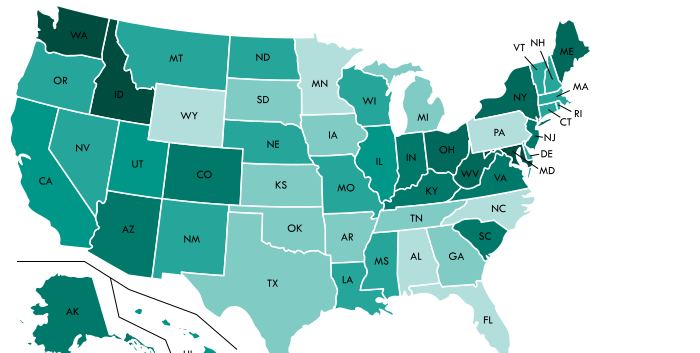
Most common states for junior research associates
| Rank | State | Population | # of jobs | Employment/ 1000ppl |
|---|---|---|---|---|
| 1 | District of Columbia | 693,972 | 172 | 25% |
| 2 | Maryland | 6,052,177 | 1,084 | 18% |
| 3 | Massachusetts | 6,859,819 | 1,151 | 17% |
| 4 | Vermont | 623,657 | 101 | 16% |
| 5 | Oregon | 4,142,776 | 579 | 14% |
| 6 | Virginia | 8,470,020 | 1,138 | 13% |
| 7 | Colorado | 5,607,154 | 708 | 13% |
| 8 | Utah | 3,101,833 | 394 | 13% |
| 9 | New Hampshire | 1,342,795 | 174 | 13% |
| 10 | Rhode Island | 1,059,639 | 142 | 13% |
| 11 | Delaware | 961,939 | 128 | 13% |
| 12 | Minnesota | 5,576,606 | 603 | 11% |
| 13 | Nebraska | 1,920,076 | 215 | 11% |
| 14 | Wyoming | 579,315 | 61 | 11% |
| 15 | New Jersey | 9,005,644 | 903 | 10% |
| 16 | South Dakota | 869,666 | 87 | 10% |
| 17 | New York | 19,849,399 | 1,866 | 9% |
| 18 | Maine | 1,335,907 | 115 | 9% |
| 19 | Montana | 1,050,493 | 90 | 9% |
| 20 | North Dakota | 755,393 | 68 | 9% |
Most common cities for junior research associates
| Rank | City | # of jobs | Employment/ 1000ppl | Avg. salary |
|---|---|---|---|---|
| 1 | Costa Mesa | 1 | 1% | $86,461 |
| 2 | Cleveland | 1 | 0% | $112,601 |
| 3 | Santa Ana | 1 | 0% | $86,511 |
Junior Research Associate job outlook: Expert opinions
Our panel of junior research associate experts

Franklin and Marshall College
Morehouse School of Medicine
Grambling State University
The University of Iowa
State University of New York at Oswego

Portland State University

University of La Verne

Stonehill College
Ohio State University

Ohio State University
Fronefield Crawford
ProfessorFranklin and Marshall College
Department of Physics and Astronomy
What are the biggest trends we'll see in the Junior Research Associate job market given the pandemic?
Fronefield Crawford: I don't have much to say about this since I have not had a non-academic job or been involved with that market for about 20 years.
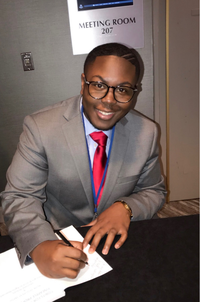
Dr. DeQuan Smith
Assistant Director, Graduate Education & Career ConnectionsMorehouse School of Medicine
Division of Graduate Education in Biomedical Sciences
What soft skills should all Junior Research Associates possess?
Dr. DeQuan Smith: Adaptability, collaboration, learning agility, emotional intelligence, creativity, interpersonal communication, growth mindset, focus mastery, and innovation.
Will there be an enduring impact of the coronavirus pandemic on Junior Research Associates?
Dr. DeQuan Smith: What we are experiencing now is the most uncertain workforce since the Great Depression of the 1930s. In the coming months, new graduates by the thousands will enter the workforce eager to make their mark on the world. For graduates across the nation, many will enter their new careers remotely forcing them to adapt to new ways of learning and working post pandemic. It is increasingly important now that future graduates begin to construct a "Game Plan". I highly encourage graduates to explore alternative forms of networking, communicating their skillsets, and strategies diversifying themselves from the competition of the workforce. Graduates should also consider high demand careers where their transferable skillsets can make a significant contribution in fields such as: Biotechnology, Health Informatics, Data Science and other related careers within the scientific and technological fields. The coronavirus will have an unprecedented impact on our graduates; however, this provides an opportunity for our graduates to emerge as better thinkers, stronger communicators, and more agile leaders.
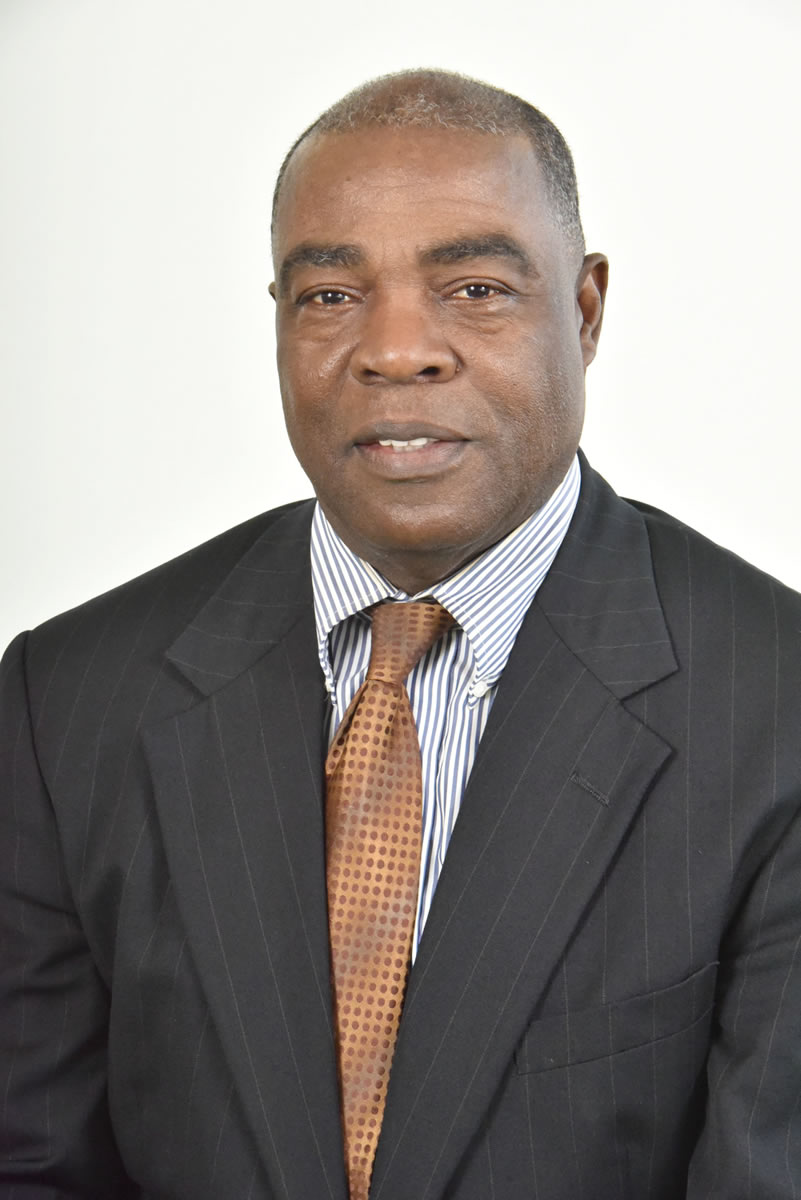
Dr. Bobby Burkes
Interim Department Head/ProfessorGrambling State University
Department of Chemistry
What's a good job out of college for Junior Research Associates?
Dr. Bobby Burkes: The entire Corporate/Industrial arena have positions that utilize chemist. The entry level positions in the Environmental Monitoring, Hazardous Material Management, Instrumentation Usage, Quality Control, Pharmaceutical Sales, Food and Drug Quality Assessment are a few of the many occupations that are available to beginning Chemists.
What technical skills for a Junior Research Associate stand out to employers?
Dr. Bobby Burkes: Technical skills in addition to having a full and thorough understanding of your area of expertise will be the ability to communicate interactively via computational systems and other communication platforms. The ability to communicate (convey and express ideas) in a direct and remote setting is becoming an essential asset. The ability interact with and possibly develop simulations of experimental design and process flow paths are also technical skills that are in demand in most industries.
What skills stand out on Junior Research Associate resumes?
Katina Lillios: While the precise skills that are desired depend on the job, there are some that all graduates from an Anthropology program should work on developing. These include experience contributing to group projects, collaborating with diverse communities, strong communication and writing skills, versatility, and mastery of a specialized skill, such as GIS, a foreign language, statistics, and other digital technologies.
Are there any particularly good places in the United States for Junior Research Associates to find work opportunities?
Katina Lillios: With an Anthropology degree in hand, it is easier to find employment in high population density areas, where colleges/universities, museums, libraries, and hospitals are located.
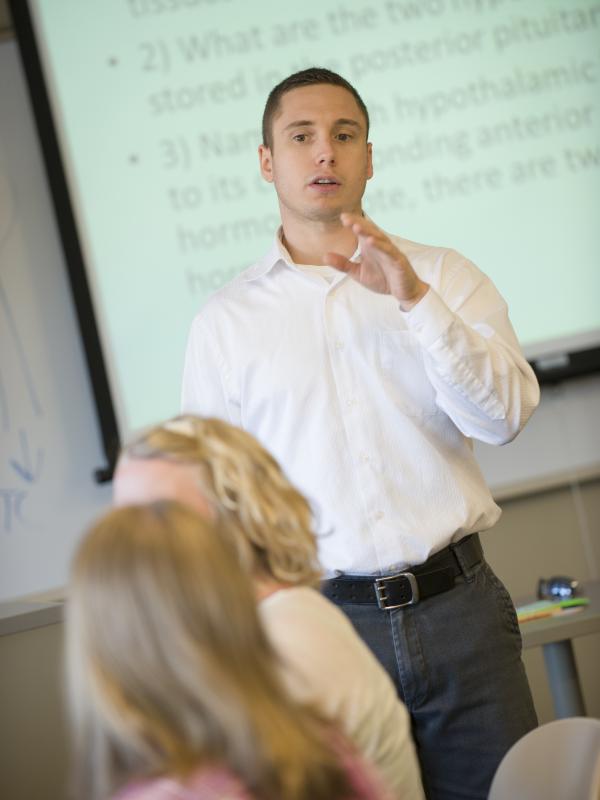
Ryan Barker
Visiting InstructorState University of New York at Oswego
Departments of Biological Sciences and Health Promotion and Wellness
What general advice would you give to a Junior Research Associate?
Ryan Barker: Put your time in, get your experience, make your bosses proud and move on. So long as there is a strong market, don't waste time "waiting" for the perfect job, leave. Go out and get it, just don't level on bad terms and make sure you provided value at the time of your departure.
What Junior Research Associate skills would you recommend for someone trying to advance their career?
Ryan Barker: Gap years are great for experience, do your best to find a job on the ground in your local area but keep mastering things like Zoom or Webex and other telecommunication services. Take the time to set up a designated site in your apartment or home and be prepared to use it because foriegn firms want American talent to strength their presence in the American and global market.
What type of skills will young Junior Research Associates need?
David Cadiz MBA, Ph.D.: It is important to have foundational knowledge around workplace laws and to continuously stay up-to-date with new laws and the interpretation of the laws based on the results of different federal and state cases. There is also a growing expectation that students have familiarity and comfort with using data and data analytics to make decisions. Finally, employers are looking to HR professionals to have a more strategic mindset in terms of how initiatives, programs, and policies are introduced and implemented. In other words, the days of the HR department primarily focusing their attention and resources on compliance and transactional processes (i.e., payroll, filling out forms) are reducing because technological solutions can address these type of processes. Now there is a focus on transformational practices, which are practices that facilitate better execution of a company's strategy to achieve their business goals.
Will there be an enduring impact of the coronavirus pandemic on Junior Research Associates?
David Cadiz MBA, Ph.D.: Yes, I believe there will definitely be an enduring impact of the pandemic on graduates. First, depending on how quickly the new graduate is able to secure a job post-graduation. If a graduate is unable to get a job in the HR profession for an extended period of time, this could hold them back in terms of advancing their career because the HR profession deals with the ambiguities and sometimes unpredictable nature of human behavior; knowing how to manage these comes with experience. Second, a lot of graduates are going to face a different workplace, especially with work transitioning to be more virtual. We were starting to see organizations rethink the idea that everyone has to come into a central location to complete their work, and this trend has only increased during the pandemic. This means, that as an HR professional, you may be in a physically different location than your colleagues, and so trying to establish relationships and connecting with employees will need to be done through technology. Third, I think because the students have had to be so adaptable and resilient in order to complete their degree, this will translate into a long-term strength in terms of their ability to deal and manage the variety of situations that they will face once they are in the workforce.
What experience really stands out on Junior Research Associate resumes?
David Cadiz MBA, Ph.D.: Based on feedback I have been getting from organizations that have been interviewing and hiring our new graduates, there are two primary components on new graduate resumes that are setting these new graduates apart in terms of those getting more interest for interviews versus those who are not. First, students who have had at least one HR-specific internship (multiple internships would be even better) are definitely seeing more interest from employers. A lot of entry-level HR jobs are asking for applicants with some HR experience and those with internships can meet that requirement and essentially get passed that first hurdle. Second, I am a bit biased here because I am a faculty advisor for a Society for Human Resource Management (SHRM) student group at PSU, but students that actively participate and take on a leadership role in a student group have seen a lot of interest from employers. By participating in these groups, the students are able to show employers that they have gained some leadership skills and are willing to go over and beyond in terms of spending time volunteering for a group that is focused on developing HR professionals.
What experience really stands out on Junior Research Associate resumes?
Allyson Brantley Ph.D.: History majors and aspiring historians should not hesitate to emphasize their critical thinking and research skills. The ability to research a specific topic, seek out exciting sources, and place them in context are all skills that are needed in the fields that history often 'feeds' into (like teaching, public record, and higher education) as well as in the areas of communication, business, technology, and the like. Just because you don't graduate with a business degree doesn't mean you don't have the right skill set. So it's important to emphasize the transferability and flexibility of your education.
Will there be an enduring impact of the coronavirus pandemic on Junior Research Associates?
Allyson Brantley Ph.D.: For most of our History majors -- as with any others -- I'm sure there will be an impact, but it's hard to say whether or not it will be long-lasting. Since some of our graduates go into fields like museum work and public history, they may find it challenging to enter into those fields right away, given that museums have been facing severe budgetary constraints. There may be some impacts down the line in terms of the ability to get an internship or entry-level position in these fields.
I think we may also see an uptick in the number of history undergraduates who choose to go into master's or Ph.D. programs (something that indeed occurred in the wake of the Great Recession); without many job options, many pursue additional degrees.
What technology do you think will become more important and prevalent for Junior Research Associates in the next 3-5 years?
David Simon: Two closely related areas of technology will have a particularly large impact on the careers of young physicists in coming years: quantum technology and photonics.
With the surge in interest in quantum computation and related areas such as quantum cryptography, quantum communication, and quantum sensing, working knowledge of quantum mechanics has become a valuable asset for job seekers. In the past ten years, many start-up companies have appeared whose purpose has been to bring formerly exotic quantum protocols and quantum technologies to life in practical, real-world applications. Many tech giants like Apple, IBM, Microsoft, and Google have also recently founded initiatives along the same lines. So, these quantum technology companies have become a valuable source of potential jobs for new graduates who have a strong grounding in quantum mechanics, combined with either solid computational or experimental skills.
One other rapidly growing source of potential employment for new physics graduates in photonics, the science and application of light-based technologies. Photonics has an enormous range of applications that includes fiber-optic communication networks, self-driving cars, remote sensing for archeology, biomedical imaging, and remote detection of environmental hazards. Photonic devices are also one of the most promising platforms for the quantum technologies mentioned above, as well as being a key tool for many areas of fundamental science such as quantum optics and atomic physics. Non-academic jobs in photonics-related industries have been exploding in recent years, but the academic world has been slow to keep up: there is a widely recognized shortage of dedicated photonics programs at the undergraduate level. So, a student who graduates from a physics program with a strong background in optics and electronics is likely to find themselves with a wide variety of options in photonics-related careers.
What type of skills will young Junior Research Associates need?
Bart Elmore: There really is no profession that does not lean on history. Politicians speak of what the "Founding Fathers" believed in trying and getting legislation passed. Business leaders have to look back at old annual reports and financial records to understand economic trends and predict problems that might arise in the future. Even doctors have to learn how to examine health data compiled decades ago to understand how best to treat their patients. I'm not sure people think of history this way, but the truth is, knowing how to digest historical data and translate it into useful information that can help guide decisions in the present is what historians do. I cannot think of a more powerful discipline when it comes to learning skills that will help young graduates live better lives once they leave the university.
How do you envision technology impacting Junior Research Associates in the next 5 years?
Bart Elmore: It is already changing the profession. Global Information Systems (GIS) maps and textual recognition technology, among other digital tools, are helping us see history like we never have before. This is why historians can enter the job market with real technical skills that have broad application in many different professions. Many history classes offered today require students to learn how to use new digital tools to do their research, and I see that becoming even more commonplace in the next five years. This bodes well for history majors going off into a job market that seeks young graduates with computer skills.
What are the biggest trends we'll see in the Junior Research Associate job market given the pandemic?
Ben Brown: We are seeing a lot more online interviews and job seekers. Having an updated virtual profile is important in these times.
What Junior Research Associate skills would you recommend for someone trying to advance their career?
Ben Brown: Always the soft skills of holding a conversation and working with people, regardless of the pandemic.