Explore jobs
Find specific jobs
Explore careers
Explore professions
Best companies
Explore companies
Job outlook for medical care evaluation specialists in the United States
Are medical care evaluation specialist jobs in demand?
Medical care evaluation specialist job and salary trends over time
Medical care evaluation specialist jobs over time
Medical care evaluation specialist job growth rate over time
| Year | # of jobs | % of population |
|---|---|---|
| 2021 | 16 | 0.00% |
| 2020 | 29 | 0.00% |
| 2019 | 29 | 0.00% |
| 2018 | 18 | 0.00% |
| 2017 | 18 | 0.00% |
Average medical care evaluation specialist salary over time
Medical care evaluation specialist salary by year
| Year | Avg. salary | Hourly rate | % Change |
|---|---|---|---|
| 2025 | $44,862 | $21.57 | +2.8% |
| 2024 | $43,643 | $20.98 | --0.7% |
| 2023 | $43,957 | $21.13 | +3.0% |
| 2022 | $42,683 | $20.52 | +3.0% |
| 2021 | $41,441 | $19.92 | +2.5% |
Medical care evaluation specialist jobs by state
Most common states for medical care evaluation specialists
| Rank | State | Population | # of jobs | Employment/ 1000ppl |
|---|---|---|---|---|
| 1 | District of Columbia | 693,972 | 316 | 46% |
| 2 | Delaware | 961,939 | 351 | 36% |
| 3 | Nebraska | 1,920,076 | 673 | 35% |
| 4 | Minnesota | 5,576,606 | 1,882 | 34% |
| 5 | Kansas | 2,913,123 | 883 | 30% |
| 6 | Missouri | 6,113,532 | 1,797 | 29% |
| 7 | New Mexico | 2,088,070 | 589 | 28% |
| 8 | Illinois | 12,802,023 | 3,479 | 27% |
| 9 | Georgia | 10,429,379 | 2,767 | 27% |
| 10 | Idaho | 1,716,943 | 470 | 27% |
| 11 | Virginia | 8,470,020 | 2,132 | 25% |
| 12 | Nevada | 2,998,039 | 716 | 24% |
| 13 | West Virginia | 1,815,857 | 439 | 24% |
| 14 | North Dakota | 755,393 | 180 | 24% |
| 15 | Kentucky | 4,454,189 | 984 | 22% |
| 16 | Iowa | 3,145,711 | 694 | 22% |
| 17 | Alabama | 4,874,747 | 1,047 | 21% |
| 18 | Montana | 1,050,493 | 217 | 21% |
| 19 | South Dakota | 869,666 | 186 | 21% |
| 20 | Vermont | 623,657 | 126 | 20% |
Medical Care Evaluation Specialist job outlook: Expert opinions
Our panel of medical care evaluation specialist experts

Rowan University
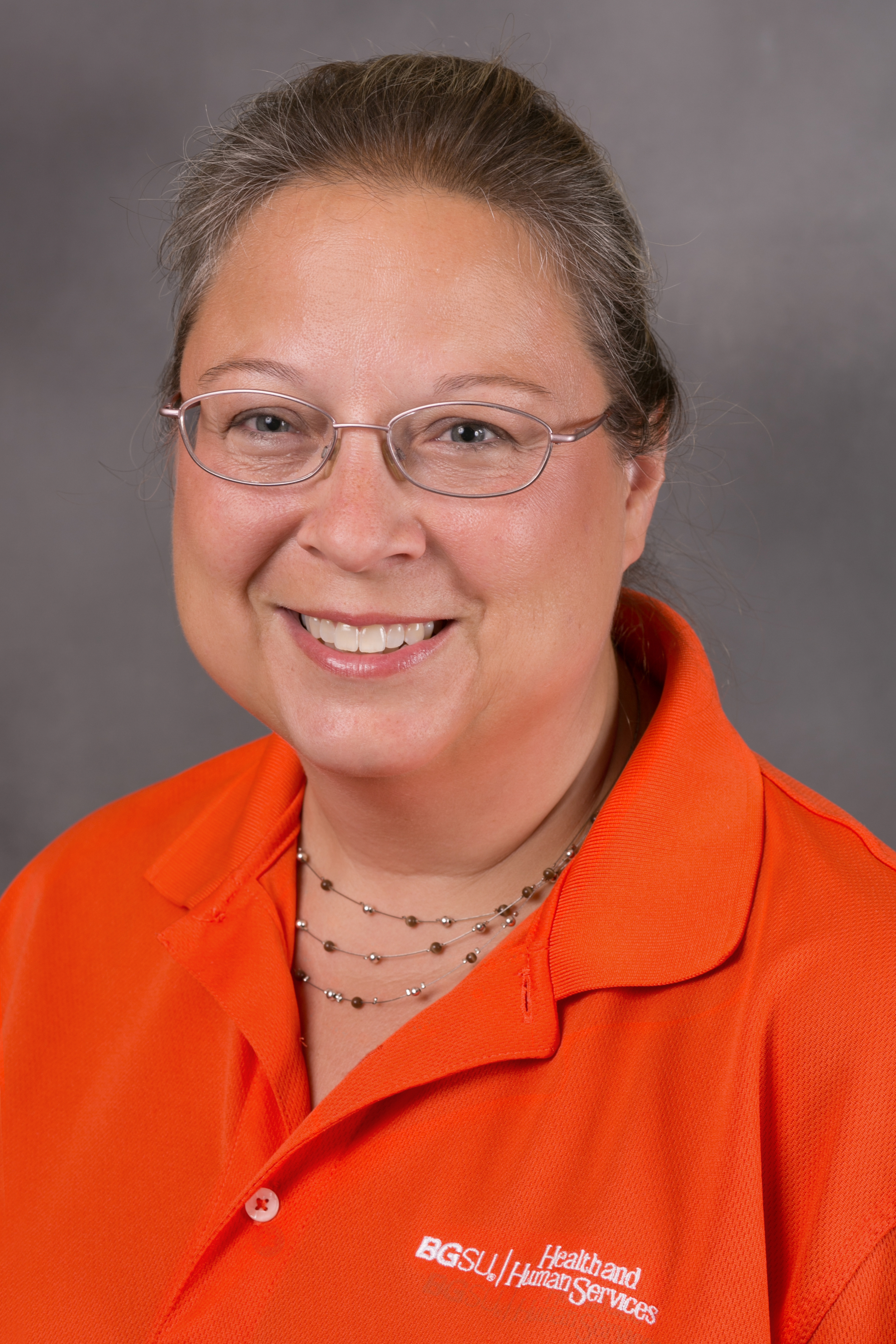
Bowling Green State University
North Carolina Central University
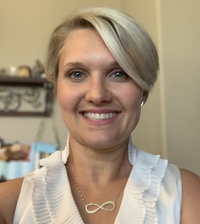
Northwestern State University

Forsyth County, Georgia
Dr. Kate Seltzer Ph.D.
Assistant ProfessorRowan University
Department of Language, Literacy and Sociocultural education
How would you rate the starting salaries for Medical Care Evaluation Specialists, as well as the prospects for salary advancement?
Dr. Kate Seltzer Ph.D.: Educators are not paid nearly enough. However, working in a state with strong teachers' unions helps to ensure a starting salary that recent graduates can live off of and growth opportunities, albeit modest, over their careers.
What are the best companies to work for a Medical Care Evaluation Specialist?
Jennifer Wagner: In my opinion, we have a strong alumni base in the following companies: Brookdale Assisted Living, Promedica/Heartland (in the Toledo area, most of the Heartland Nursing Homes were bought by Promedica), Sprenger Health Care, Otterbein Senior Life, which just merged with Sunset Communities (Toledo and Sylvania, OH (both companies have a strong alumni base)), HCF Management, CHI Living Communities, and Ohio Living. These companies have a strong commitment to educating the next generation of administrators and other health care managers. These companies recognize talent and develop that talent; most of these companies hire our students after completing their internship after the significant investment they made in our students.
Will there be an increase or decrease in demand for Medical Care Evaluation Specialists in the next 5 years?
Jennifer Wagner: I have been on several webinars with NAB, McKnights, and ACHCA since the pandemic began. I am also on several social media sites for administrators and assisted living administrators. In my opinion, there will be a great demand for health care professionals in general, but long-term professionals, especially. With baby boomers retiring, we were already approaching a high demand for professionals.
With the pandemic, we see early retirements, people returning to school for master's degrees to climb the corporate ladder, get out of the day to day operations, and just plain old burnout. The pandemic has hard hit the nursing home industry. Employees can earn more money on unemployment, and they can easily find other service-related jobs making the same amount of money, working fewer hours, and less stress.
We cannot forget the fear, anxiety, and the weekly, or more often, Covid tests that our staff has to endure. There is still a critical shortage of PPE in long term care. From what I am hearing from industry leaders and regulatory agencies, if new grads and interns can learn to navigate this pandemic and the ever-changing regulations, they will not only be an asset to the profession, but they will be in high demand.
Elisha Blankson
Program Director NCCU, Assistant ProfessorNorth Carolina Central University
Communication Disorders Department
What type of skills will young Medical Care Evaluation Specialists need?
Elisha Blankson: Graduates will need a skill set about the field in which they received training and additional skills useful to the job market. For example, with the changing demographics in the United States, extra skills in information technology and foreign languages will be a plus when entering the job market.
What experience really stands out on Medical Care Evaluation Specialist resumes?
Angela McKnight: Experience in various settings (ex. acute care settings), in a variety of departments, and a variety of radiologic sciences modalities (CT, MRI, interventional, mammography).
How do you envision technology impacting Medical Care Evaluation Specialists in the next 5 years?
Angela McKnight: Radiologic Sciences is ever-evolving with new and improved cutting-edge technology. New technologies allow for greater efficiency, lower public and occupational radiation dose, and enhanced image quality. This improves patient care and diagnosis, and it also makes radiologic sciences increasingly useful in healthcare. While it improves efficiency, it can also increase the need or use of imaging, which drives demand in the workforce. A Radiologic Sciences professional's job is not only to operate the equipment but (and possibly most importantly) to communicate with, care for, and position the patients to achieve high-quality diagnostic studies. This requires extensive knowledge of anatomy and hands-on training. Radiologic Sciences is as much an art as a science, and people are the driving force.
Will there be an enduring impact of the coronavirus pandemic on Medical Care Evaluation Specialists?
Angela McKnight: The impacts of coronavirus on the healthcare industry will be studied for years to come. That said, I believe we will find that students who were in school or nearing graduation during this pandemic have shown remarkable resilience. Students nearing graduation are under a considerable amount of stress under normal circumstances. Students are completing their course requirements for graduation, scheduling to take the national registry, bringing the national registry, and job hunting during a pandemic would undoubtedly add pressure to graduates. I believe that looking forward; graduates will have a more sensible and realistic outlook on universal precautions and have a greater sense of purpose to help others.
Also, these graduates' job market should be stable in the Radiologic Sciences field, since health care workers are needed now more than ever. Because imaging sciences help evaluate the short- and long-term effects in coronavirus patients and survivors, it is incredibly relevant to fighting the pandemic.
Are there any particularly good places in the United States for Medical Care Evaluation Specialists to find work opportunities?
Donna Kukarola: This one, not so sure of, the southeast continues to see options as well as mid-western states.