Explore jobs
Find specific jobs
Explore careers
Explore professions
Best companies
Explore companies
Job outlook for occupational nurses in the United States
Occupational nurse job growth summary. After extensive research, interviews, and analysis, Zippia's data science team found that:
The projected occupational nurse job growth rate is 6% from 2018-2028.
About 195,400 new jobs for occupational nurses are projected over the next decade.
Occupational nurse salaries have increased 10% for occupational nurses in the last 5 years.
There are over 12,342 occupational nurses currently employed in the United States.
There are 69,328 active occupational nurse job openings in the US.
The average occupational nurse salary is $71,288.
Are occupational nurse jobs in demand?
Occupational nurse job and salary trends over time
Occupational nurse jobs over time
Occupational nurse job growth rate over time
| Year | # of jobs | % of population |
|---|---|---|
| 2021 | 12,342 | 0.00% |
| 2020 | 12,095 | 0.00% |
| 2019 | 12,078 | 0.00% |
| 2018 | 11,955 | 0.00% |
| 2017 | 11,772 | 0.00% |
Average occupational nurse salary over time
Occupational nurse salary by year
| Year | Avg. salary | Hourly rate | % Change |
|---|---|---|---|
| 2026 | $71,288 | $34.27 | +2.8% |
| 2025 | $69,367 | $33.35 | +2.2% |
| 2024 | $67,881 | $32.64 | +2.5% |
| 2023 | $66,244 | $31.85 | +2.3% |
| 2022 | $64,777 | $31.14 | +1.4% |
Occupational nurse jobs by state
Most common states for occupational nurses
| Rank | State | Population | # of jobs | Employment/ 1000ppl |
|---|---|---|---|---|
| 1 | South Dakota | 869,666 | 213 | 24% |
| 2 | Vermont | 623,657 | 125 | 20% |
| 3 | New Hampshire | 1,342,795 | 236 | 18% |
| 4 | Montana | 1,050,493 | 194 | 18% |
| 5 | District of Columbia | 693,972 | 123 | 18% |
| 6 | New Mexico | 2,088,070 | 340 | 16% |
| 7 | Maine | 1,335,907 | 216 | 16% |
| 8 | Wyoming | 579,315 | 92 | 16% |
| 9 | Massachusetts | 6,859,819 | 996 | 15% |
| 10 | North Dakota | 755,393 | 111 | 15% |
| 11 | Nebraska | 1,920,076 | 261 | 14% |
| 12 | Missouri | 6,113,532 | 719 | 12% |
| 13 | Kansas | 2,913,123 | 337 | 12% |
| 14 | Alaska | 739,795 | 88 | 12% |
| 15 | Pennsylvania | 12,805,537 | 1,365 | 11% |
| 16 | Washington | 7,405,743 | 782 | 11% |
| 17 | Illinois | 12,802,023 | 1,341 | 10% |
| 18 | Iowa | 3,145,711 | 328 | 10% |
| 19 | West Virginia | 1,815,857 | 158 | 9% |
| 20 | Rhode Island | 1,059,639 | 92 | 9% |
Most common cities for occupational nurses
| Rank | City | # of jobs | Employment/ 1000ppl | Avg. salary |
|---|---|---|---|---|
| 1 | Evansville | 1 | 1% | $60,844 |
| 2 | Knoxville | 1 | 1% | $71,966 |
| 3 | Los Angeles | 1 | 0% | $97,793 |
| 4 | San Antonio | 1 | 0% | $70,313 |
Occupational Nurse job outlook: Expert opinions
Our panel of occupational nurse experts
Molloy College
University of Wyoming
University of Detroit Mercy
Prairie View A & M University
Loyola University New Orleans
George Fox University
New York University

San Jose State University
American Association of Nurse Practitioners
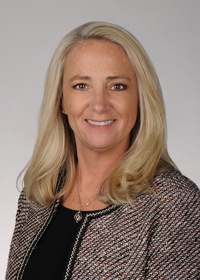
American Association of Nurse Anesthetists

Lincoln University
Normadeane Armstrong PhD, RN, ANP-BC
ProfessorMolloy College
Registered Nursing, Nursing Administration, Nursing Research And Clinical Nursing
What general advice would you give to an Occupational Nurse?
Normadeane Armstrong PhD, RN, ANP-BC: Starting a career in nursing can be both exciting and intimidating. Some general advice for new nursing graduates embarking on their professional journey may include: Never Stop Learning, Develop Strong Communication Skills, Cultivate Critical Thinking, Prioritize Self-Care, Build a Strong Support System.
Karen Gorton PhD, RN, FNP, MS
Associate Dean, Associate ProfessorUniversity of Wyoming
Registered Nursing, Nursing Administration, Nursing Research And Clinical Nursing
What Occupational Nurse skills would you recommend for someone trying to advance their career?
Karen Gorton PhD, RN, FNP, MS: In nursing, the ability to think critically within the clinical context, communication, and assessment skills will continue to be very important. You, as the nurse, are with the patient for more hours than any other provider. Your ability to look at the patient combined with your assessment, their current issues, their lab values, and clinical presentation will be the difference in their outcome. Once you put your pieces together, your ability to clearly communicate your findings with the providers will advocate for the patient and their care.
Wendy Bowles PhD, APRN-CNP, CNE
Associate Clinical Professor, Associate Dean for Baccalaureate ProgramsWhat will help Occupational Nurses increase their earning potential?
Wendy Bowles PhD, APRN-CNP, CNE: Nursing offers many opportunities for a career and you never know what door will open for you in your calling to care. You should explore many possibilities and not limit yourself to any one particular area. It is also important to explore your future career and educational doors in the future.
Dr. Ashlee Barnes DNP, APRN, FNP-C
Assistant ProfessorUniversity of Detroit Mercy
Registered Nursing, Nursing Administration, Nursing Research And Clinical Nursing
What general advice would you give to an Occupational Nurse?
Dr. Ashlee Barnes DNP, APRN, FNP-C: Nursing remains an excellent career path, characterized by its evolving landscape and opportunities, continual growth, and soaring demand in a variety of settings. Nursing guarantees job stability, possibility for both personal and professional advancement, and the satisfaction of positively impacting people's lives.
What general advice would you give to an Occupational Nurse?
Allyssa Harris RN, PhD, WHNP-BC: Daily, nurses with the health care team to manage and coordinate patient care which include physical assessments-assessing, observing, and evaluating the patient's response to care, administering medication and treatments, assisting with procedures, and providing health education to patients and their families. Additionally, nurses often supervise other unlicensed health care team members including licensed vocational nurses, patient care technicians (PCTs) and nursing students.
What will help Occupational Nurses increase their earning potential?
Allyssa Harris RN, PhD, WHNP-BC: I can't speak for everyone but what I like about being a nurse is the ability to connect one on one with the patient and their family. Patients allow us the privilege of providing care and comfort during one of the most vulnerable times in their lives. It is the connection that we share that is the most rewarding. I believe that is this care and education that provides patients with the opportunity to make knowledgeable decisions about their health and well-being. What is most challenging about nursing is the increasing complexity of the patient care provide. Often patients enter the health care system later, having delayed care variety or reasons including lack of access, socio-economic challenges, unawareness, etc. This often increases the complexity of the care needed and nurses are required to have a broad knowledge of many things. I wouldn't say that they dislike the nursing profession, but the work is challenging.
Dr. Karen Macey-Stewart DNP, A-GNP-C, PMGT-BC
Undergraduate Program Director, Professor of PracticeWhat general advice would you give to an Occupational Nurse?
Dr. Karen Macey-Stewart DNP, A-GNP-C, PMGT-BC: As a new graduate student, it can be overwhelming to start your professional career. My first piece of advice is to be kind to yourself. It takes time to master all the clinical skills and judgment you learned in school. Secondly, give yourself some grace when facing challenges in understanding why a client or healthcare team member is difficult. Remember that you will be caring for people during the most vulnerable times of their lives. Finally, prioritize self-care by taking the time to recharge. Providing the best care for your clients is essential, and you shouldn't feel guilty about it. I always tell the students," Always remember to put your oxygen mask on first before helping others."
What will help Occupational Nurses increase their earning potential?
Natalie Heywood DNP, RN, CNE: I think one of the most important and prevalent skills that will be prevalent in the next 3-5 years in nursing is the ability to communicate with patients in a therapeutic manner that supports trust and mutual respect. Additionally, a skill that will be vital to current and future nurses is the ability to provide individualized care. Our patient populations are increasingly complex and unique, and it will be important for health providers to care for all individuals based on their needs and where they are at the moment. Lastly, as we see the increase of technology and AI use in healthcare, we need to be technology proficient and confident, as well as flexible in the use of these tools to improve patient care.
Michelle Collins Ph.D., CNM, RNC-EFM, FACNM, FAAN, FNAP
Dean and ProfessorLoyola University New Orleans
Registered Nursing, Nursing Administration, Nursing Research And Clinical Nursing
What general advice would you give to an Occupational Nurse?
Michelle Collins Ph.D., CNM, RNC-EFM, FACNM, FAAN, FNAP: Be flexible in regard to job opportunities. There may not be the exact position with the desired hours in the one unit in which you are interested in working (or that dream job may be available!) But keep your mind open, and go into your first job with an open mind. This is also good advice through your career as you never know what opportunities may come your way. Most of the opportunities that I have greatly enjoyed in nursing came as a result of just being open to new options and trying new things even if I wasn't sure at first that I would enjoy that opportunity.
Kara Sump MSN, CNE
Assistant Professor of NursingGeorge Fox University
Registered Nursing, Nursing Administration, Nursing Research And Clinical Nursing
What general advice would you give to an Occupational Nurse?
Kara Sump MSN, CNE: Some of this is driven already by practice location, specialty, and unions (if entering a unionized position). I would do your research about what to expect and come with an expectation that you should be able to negotiate a pay rate if you have some background such as previous practice as a CNA, Medication aide, LPN, or another medically related field that is translatable to the nursing practice role. You might consider what relevant job shadows or volunteer work you could do should you not have any of the above. Or perhaps, what previous experience do you have that speaks to teamwork, delegation, managing others, communications, or other essential functions of nursing and being able to articulate how this should afford you a higher wage. Other helpful things- being flexible with shift- nights/weekends, speaking another language and being able to get certified as an interpreter.
What skills will help Occupational Nurses earn the most?
Beth Latimer: Critical thinking, prioritization, carefully assessing any situation at the appropriate time, not normalizing the abnormal, and escalating necessary crucial information to the team at that right moment in time will save lives. Great nurses notice, and when in doubt, will take the right actions to get the right type of intervention for their patients and their families with patient advocacy at the forefront.
What are the biggest trends we'll see in the Occupational Nurse job market given the pandemic?
Michelle Hampton Ph.D.: I don't know if I would call these trends, but the challenges I'm hearing and learning about from my students, who are already nurses, are:
Acute care settings are challenged with increased workload and understaffing. They are cross-training nurses from other departments to work in ICU or other places, for which they might not have the experience to meet the hospital's needs or organization. They're also using registry nurses.
Nurses in settings that provide non-urgent services might be laid off or working reduced hours, i.e., elective surgery centers.
I had signed up as an emergency worker with the State of California and, from time to time, receive emails that skilled nursing facilities need staff also.
Essentially, there's always work in nursing, but what varies is the setting, and new nurses will have to consider the level of risk they can accept and are prepared to handle.

Karla Nygren MSN, MBA, RN, CCRN, CEN, CFRN, CPEN, CPN, TCRN
CPN-at-Large Representative, Pediatric Nursing Certification BoardPNCB
Are there any particularly good places in the United States for Occupational Nurses to find work opportunities?
Karla Nygren MSN, MBA, RN, CCRN, CEN, CFRN, CPEN, CPN, TCRN: Opportunities will exist everywhere, from rural to frontier to urban. If they aren't visible when they graduate, wait a bit, and the pendulum will swing.
How would you rate the starting salaries for Occupational Nurses, as well as the prospects for salary advancement?
Sophia Thomas: AANP does a sample survey of salaries. See below for information from our 2019 survey. It is important to note that salaries range widely, based on clinical and geographical areas as well as the number of years' experience. See below for the information: Source: 2019 AANP National Sample Survey of Nurse Practitioners
-Starting salaries for NPs are exceptional, and usually hover between $80,000-100,000, but that can vary significantly based on geographic location, work setting, and certification/specialty. Some salaries are higher.
-The bureau of labor statistics (BLS) offers an excellent breakdown of salaries by region and state as well: link
-(Note: some stats on the BLS website are reflective of the Mean or Average salary and others represent the Median or midpoint. AANP data are all reported in Median)
-As NPs advance in their careers, there is a clear and positive relationship between number of years' experience and salary growth.
What type of skills will young Occupational Nurses need?
Angela Mund: To meet the needs of our current volatile and complex healthcare landscape, all healthcare providers will need to understand the business of healthcare, in addition to providing expert patient care. Starting in 2025, all graduates from nurse anesthesia programs will be awarded a doctoral degree, a doctorate in nursing practice (DNP), or a doctorate in nurse anesthesia practice (DNAP). These degree programs include additional anesthesia experience as well as an understanding of effective leadership, healthcare economics and reimbursement, the use of big data for improving patient outcomes, and evidence-based practice.
Are there any particularly good places in the United States for Occupational Nurses to find work opportunities?
Vilma Davis: As previously mentioned, there is a need for nurses throughout the United States. Most nursing programs will intermittently have nurse recruiters come on campus, giving students an opportunity to ask questions and get information about the job market. This is one way that graduates can get plugged into where the needs of nurses are. Graduates can also visit the websites of various hospitals and see what openings are available for which they can apply. Doing a simple google search for "nursing jobs" will yield a plethora of available jobs that they can review and make the decision which they would like to pursue.