Explore jobs
Find specific jobs
Explore careers
Explore professions
Best companies
Explore companies
Job outlook for preventive medicine specialists in the United States
Are preventive medicine specialist jobs in demand?
Preventive medicine specialist job and salary trends over time
Preventive medicine specialist jobs over time
Preventive medicine specialist job growth rate over time
| Year | # of jobs | % of population |
|---|---|---|
| 2021 | 190 | 0.00% |
| 2020 | 189 | 0.00% |
| 2019 | 194 | 0.00% |
| 2018 | 315 | 0.00% |
| 2017 | 290 | 0.00% |
Average preventive medicine specialist salary over time
Preventive medicine specialist salary by year
| Year | Avg. salary | Hourly rate | % Change |
|---|---|---|---|
| 2026 | $51,981 | $24.99 | +3.6% |
| 2025 | $50,176 | $24.12 | --20.3% |
| 2024 | $62,929 | $30.25 | +1.7% |
| 2023 | $61,861 | $29.74 | +1.2% |
| 2022 | $61,119 | $29.38 | +1.0% |
Preventive medicine specialist jobs by state
Most common states for preventive medicine specialists
| Rank | State | Population | # of jobs | Employment/ 1000ppl |
|---|---|---|---|---|
| 1 | District of Columbia | 693,972 | 99 | 14% |
| 2 | Vermont | 623,657 | 79 | 13% |
| 3 | Iowa | 3,145,711 | 335 | 11% |
| 4 | New Hampshire | 1,342,795 | 142 | 11% |
| 5 | North Dakota | 755,393 | 86 | 11% |
| 6 | Maine | 1,335,907 | 135 | 10% |
| 7 | Alaska | 739,795 | 75 | 10% |
| 8 | Wyoming | 579,315 | 56 | 10% |
| 9 | Massachusetts | 6,859,819 | 628 | 9% |
| 10 | Delaware | 961,939 | 83 | 9% |
| 11 | South Dakota | 869,666 | 78 | 9% |
| 12 | North Carolina | 10,273,419 | 772 | 8% |
| 13 | Minnesota | 5,576,606 | 471 | 8% |
| 14 | Oregon | 4,142,776 | 346 | 8% |
| 15 | Nebraska | 1,920,076 | 163 | 8% |
| 16 | Montana | 1,050,493 | 89 | 8% |
| 17 | Maryland | 6,052,177 | 400 | 7% |
| 18 | New Mexico | 2,088,070 | 137 | 7% |
| 19 | Idaho | 1,716,943 | 114 | 7% |
| 20 | Rhode Island | 1,059,639 | 71 | 7% |
Most common cities for preventive medicine specialists
| Rank | City | # of jobs | Employment/ 1000ppl | Avg. salary |
|---|---|---|---|---|
| 1 | Auburn | 1 | 4% | $60,189 |
Preventive Medicine Specialist job outlook: Expert opinions
Our panel of preventive medicine specialist experts
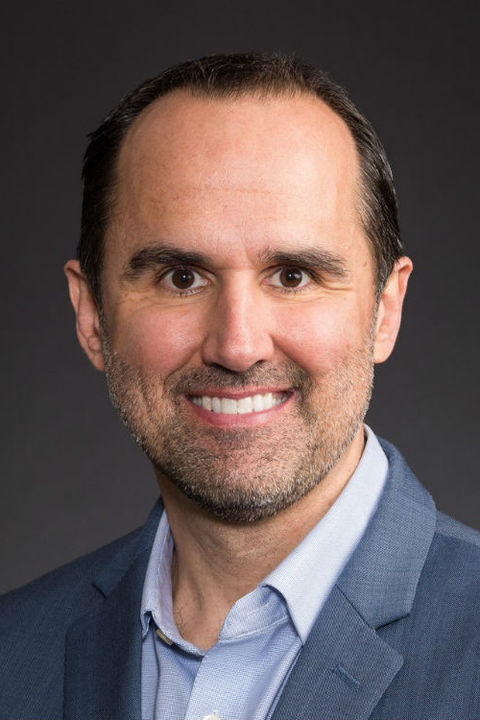
Kent State University
University of Rhode Island

University of New Haven

College of Saint Scholastica
What experience really stands out on Preventive Medicine Specialist resumes?
Dr. Mark Hardy: Good question with multiple answers. Everyone has a science background. National exams and GPA only tell a small piece about the person. I like to see a well-rounded individual - experiences that have molded their work ethic, customer service skills, work with diverse populations, and that they were part of a team. I am intrigued by applicants who have a lot of coursework in non-science fields.
What Preventive Medicine Specialist skills would you recommend for someone trying to advance their career?
Dr. Mark Hardy: My suggestion to someone considering taking a gap year - do so only if you need the extra time to confirm or define what you want to do or become. And, take after high school, not after obtaining your undergraduate degree.
Dr. Molly Greaney Ph.D.
Chair of Health StudiesUniversity of Rhode Island
Department of Health Studies
Will there be an increase or decrease in demand for Preventive Medicine Specialists in the next 5 years?
Dr. Molly Greaney Ph.D.: I think there will be an increased demand for health science graduates. The pandemic has brought the importance of public health and robust public health infrastructure to the forefront. It also has made evident the need to address health inequities, promote healthful behaviors, and the importance of prevention, including primary prevention.
What type of skills will young Preventive Medicine Specialists need?
Summer McGee Ph.D.: Graduates need to be agile and flexible to respond to the changing forces and trends in healthcare. They have to be professional problem solvers. Effective communication within and across teams is also crucial for success in complex, fast-moving healthcare organizations.
Are there any particularly good places in the United States for Preventive Medicine Specialists to find work opportunities?
Dr. David Marc: Although many hospitals are facing financial pressures, and therefore having to lay off part of their workforce, organizations that offer analytics as a service have seen growth. This is largely due to many healthcare organizations using data to respond to financial pressures and to understand the risks and benefits of their decisions. Therefore, graduates that may be struggling to find jobs in hospital settings, if financial strains continue, may find success in companies that focus on offering analytic consulting services or vendors that focus on analytical software sales. These organizations are in need of professionals that can navigate the healthcare settings but also have the knowledge to analyze data.