Explore jobs
Find specific jobs
Explore careers
Explore professions
Best companies
Explore companies
Job outlook for public health technicians in the United States
Are public health technician jobs in demand?
Public health technician job and salary trends over time
Public health technician jobs over time
Public health technician job growth rate over time
| Year | # of jobs | % of population |
|---|---|---|
| 2021 | 587 | 0.00% |
| 2020 | 138 | 0.00% |
| 2019 | 1,388 | 0.00% |
| 2018 | 678 | 0.00% |
| 2017 | 664 | 0.00% |
Average public health technician salary over time
Public health technician salary by year
| Year | Avg. salary | Hourly rate | % Change |
|---|---|---|---|
| 2025 | $35,972 | $17.29 | +2.8% |
| 2024 | $34,995 | $16.82 | --0.7% |
| 2023 | $35,247 | $16.95 | +3.0% |
| 2022 | $34,225 | $16.45 | +3.0% |
| 2021 | $33,229 | $15.98 | +2.5% |
Public health technician jobs by state
Most common states for public health technicians
| Rank | State | Population | # of jobs | Employment/ 1000ppl |
|---|---|---|---|---|
| 1 | District of Columbia | 693,972 | 261 | 38% |
| 2 | Vermont | 623,657 | 174 | 28% |
| 3 | Minnesota | 5,576,606 | 1,305 | 23% |
| 4 | Indiana | 6,666,818 | 1,314 | 20% |
| 5 | North Carolina | 10,273,419 | 1,965 | 19% |
| 6 | Iowa | 3,145,711 | 608 | 19% |
| 7 | Delaware | 961,939 | 182 | 19% |
| 8 | Missouri | 6,113,532 | 1,103 | 18% |
| 9 | Ohio | 11,658,609 | 1,984 | 17% |
| 10 | Maryland | 6,052,177 | 1,015 | 17% |
| 11 | Wisconsin | 5,795,483 | 966 | 17% |
| 12 | Rhode Island | 1,059,639 | 182 | 17% |
| 13 | Michigan | 9,962,311 | 1,578 | 16% |
| 14 | Virginia | 8,470,020 | 1,314 | 16% |
| 15 | Colorado | 5,607,154 | 882 | 16% |
| 16 | Kansas | 2,913,123 | 457 | 16% |
| 17 | Nebraska | 1,920,076 | 305 | 16% |
| 18 | Idaho | 1,716,943 | 275 | 16% |
| 19 | South Dakota | 869,666 | 137 | 16% |
| 20 | Alaska | 739,795 | 121 | 16% |
Most common cities for public health technicians
| Rank | City | # of jobs | Employment/ 1000ppl | Avg. salary |
|---|---|---|---|---|
| 1 | Urban Honolulu | 1 | 0% | $33,792 |
Public Health Technician job outlook: Expert opinions
Our panel of public health technician experts
Benedictine University
California State University, Dominguez Hills
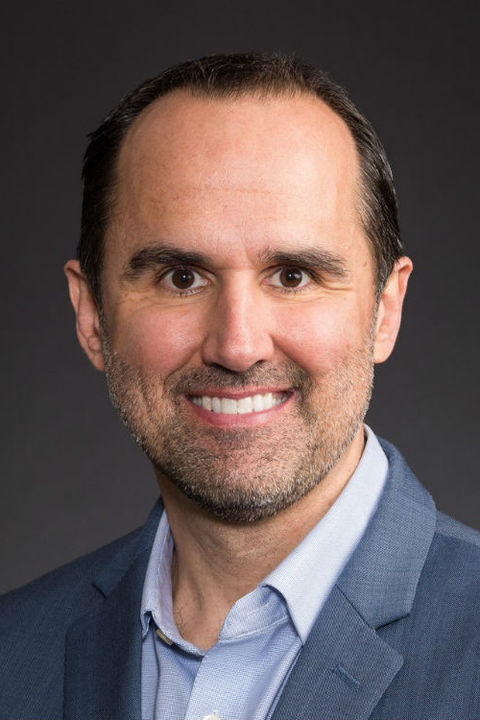
Kent State University
University of Rhode Island

University of Alabama at Birmingham
Idaho State University

Kennesaw State University

Frontier Nursing University
Limestone University
Harding University
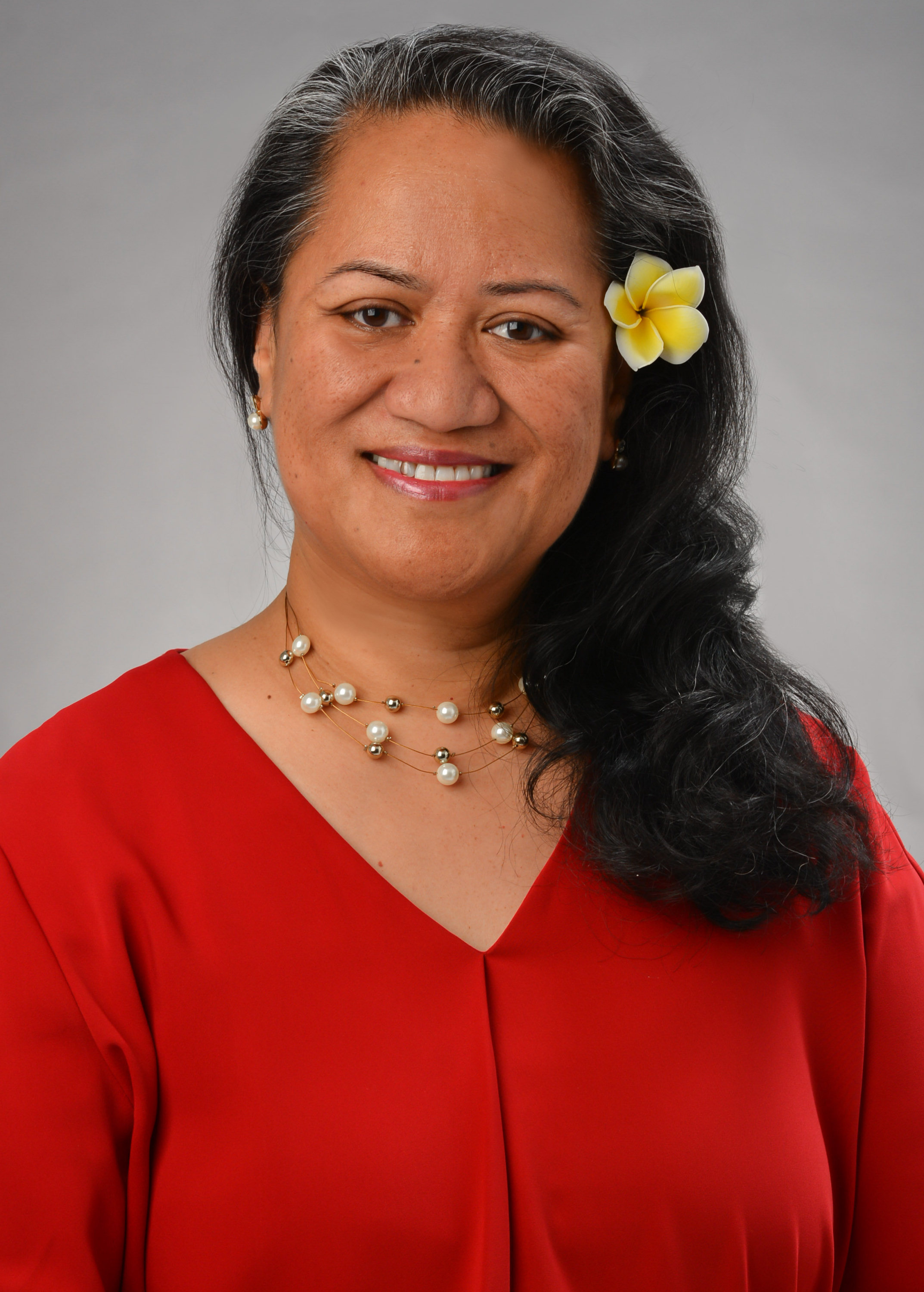
Hawai'i Pacific University
Bonnie Beezhold Ph.D.
Associate ProfessorBenedictine University
Nutrition Department
What skills stand out on Public Health Technician resumes?
Bonnie Beezhold Ph.D.: Like other fields, possessing excellent writing and oral skills in health and wellness is critical to effectively convey health information to audiences. Those skills appear to be waning even among graduate students. Recognizing low competency and getting remedial help with language mechanics should be a top priority.
Also, taking the time and effort to get to know your audience profile before engaging with them ensures that you are writing and speaking at their level of understanding and readiness to hear you. Tailoring information to audiences when planning to deliver health education or health promotion is a critical necessity - we cannot assume that everyone who would benefit from hearing the health or wellness information we want to provide can understand it or are even interested.
Perhaps more critical today is recognizing and combating the formidable power of health misinformation to sabotage the health and well-being of the public and, conversely, provide credible, evidence-based information. Clearly, if the vast majority of our population had consistently accessed factual news and information based on sound scientific principles about the nature and spread of the virus and the necessity of public health guidelines, no matter how imperfectly guidelines evolved, we would likely be living in a scenario of recovery from the pandemic rather than continuing to watch case numbers and deaths rise across the country with a more contagious variant.
As increasingly reported, misinformation spreads much more quickly than factual information. A study conducted by researchers at the Massachusetts Institute of Technology and published in the prestigious Science journal compared the diffusion of verified true and false news articles that appeared on Twitter from 2006 through 2017 (Vosoughi, Roy, Aral, 2018). They found that false articles diffused significantly 'farther, faster, deeper, and more broadly than factual articles in all information categories. The reason? Researchers concluded that false information was more novel and engaged more emotional reactions like fear, disgust, and surprise than factual information. Thus it was more likely shared with friends and family. Unfortunately, those who disseminate misinformation for whatever reason are increasing, and there are currently no regulations that require news and information to be fact-checked and truthful. Health and wellness experts then have a responsibility to recommend therapies with evidence of efficacy and safety, disseminate accurate information from responsible government, education, and health organizational sites, and provide guidelines to help the public discern what health resources provide accurate information.
The consequences of not tackling health misinformation can obviously have grim consequences. We have all watched as misinformation on vaccination has negatively impacted the country's response to the pandemic. It is a fact that vaccination is one of the great modern triumphs against serious widespread infectious disease, along with antibiotics and proper hygiene. But misinformation and disinformation in social media as well as in certain national media websites and broadcasts has cast doubt on vaccine efficacy and safety and has politicized public health guidelines, leading to a substantial proportion of the population refusing vaccination rather than viewing it as a most fortunate solution and moving towards herd immunity. Even before the pandemic, misinformation about vaccines, in general, had been rising, and infectious diseases formerly conquered, like measles, began to reappear and put children at risk.
Another important skill I would mention that health and wellness graduates should cultivate is an ability to forge caring relationships with individuals or groups based on trust and ethics to inspire confidence in their expertise. It is important to realize that one's ability to reach and persuade people they want to help is largely dependent on whether those people respect and trust them. Health and wellness experts should be involved in their community and demonstrate empathy and concern beyond merely providing credible health and wellness information from reputable resources.
Karla Castillo
Full-Time Lecturer, Internship & Professional Development CoordinatorCalifornia State University, Dominguez Hills
Division of Health Sciences
What type of skills will young Public Health Technicians need?
Karla Castillo: As graduates in a Health Science program with a concentration in either Health Care Management or Community Health, students will need to have skills in dealing with a pandemic, no matter the health care they will go into. All my students have been able to intern due to the epidemic, whether physically or virtually. They have learned technical skills that wouldn't have commonly been used without the pandemic. One being learning technology software that pertains to meeting almost or creating workshops virtually. Another gift I can think of is time management. My students learned a lot of time management, having now gone through virtual learning for almost an entire academic year. They have balanced working with online education, where many didn't have any experience with online teaching modalities.
How do you envision technology impacting Public Health Technicians in the next 5 years?
Karla Castillo: Technology is moving us today! As of February, when the pandemic started to affect us in academia, we noticed our partners began to go virtual as well. My students have learned a lot about technology in their courses and during the internship. We only know that moving forward, this will continue and become part of health care! One prime example is Telemedicine, where patients can obtain medical services through a virtual call! It's an exciting time with health care and technology playing an important role, and it will continue to grow with the years to come.
What experience really stands out on Public Health Technician resumes?
Dr. Mark Hardy: Good question with multiple answers. Everyone has a science background. National exams and GPA only tell a small piece about the person. I like to see a well-rounded individual - experiences that have molded their work ethic, customer service skills, work with diverse populations, and that they were part of a team. I am intrigued by applicants who have a lot of coursework in non-science fields.
Dr. Molly Greaney Ph.D.
Chair of Health StudiesUniversity of Rhode Island
Department of Health Studies
What technology do you think will become more important and prevalent for Public Health Technicians in the next 3-5 years?
Dr. Molly Greaney Ph.D.: Remote working will continue post-pandemic, and our reliance on technology to facilitate working remotely and collaboratively will continue to increase. I think telehealth is here to stay, and its use will expand and be refined. I also believe that the service of apps for exercise and well-being and addressing social isolation will increase.
Dr. Erika Austin
Associate Professor, Associate DeanUniversity of Alabama at Birmingham
School of Public Health
What are the biggest trends we'll see in the Public Health Technician job market given the pandemic?
Dr. Erika Austin: Contact tracing and disease investigation, emergency preparedness.
What technology do you think will become more important and prevalent for Public Health Technicians in the next 3-5 years?
Dr. Erika Austin: Ability to use existing software - many students are only familiar with apps and struggle to use regular computers.
What experience really stands out on Public Health Technician resumes?
Joshua Thompson: In my opinion, the best experiences that stand out on a resume are first, the internship, and second, any extra-curricular activities the student is involved in. Students can provide additional information during an interview from their experiences in an internship. Student involvement shows other initiatives and potential self-motivation, which are positives for any employer.
In the current environment we are in, having any understanding and experience in the field, even as someone who is in their first professional employment opportunity, and not just a desire but a propensity to not only show up but complete tasks to better themselves, will provide value to the organization, and in turn, potentially separate the new employee from their peers.
Mari-Amanda Dyal
Assistant Professor of Public HealthKennesaw State University
Department of Health Promotion and Physical Education
Are there any particularly good places in the United States for Public Health Technicians to find work opportunities?
Mari-Amanda Dyal: Indeed! Our backyard (that is, Atlanta) is rich with opportunity. However, it does depend on the career track they pursue (corporate, non-profit, government, clinical, or academia). Our graduates go into urban and rural settings with large and small populations. This is the beauty of this field, in terms of opportunity, in a variety of areas and places. We are not married to any one place.
How do you envision technology impacting Public Health Technicians in the next 5 years?
Mari-Amanda Dyal: The pandemic has been a catalyst in this regard - forcing us to embrace technology in a way we haven't before. As a result, we haven't missed a beat in program development, delivery, and evaluation. I think this will continue to grow over the next five years, with expansion opportunities reaching populations that seemed unreachable.
Many didn't think that their disciplines could weather this type of change, but many are now thriving in a way they didn't before - and that is the case for ours.
Dr. Tonya Nicholson
ChairFrontier Nursing University
Department of Midwifery and Women's Health
What experience really stands out on Public Health Technician resumes?
Dr. Tonya Nicholson: For all advanced practice roles and for hiring within academia:
-Membership and activities within associated professional organizations
-Presentations or publications
-Advocacy Work
-Other community volunteer work
As a practice director and as an academic administrator, I am looking for well-rounded individuals with a passion for their work. I want to hire someone who loves their job and infuses the work environment with joy and excitement. The capacity to function as an influential member of the team will often be the deciding factor between candidates.
While specific skill sets are required for particular positions, attitude and aptitude are equally valued.
When hiring nurse-midwives, the following experience is valuable:
-Full-scope midwifery practice
-Other experience in advanced practice (if the applicant has more than one area of certification)
Previous nursing experience in a related area:
-Labor and delivery
-postpartum/newborn
-Nursery
-Women's health
-Childbirth educator
-Lactation Work
-Advocacy work for maternal/newborn health or issues
When hiring NPs, the following experience is valuable:
-Related NP practice experience
-Other experience in advanced practice (if the applicant has more than one area of certification)
-Related RN practice
When hiring for academia:
-Clinical practice experience
-Teaching experience (especially at a similar level to the one applied for)
-Teaching philosophy that aligns with the mission of hiring institution
-Passion for content
Will there be an enduring impact of the coronavirus pandemic on Public Health Technicians?
Dr. Tonya Nicholson: Living and thriving during an experience like this pandemic will inevitably have a long term effect on the student and graduate population educated during this period. These individuals will have developed persistence and resilience at a high level. This was required to continue and complete their education. These graduates will also have attained flexibility, as they have had to readjust their plans multiple times. Their educational institutions shifted, clinical site requirements changed, and the patient population they cared for was impacted. This group of graduates will be able to function at a high level as they enter the workforce. Skills can be taught, but an experience such as the one these graduates faced can only be lived!
Dr. Stefanie Corbett
Chair of the Department of Health Care Administration and Human Resource ManagementLimestone University
Department of Health Care
Are there any particularly good places in the United States for Public Health Technicians to find work opportunities?
Dr. Stefanie Corbett: One of the significant advantages of majoring in health care administration is the job outlook is projected to grow over the next decade across the country steadily. Opportunities exist in various health care settings for graduates in both urban and rural markets in all states. I advise my graduates to apply for both market types; those may require relocation and those that do not. In many cases, I have seen where local health care providers are eager to recruit and retain "homegrown" graduates from local universities. Still, students should be open to relocating as necessary to accept the best opportunity.
How do you envision technology impacting Public Health Technicians in the next 5 years?
Dr. Stefanie Corbett: Technology is continually evolving in the field of health care. In real-time, administrators may access financial and clinical data, patient information, employee records, and regulatory policy updates, to name a few. They have such advancements in technology that help to ensure quick and astute decision making.
Anita Killins Ph.D.
Associate ProfessorHarding University
Department of Physical Therapy Program
Will there be an enduring impact of the coronavirus pandemic on Public Health Technicians?
Anita Killins Ph.D.: There are certainly some current challenges that new graduates encounter as they enter the workforce during the pandemic, but it is difficult to predict how much impact the virus will have in the long run.
We have an excellent national organization, the American Physical Therapy Association (APTA), which has been extremely helpful to us, as therapists, during this time. They have been doing research and will continue to monitor and report the status of jobs and circumstances for our professionals throughout the country. I expect that the future is still very bright for those who choose to join us in this profession as we learn to adapt to a new normal and incorporate what we've learned during this time to maximize our patients' outcomes.
One change that we have made since the pandemic that might last is the increased use of telehealth as an option for patient care. It comes with challenges, such as connectivity or access to technology. Still, the upside is that therapists have the opportunity to see their patients working and moving in their home environment. Insight into a patient's world can create an effective, reasonable, and appropriate treatment plan.
From an out-patient perspective, we will likely treat many patients who have had COVID-19. It is unclear how this virus will impact our patients, but there may be a future impact on tissue, organs, and systems that will affect how interventions are provided in the therapy setting. From a neurology perspective, unfortunately, some of our patients have avoided timely treatment for illnesses, due to contact with the hospital's virus. Sometimes delayed treatment can lead to worse outcomes and, ultimately, more significant health issues. For instance, immediate treatment is essential for the best results after a stroke or heart attack. As therapists, we may see the toll that delayed care takes on our patients during this difficult time. It will be interesting to see if we have more patients in need of services in the coming years due to the pandemic.
Halaevalu Ofahengaue Vakalahi
Dean and ProfessorHawai'i Pacific University
College of Health & Society
Are there any particularly good places in the United States for Public Health Technicians to find work opportunities?
Halaevalu Ofahengaue Vakalahi: The aftermath of COVID, and the recovery phase, will yield increased employment opportunities in social work across the country and the globe. Social work is a rich and broad field, as our curriculum educates students in practice, policy, research, theory, and the signature pedagogy of field education/practicum. You can't go wrong with that span of the knowledge base. It is a versatile degree for any career of interest.
How do you envision technology impacting Public Health Technicians in the next 5 years?
Halaevalu Ofahengaue Vakalahi: Social work has already leveraged technology, working with people across the lifespan, from children to older adults. Social work education is being delivered online and virtually. Social work practice has been done through technology-mediated mechanisms. In Social Work, technology is a medium for access to education and services.