Find a Job You Really Want In
As we move through 2026, it’s crucial to reflect on the evolving job market and anticipate future trends. With the ongoing advancements in technology and changes in work dynamics, understanding the current employment landscape is essential for job seekers. This article explores key areas such as unemployment rates, burgeoning industries, declining job sectors, and GDP projections to provide a comprehensive overview of what to expect in the job market.
2026 Unemployment
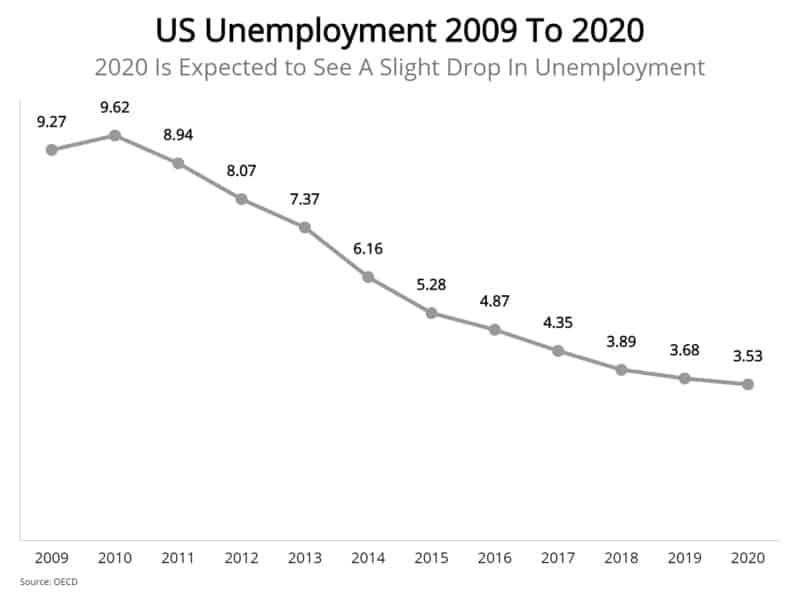
Unemployment remains a vital indicator of economic health. It can significantly impact consumer spending, leading to layoffs if individuals lack disposable income. In 2023, the unemployment rate was approximately 4.1%. What does this mean for 2026?
The OECD forecasts that the unemployment rate will stabilize around 4.0% in 2026. While exact predictions can fluctuate, the general trend indicates a consistent labor market, which is promising for job seekers looking for opportunities in a competitive environment.
Best Job Prospects in 2026
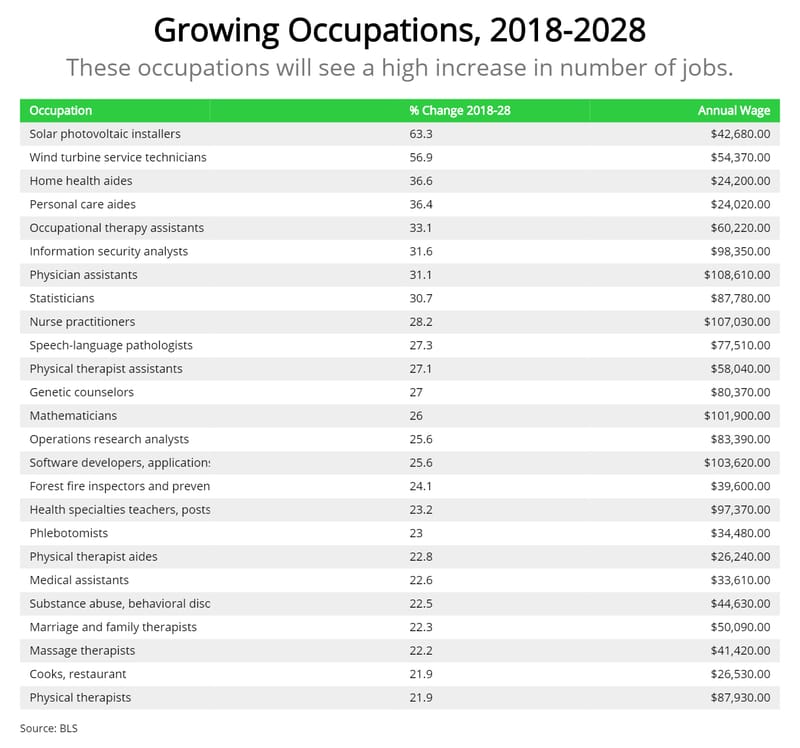
Job seekers should be aware that not all professions offer the same opportunities. To help guide your career path, we analyzed data from the BLS to highlight industries expected to see substantial growth. Below are the top five fastest-growing jobs projected for 2026:
- Wind Turbine Technicians
- Solar Photovoltaic Installers
- Healthcare Support Roles (e.g., Home Health Aides)
- Information Security Analysts
- Data Scientists
Projected Increase 2024-2034: 61%
Annual Wage 2024: $56,000
Projected Increase 2024-2034: 49%
Annual Wage 2024: $50,000
Projected Increase 2024-2034: 34%
Annual Wage 2024: $30,000
Projected Increase 2024-2034: 33%
Annual Wage 2024: $107,000
Projected Increase 2024-2034: 31%
Annual Wage 2024: $110,000
Notably, the renewable energy sector continues to thrive, reflecting a growing commitment to sustainability. Additionally, healthcare remains a strong field, driven by an aging population and ongoing demand for support roles. Information technology roles, particularly in cybersecurity and data analysis, are also on the rise, signifying the digital transformation of the workforce.
Worst Job Prospects in 2026
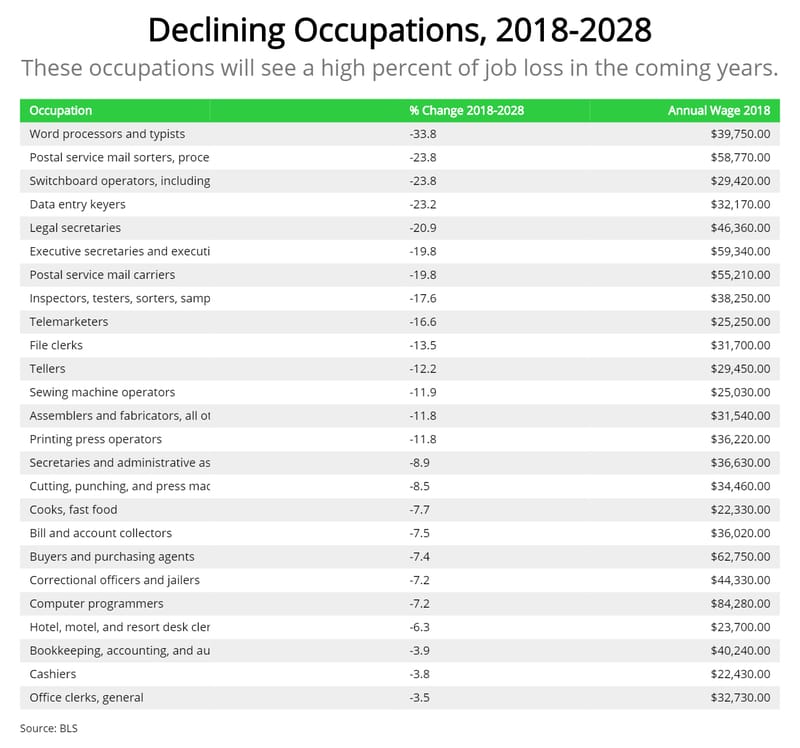
While some sectors will flourish, others will face challenges. The following occupations are anticipated to decline significantly over the next decade, based on BLS data:
- Data Entry Keyers
- Postal Service Workers
- Word Processors and Typists
- Switchboard Operators
- Legal Secretaries
Projected Decrease 2024-2034: -30%
Annual Wage 2024: $36,000
Projected Decrease 2024-2034: -28%
Annual Wage 2024: $60,000
Projected Decrease 2024-2034: -25%
Annual Wage 2024: $42,000
Projected Decrease 2024-2034: -23%
Annual Wage 2024: $30,000
Projected Decrease 2024-2034: -20%
Annual Wage 2024: $50,000
These occupations are particularly vulnerable to automation and technological advancements. It’s crucial for those in these fields to consider reskilling or transitioning to more sustainable career paths as the job landscape evolves.
GDP Forecast for 2026
The Gross Domestic Product (GDP) growth rate serves as a comprehensive measure of economic performance, reflecting the overall health of the economy. It encompasses key areas such as:
- Retail Sales
- Business Investment
- Government Spending
- Trade
According to recent projections, the GDP growth rate is expected to be around 2.5% in 2026, supported by resilient consumer spending and investment. While slight fluctuations are normal, the economy is anticipated to continue its upward trajectory, albeit at a modest pace.
Summary of the 2026 Job Market Forecast
While economic forecasts are inherently uncertain, utilizing data from reputable sources such as the Federal Reserve, BLS, and OECD provides valuable insight into the job market landscape of 2026. Unemployment rates are projected to remain low, offering opportunities for job seekers, particularly in healthcare and renewable energy sectors. Although some industries are on the decline due to technological advancements, overall, the economy is expected to grow, supporting diverse employment opportunities. In summary, the job market in 2026 will likely mirror the strengths and challenges of recent years, presenting both prospects and challenges for job seekers.

Author

Kathy is the head of content at Zippia with a knack for engaging audiences. Prior to joining Zippia, Kathy worked at Gateway Blend growing audiences across diverse brands. She graduated from Troy University with a degree in Social Science Education.