- Interview Prep
- Interview Preparation Checklist
- Star Method For Answering Questions
- Star Interview Questions
- Words To Use In An Interview
- Mock Interview Preparation
- How To Make A Good Impression
- Bring Writing Samples
- How To Relax Before An Interview
- Interview Coaching
- Common Video Interview Mistakes
- Common Phone Interview Mistakes
- How To Ace Your Interview For A Remote Job
- Good Weaknesses For A Job Interview
- Good Strengths For A Job Interview
- Talk About Being Laid Off
- How To Prepare For A Phone Interview
- How To Decline An Interview
- How Early Should You Arrive For An Interview
Find a Job You Really Want In
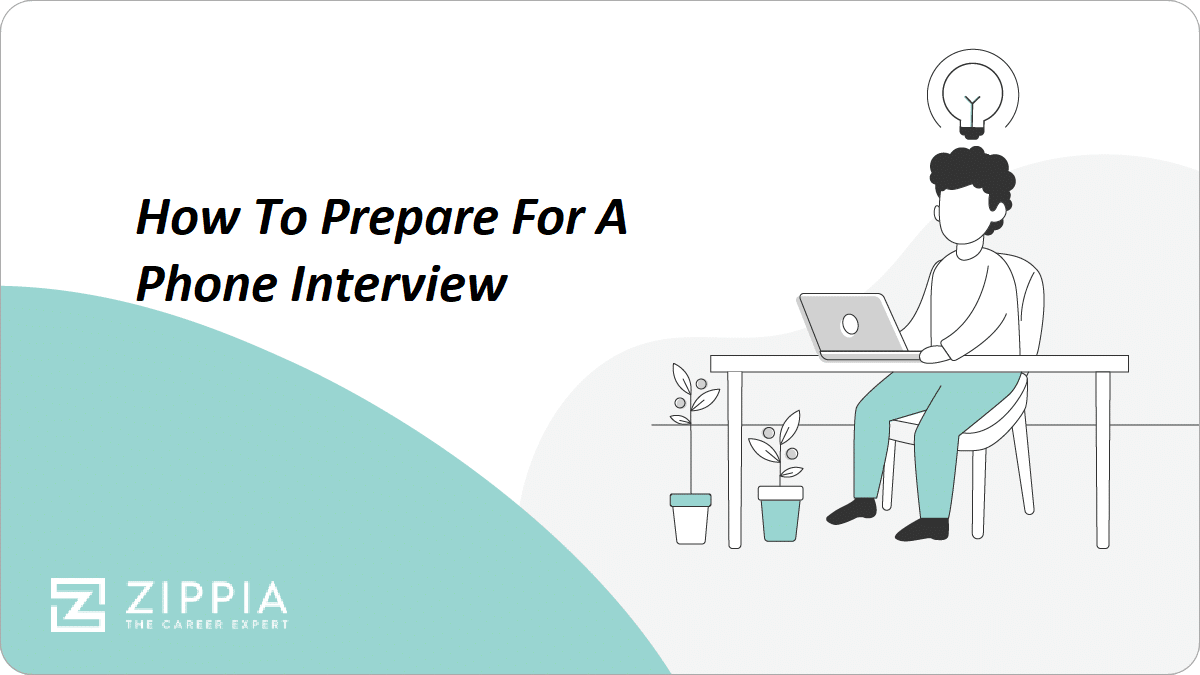
Phone interviews have become increasingly prevalent as hiring practices evolve towards more digital methodologies. Many candidates actually prefer phone interviews due to their convenience and flexibility.
Proper preparation is key to alleviating interview anxiety. To help you get ready for your upcoming phone interview, we’ve compiled essential strategies and tips.
Key Takeaways:
-
Research the job description and the company to demonstrate your suitability and enthusiasm, just as you would for an in-person interview.
-
Dressing professionally and maintaining a positive demeanor, even over the phone, can enhance your confidence and improve the impression you leave.
-
Inquire about the next steps after the interview to express your continued interest in the role and company.
Why Companies Use Phone Interviews
Companies often utilize phone interviews as an initial step in their candidate screening process. They typically begin with a broad pool of applicants, narrowing this down to a select group who are then interviewed over the phone. This approach allows hiring managers to quickly identify candidates who meet the necessary qualifications and are a good fit for the company culture.
Receiving a phone interview is a positive indicator that your resume aligns well with the job requirements. This interview is your opportunity to further engage with the company and clarify how you can contribute.
Since this is often the first round of eliminations, making a strong first impression is crucial.
Prepare for a Phone Interview
Preparing for a phone interview is similar to preparing for an in-person interview but requires a few additional steps. Here’s a checklist to help you get ready:
-
Confirm Details. Ensure you know when the call will take place and the correct contact details, avoiding potential confusion.
-
Review the Job Listing. Familiarize yourself with the qualifications and responsibilities outlined in the job description. This will allow you to highlight your relevant experience and anticipate the types of questions the interviewer may ask.
-
Research the Company. Understanding the company’s mission, values, and recent developments will help you demonstrate genuine interest and differentiate yourself from other candidates.
-
Practice Interviewing. Familiarize yourself with common interview questions and rehearse your answers. This will help build your confidence and reduce anxiety.
-
Craft an Elevator Pitch. Prepare a brief introduction about yourself that you can easily present during the interview, particularly when asked, “Tell me about yourself.”
-
Prepare Questions. Develop thoughtful questions to ask the interviewer, which show your interest in the role and help make the conversation more engaging.
-
Be Ready to Take Notes. Keep a pen and paper handy to jot down important information, such as next steps or details about the role.
-
Have Your Resume Accessible. Keep your resume nearby for quick reference, ensuring you can speak confidently about your experience.
-
Ask About Next Steps. Inquire about what to expect following the interview to clarify the process and timelines.
-
Follow Up After the Interview. Send a thank-you note within 24 hours to express gratitude and reiterate your interest in the position.
Tips for Acing a Phone Interview
With your preparation underway, here are additional tips to help you excel during the call:
-
Set Up a Professional Voicemail. Ensure your voicemail is professional in case you miss the call.
-
Give Full Attention to the Call. Avoid multitasking to prevent distractions. If it helps, pace or fidget quietly to stay focused.
-
Utilize a Comfortable Environment. Take the call in a quiet, comfortable space where you can focus on the conversation.
-
Use Proper Phone Etiquette. Avoid speakerphone and ensure you personally answer the call to convey professionalism.
-
Avoid Rambling. Stay concise and directly answer the questions asked, steering the conversation back if needed.
-
Request Interviewer’s Email Address. This is useful for post-interview follow-up questions.
-
Smile During the Call. Smiling can positively affect your tone, making you sound more engaging and approachable.
-
Avoid Technology Issues. Ensure your phone is charged and take the call in an area with good reception.
Common Phone Interview Questions
Here are some typical questions you may encounter during a phone interview:
-
What is your greatest strength?
-
What is your greatest weakness?
-
What management style works well for you?
-
What interests you about this company?
-
What do you know about our organization?
-
How can you contribute to our success?
-
Are you available for an in-person interview?
-
Where do you see yourself in five years?
-
Do you have any questions for me?
-
How do you handle stress and pressure?
-
What motivates you?
-
Tell me about yourself.
-
What type of work environment do you prefer?
Final Thoughts
While phone interviews can be as daunting as in-person interviews, adequate preparation can significantly increase your chances of success. The effort you invest in preparing can distinguish you from other candidates and lead you further along in the hiring process.
A little research and practice can set you on the right path toward securing that coveted in-person interview and, ultimately, the job you desire.
- Interview Prep
- Interview Preparation Checklist
- Star Method For Answering Questions
- Star Interview Questions
- Words To Use In An Interview
- Mock Interview Preparation
- How To Make A Good Impression
- Bring Writing Samples
- How To Relax Before An Interview
- Interview Coaching
- Common Video Interview Mistakes
- Common Phone Interview Mistakes
- How To Ace Your Interview For A Remote Job
- Good Weaknesses For A Job Interview
- Good Strengths For A Job Interview
- Talk About Being Laid Off
- How To Prepare For A Phone Interview
- How To Decline An Interview
- How Early Should You Arrive For An Interview

Author

Justin Parker is a dynamic and driven writing professional in advertising, film, and web-based content. He has over 10 years of experience as a professional writer in these realms, having written for commercials, music videos, feature screenplays, and content for Zippia. Justin holds a bachelor's of fine arts degree in film and television from the Savannah College of Art and Design.