Find a Job You Really Want In
Living like a millennial in 2026 requires a keen awareness of rising costs and evolving financial priorities. As the cost of living continues to climb, especially in urban areas, the millennial lifestyle—often characterized by trendy food choices and unique experiences—can seem financially unattainable.
Social media and news outlets often paint a picture of millennials as indulging in expensive food fads and artisan goods, leading to questions about how young people can afford such lifestyles. However, the reality is that many millennials struggle to make ends meet, and the narrative around their spending habits is often misleading.
The Millennial Perspective Through a Baby Boomer Lens
Opinions from older generations frequently depict millennials as frivolous, with their spending habits viewed as irresponsible or extravagant. However, this perspective overlooks the significant economic challenges millennials face.
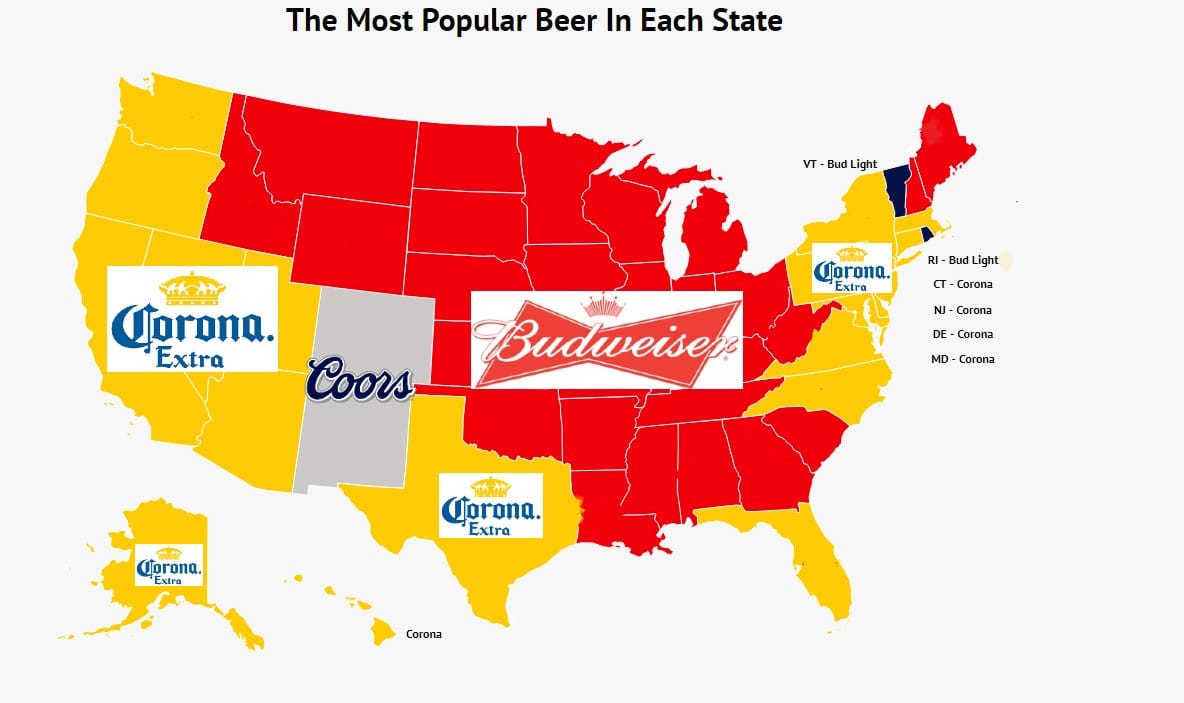
Take, for instance, the cost of dining out. A craft beer, a staple in many social settings, can easily cost upwards of $5.00 at bars, with premium options reaching even higher. Similarly, popular health drinks like kombucha can cost as much as $60 for a 16oz container.
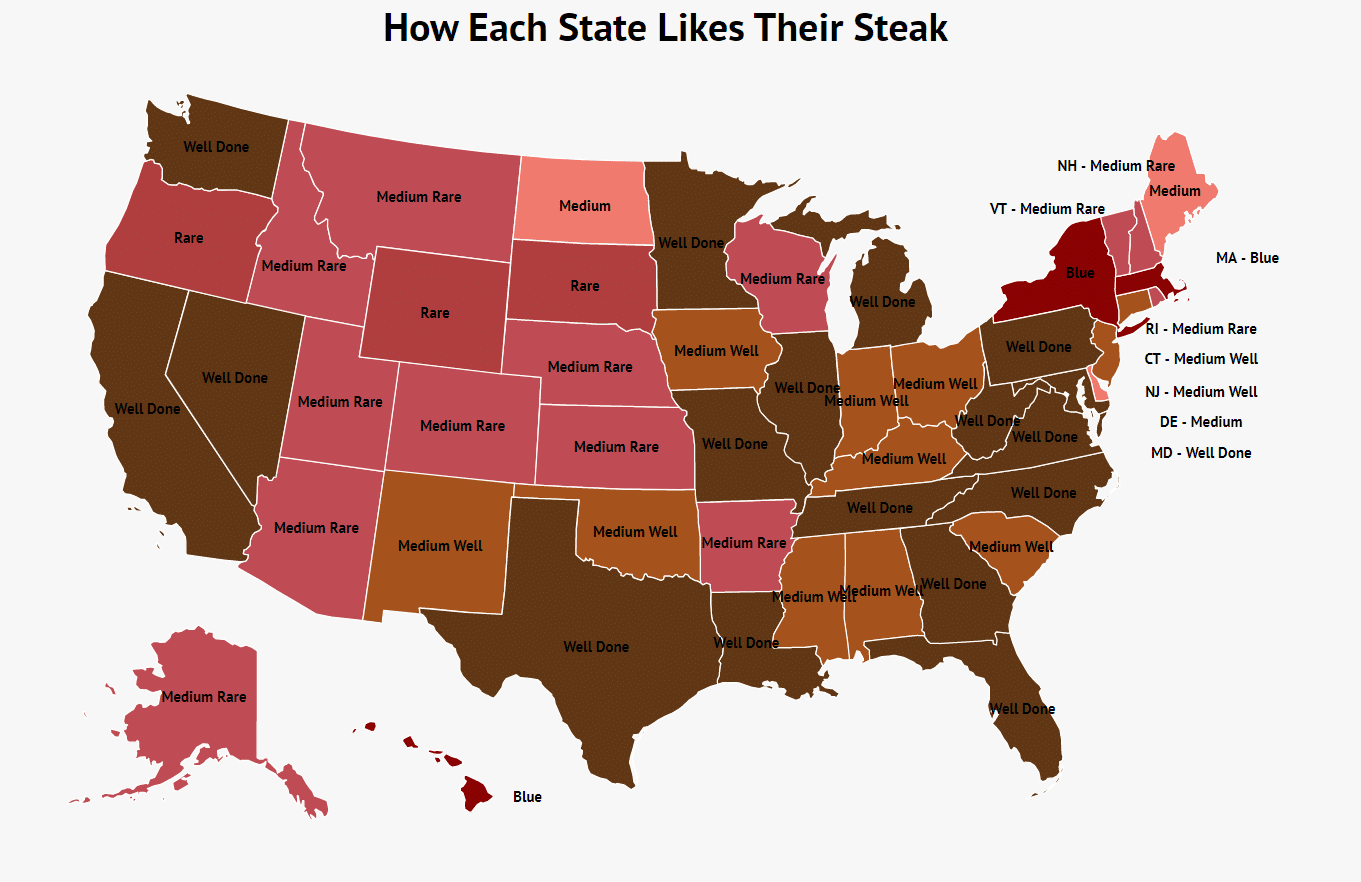
Take a quick meal from Chipotle, for example—a single steak burrito can cost around $8.00, and adding extra guacamole comes with an additional charge of almost $3.
Moreover, the millennial fascination with fermented foods, like kimchi and artisanal pickles, showcases a trend towards health-conscious eating, but these items also come at a premium—often around $20 for 28oz of kimchi and up to $18 for artisan pickles.
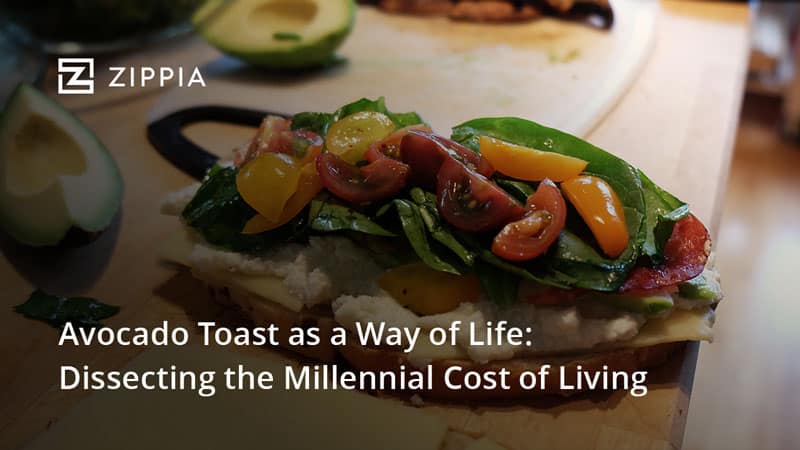
Avocado toast, a symbol of millennial dining, has become emblematic of the critique surrounding their spending. What started as a trendy dish in urban cafes now ranges from a modest $4 to a staggering $15 per slice, averaging about $8.00. Such prices lead to a broader discussion about the sustainability of this lifestyle.
Critics, including notable figures like Australian businessman Tim Gurner, have expressed frustration with millennials, attributing their financial struggles to discretionary spending on items like avocado toast—yet this viewpoint fails to consider the broader economic context.
Understanding the Financial Realities of Millennials
While it’s true that millennials allocate a significant portion of their income to conveniences, they are also contending with stagnant wages and rising living costs. The average home price has skyrocketed, with millennials facing an average cost of around $350,000 for a new home in 2026.
Renting poses similar challenges, with urban rents consuming over 50% of many millennials’ incomes—far exceeding the ideal budget guideline of 30%. In cities like San Francisco and New York, this financial strain is forcing many to share living spaces well into their adult years.
Adjusted for inflation, millennials earn approximately 60% of what their parents made at a similar age, with average millennial salaries hovering around $45,000. This contrasts sharply with Baby Boomers’ earnings, which were around $55,000 in their prime. Education doesn’t necessarily equate to higher earnings either, as many degree holders find themselves earning similarly to those without a degree.
Debt is a significant burden, with the average millennial’s net worth estimated at just $12,000 compared to about $30,000 for Baby Boomers of the same age. This stark contrast underscores the financial hurdles millennials face, as well as the common belief that they should be more prudent with their finances.
Concluding Thoughts on Millennial Spending
In light of rising living expenses and economic uncertainty, millennials are adopting budgeting strategies now more than ever. With over 70% of millennials opting not to use credit cards, they are learning to manage their finances in a way that minimizes debt accumulation. While they account for 25% of U.S. consumer spending, they are increasingly prioritizing saving over impulsive purchases.
The challenges are undeniably tough, with stagnant wages, a shrinking middle class, and inflation making daily life increasingly difficult. Despite this, millennials often find themselves at the center of blame for various societal issues. For an extensive look at the cultural phenomena popularly attributed to millennials, refer to the Sacramento Bee, which lists the many industries facing decline—ranging from fast food to traditional media.
Yet, amidst these challenges, there is a silver lining: avocado prices have stabilized, offering a small but welcome relief for those who enjoy this once-exorbitantly priced delicacy. Perhaps, with this change, millennials can finally allocate some funds toward paying down their debts.

Author

Ryan Morris was a writer for the Zippia Advice blog who tried to make the job process a little more entertaining for all those involved. He obtained his BA and Masters from Appalachian State University.