- Common Questions
- Interview Questions
- How To Answer Tell Me About Yourself?
- Elevator Pitch
- Where Do You See Yourself In 5 Years?
- What Are Your Career Goals?
- When Can You Start?
- How Do You Define Success?
- Describe Your Work Ethic
- Where Are Your Current Duties?
- What Are Your Learning Goals?
- Intrinsic Vs Extrinsic Motivation
- What Is Your Desired Salary?
- What Makes You Unique?
- Why Are You The Best Person For This Job?
- Reasons For Termination
- What Are Your Work Values
- How To Make A Hard Decision?
- What Are You Most Proud Of?
- Personal Code Of Ethics
- Problem Solving Interview Questions
- Taking Initiative Example
- How Do You Prioritize Your Work
- Explain Gaps In Employment
- Most Rewarding College Experience
- What Is Your Work Style
- Tell Me About A Time When You Made A Mistake On The Job
- Tell Me About Gaps In Employment
- What Are You Passionate About
- What Skills Would You Bring To The Job
- Who Is Your Mentor?
- Tell Me About Gaps In Employment
- How To Answer Tell Me About A Time You Disagreed With Your Boss
- How To Answer Common Screening Questions
- How Do You Handle Stress
- Are You Willing To Travel?
- Do You Work Well With Others?
- Why Do You Want To Work Here?
- What Is Your Greatest Weakness?
- Where Else Are You Interviewing?
- Tell Me About A Time You Failed
- How Do You Like To Be Managed?
- Do You Have Any Questions For Me?
- What Gets You Up In The Morning?
- What Do You Know About Our Company?
- What Is Your Greatest Strength?
- What Is Your Dream Job?
- Types Of Questions
- Situational Interview Questions
- Promotion Interview Questions
- Internal Interview Questions
- Open Ended Interview Questions
- Tough Interview Questions
- Leadership Interview Questions
- Teamwork Interview Questions
- Interview Questions About Communication
- Personality Interview Questions
- Internship Interview Questions
- Ice Breaker Questions
- Recruiter Interview Questions
- Brain Teaser Interview Questions
- Group Interview Questions
- Competency Based Interview Question
- Grad School Interview Questions
- Scrum Interview Questions
- Excel Interview Questions
- Common Phone Interview Questions And Answers
- Job Specific Questions
- Why Did You Choose Nursing?
- Why Do You Want To Be A Teacher?
- Why Do You Want To Be A Doctor?
- Why Do You Want To Be A Police Officer?
- Police Officer Interview Questions
- Why Do You Want To Be An Accountant?
- Sales Interview Questions
- Interview Questions For Managers
- Retail Interview Questions
- Teacher Interview Questions
- Accounting Interview Questions
- Teaching Philosophy Examples
- Management Philosophy Examples
- Leadership Philosophy
- What Does Customer Service Mean To You
Find a Job You Really Want In
Summary. When answering the question “What is your dream job?”, focus on how your values align with your career aspirations and the company’s mission. Use this opportunity to highlight your skills and experiences.
This question, unlike many other common interview questions, has a clear pathway to a strong response.
Your goal is to articulate a professional aspiration that logically connects to the job you’re applying for, and we’re here to guide you through that process.
Key Takeaways:
-
The interviewer seeks to determine whether the position aligns with your career goals.
-
Preparation is crucial; mention your skills and values while crafting your answer.
-
Avoid presenting an unrealistic dream job, as this may undermine your credibility.

Why Hiring Managers Ask “What Is Your Dream Job?”
By the time you reach the interview stage, it’s likely that the hiring manager has recognized your qualifications for the role. This interview serves to confirm your fit, clarify any uncertainties, and gauge your motivation for the position.
So, why do hiring managers ask this question? They typically aim to achieve three objectives:
-
Gain insight into your values and what drives you as an employee. Hiring is a significant investment, so they need to ensure you’ll be committed long-term.
-
Assess whether you possess the necessary skills. The skills you highlight and prioritize can provide valuable insight into your capabilities, suggesting how well you might perform in the role.
-
Understand your career aspirations. Your response will reveal if the current position aligns with your long-term career objectives. If it doesn’t, they may question your satisfaction and commitment in the role.
How to Answer This Question
-
Prepare your response. Identifying what you want—and don’t want—in a job will enable you to answer not just this question but others genuinely. Consider these questions as you prepare:
-
Do you prefer working outdoors?
-
Is creativity a vital aspect of your ideal job?
-
Do you thrive in social environments?
Ensure your answer relates back to the job you are applying for.
-
-
Highlight relevant skills. Rather than specifying a job title, discuss the responsibilities and skills you enjoy. Reflect on your past accomplishments and answer questions like:
-
Do you excel at problem-solving?
-
Do you work best under pressure?
-
Are you effective in public interactions?
-
What are your strengths and areas for improvement?
-
Do you prefer guidance or autonomy in your work?
Focus on the skills and company culture that align with your aspirations, and support your claims with personal examples.
-
-
Discuss the workplace environment. Your work environment significantly impacts your job satisfaction. For instance, if your ideal job is as a video game tester, you’d likely prefer working for a company you admire rather than in a less desirable location.
Responses that emphasize the company’s mission and values often resonate best.
-
Articulate your values. Instead of fixating on a specific job title, emphasize the responsibilities that matter most to you. For example, expressing a desire to help others or impact the community can make you more appealing to interviewers. Aligning your values with those of the interviewer can facilitate a favorable impression.
Example Answers to “What Is Your Dream Job?”
By now, you may have some ideas about how to approach this question, but here are a few examples to inspire you:
-
Example Answer for a Marketing Position
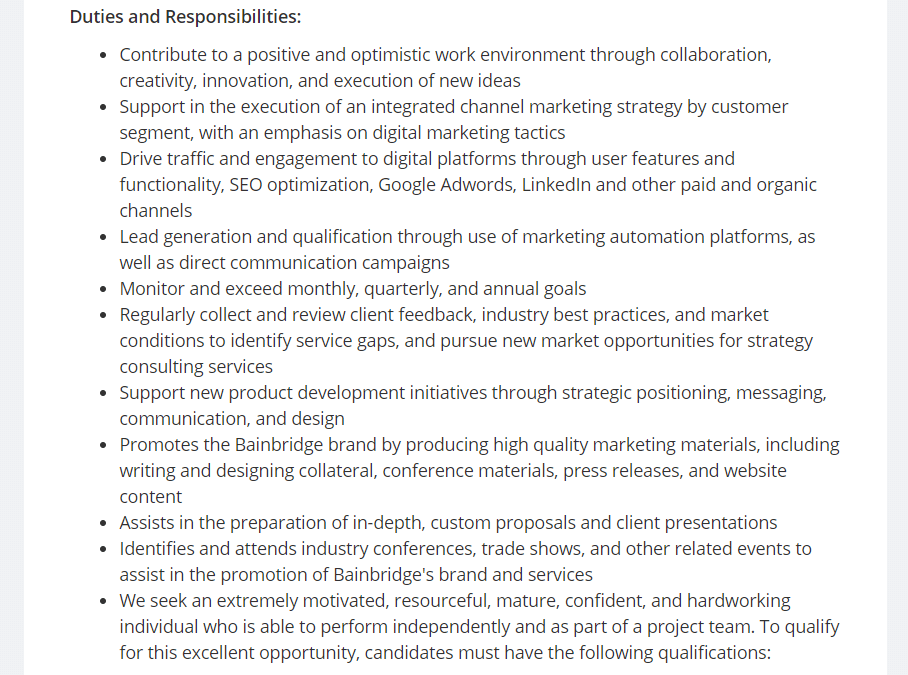
“My dream job is to lead a team of innovative marketers focused on developing engaging customer acquisition strategies across diverse platforms. I aim to enhance my client-facing skills while deepening my expertise in SEO and content strategy. Having successfully managed various campaigns, I believe I am prepared to take on a leadership role after further honing my skills.”
-
Example Answer for a Sales Role
“I thrive on connecting with people and enjoy the challenge of meeting new clients daily. My dream job is one where I can build relationships and promote a product I truly believe in. In my previous role, I consistently surpassed sales quotas and enjoyed every moment of it. I am excited about pursuing a position that aligns with my passions and strengths.”
-
Example Answer for a Game Developer
“My fascination with video games began with the N64, and it has only intensified over the years. Coupled with my enthusiasm for technology and creativity, my dream job would allow me to leverage my skills while fostering my passion for gaming. I seek a role that encourages continuous learning and creative expression.”
How Not to Answer “What Is Your Dream Job?”
Before we conclude, here are common pitfalls to avoid in your response:
-
A response too narrowly defined. If your goals seem too specific, the interviewer might doubt your satisfaction with the position. Focus on responsibilities rather than job titles.
-
Claiming this position is your dream job. Avoid disingenuous flattery. While you want to show enthusiasm, be honest about your aspirations.
-
Discussing unrealistic aspirations. Avoid mentioning far-fetched dreams like becoming an astronaut or secret agent. While ambition is admirable, it should be realistic and relevant to the role.
-
Sharing unrelated passions. This question is intended to explore your professional values, not personal hobbies. Ensure your response is relevant to the position.
-
Aiming for lofty titles like CEO. Such vague aspirations may come off as unrealistic or overly ambitious. Stick to a more grounded approach that reflects a clear career path.
“What Is Your Dream Job?” FAQs
-
Is it okay to say the job I am applying for is my dream job?
No, avoid claiming that the job you’re applying for is your dream job. Doing so may come across as insincere. Instead, focus on articulating your values and what you hope to achieve in your career.
-
Why is “What is your dream job?” a common interview question?
“What is your dream job?” is frequently asked because candidates’ responses reveal much about their character. Interviewers use this question to gauge your values and assess your fit for their organization.
Final Thoughts
As a candidate, you have multiple effective ways to respond to this question. Prepare by reflecting on your qualifications and how you wish to leverage your skills in the future.
When discussing your dream job, emphasize the challenges and work environment you seek, rather than a specific title, ensuring your answer is relevant to the job at hand.
Remember, even the most common interview questions can be approached with confidence.
References
- Common Questions
- Interview Questions
- How To Answer Tell Me About Yourself?
- Elevator Pitch
- Where Do You See Yourself In 5 Years?
- What Are Your Career Goals?
- When Can You Start?
- How Do You Define Success?
- Describe Your Work Ethic
- Where Are Your Current Duties?
- What Are Your Learning Goals?
- Intrinsic Vs Extrinsic Motivation
- What Is Your Desired Salary?
- What Makes You Unique?
- Why Are You The Best Person For This Job?
- Reasons For Termination
- What Are Your Work Values
- How To Make A Hard Decision?
- What Are You Most Proud Of?
- Personal Code Of Ethics
- Problem Solving Interview Questions
- Taking Initiative Example
- How Do You Prioritize Your Work
- Explain Gaps In Employment
- Most Rewarding College Experience
- What Is Your Work Style
- Tell Me About A Time When You Made A Mistake On The Job
- Tell Me About Gaps In Employment
- What Are You Passionate About
- What Skills Would You Bring To The Job
- Who Is Your Mentor?
- Tell Me About Gaps In Employment
- How To Answer Tell Me About A Time You Disagreed With Your Boss
- How To Answer Common Screening Questions
- How Do You Handle Stress
- Are You Willing To Travel?
- Do You Work Well With Others?
- Why Do You Want To Work Here?
- What Is Your Greatest Weakness?
- Where Else Are You Interviewing?
- Tell Me About A Time You Failed
- How Do You Like To Be Managed?
- Do You Have Any Questions For Me?
- What Gets You Up In The Morning?
- What Do You Know About Our Company?
- What Is Your Greatest Strength?
- What Is Your Dream Job?
- Types Of Questions
- Situational Interview Questions
- Promotion Interview Questions
- Internal Interview Questions
- Open Ended Interview Questions
- Tough Interview Questions
- Leadership Interview Questions
- Teamwork Interview Questions
- Interview Questions About Communication
- Personality Interview Questions
- Internship Interview Questions
- Ice Breaker Questions
- Recruiter Interview Questions
- Brain Teaser Interview Questions
- Group Interview Questions
- Competency Based Interview Question
- Grad School Interview Questions
- Scrum Interview Questions
- Excel Interview Questions
- Common Phone Interview Questions And Answers
- Job Specific Questions
- Why Did You Choose Nursing?
- Why Do You Want To Be A Teacher?
- Why Do You Want To Be A Doctor?
- Why Do You Want To Be A Police Officer?
- Police Officer Interview Questions
- Why Do You Want To Be An Accountant?
- Sales Interview Questions
- Interview Questions For Managers
- Retail Interview Questions
- Teacher Interview Questions
- Accounting Interview Questions
- Teaching Philosophy Examples
- Management Philosophy Examples
- Leadership Philosophy
- What Does Customer Service Mean To You

Author

David Luther was the Content Marketing Editor for the Zippia Advice blog. He developed partnerships with external reporting agencies in addition to generating original research and reporting for the Zippia Career Advice blog. David obtained his BA from UNC Chapel Hill.