Survey: The Majority of Workers Are Exhausted—Here’s Why
Research Summary. Workplace exhaustion remains a pressing issue in the United States, affecting productivity and employee well-being. Factors such as stress, mental health challenges, and family obligations contribute significantly to this problem. Our latest survey highlights the primary causes of workplace exhaustion and the coping mechanisms employed by workers. According to our findings:
Stress is the leading cause of sleep disruption, with 64% of workers reporting it as a barrier to restful sleep.
Caffeine remains the most popular coping strategy, with 71% of Americans turning to it to combat exhaustion.
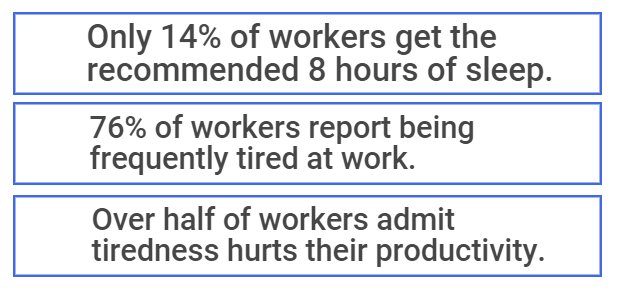
76% of workers frequently experience fatigue during work hours.
Feeling worn out?
You’re not alone—many of your colleagues are also reaching for their third cup of coffee to stay awake.
This raises a crucial question: why are so many employees battling fatigue? And what implications does this widespread exhaustion have for the workplace?
Quick Facts
Continue reading to discover the reasons behind worker exhaustion and how they cope with fatigue.
Why Are Workers So Tired?
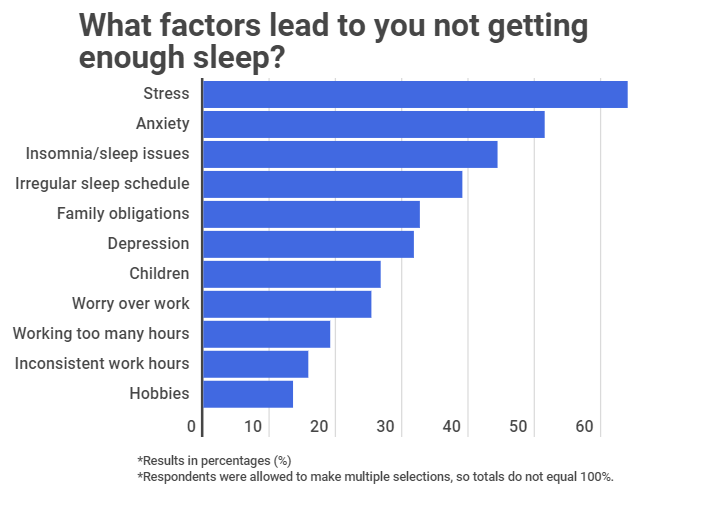
According to our survey, 64% of workers cite stress as a primary reason for insufficient sleep, followed by 51% who struggle with anxiety and 44% who suffer from insomnia or other sleep disorders.
This indicates a significant link between mental health challenges and the 76% of workers who frequently report feeling tired on the job. While some stressors are personal, many employees also identify work-related issues as major contributors to their sleep deprivation.
One in four workers attribute their fatigue to workplace-related worries. Additionally, 19% struggle to sleep due to excessive work hours, and 16% find irregular schedules hinder their ability to rest adequately.
How Do Workers Cope with Exhaustion?

Workplace exhaustion not only hampers productivity but can also pose safety risks in certain roles. Workers employ various strategies to manage their fatigue.
The most common method is caffeine consumption, with 71% of workers relying on it to combat exhaustion. In contrast, only 35% opt for energizing snacks from vending machines.
Other strategies include taking power naps and short walks. However, some workers admit to coping by reducing their productivity.
One in four employees takes more frequent breaks to regain focus, while 22% acknowledge doing less work or avoiding tasks entirely. Additionally, 10% report pushing back deadlines due to exhaustion, making it challenging to meet expectations.
METHODOLOGY
This study was conducted by Zippia, a career resource platform, surveying 1,500 workers in the United States to gain insights into workplace exhaustion.
Each participant responded to a consistent set of questions.
The survey was conducted in September 2021 using Clickworker’s Survey platform.
There’s a Reason So Many Workplaces Provide Coffee
A striking 76% of employees frequently feel tired at work. While jokes about fatigue may elicit laughs around the water cooler, the ramifications of workplace exhaustion are serious, affecting both productivity and employee satisfaction.
Employers can mitigate fatigue by fostering a healthy work-life balance, implementing reasonable shifts, and ensuring workloads are manageable.
These initiatives could lead to timely project completions and a more alert workforce, creating a win-win situation for both employees and employers.

Author

Kathy is the head of content at Zippia with a knack for engaging audiences. Prior to joining Zippia, Kathy worked at Gateway Blend growing audiences across diverse brands. She graduated from Troy University with a degree in Social Science Education.