Find a Job You Really Want In
As of 2026, women in the United States continue to encounter significant challenges in the workforce. Issues such as wage disparities, underrepresentation in leadership roles, and the unequal distribution of household responsibilities remain prevalent. Understanding the landscape for women across different cities is crucial for fostering a more equitable future.
In this updated analysis, we have identified the cities in New Hampshire where women face the most significant obstacles. Our findings reveal that location plays a critical role in determining the quality of life and opportunities available to women.
Read on to discover how various cities in New Hampshire rank for women and the factors contributing to their standings.
The 10 Worst Cities To Be A Woman In New Hampshire
These ten cities represent the most challenging environments for women in New Hampshire. Continue reading to understand the factors contributing to these rankings or skip ahead to explore the best cities for women in the state.
Methodology – How We Determined The Worst Cities For Women In New Hampshire
Each city was evaluated based on four key indicators:
- Percentage of Women in Management (Lower is worse)
- Percentage of Women in Poverty (Higher is worse)
- Women’s Earnings as a Percentage of Male Earnings (Lower is worse)
- Percentage of Uninsured Women (Lower is worse)
For our analysis, we relied on the American Community Survey (ACS) conducted by the Census Bureau. We calculated the income disparity between women and men by dividing the median income of male earners by that of female earners.
The poverty rate for women was also sourced from the ACS, focusing specifically on women living alone to provide a clearer perspective on their financial circumstances. Additionally, the representation of women in management roles was assessed to gauge leadership opportunities available to women in these cities.
Lastly, we used ACS data to determine the percentage of uninsured women in each city. Only cities in New Hampshire with populations exceeding 5,000 were included in our study.
1. Manchester

Women’s Earnings as a Percentage of Male Earnings: $0.77
Women in Management: 39.6%
Women in Poverty: 16.4%
Uninsured Women: 8.3%
Manchester ranks as the most challenging city for women in New Hampshire, marked by low percentages in management roles and high poverty rates. The data reflects a concerning environment for Manchester women.
2. Dover

Women’s Earnings as a Percentage of Male Earnings: $0.69
Women in Management: 37.5%
Women in Poverty: 11.5%
Uninsured Women: 8.0%
Dover ranks second, with significant challenges related to poverty and representation in leadership positions.
3. Franklin
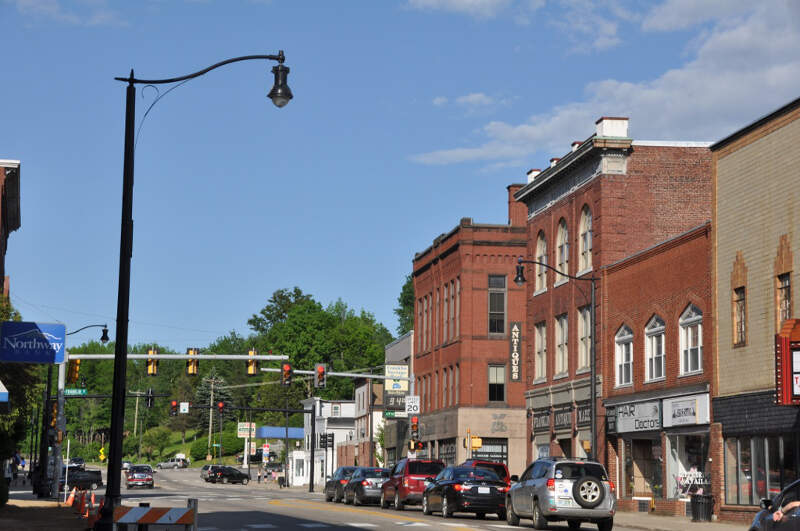
Women’s Earnings as a Percentage of Male Earnings: $0.63
Women in Management: 48.1%
Women in Poverty: 15.3%
Uninsured Women: 7.5%
Franklin presents its own set of challenges, with a notable percentage of women in management but still facing high poverty rates.
4. Claremont
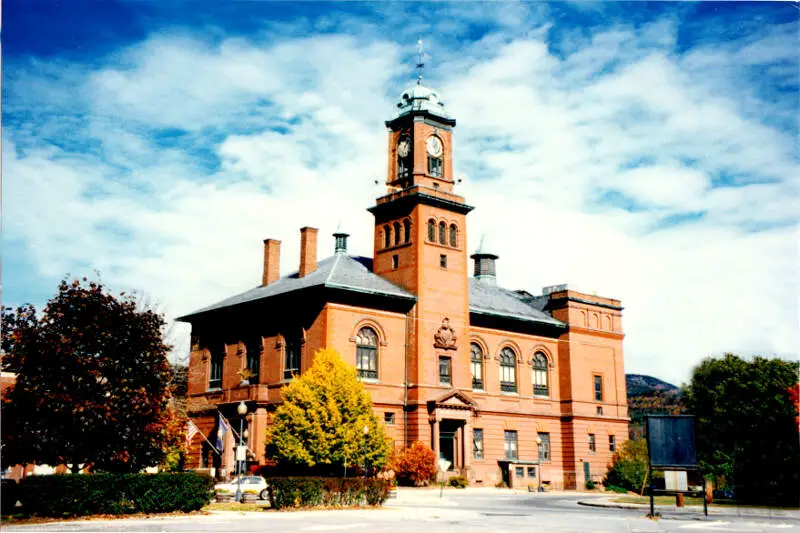
Women’s Earnings as a Percentage of Male Earnings: $0.68
Women in Management: 47.0%
Women in Poverty: 14.3%
Uninsured Women: 7.9%
Claremont ranks fourth, where women also face challenges related to healthcare and poverty.
5. Laconia

Women’s Earnings as a Percentage of Male Earnings: $0.73
Women in Management: 48.3%
Women in Poverty: 13.8%
Uninsured Women: 10.9%
Laconia demonstrates better opportunities than previous cities, yet challenges persist for its women residents.
6. Newmarket
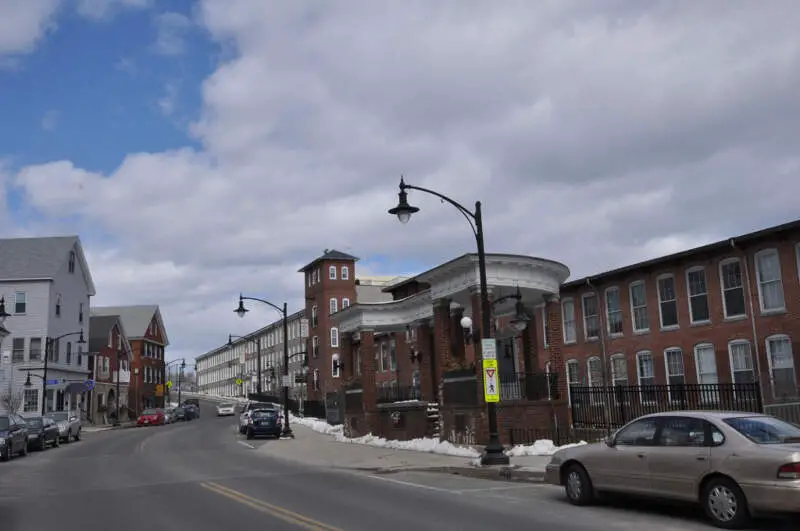
Women’s Earnings as a Percentage of Male Earnings: $0.76
Women in Management: 31.9%
Women in Poverty: 8.2%
Uninsured Women: 8.1%
Newmarket ranks sixth, with concerning poverty rates for women living in the area.
7. Exeter
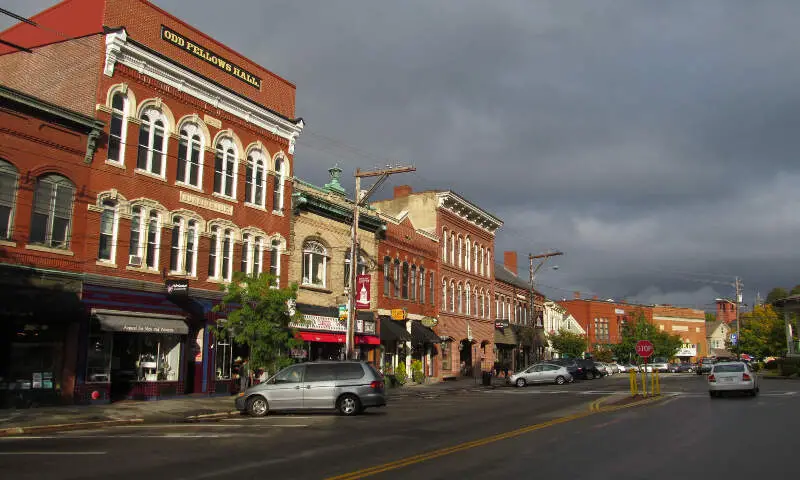
Women’s Earnings as a Percentage of Male Earnings: $0.63
Women in Management: 35.8%
Women in Poverty: 8.6%
Uninsured Women: 5.6%
Exeter presents numerous obstacles for women, including high poverty rates and limited access to health insurance.
8. Nashua
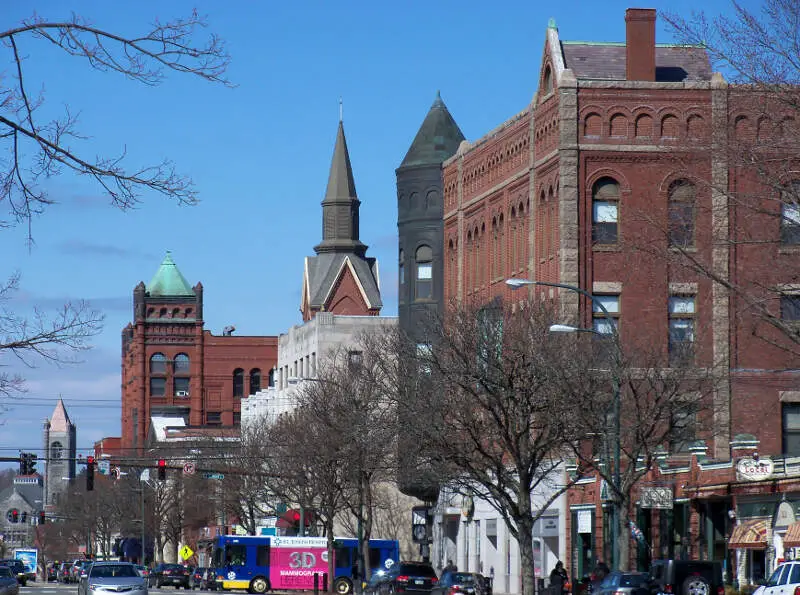
Women’s Earnings as a Percentage of Male Earnings: $0.67
Women in Management: 41.6%
Women in Poverty: 10.4%
Uninsured Women: 5.9%
Nashua features a notable wage gap, with women earning significantly less than their male counterparts.
9. Berlin

Women’s Earnings as a Percentage of Male Earnings: $1.20
Women in Management: 44.4%
Women in Poverty: 16.9%
Uninsured Women: 7.9%
Berlin presents a paradox, with women earning more than men but facing high poverty and uninsured rates.
10. Hudson

Women’s Earnings as a Percentage of Male Earnings: $0.78
Women in Management: 37.4%
Women in Poverty: 11.4%
Uninsured Women: 6.1%
Hudson rounds out the list, where women face significant hurdles, despite having a slightly better standing than the other cities listed.
Summary On Worst Cities to Be A Woman In New Hampshire
These cities represent the most significant challenges for women in New Hampshire. Although women across the state encounter various obstacles, the circumstances in these cities are particularly adverse.
The disparities in earnings and representation highlight the need for continued advocacy and systemic changes to improve conditions for women. While Manchester may not be the worst city for every woman, the data indicates unique challenges for those residing there.
Explore the detailed list of the worst cities below for a comprehensive view of women’s prospects in New Hampshire.
Detailed List Of The Worst Cities For Women In New Hampshire
| Rank | Place | Pay Gap |
|---|---|---|
| 1 | Manchester | $0.77 |
| 2 | Dover | $0.69 |
| 3 | Franklin | $0.63 |
| 4 | Claremont | $0.68 |
| 5 | Laconia | $0.73 |
| 6 | Newmarket | $0.76 |
| 7 | Exeter | $0.63 |
| 8 | Nashua | $0.67 |
| 9 | Berlin | $1.20 |
| 10 | Hudson | $0.78 |
| 11 | Derry | $0.68 |
| 12 | Pinardville | $0.88 |
| 13 | Keene | $0.74 |
| 14 | Concord | $0.76 |
| 15 | Londonderry | $0.61 |
| 16 | Somersworth | $0.74 |
| 17 | Suncook | $0.85 |
| 18 | Rochester | $0.78 |
| 19 | Hampton | $0.72 |
| 20 | Portsmouth | $0.77 |
| 21 | Lebanon | $0.82 |
| 22 | Milford | $0.84 |
| 23 | Hooksett | $1.28 |

Author

Kathy is the head of content at Zippia with a knack for engaging audiences. Prior to joining Zippia, Kathy worked at Gateway Blend growing audiences across diverse brands. She graduated from Troy University with a degree in Social Science Education.