Explore jobs
Find specific jobs
Explore careers
Explore professions
Best companies
Explore companies
Job outlook for case manager/program managers in the United States
Case manager/program manager job growth summary. After extensive research, interviews, and analysis, Zippia's data science team found that:
The projected case manager/program manager job growth rate is 12% from 2018-2028.
About 52,400 new jobs for case manager/program managers are projected over the next decade.
Case manager/program manager salaries have increased 13% for case manager/program managers in the last 5 years.
There are over 61,476 case manager/program managers currently employed in the United States.
There are 127,191 active case manager/program manager job openings in the US.
The average case manager/program manager salary is $39,410.
Are case manager/program manager jobs in demand?
Case manager/program manager job and salary trends over time
Case manager/program manager jobs over time
Case manager/program manager job growth rate over time
| Year | # of jobs | % of population |
|---|---|---|
| 2021 | 61,476 | 0.02% |
| 2020 | 62,962 | 0.02% |
| 2019 | 63,511 | 0.02% |
| 2018 | 62,846 | 0.02% |
| 2017 | 60,412 | 0.02% |
Average case manager/program manager salary over time
Case manager/program manager salary by year
| Year | Avg. salary | Hourly rate | % Change |
|---|---|---|---|
| 2026 | $39,410 | $18.95 | +2.6% |
| 2025 | $38,424 | $18.47 | +3.9% |
| 2024 | $36,988 | $17.78 | +1.9% |
| 2023 | $36,298 | $17.45 | +4.1% |
| 2022 | $34,862 | $16.76 | +3.2% |
Case manager/program manager jobs by state
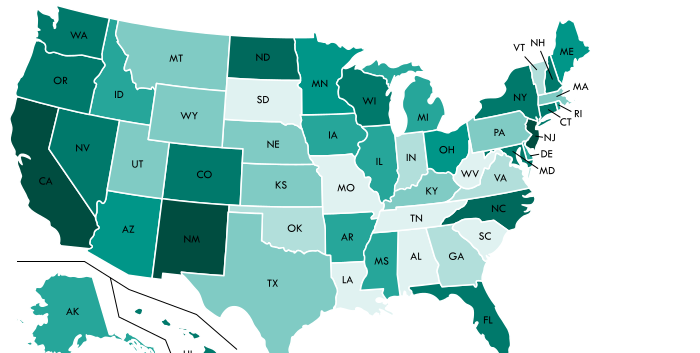
Most common states for case manager/program managers
| Rank | State | Population | # of jobs | Employment/ 1000ppl |
|---|---|---|---|---|
| 1 | District of Columbia | 693,972 | 627 | 90% |
| 2 | Washington | 7,405,743 | 3,814 | 52% |
| 3 | Massachusetts | 6,859,819 | 3,131 | 46% |
| 4 | Rhode Island | 1,059,639 | 361 | 34% |
| 5 | North Dakota | 755,393 | 260 | 34% |
| 6 | Maine | 1,335,907 | 432 | 32% |
| 7 | New Hampshire | 1,342,795 | 416 | 31% |
| 8 | Alaska | 739,795 | 224 | 30% |
| 9 | Montana | 1,050,493 | 309 | 29% |
| 10 | Delaware | 961,939 | 277 | 29% |
| 11 | Minnesota | 5,576,606 | 1,560 | 28% |
| 12 | Oregon | 4,142,776 | 1,140 | 28% |
| 13 | Virginia | 8,470,020 | 2,325 | 27% |
| 14 | Colorado | 5,607,154 | 1,438 | 26% |
| 15 | Nebraska | 1,920,076 | 508 | 26% |
| 16 | Utah | 3,101,833 | 788 | 25% |
| 17 | New Mexico | 2,088,070 | 527 | 25% |
| 18 | Idaho | 1,716,943 | 424 | 25% |
| 19 | Maryland | 6,052,177 | 1,451 | 24% |
| 20 | Connecticut | 3,588,184 | 873 | 24% |
Most common cities for case manager/program managers
| Rank | City | # of jobs | Employment/ 1000ppl | Avg. salary |
|---|---|---|---|---|
| 1 | Leominster | 2 | 5% | $36,454 |
| 2 | Shrewsbury | 1 | 3% | $36,469 |
| 3 | Worcester | 3 | 2% | $36,475 |
| 4 | Caldwell | 1 | 2% | $38,711 |
| 5 | Daytona Beach | 1 | 2% | $43,021 |
| 6 | San Mateo | 1 | 1% | $47,289 |
| 7 | Savannah | 1 | 1% | $35,112 |
| 8 | Whittier | 1 | 1% | $46,681 |
| 9 | Baltimore | 2 | 0% | $42,672 |
| 10 | Atlanta | 1 | 0% | $35,162 |
| 11 | Denver | 1 | 0% | $42,224 |
Case Manager/Program Manager job outlook: Expert opinions
Our panel of case manager/program manager experts
Erikson Institute- Graduate School in Child Development

Gannon University
Portland State University

Rollins College
Alabama A & M University

Angelo State University
Western Carolina University
Auburn University at Montgomery
Maryville University
Davenport University
Kansas State University
Belmont University
Kean University

Saginaw Valley State University
Centre College
Adelphi University
University of Maryland

Georgia State University
Rocky Mountain Prep
Adelphi University
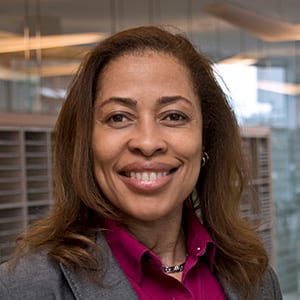
Cassandra McKay-Jackson Ph.D.
Associate Professor,DirectorErikson Institute- Graduate School in Child Development
Social Work Program
Will there be an enduring impact of the coronavirus pandemic on Case Manager/Program Managers?
Cassandra McKay-Jackson Ph.D.: Social workers are in high demand due to the amount of stress people are under. This is a time when many counselors are at their height of services. We are seeing legislation that is supporting loan forgiveness and loan repayment that may support more individuals coming into the field.
What certifications/licenses/courses can have the biggest impact for Case Manager/Program Managers?
Cassandra McKay-Jackson Ph.D.: Within the state of Illinois, having a LSW (licensed social worker) credential will open up many doors for new graduates. However, obtaining a LCSW (licensed clinical social worker) credential provides many more opportunities, as well as options to open up private practices when coupled with experience and expertise.
What will help Case Manager/Program Managers increase their earning potential?
Cassandra McKay-Jackson Ph.D.: Being licensed and receiving training in trauma-informed social work as well as telehealth services will promote great potential for earning. Many clients may continue to enjoy the convenience of telehealth services, especially those in areas where transportation to clinics is cost prohibitive. Individuals who have knowledge in child development and anti-oppressive social work practice will also find a wealth of opportunities in today's climate due to the trauma experienced by children, adolescents, and adults with the double pandemics of Covid-19 and racial reckoning.
Will there be an enduring impact of the coronavirus pandemic on Case Manager/Program Managers?
Parris Baker: Yes! The effects of the pandemic are presently incalculable. However, I believe there are several areas that will directly affected:
-Mental health will become a major focal point in education, employment, and worker stability.
-Interpersonal relationships have been redefined and family reconfigured. I am unsure of the long-term effects, but short-term effects are increased anxiety, impulsivity, and heightened sense of malaise. I hope people have learned to not postpone the pursuit of happiness and to live life fully.
What's a day at work look like for a Case Manager/Program Manager?
Parris Baker: -People have learned to work from home and in their pajamas.
-Shorter work weeks - 4 day/10-hour work week will become the new normal
-Greater use of internet capabilities.
What will help Case Manager/Program Managers increase their earning potential?
Parris Baker: Social Work - social work students should receive graduate education and training in clinical social work and learn indigenous healing therapies. Specialization with adolescents/young adults and geriatrics. Attaining licensure in social
Mortuary Science - students who acquire knowledge of indigenous death care customs will increase their customer base and the relationships with diverse communities. This will ultimately translate into greater profits long term. The funeral home industry is changing rapidly. More people are opting for cremations rather than traditional burials (partially related to COVID-19). Green burials (also referred to as natural burial) are becoming more popular with millennials. The body is simply placed in a biodegradable coffin or shroud and interred without a concrete burial vault.
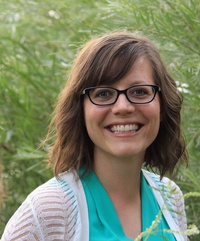
Kimberly Jayne Ph.D.
Associate Professor of Counselor Education, School Counseling Program CoordinatorPortland State University
Counselor Education Department
Will there be an enduring impact of the coronavirus pandemic on Case Manager/Program Managers?
Kimberly Jayne Ph.D.: I think the pandemic will change how school counselors interact with and deliver a comprehensive school counseling program as schools navigate returning to in-person learning, hybrid, or continuing with comprehensive distance learning (CDL). School counselors have had to be creative, flexible, and adapt to meet the new and increasing challenges of serving students and families through CDL and that will change how school counselors approach their work into the future.
Additionally, students and families will continue to experience the effects of the pandemic, multiple natural disasters, and the crisis of racial injustice far beyond this year. School counselors will need to continue to meet students in the midst of these multiple crises and traumas and provide developmentally and culturally-responsive support as we all navigate the longer term emotional and mental health, academic, and social impacts on our communities.
What's a good job out of college for Case Manager/Program Managers?
Kimberly Jayne Ph.D.: Upon graduating with a master's degree in school counseling, I highly recommend students pursue a job as a licensed school counselor in a P-12 setting where they develop and facilitate a comprehensive school counseling program for elementary, middle or high school students. The need for highly-skilled, effective, and culturally-responsive school counselors is growing and there are not enough qualified professionals to fill these critical roles in our school communities.
What will help Case Manager/Program Managers increase their earning potential?
Kimberly Jayne Ph.D.: School counselors are required to continue their learning and professional development across the lifespan of their career. Pursuing additional professional certifications and training can increase earning potential for school counselors. Additionally, I think being a part of advocacy for more resources and regard for educational professionals is a critical piece of making sure school counselors, educators, and other professionals that work in schools are compensated in a way that reflects the importance and value of their work, their professional skills and expertise, and the extensive training and education they must pursue to prepare for their roles in the school setting.
Samuel Sanabria Ph.D.
Professor of Clinical Mental Health CounselingRollins College
Graduate Studies of Counseling
Will there be an enduring impact of the coronavirus pandemic on Case Manager/Program Managers?
Samuel Sanabria Ph.D.: The pandemic has caused a significant change in how we work, connect with friends and family, and maneuver in society. These changes are pushing people to their very limits, resulting in increased reports of depressive and anxious symptoms. Unfortunately, I do not believe that our society will ever go back to pre-pandemic days. Instead, we will continue to struggle as we try to adjust to this new life.
I predict an increase in demand for mental health counselors, expanding employment opportunities for graduates. I also expect that telehealth services are here to stay, making access to counseling easier for many.
What's a day at work look like for a Case Manager/Program Manager?
Samuel Sanabria Ph.D.: I suspect that many graduates will be balancing working from home, providing telehealth mental health counseling services, and in an office, providing face-to-face counseling. The workday will be more flexible, extending to evening hours. I also believe that online support groups will increase. Groups are a great way to provide services to more people while offering a safe space to connect with others with shared experiences.
What will help Case Manager/Program Managers increase their earning potential?
Samuel Sanabria Ph.D.: I encourage mental health professionals to expand their knowledge and skills in trauma and grief counseling. This pandemic adds to trauma and grief experiences, such as social isolation, unemployment and economic losses, and sudden losses of friends and family. I also encourage mental health professionals to understand how the brain and nervous system respond to these experiences. The field of neuroscience is growing and providing deeper insights into how trauma and grief affect our daily functioning and new ways to help our clients.
Samson Chama
ProfessorAlabama A & M University
Department of Social Work, Psychology & Counseling
What are the biggest trends we'll see in the Case Manager/Program Manager job market given the pandemic?
Samson Chama: We are living in unpredictable, volatile and uncertain times that have consequentially emerged from the ravages of the COVID-19 pandemic. The lasting effects of this pandemic have led different professionals to rethink their positions, usefulness and survivability. The social work profession in particular is one such profession that is making strides to adjust and adapt to this new environment. The new environment requires that social workers adopt new and innovative technological methods that will allow them to continue to be relevant in this era. Assessing and determining how technology, including how it may leverage service-delivery in a manner that does not negatively impact service delivery beneficiaries, will be key to social work as a profession. This will also involve making strategic adjustments that will allow social workers a degree of flexibility to work remotely but at the same time to demonstrate productivity.
What technical skills for a Case Manager/Program Manager stand out to employers?
Samson Chama: I think employers will be looking for social workers who are competent in a variety of technical platforms and software packages. For this to happen social workers who are novice to technology will need to motivate and reinvent themselves by willingly acquiring knowledge and skills in latest cutting-edge technology. This should be technoloy that promises them--social workers--to work effectively from any point of reference while at the same time empowering and enabling them to churn out relevant and needed services.
What's a good job out of college for Case Manager/Program Managers?
Samson Chama: Social work is a generic profession that is constantly evolving. Within its evolution there is probably no single important social work job that might be pointed out or highlighted as being above the rest. In these times social workers need to be well versed in crucial social work professional domains and these in particular include such areas as planning, research and programming. Each of these domains comes with unique jobs and skill sets that may help social workers to become powerful and yet crucial planners, researchers and programmers. These three domains are essential elements to social work effective service-delivery.
What's a good job out of college for Case Manager/Program Managers?
Anne Scaggs: That is a difficult question to answer because social work is a very broad field. At the BSW level, an entry level position with any social service agency is a great place to start. At the MSW level, if one is interested in private practice, then a job with an agency that provides individual and group counseling would be perfect which the practitioner is under supervision for their clinical license. If one is interested in administration, then any government agency would be great because they provide the opportunity for advancement. It really depends on the interests of the social worker. Mental health facilities, hospitals, schools, and small agencies also offer exposure to diverse clients and will help any social worker hone their skills as a practitioner.
What are the biggest trends we'll see in the Case Manager/Program Manager job market given the pandemic?
Anne Scaggs: I believe the biggest trends we will see in the job market due to the pandemic will be related to the human service industry. There is already a need for increased mental health professionals to assist not only those who are suffering from depression due to the isolation from others but to assist the first responders who have been dealing with the incredible stress that has been added to their jobs as well as depression, especially as it relates to doctors and nurses who have been watching so many die. We also have high levels of unemployment and that creates stress that can lead to increased domestic violence and child abuse. So, there will definitely be a need for well-trained social workers and other helping professionals.
What certifications/licenses/courses can have the biggest impact for Case Manager/Program Managers?
Anne Scaggs: Courses related to mental health, case management, and practice at all levels (individual, group, organizations, and communities). In social work, although we do have DSW and PhD programs, and MSW degree with an LMSW or LCSW license provides the most job prospects. Once a masters level social worker passes thier Licensed Master Social Work licensing exam, they can begin supervision for thier clinical license. That clinical license opens every door in social work.
Will there be an enduring impact of the coronavirus pandemic on Case Manager/Program Managers?
Angela Sebby Ph.D.: While jobs may be slower to return to the capacity pre-Covid, the industry and tourism employment will rebound as people still want to travel and explore diverse foods, cultures, and experiences. However, the enduring impact will be the rapid onset of technology that allowed for limited contact with employees and others has become the new norm. Although human interaction is an important aspect of service in the tourism industry, employers have found that they can reduce the number of personal interactions but still deliver an acceptable level of quality service. What would have taken years to adopt, COVID created an amplified adoption.
What soft skills should all Case Manager/Program Managers possess?
TeWhan Hahn Ph.D.: Writing skills including email writing, being able to work in teams, and knowing the workplace etiquettes.
Meaghan Goodman Ph.D.
Program Director & Assistant ProfessorMaryville University
Speech-Language Pathology
What's a day at work look like for a Case Manager/Program Manager?
Meaghan Goodman Ph.D.: A bachelor's in communication sciences and disorders can prepare you for three different tracks. First, it can prepare you to become a licensed Speech-Language Pathology Assistant (SLPA). This is someone who works under a fully credential speech-language pathologist. Often times, they carryout intervention plans developed by a fully credentialed speech-language pathologist. If graduate school is on your horizon, a bachelor's degree in communication sciences and disorders will prepare you for acceptance into a Speech-Language Pathology program, or an Audiology program. If you are not accepted into a graduate program right away, working as a speech-language pathology assistant (SLPA) is a great way to get experience in the field!
What soft skills should all Case Manager/Program Managers possess?
Todd Terry: Graduates as they prepare to enter the workforce should pay particular attention to their ability to communicate with coworkers. This communication could happen through face-to-face interactions, remote meetings with the aid of technology for example, meeting by computer software, written communication through instant messaging, or emails. Also, part of communicating is being a good listener.
Graduates should have good critical thinking skills. They will need to be adaptive and able to analyze data to make good informed decisions.
In today's work environment, working on teams is a regular function. Therefore, employers are looking for the candidate who can professionally interact with other team members, have a positive attitude and a good work ethic.
Will there be an enduring impact of the coronavirus pandemic on Case Manager/Program Managers?
Kristen Kremer Ph.D.: In the short-term, the coronavirus pandemic may result in fewer job openings for social workers due to budget constraints within local governments (as a result of reduced tax receipts) and within non-profit social service agencies (as a result of cancelled fundraisers). Additionally, the need for social distancing may translate into being able to have fewer staff in a room at a time, which may further result in lowered ability to have staff present on sight.
The nation's eviction moratorium, which prevents landlords from evicting tenants behind on rent, seems to have momentarily lowered the number of individuals in need of homeless shelters - thus translating into potentially lower short-term needs for staff. However, this will be quickly reversed once the moratorium is lifted. Despite budget cuts, the weakened economy and greater social isolation means that social workers are still very much needed in the community.
In the long-term, the largest impact on social workers will be the shift to telebehavioral health. While many previously questioned the ability to provide social services virtually, expanded use of video conferencing, text messaging, and phone calls is making everyone more comfortable with technology. Social workers should be prepared to do more of their work remotely, potentially from home. Connecting with clients remotely may limit one's ability to pick up on nonverbal cues, but it also has its strengths - such as the ability to reach out to clients who have limited transportation or live in remote areas.
What soft skills should all Case Manager/Program Managers possess?
Kristen Kremer Ph.D.: Social workers engage with vulnerable populations, many of whom have histories of traumatic experiences. Thus, high emotional intelligence will allow social workers to best connect with clients and help them reach their goals.
Will there be an enduring impact of the coronavirus pandemic on Case Manager/Program Managers?
Sabrina Sullenberger Ph.D.: It is hard to predict in terms of "enduring" but I do think there are some potential long-term impacts that are important to consider. For example, for students who experienced financial disruption during the pandemic, they could be entering their career with more anxiety about salaries and job stability. For students whose field placement experience shifted dramatically due to the pandemic, and perhaps they didn't get as much direct client or organizational contact as they had hoped, they may be entering their career wondering if they know what field of practice is going to be the best fit for them. I think some students are also going to enter the profession with a renewed sense of passion for the work. The coronavirus has highlighted the essential work that social workers do, and has also highlighted inequities in a way that are harder for society at large to ignore.
What's a day at work look like for a Case Manager/Program Manager?
Sabrina Sullenberger Ph.D.: I think a "good job" out of college is going to be different for different people. But when I think about this in general, I think a good job (especially in social work) is one that allows you to do work that is meaningful, that allows you to use your skills and education, and that gives you a vision for how you might continue to grow as a person and professional. And, it is one that allows you to pay your bills and have some balance (fun, leisure) in your life.
What technical skills for a Case Manager/Program Manager stand out to employers?
Sabrina Sullenberger Ph.D.: Since we have all witnessed the importance of technology in maintaining communication and connection during the coronavirus, obviously the ability to use technology effectively is important, particularly when it comes to ensuring that our work and connection with clients isn't disrupted. Being able to organize and use data (assessments, case notes, policy proposals, whatever the data is in your field of practice) is important as well. Technical competency is also important when we are thinking about things like confidentiality and other ethical issues as related to email communication, social media, etc. And while this may not qualify as a technical skill, the ability to communicate clearly, consistently and effectively is of the utmost importance. Being able to give examples of when you have communicated effectively in times of crisis is important in an interview. It is also important to ensure that any written communication you have with a potential employer aligns with your in-person communication. While I don't think a typo on a resume is the very worst thing that can happen, you don't want a potential employer to rule you out because of what they may think this typo represents in terms of your communication ability.
Will there be an enduring impact of the coronavirus pandemic on Case Manager/Program Managers?
Roxanne Ruiz-Adams: COVID-19 has changed society and the way it interacts with its environment, both in negative and positive ways. Because of the necessary adaptations we've all had to make, the market world has found value in remote work. With mental health, this opens opportunities to provide services across state lines, and across county lines. Making treatment more accessible, and positively impacting private practice owners business. In negative ways, we have seen people really need more connection due to the isolation experienced over the year. I think graduates are in a wonderful place to help create those connections for those feeling depressed and along, but they are also in a challenging place of trying to heal themselves from the same woes.
What certifications/licenses/courses can have the biggest impact for Case Manager/Program Managers?
Roxanne Ruiz-Adams: Working in mental health is a wonderful experience. There are so many different ways to break into the mental health field, that really students just need to tap into what most interests them about the field. Students will find that depending on the level of education they have, that will influence the kind of mental health they practice. For example, on a Bachelor's level it is so important to take classes like Psychology or any behavior focused classes. This degree and class list will propel them towards breaking into case management fields rooted in medical mental health and community mental health. Though at a Bachelor level graduates will not be doing much counseling, they will find themselves advocating and providing supportive services. It is most helpful to attain a Master's degree, if a graduate wants to become a mental health professional, more commonly a psychotherapist.
With a Master's level education in a few fields like Social Work, Counseling, and Marriage and Family Therapy, graduates are able to position them in a place to receive the necessary license to provide direct counseling in medical, community and even privately owned practices. These fields consider a Master's a terminal degree, so once completed (following the necessary practicing hours) students can open up their own business.
For a more medical comprehensive service, students can take the medical school route which would allow them to study towards becoming a psychiatrist. In psychiatry, practitioners can provide psychotherapy and also prescribe the medications needed for those who have more severe experiences of mental illness.
What soft skills should all Case Manager/Program Managers possess?
Roxanne Ruiz-Adams: In the world we are in, empathy and compassion are tools we need most when interacting with each other. Graduates need to practice the skills of listening actively, and communicating in a way that is responsive rather than reactive. As social media expands and the world becomes smaller we all have become more connected and more aware of the experience of being a global citizen. Graduates need to practice having conversations with those who are different from them, practice putting themselves in the shoes of those they interact with, and learn the art of conflict resolution. We are all different in the way we think, but now more than ever we need graduates who are solution focused in their responses to the world rather than problem focused.
Will there be an enduring impact of the coronavirus pandemic on Case Manager/Program Managers?
Michael Heron: There will be enduring impacts on graduates due to the coronavirus pandemic. Unfortunately, this cohort of graduates in 2021 will not be given the opportunity to build relationships and network in-person the way that past students have had the opportunity to do. Interpersonal skills are important for people starting out in their professional lives or starting a new career path and like a muscle that does not get worked these can become difficult to use after months of social distancing or isolation. Many people find jobs or other opportunities through the connections they make in college and the networks they build. Online learning has likely limited the number of interactions with new people and stifled the opportunity to strengthen current relationships that create opportunities in the future.
One thing that may be a positive impact due to the pandemic is that the 2021 graduates will be much more well-versed in online content delivery which will benefit them in a post-COVID world. We are finding out that the classic office setting is not as necessary as we thought and working from home while "Zooming" in will become more prevalent. The students now have been able to hone the skills necessary for this in the laboratory of the classroom. For those in the health and human services fields this will benefit telehealth and service delivery in areas that have previously lacked resources.
What's a good job out of college for Case Manager/Program Managers?
Michael Heron: A good job right out of college is the one that hires you. Very few people are lucky enough to be offered their dream job right out of college and so it takes some time and some skills development in order to get to that job. Also, exposure to different jobs or aspects of a profession can help a recent graduate discover things that they may not know they enjoy professionally or discover that what they thought was their dream job is not the case. This is not to say one should take the first job that comes along but it is important to have an open mind about the different paths that exist to get to where you want to be professionally and the goal can change along the way.
What technical skills for a Case Manager/Program Manager stand out to employers?
Michael Heron: Critical thinking skills, interpersonal communication skills, and being proactive. Employers want problem solvers not just someone who can take direction. Critical thinking is important to solve problems and to show that you can be trusted to get things done correctly. Interpersonal skills are important because effective communication is paramount in a high functioning office, agency, or organization. Lastly, being proactive is something that any employer would want to see from their staff. It, again, shows that you are looking to solve problems and can do that before the problems even arise.
What are the biggest trends we'll see in the Case Manager/Program Manager job market given the pandemic?
William Weston: Many more jobs can be done remotely. Most white-collar workers can work at least partly from home. This should help parents especially.
What technical skills for a Case Manager/Program Manager stand out to employers?
William Weston: The ability to write clearly and think critically. The deep sense that other people in other cultures, and other positions in our own culture, see the world differently, enabling students to respond to a broad range of people appropriately.
What's a good job out of college for Case Manager/Program Managers?
William Weston: Anything that pays the bills. Honest work is ennobling.
OK, jobs that serve others are more satisfying that those that just make money. Human service jobs lead to all kinds of other careers.
What experience really stands out on Case Manager/Program Manager resumes?
Dr. Manoj Pardasani Ph.D.: I believe that employers are looking for different strengths, skills, and knowledge depending on the length of time in practice. For instance, in the case of recent graduates, employers look for internship experiences, fellowships, or specializations taken while obtaining their social work degree. Past volunteer experiences are helpful as well. Employers are interested in candidates who show initiative, are passionate about social work practice, are able to adapt to diverse work environments, and are eager to learn and grow. With experienced social workers, employers are looking at the trajectory of one's career: how have the various employment experiences contributed to the growth and development of this professional? What skills, knowledge and insights have they developed? They are hoping to see a commitment to continued learning and examples of having taken initiative in previous jobs. Overall, for both new and experienced social workers, possessing a social work license is critical. Most positions now require the social worker to be licensed by the state in which they practice, however, social workers have not always been quick to pursue licensure. I believe that is changing and the expectations for social work professionals to be licensed will only grow further.
What type of skills will young Case Manager/Program Managers need?
Richard Shin Ph.D.: Related to above, there have inevitably been some gaps in counselor training over the past year. Our students have not been able to engage in face-to-face, individual or group, counseling. They've not had the opportunity to develop relationships and work collaboratively with colleagues in person. Our graduates will have developed a great set of skills in terms of working in the online environment, but many will need to focus on developing their interpersonal communication, counseling, advocacy, etc. skills that are required of professional counselors.
What experience really stands out on Case Manager/Program Manager resumes?
Richard Shin Ph.D.: In the most basic sense, graduates who have experiences and skills on their resumes that set them apart from their cohort tend to stand out to employers. What sorts of extra leadership, advocacy, skill development, etc. opportunities have the applicant pursued outside of the program requirements of a counseling program? Everyone will have internship experiences because those are required. However, not everyone will have an example of a brief intervention that you developed and executed, which was focused on addressing the lack of representation of Black and Indigenous students in AP classes in your local high school. Initiating impactful efforts like this will definitely make you stand out.
Are there any particularly good places in the United States for Case Manager/Program Managers to find work opportunities?
Dr. Susan Snyder Ph.D.: We have had students find jobs in the South and across the country. While the job market is more challenging than in years past, our graduating students have been very successful. Job searches should be approached like full-time jobs, which require you to have good time-management skills, organizational skills, and to be a hard worker.
Abby Worland
Managing Director of People Rocky Mountain Prep Network Support TeamRocky Mountain Prep
What are the biggest trends we'll see in the Case Manager/Program Manager job market given the pandemic?
Abby Worland: The pandemic has made job security an increasingly important factor given rising unemployment rates. I think we will see an increase in the retention of currently employed workers in their positions.
I'm curious to see how much of the virtual world we've built will carry over once the pandemic ends. Will more positions convert to remote work permanently? Will schools continue to offer virtual learning as an option? Regardless of what carries over, I feel confident saying that tech literacy and the ability to self-manage your work and your time will be increasingly important skills in the job market.
What type of skills will young Case Manager/Program Managers need?
Rani Varghese: Graduates will need to have a strong commitment to social justice and embody that commitment in their work. In particular, they need the knowledge, awareness, and skills to engage different kinds of clients across social identities and social locations, in both micro and macro settings. One thing that would definitely benefit graduates is taking up another language, being able to provide bilingual services. They will also need knowledge and skills in trauma-informed practice, especially in evaluating current evidence-based practice models.
How do you envision technology impacting Case Manager/Program Managers in the next 5 years?
Rani Varghese: There will be more workers offering online therapy, making services more accessible for clients who have a range of needs. Also, there will be a shift in what I teach, as a faculty member, engaging my students about what social practice looks like beyond face-to-face encounters. I believe that the field will be creative and innovative in thinking more about ways technology can better train students (i.e., simulation) and support clients.