
Automatically apply for jobs with Zippia
Upload your resume to get started.
Emergency response technician skills for your resume and career
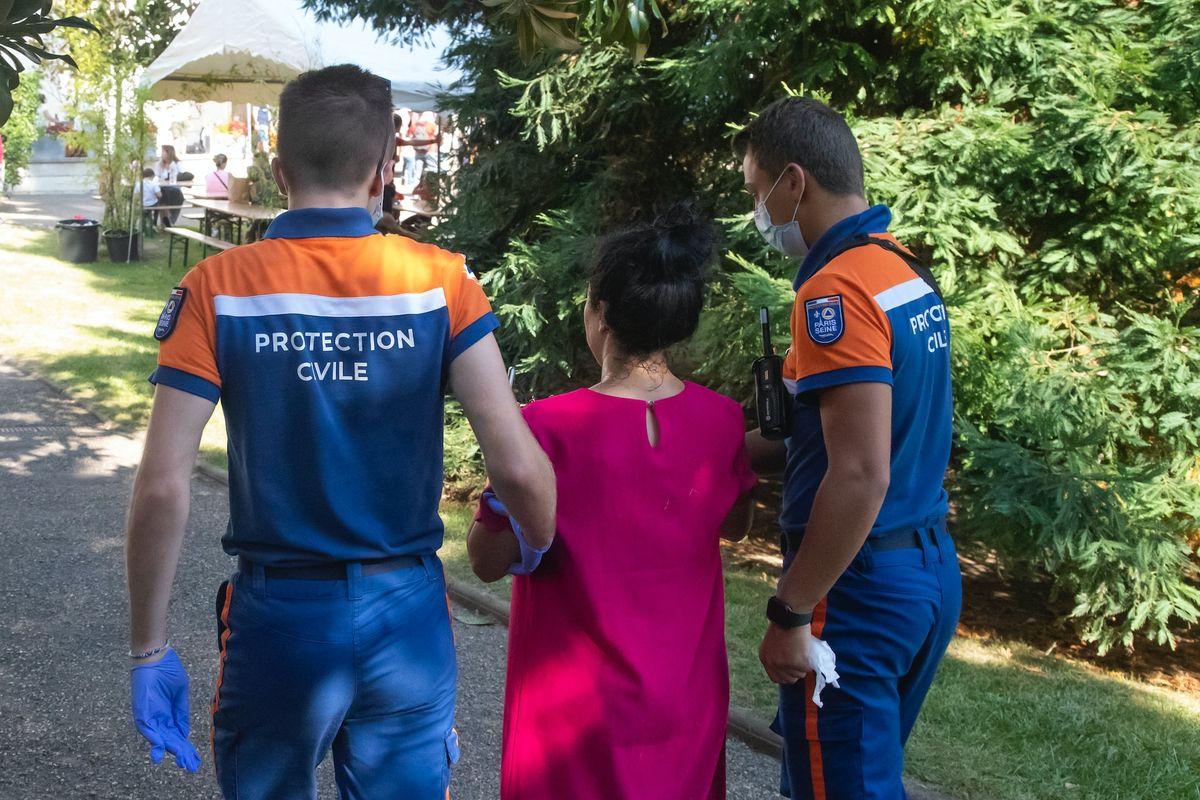
15 emergency response technician skills for your resume and career
1. Industrial Cleaning
- Carried out industrial cleaning using 50k and media blasting.Training & Certifications
- Used industrial cleaning agents and equipment following appropriate safety measures.
2. OSHA
- Worked in close conjunction with various state and federal agencies such as DNREC, OSHA, U.S. EPA.
- Prepared clear and concise Health and Safety training based on OSHA CFR guidelines.
3. CPR
Cardiopulmonary resuscitation or CPR is a medical procedure that involves chest compression to help a patient breathe. This artificial ventilation helps in keeping the brain function in place and regulates blood throughout the body. CPR is a lifesaving procedure that is used in emergencies.
- Job Briefings, PPE and First Aid CPR.
- Expanded professional knowledge base by attending various seminars and training sessions including CPR and Crisis Patient Intervention certification.
4. Demolition
- Coordinate and supervise work on Mold Remediation (including demolition and cleaning).
- Operated Lull and Front end loader for major building demolition projects.
5. Computer Aided Dispatch
- Use a computer aided dispatch (CAD) computer terminal to notify dispatchers of needed police/medical/fire response.
6. Patient Care
Patient care entails the diagnosis, recovery, and control of sickness as well as the maintenance of physical and emotional well-being through the use of healthcare providers' services. Patient care is described as services provided to patients by health practitioners or non-professionals under guidance.
- Observe, record, and report all pertinent patient care information.
- included Phlebotomy, EKG's, Patient Care, Vitals, Post-Mortem Care, and Computer Entry
Choose from 10+ customizable emergency response technician resume templates
Build a professional emergency response technician resume in minutes. Our AI resume writing assistant will guide you through every step of the process, and you can choose from 10+ resume templates to create your emergency response technician resume.7. Boats
- Served as boat captain and deckhand when needed, small vessels and large.
- Operated all types of response vehicles, boats and vacuum trucks.
8. Troubleshoot
Troubleshooting is the process of analyzing and fixing any kind of problem in a system or a machine. Troubleshooting is the detailed yet quick search in the system for the main source of an issue and solving it.
- Perform tire repairs, use high scan tools to troubleshoot automotive problems, replace and repair electrical automotive parts.
- Help Drivers troubleshoot People NET Tablets inside of the vehicles.
9. Emergency Calls
- Receive and interpret routine and emergency calls.
- Document and connect emergency calls to California Poison Control for immediate medicaladvice related to the chemical exposure.
10. Emergency Situations
- Deal calmly with the public in emergency situations; complete several tasks simultaneously
- Operate ambulance during emergency/non-emergency situations.
11. Hazmat
Hazmat is a combination of the words ‘hazardous' and ‘material'. The meaning of this word is found in the integration of the aforementioned words -- which is dangerous or toxic material.
- Supply HAZMAT team with needed equipment and supplies.
- Worked in EOC from 2009 to 2013 HAZMAT Officer from 2010 to 2013
12. Medical Assistance
- Respond to 911 emergencies and provide medical assistance according to the assessment of the patient.
- Prepared for the position via an intensive training program and was expected to conduct emergency medical assistance in high-pressure first-response scenarios.
13. CAD
- Operated CAD, NCIC and CCIC databases.
14. Spill Response
- Worked in Red Dog Port, Alaska as part of the boom and spill response crew.
- Time spent training on river spill response tactics that involved helicopter loads and signaling, rigging and unrigging of equipment.
15. EMT
Emergency Medical Technicians (EMTs) provide urgent and emergent patients who enter the emergency medical services (EMS) system for out-of-hospital emergency medical treatment and transportation. EMTs are trained to stabilise and evacuate patients in a variety of situations, from non-emergency to regular hospital transports to life-threatening emergencies. Under the supervision of a physician, EMTs work as part of a robust EMS response scheme.
- Trained majority of EMT's on OSHA and HIPAA regulations, as well as maintaining all personnel training files.
- Perform a vast array of EMT skills including wound care, splinting, and line of sight monitoring.
5 Emergency Response Technician resume examples
Build a professional emergency response technician resume in minutes. Browse through our resume examples to identify the best way to word your resume. Then choose from 5+ resume templates to create your emergency response technician resume.

What skills help Emergency Response Technicians find jobs?
Tell us what job you are looking for, we’ll show you what skills employers want.
What emergency response technician skills would you recommend for someone trying to advance their career?
Shawn Steadman
List of emergency response technician skills to add to your resume

The most important skills for an emergency response technician resume and required skills for an emergency response technician to have include:
- Industrial Cleaning
- OSHA
- CPR
- Demolition
- Computer Aided Dispatch
- Patient Care
- Boats
- Troubleshoot
- Emergency Calls
- Emergency Situations
- Hazmat
- Medical Assistance
- CAD
- Spill Response
- EMT
- Fire Protection
- Hazardous Waste
- Responder
- Equipment Maintenance
- Fire Prevention
- Space Entry
- Site Safety
- Non-Hazardous Materials
- EMS
- Medical Care
- Firefighting
- Asbestos
- Oil Spill
- Space Rescue
- DOT
- AED
- Emergency Services
- Windows
- GPS
- Tools
Updated January 8, 2025
