Explore jobs
Find specific jobs
Explore careers
Explore professions
Best companies
Explore companies
Job outlook for senior research coordinators in the United States
Senior research coordinator job growth summary. After extensive research, interviews, and analysis, Zippia's data science team found that:
The projected senior research coordinator job growth rate is 6% from 2018-2028.
About 4,600 new jobs for senior research coordinators are projected over the next decade.
Senior research coordinator salaries have increased 15% for senior research coordinators in the last 5 years.
There are over 25,578 senior research coordinators currently employed in the United States.
There are 56,854 active senior research coordinator job openings in the US.
The average senior research coordinator salary is $65,316.
Are senior research coordinator jobs in demand?
Senior research coordinator job and salary trends over time
Senior research coordinator jobs over time
Senior research coordinator job growth rate over time
| Year | # of jobs | % of population |
|---|---|---|
| 2021 | 25,578 | 0.01% |
| 2020 | 25,958 | 0.01% |
| 2019 | 23,170 | 0.01% |
| 2018 | 20,617 | 0.01% |
| 2017 | 19,231 | 0.01% |
Average senior research coordinator salary over time
Senior research coordinator salary by year
| Year | Avg. salary | Hourly rate | % Change |
|---|---|---|---|
| 2026 | $65,316 | $31.40 | +6.8% |
| 2025 | $61,130 | $29.39 | +4.2% |
| 2024 | $58,649 | $28.20 | +4.1% |
| 2023 | $56,334 | $27.08 | --0.7% |
| 2022 | $56,750 | $27.28 | --0.3% |
Senior research coordinator jobs by state
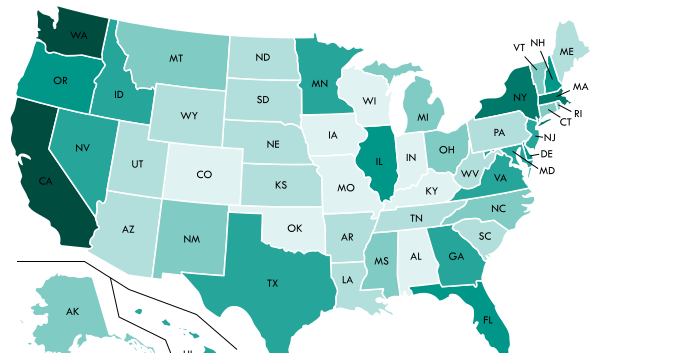
Most common states for senior research coordinators
| Rank | State | Population | # of jobs | Employment/ 1000ppl |
|---|---|---|---|---|
| 1 | Delaware | 961,939 | 273 | 28% |
| 2 | North Dakota | 755,393 | 175 | 23% |
| 3 | Massachusetts | 6,859,819 | 1,442 | 21% |
| 4 | New Mexico | 2,088,070 | 433 | 21% |
| 5 | District of Columbia | 693,972 | 146 | 21% |
| 6 | South Dakota | 869,666 | 171 | 20% |
| 7 | Idaho | 1,716,943 | 324 | 19% |
| 8 | West Virginia | 1,815,857 | 335 | 18% |
| 9 | Vermont | 623,657 | 104 | 17% |
| 10 | Rhode Island | 1,059,639 | 167 | 16% |
| 11 | Minnesota | 5,576,606 | 809 | 15% |
| 12 | New Hampshire | 1,342,795 | 207 | 15% |
| 13 | Oregon | 4,142,776 | 591 | 14% |
| 14 | Oklahoma | 3,930,864 | 568 | 14% |
| 15 | Colorado | 5,607,154 | 753 | 13% |
| 16 | Alabama | 4,874,747 | 654 | 13% |
| 17 | California | 39,536,653 | 4,592 | 12% |
| 18 | Utah | 3,101,833 | 357 | 12% |
| 19 | Virginia | 8,470,020 | 928 | 11% |
| 20 | Montana | 1,050,493 | 119 | 11% |
Most common cities for senior research coordinators
| Rank | City | # of jobs | Employment/ 1000ppl | Avg. salary |
|---|---|---|---|---|
| 1 | Baltimore | 10 | 2% | $68,127 |
| 2 | Cambridge | 1 | 1% | $80,629 |
| 3 | Rockville | 1 | 1% | $67,693 |
| 4 | Springfield | 1 | 1% | $69,851 |
| 5 | Houston | 7 | 0% | $68,861 |
| 6 | Atlanta | 2 | 0% | $70,036 |
| 7 | Washington | 2 | 0% | $82,069 |
| 8 | Chicago | 1 | 0% | $73,501 |
| 9 | Detroit | 1 | 0% | $66,242 |
| 10 | Indianapolis | 1 | 0% | $54,071 |
| 11 | Oakland | 1 | 0% | $99,332 |
| 12 | San Francisco | 1 | 0% | $99,516 |
Senior Research Coordinator job outlook: Expert opinions
Our panel of senior research coordinator experts
Swarthmore College
Florida Gulf Coast University
Stephen F. Austin State University
Minnesota State University - Mankato
University of Minnesota
Stevens Institute of Technology

Drexel University

Howard University, College of Medicine
Morehouse School of Medicine
McMurry University
The University of Iowa
State University of New York at Oswego
Portland State University
University of La Verne
Ohio State University

Ohio State University
Will there be an enduring impact of the coronavirus pandemic on Senior Research Coordinators?
Michael Brown: I don't think so. This has been a challenging year, but 10 years from now, I think graduates will reflect back and see this year as just that: a challenge that we eventually overcame. We developed tools for remote meetings and interviews that I think we will use moving forward.
What will help Senior Research Coordinators increase their earning potential?
Michael Brown: I think having a suite of skills is the best strategy. Our graduates learn physics analysis and problem solving skills, but also computer modelling skills, experimental techniques, writing skills, and even how to make an effective presentation.
What's a day at work look like for a Senior Research Coordinator?
Michael Brown: Hard to say. I predict that there will be more remote work than we've had in the past. Our physics graduates engaged in experimental or hands-on research will need to be in a physical laboratory. Our graduates are learning how to do computer modelling in the cloud from home.
What are the biggest trends we'll see in the Senior Research Coordinator job market given the pandemic?
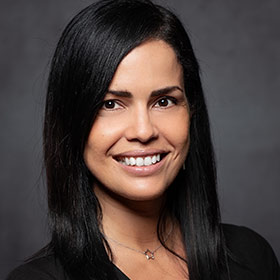
Marianela Rivera Ph.D.: The pandemic has had a strong impact on the job market, and it seems that many of those changes are not necessarily going to go away once the situation goes back to normal. The market is highly competitive, even more than before; therefore candidates should be able to demonstrate that they are not limiting themselves to their degrees. Looking for ways to keep up with technology and teaching trends is a must. Flexibility and the willingness and ability to work remotely I think are some of the most important trends in the job market as well. Candidates should be able to demonstrate that they are able to adapt and that they are willing to keep learning. Another significant factor to keep in mind is the importance given to diverse and inclusive environments. The pandemic has also highlighted issues related to sexism, racism, and inequality. Departments of Romance languages, literatures, and linguistics are looking to become more inclusive, therefore, they look for candidates who support an inclusive curriculum, show experience working with diverse populations of students, and demonstrate a commitment to teaching in and about multicultural environments.
What technical skills for a Senior Research Coordinator stand out to employers?
Marianela Rivera Ph.D.: In the past, technology was not necessarily one of the main concerns for people interested in romance languages, literatures, and linguistics; however, even before the pandemic, a variety of platforms and resources were made available to facilitate teaching courses related to those fields. The pandemic has highlighted the need to adapt to evolving times, so now technical skills are definitely something employers look for in potential candidates in addition to teaching and research excellence. Knowledge of and experience in online course development, technical writing, social media management, learning management systems, and project management are definitely skills that would stand out to employers.
How have salaries changed over time for Senior Research Coordinators?
Marianela Rivera Ph.D.: I think in terms of the salary, there has not been a significant change, especially for those who recently graduate and go into the job market; however, there are many more opportunities in terms of professional development and also to promote and implement interdisciplinary projects. Additional financial support is usually available for those who demonstrate interest and/or experience in developing research and/or service-learning projects, but it all depends on the institution.
Hunter Hampton Ph.D.
Assistant ProfessorStephen F. Austin State University
Department of History
What certifications/licenses/courses can have the biggest impact for Senior Research Coordinators?
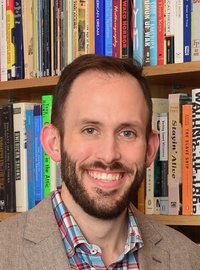
Hunter Hampton Ph.D.: Historically, the biggest impact on a person's job prospects is an undergraduate degree. As I tell my students, the most important thing you can major in is the one that you finish. But I believe flexibility in an undergraduate degree is beneficial for future employment. Majoring in the humanities provides job seekers cultural awareness, written and oral communication skills, and critical thinking. If the past year has taught us anything about work, cultural awareness, clear communication, critical thinking, and flexibility are essential for successful employers and employees. This skillset also widens job prospects for applicants. As the nature of work continues to change in the wake of the pandemic, I think that employers will seek out employees with a flexible skill set that can adapt quickly to unforeseen of conditions and tasks.
How have salaries changed over time for Senior Research Coordinators?
Hunter Hampton Ph.D.: This is difficult to answer because of the variety of fields that someone with a history degree can go into. They range from lawyers, museum curators, writers, business owners, teachers, and a few that get a Ph.D to teach at the college level. For my field as a professor specifically, the salaries are near flat over the past four years. I don't foresee them improving in the near future as state funding continues to decline for higher education. But I do believe that the salary for history majors will increase as employers continue to see the value of hiring humanities graduates.
What are the biggest trends we'll see in the Senior Research Coordinator job market given the pandemic?
Hunter Hampton Ph.D.: As someone who graduated from college in 2008 and sought refuge in graduate school, I believe we will see a similar influx in graduate student enrollments over the next two or three years as the economy hopefully recovers. Immediately after I graduated, I applied to about twenty minimum-wage retail jobs. I got two interviews and only one job offer. I saw graduate school as a tool to both buy time in hopes of improved job prospects and increase my qualifications for that future job market. I could see a similar trend now. People that lost their job due to the pandemic may return to finish their undergraduate degree or begin a graduate program for the same reason that I did.
Will there be an enduring impact of the coronavirus pandemic on Senior Research Coordinators?
Tao Peng Ph.D.: In the pandemic period, it will become more difficult to find history-related jobs. Some graduates may only find jobs that do not require historical skills.
To make themselves more competitive, students may consider developing new skills: not only historical research and writing skills, but also foreign language skill, programming skill, and/or other interdisciplinary skill(s). They may also consider applying for graduate programs to pursue advanced degrees. Besides, students may find it helpful to find opportunities to practice and teach history: for example, doing interns in local museums or historical societies, or teaching some history courses in local schools.
What soft skills should all Senior Research Coordinators possess?
Lee Penn Ph.D.: I hear over and over again from recruiters - they want candidates with strong backgrounds in their majors PLUS two things.
1 - experience with data science, statistics, or some kind of computer science
2 - soft skills (communication, playing well with other, collaboration, etc...)
What are the biggest trends we'll see in the Senior Research Coordinator job market given the pandemic?
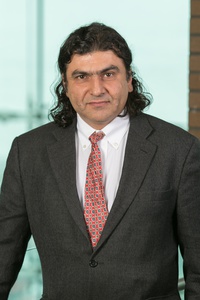
Dr. Ionut Florescu: When the pandemic started in March 2020 the job market drained. I had students with internships blocked and job offers rescinded over night. The fact that we had 87% employment 3 months after graduation for the program I am leading, during pandemic times I think is a testimonial of the strength of our career development team. This changed in December 2020 and I believe this spring we will see a return to normality. We are already doing better than last year and the semester is not even finished.
I am seeing all interviews going online even for companies that are next to us. So, in theory at least, our advantage being right next to Manhattan and Jersey City is not as prominent as before the pandemic. Yet, in the last two months our students are doing as well as before the pandemic. The reason, I think they keep coming back to us is tradition and the fact that our graduates are very technically sound.
Our undergraduate program Quantitative Finance was completely unaffected by the pandemic. The reason is the students typically get offers in their third year. So seniors were unaffected and juniors are now getting offers. This is because the QF program is extremely technical. It probably is the only program in Business Schools in US where students are taking Calc I through IV, and more probability and statistics than any engineering program. I think going forward, those traits are going to become the norm not the exception. I believe every graduate in the future will need to know how to program.
What soft skills should all Senior Research Coordinators possess?
Dr. Ionut Florescu: I believe in terms of soft skills, every graduate should be able to explain the results of their complex models to someone who isn't technically sound. So, presentation skills are extremely important. Then the capability of approaching a presenter at a conference or workshop and ask pertinent questions about what they just presented is really important. We require all our students to not only make presentations but also ask questions during other teams' presentations. I believe the most important thing as a teacher in the course is to criticize them when their presentation is not crisp or when the question isn't clear or appropriate.
How have salaries changed over time for Senior Research Coordinators?
Dr. Ionut Florescu: Our programs are producing graduates who work in the financial services industry, and our salaries are high compared to other domains. However, in 2019 the year before the pandemic, it was the first time when our graduates were attracted to the technology sector because the compensation was higher. It was also the first time when our Business School data science programs had a higher stating salary than the traditionally finance programs. Thus, I saw a shift in the skills, with statistics now being a required skill and not a "good to have" anymore. I do believe this trend will continue for at least a couple of years. The salaries will go up going forward. They did go down in 2020.
Rogelio Minana Ph.D.
Vice Provost for Global Engagement, Head of Global Studies and Modern LanguagesDrexel University
Office of Global Engagement
Will there be an enduring impact of the coronavirus pandemic on Senior Research Coordinators?
Rogelio Minana Ph.D.: It is still unclear the concrete impacts of the pandemic on jobs (working remotely vs on site, and the like), but it is clear that technology, adaptability, and a sense of how the global affects the local and vice versa are indispensable features in today's professional and civic life. Higher education institutions must focus on these skills in order to prepare students beyond disciplinary knowledge, as careers prove more fluid than ever before and the world as a whole becomes even more connected.
What's a good job out of college for Senior Research Coordinators?
Rogelio Minana Ph.D.: In today's global world, a good job out of college is one that enables a young graduate to explore a variety of career paths. The jobs of the future will require imagination, creativity, adaptability, and in many cases the ability to move one's career in different directions by means of interdisciplinarity and intercultural competency. Careers are living entities in today's market, and a job that allows a recent graduate to explore and not feel constrained to just one discipline or task will best prepare them to thrive as they become lifelong learners.
What will help Senior Research Coordinators increase their earning potential?
Rogelio Minana Ph.D.: In any field, having broad global qualifications, from experience studying and living abroad to language skills and the ability to work as part of international teams, provides a clear edge. Data indicates that international/global experience leads to higher graduation rates and higher GPA in college, as well as to higher earnings and higher change of promotion to decision-making positions after graduation. Developing intercultural competency and proactively seeking and appreciating diversity, both domestic and international, are critical not only for a healthy job market but also for a fairer society.
What type of skills will young Senior Research Coordinators need?
Dr. Janine Ziermann: The trend to be hyperflexible was already starting before the pandemic and became even more emphasized during the pandemic. Future workforce, both academic and research, will be required to think on their feet, learn to adapt immediately when unforeseen events occur, and be able to navigate a multitude of programs (teaching, collaboration, analyses, etc.). Being constantly aware of trends in teaching is a plus for all that apply for positions at universities.
Current and future graduate students have already proven to be resilient, a key skill that must continue. Clear communication is more important than ever with the increasing number of international students in graduate programs and international research collaborators necessary to complete vital areas of research for publications, grants, presentations, etc. Overall, graduate students should note what things they liked and disliked during their time in their respective program courses. They can then choose to keep some aspects and modify others when they are hired as faculty members, research post-docs, or research faculty in the next stages of their careers.
What experience really stands out on Senior Research Coordinator resumes?
Dr. Janine Ziermann: Good teaching evaluations or teaching experiences as a Teaching Assistant (if possible), published research, experience in a variety of methods (teaching and research) or any combination of these skills are always welcome. Grades alone are not a guarantee for success anymore. Fine-tuning specific skills, both in teaching and research, is important for any future position.
Will there be an enduring impact of the coronavirus pandemic on Senior Research Coordinators?
Dr. Janine Ziermann: The pandemic disrupted the entire world for almost a year now, which impacts everyone. Graduate students will be impacted due to delayed graduations, and missing opportunities for internships, practical research, or in-person collaborations. However, the pandemic forced graduate students to become hyperflexible in both coursework and research. Students rapidly learned to adapt to new technology, which created useful skills that will benefit them in future academic careers.
Moving towards research focused careers, it highly depends how productive the labs were, where the students did their thesis. While worldwide labs were forced to shut down, some researchers had sufficient data to keep publishing. Others were in institutions where research on a smaller scale was still possible. Unfortunately, most research projects were negatively impacted to some degree, some even stopping completely due to the lack of lab access, specimens being destroyed or university closure for non-essential personnel.
We have students in our program who have continued to publish papers during the pandemic from research data completed prior. We also have graduate students who are planning to defend in 2021 and might have to wait until the Summer rather than Spring because of the pandemic delaying final experiments and dissertation completion. This may impact future applications to PhDs, postdocs, or faculty positions.
Dr. DeQuan Smith
Assistant Director, Graduate Education & Career ConnectionsMorehouse School of Medicine
Division of Graduate Education in Biomedical Sciences
What soft skills should all Senior Research Coordinators possess?
Dr. DeQuan Smith: Adaptability, collaboration, learning agility, emotional intelligence, creativity, interpersonal communication, growth mindset, focus mastery, and innovation.
Daniel Patten Ph.D.
Assistant ProfessorMcMurry University
Department of Sociology and Criminology
Will there be an enduring impact of the coronavirus pandemic on Senior Research Coordinators?
Daniel Patten Ph.D.: I think it is safe to say yes. The tougher question is what those impacts are likely to be. Some of those impacts can already be seen. According to some recent research, COVID has impacted students very differently, usually split down lines of social class. For example, many students have delayed graduation with the poorest students most likely to do so. Other impacts have been the loss of a job, internship, or job offer after graduation. All of these will likely have lasting impacts for the future. Most prominently, many graduates can expect lower earnings for longer parts of their career than past generations. Unfortunately, this effect will be more pronounced for students coming from low-income families. One reason for this among many is a lack of social networking opportunities. College can be a time where low-income students expand their social capital by building relationships with others of different social backgrounds. The COVID world is even more segregated than before despite technological systems designed to keep us connected.
All of these impacts say nothing about health-related impacts. Of course, little is known about the long-term health complications associated with COVID. Yet, medical bills may linger alongside college debt for many students. College is also a time for heightened anxiety without COVID where mental illness tends to manifest. COVID can only serve to exacerbate such an issue. Many of these issues could be alleviated to some degree depending on our societal response to these problems. However, at this time, many students are finding little succor for major problems.
Lastly, it is hard to say what the impacts of limiting social life will be. Many students will have to go without entirely or experience quite different alternatives to many traditional social gatherings. It is often in these spaces and through these experiences we gain informal skills that employers seek such as oral communication skills, especially those that are more impromptu.
What skills stand out on Senior Research Coordinator resumes?
Katina Lillios: While the precise skills that are desired depend on the job, there are some that all graduates from an Anthropology program should work on developing. These include experience contributing to group projects, collaborating with diverse communities, strong communication and writing skills, versatility, and mastery of a specialized skill, such as GIS, a foreign language, statistics, and other digital technologies.
Are there any particularly good places in the United States for Senior Research Coordinators to find work opportunities?
Katina Lillios: With an Anthropology degree in hand, it is easier to find employment in high population density areas, where colleges/universities, museums, libraries, and hospitals are located.
Ryan Barker
Visiting InstructorState University of New York at Oswego
Departments of Biological Sciences and Health Promotion and Wellness
What Senior Research Coordinator skills would you recommend for someone trying to advance their career?
Ryan Barker: Gap years are great for experience, do your best to find a job on the ground in your local area but keep mastering things like Zoom or Webex and other telecommunication services. Take the time to set up a designated site in your apartment or home and be prepared to use it because foriegn firms want American talent to strength their presence in the American and global market.
What experience really stands out on Senior Research Coordinator resumes?
David Cadiz MBA, Ph.D.: Based on feedback I have been getting from organizations that have been interviewing and hiring our new graduates, there are two primary components on new graduate resumes that are setting these new graduates apart in terms of those getting more interest for interviews versus those who are not. First, students who have had at least one HR-specific internship (multiple internships would be even better) are definitely seeing more interest from employers. A lot of entry-level HR jobs are asking for applicants with some HR experience and those with internships can meet that requirement and essentially get passed that first hurdle. Second, I am a bit biased here because I am a faculty advisor for a Society for Human Resource Management (SHRM) student group at PSU, but students that actively participate and take on a leadership role in a student group have seen a lot of interest from employers. By participating in these groups, the students are able to show employers that they have gained some leadership skills and are willing to go over and beyond in terms of spending time volunteering for a group that is focused on developing HR professionals.
Will there be an enduring impact of the coronavirus pandemic on Senior Research Coordinators?
Allyson Brantley Ph.D.: For most of our History majors -- as with any others -- I'm sure there will be an impact, but it's hard to say whether or not it will be long-lasting. Since some of our graduates go into fields like museum work and public history, they may find it challenging to enter into those fields right away, given that museums have been facing severe budgetary constraints. There may be some impacts down the line in terms of the ability to get an internship or entry-level position in these fields.
I think we may also see an uptick in the number of history undergraduates who choose to go into master's or Ph.D. programs (something that indeed occurred in the wake of the Great Recession); without many job options, many pursue additional degrees.
What type of skills will young Senior Research Coordinators need?
Bart Elmore: There really is no profession that does not lean on history. Politicians speak of what the "Founding Fathers" believed in trying and getting legislation passed. Business leaders have to look back at old annual reports and financial records to understand economic trends and predict problems that might arise in the future. Even doctors have to learn how to examine health data compiled decades ago to understand how best to treat their patients. I'm not sure people think of history this way, but the truth is, knowing how to digest historical data and translate it into useful information that can help guide decisions in the present is what historians do. I cannot think of a more powerful discipline when it comes to learning skills that will help young graduates live better lives once they leave the university.
What Senior Research Coordinator skills would you recommend for someone trying to advance their career?
Ben Brown: Always the soft skills of holding a conversation and working with people, regardless of the pandemic.
What general advice would you give to a Senior Research Coordinator?
Ben Brown: There are a lot of good jobs out there, and people are hiring. The job market just looks a little different because most of it is virtual. This may mean that the applicant has to source out employers instead of the employers coming to the student in the form of career fairs.