Find a Job You Really Want In
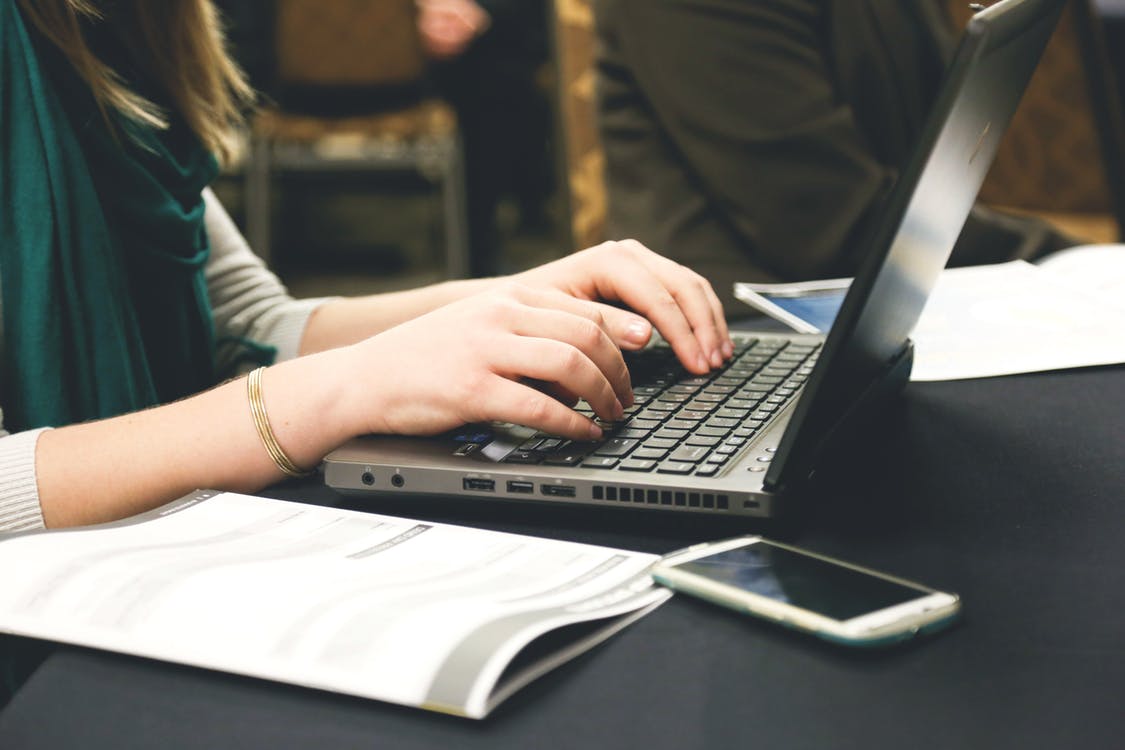
In the modern workplace, emails have become the backbone of communication, especially as remote and hybrid work models continue to thrive. A well-crafted email not only conveys your message but also reflects your professionalism and enhances your relationships with colleagues.
Whether you are a manager sending updates to your team, a team member confirming a meeting, or a senior executive communicating with stakeholders, mastering the art of email etiquette is essential for everyone in the workforce.
Key Takeaways:
-
Effective email etiquette enhances your professional image and improves communication clarity.
-
Conciseness, attention to spelling and grammar, and maintaining a formal tone are crucial aspects of email etiquette.
-
Always proofread your emails thoroughly before hitting Send to avoid misunderstandings.
Why Do We Need Email Etiquette?
Effective email etiquette is crucial as it significantly impacts your interactions with coworkers and teams. In many cases, a quick phone call or face-to-face conversation may not be possible, making email the most efficient means of communication.
Email allows for rapid communication, but the absence of non-verbal cues requires careful attention to tone, formatting, and content. By adhering to email etiquette guidelines, you can craft messages that foster strong professional relationships and minimize the risk of misinterpretation.
15 Tips for Email Etiquette
Emails may be sent in seconds, but the impact of a poorly constructed message can last much longer. Here are 15 essential tips for maintaining proper email etiquette:
-
Craft a clear subject line. The subject line is the first impression your email makes. It should succinctly convey the purpose of your message—ideally in just two to five words—to encourage the recipient to open it promptly.
-
Check your spelling. Ensure you spell the recipient’s name correctly at the beginning of your email. A misspelled name can come across as careless and unprofessional.
-
Use your professional email address. Always send work-related emails from your official work email account. Using a personal email can lead to your message being flagged as spam and may include inappropriate language.
-
Reply only to relevant parties. When responding to group emails, think carefully about whether you need to use “Reply All.” Unnecessary replies can clutter inboxes and distract from important conversations.
-
Respect confidentiality and privacy. Be cautious when handling sensitive information. Ensure you’re sharing it with the appropriate recipients and adhere to your organization’s privacy policies.
-
Respond in a timely manner. Good email etiquette involves acknowledging messages promptly. Aim to respond within a few days unless you are out of the office; in that case, set an auto-reply to inform senders of your absence.
-
Choose traditional fonts. Use classic, professional fonts like Times New Roman or Arial in black, sized between 10-12 points, to enhance readability.
-
Mind your tone. Written communication lacks vocal tone, so be careful to convey the right tone to avoid misunderstandings. Reading your email out loud before sending can help you gauge its tone.
-
Always reply when appropriate. If you receive a direct message or a relevant email, responding shows acknowledgment and engagement. If you suspect you received an email by mistake, let the sender know.
-
Add the recipient’s email last. To prevent sending incomplete messages, add the email addresses after composing your email. This helps avoid sending unpolished emails.
-
Proofread your emails multiple times. Always run your emails through a spell checker and read them at least twice to catch any errors.
-
Consider the recipient’s cultural background. Tailor your message to reflect the culture and communication style of the recipient, ensuring sensitivity to diverse perspectives.
-
Avoid excessive exclamation points. Use exclamation points sparingly, as they can be perceived as overly emotional or aggressive in professional contexts.
-
Be cautious with humor. Humor can be subjective and may not always translate well in written form. Use humor judiciously, considering your relationship with the recipient.
-
Remember that emails are permanent. Even after deletion, emails may remain stored on servers. Always maintain a professional tone and approach, as they can be referenced in the future.
Do’s of Email Etiquette
-
Do use an appropriate salutation. The salutation you choose should reflect your relationship with the recipient. For initial contacts, opt for a formal greeting, while you may use a casual “Hi” for familiar colleagues.
-
Do include a signature. Adding your email signature provides your contact information and enhances professionalism. Most email clients allow you to create a signature that automatically populates in your emails.
-
Do check your grammar—twice. Grammar accuracy is paramount. Always run a spell checker and remain vigilant for errors that automated tools might overlook.
Don’ts of Email Etiquette
-
Don’t make assumptions. Be clear and concise in your message and provide any necessary context, especially when contacting someone you haven’t communicated with before.
-
Don’t use shorthand. Avoid abbreviations and slang, which are acceptable in text messages but not in professional emails. Save emojis for casual communication platforms.
-
Don’t write lengthy emails. Keep your messages straightforward and to the point. If additional detail is necessary, consider bullet points or breaking up text for clarity.
By following these email etiquette tips, you can enhance your communication skills and foster a more professional environment within your workplace. Remember, effective email communication is key to building strong working relationships and achieving your career goals.

Author

Chris Kolmar is a co-founder of Zippia and the editor-in-chief of the Zippia career advice blog. He has hired over 50 people in his career, been hired five times, and wants to help you land your next job. His research has been featured on the New York Times, Thrillist, VOX, The Atlantic, and a host of local news. More recently, he's been quoted on USA Today, BusinessInsider, and CNBC.