- Industry Statistics
- Wedding Industry Statistics
- Yoga Industry Statistics
- Music Industry Statistics
- Landscaping Industry Statistics
- Bicycle Industry Statistics
- Coffee Industry Statistics
- Car Rental Industry Statistics
- Home Improvement Industry Statistics
- Insurance Industry Statistics
- Supplements Industry Statistics
- Golf Industry Statistics
- Fitness Industry Statistics
- US Media And Entertainment Industry Statistics
- Firearm Industry Statistics
- Financial Services Industry Statistics
- Health And Wellness Industry Statistics
- Trucking Industry Statistics
- Wine Industry Statistics
- Pet Industry Statistics
- Mobile App Industry Statistics
- Digital Marketing Industry Statistics
- Hotel Industry Statistics
- Retail Statistics
- Robotics Industry Statistics
- Jewelry Industry Statistics
- Appointment Scheduling statistics
- Restaurant Industry Statistics
- Food Delivery Statistics
- Food Truck Industry
- Fashion Industry
- Real Estate Industry
- US Film Industry
- US Beverage Industry
- USu202fFast Food Restaurants
- US Construction Industry
- US Book Industry
- Cosmetics Industry
- US Food Retail Industry
- US Pharmaceutical Industry
- US Healthcare Industry
- Airline Industry
- Automobile Industry
- Transportation Industry Statistics
- Event Industry Statistics
- Project Management Statistics
- Oil And Gas Industry Statistics
- Nursing Home Statistics
- Nursing Shortage Statistics
- Nursing Statistics
60+ Compelling Digital Marketing Industry Statistics [2026]: How To Market Digitally In The U.S.
Research Summary. Digital marketing remains a cornerstone for companies aiming to thrive in today’s economy, where internet and smartphone usage continue to soar. As businesses adapt to new technologies and consumer behaviors, understanding digital marketing’s landscape is essential. Below are the key statistics every business professional should be aware of:
-
As of 2023, 90% of marketers utilize content marketing.
-
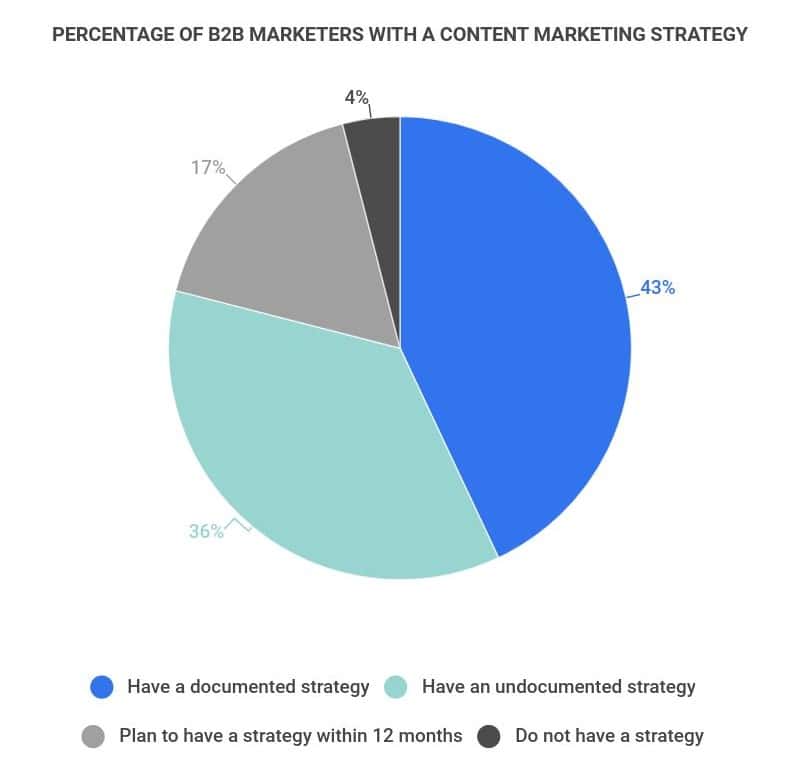
Only 37% of companies lack a clearly defined content marketing strategy.
-
55% of executives make decisions based on data, moving away from instinct-based choices.
-
Small businesses with blogs experience 126% more lead growth compared to those without.
-
As of 2023, the Digital Advertising and Marketing market is valued at approximately $476.9 billion.
-
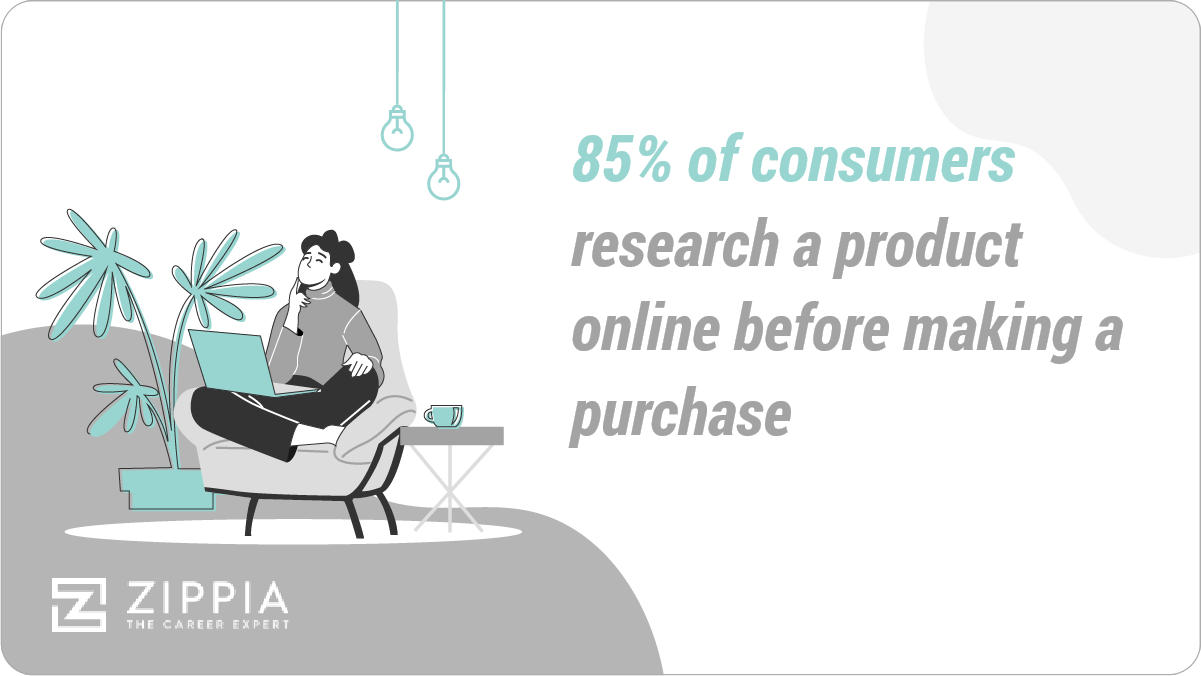
85% of consumers conduct online research before making a purchase.
-
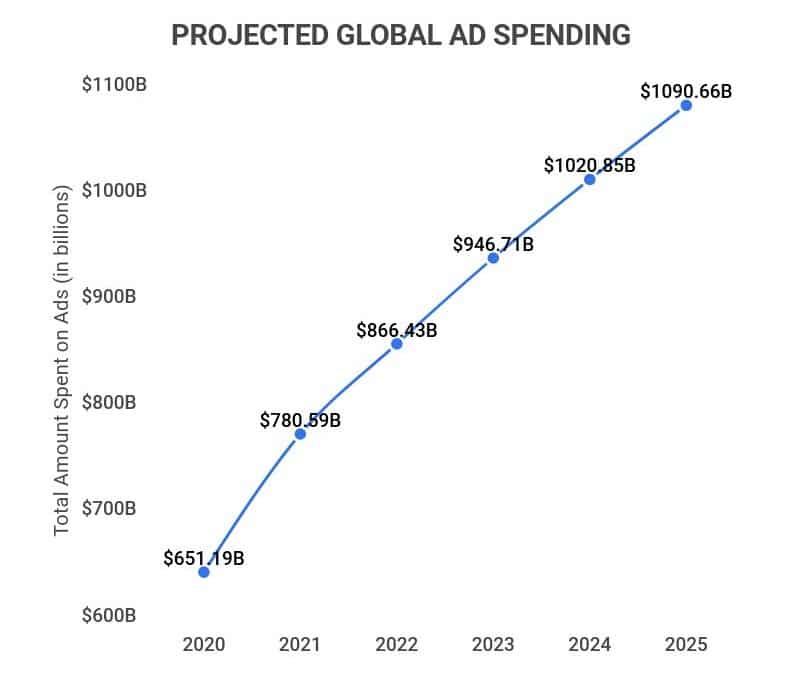
Global ad spending exceeded $780.59 billion in 2021.
For deeper insights, we have categorized the data in the following sections:
Blogs and Content Marketing | Data and Technology | Search Engine Optimization | Marketing and Sales | Email Marketing | Visual Content | Mobile Marketing | Marketing Strategies and Tactics | Social Media Marketing | Consumer Opinions | Industry Challenges | Engagement Metric
General Marketing Industry Statistics
Marketing has evolved significantly since its inception, transitioning from print ads to digital campaigns. Here are some key statistics about the current marketing industry:
-
The U.S. Digital Advertising & Marketing industry is valued at $261.10 billion.
This represents a substantial 54.7% of the global market, underscoring the critical role of marketing in American businesses. While markets in China, Japan, and Canada are substantial, they are currently surpassed by the U.S.
-
Between 2021-2023, the advertising industry is projected to grow by 22.5%.
Experts anticipate the global advertising market will reach $763.2 billion by the end of 2023, with social media ad spending surpassing traditional TV ad spending, projected to hit $177 billion.
-
Only 35% of marketers believe their content marketing strategy is highly effective compared to competitors.
The majority (46%) view their strategies as somewhat successful, while 19% report they are unsuccessful.
-
34% of small businesses opt to outsource their digital marketing efforts.
This trend is even more pronounced among marketers, with 75% generally outsourcing at least some content creation, driven by the rise of gig work and globalization.
-
Digital marketing reaches 50% more customers than traditional marketing.
This enhanced reach demonstrates the effectiveness of digital strategies—if you reach 200 customers through traditional marketing, you could reach 300 using digital platforms.
-
The global digital marketing sector is expected to achieve a CAGR of 17.6% from 2021 to 2026.
At this growth rate, the industry is projected to be worth $807 billion by 2026, surpassing the net worth of prominent billionaires combined.
Digital Marketing Industry Statistics by Blogs and Content Marketing
Blogs and various forms of content marketing are essential tools for engaging potential customers and driving interest in products and services. Here are some relevant insights:
-
55% of marketers prioritize blog content as their top inbound marketing strategy.
Companies with blogs attract 67% more leads per month than those without them. For instance, if a business typically generates 50 leads, that number can rise to 83 leads with a blog.
-
Businesses that prioritize blogging are 13 times more likely to see year-over-year ROI growth.
Overall, 82% of companies that use blogs as part of their marketing strategy report positive ROI.
-
Inbound marketing costs 62% less than traditional marketing.
This strategy focuses on attracting customers through valuable content, leading to personal connections and generating three times the leads on average compared to traditional methods.
-
Companies that publish over 16 blogs monthly experience 3.5 times more traffic.
Higher blog frequency correlates with increased visibility, as publishing 2-4 times per week yields the best results for traffic and conversions.
-
Only 42% of B2B marketers report positive outcomes from content marketing campaigns.
Despite 93% of B2B marketers utilizing content marketing, many struggle to achieve their desired results, often due to budget constraints.
-
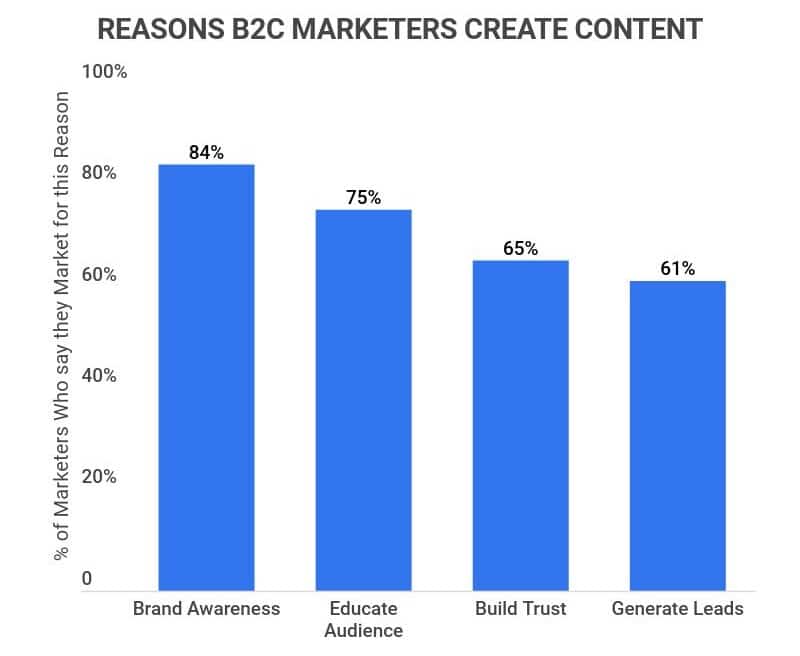
75% of B2C marketers create content to educate their audience.
Content aims not only to inform but also to build brand awareness (84%), establish trust (65%), and generate leads (61%).
-
70% of U.S. companies consistently invest in content marketing.
This figure is even higher among larger firms, with 85% of companies employing 100 or more employees regularly investing in content marketing.
Digital Marketing Industry Statistics by Data and Technology
Data and technology are the backbone of effective digital marketing strategies. Here are some insights:
-
Data-driven marketing campaigns can boost ROI by 500-800%.
By utilizing data analytics, marketers can significantly enhance the effectiveness of their campaigns, leading to higher returns on their investments.
-
76% of marketing leaders rely on data analytics to inform their decisions.
This highlights the critical role of data in shaping successful marketing strategies, with 32% of marketers citing it as essential for achieving their goals.
-
51% of companies have adopted marketing automation.
More than half of businesses utilize automation, which has been shown to help 63% of companies outperform their competitors.
-
74% of businesses have implemented automation tools within the last decade.
This reflects the growing trend towards automation in marketing strategies.
-
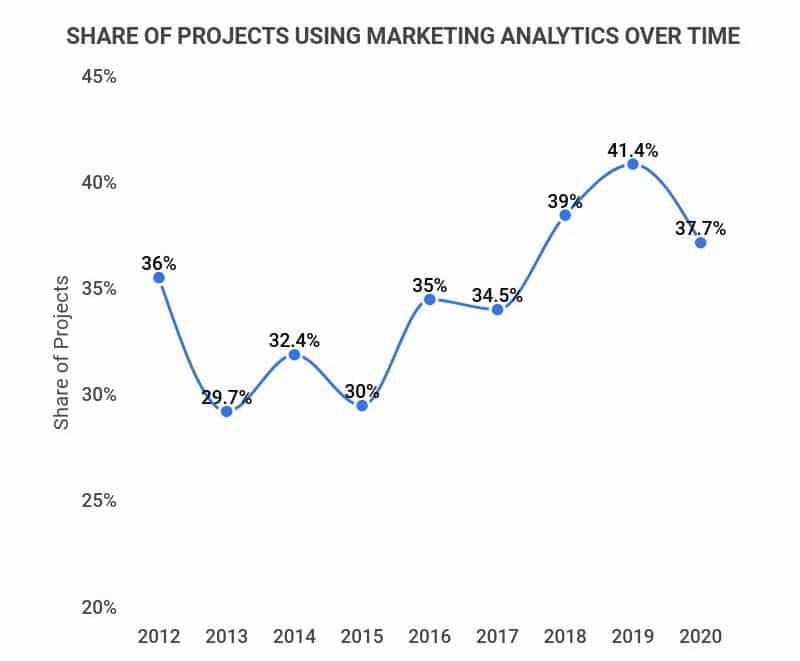
52.7% of marketers use analytics.
While this shows significant adoption, the use of analytics varies across projects, with 37.7% of marketing projects employing analytics in the U.S.
-
91% of businesses are currently investing in AI technologies.
Many companies believe that leveraging AI will enhance productivity, ROI, and customer engagement.
Digital Marketing Industry Statistics by Search Engine Optimization
The significance of search engine optimization (SEO) cannot be overstated in digital marketing. Here are the latest findings:
-
There are over 63,000 Google searches every second.
This staggering number highlights the importance of visibility in search results, as the average person conducts up to four searches daily.
-
From 2021 to 2022, installs of shopping apps rose by 10% globally.
Usage of these apps has surged even more, increasing by 30% year-over-year as consumers increasingly prefer mobile shopping.
-
61% of marketers consider improving SEO and search engine rankings their top priority.
For many, SEO is recognized as crucial for overall marketing success.
-
67% of clicks are generated by the first five search results.
Moreover, 75% of clicks go to the top three results, underscoring the importance of effective SEO strategies.
-
Local search accounts for 46% of Google searches.
Approximately 85% of consumers use the internet to find local businesses, emphasizing the relevance of local SEO.
-
“Near me” searches increased by 40% year-over-year.
Consumers favor quick, spontaneous searches for local services, further highlighting the need for effective local SEO strategies.
-
57% of marketers believe relevant content is the most effective SEO tactic.
Nearly half (49%) prioritize keyword research as a key component of effective content creation.
-
72% of marketers report content marketing has significantly improved audience engagement.
Personalized content marketing strategies have proven particularly effective in boosting engagement rates.
-
93% of online interactions begin with a search engine.
This statistic emphasizes the critical importance of SEO in capturing potential customers’ attention.
Digital Marketing Industry Statistics by Marketing and Sales
The ultimate goal of digital marketing is to boost product and service sales. Here are the insights from our research:
-
68% of B2B businesses utilize landing pages to generate new sales leads.
Landing pages are critical for first impressions, with 48% of marketers creating new landing pages for each offer.
-
68% of companies have not clearly defined their sales funnels.
This lack of clarity leads to 79% of marketing leads going unconverted, resulting in wasted resources.
-
Generating leads and traffic is the top goal for 85% of companies.
However, 65% also find this to be their biggest marketing challenge.
-
Inbound marketing generates three times more leads than outbound marketing.
For example, a company generating 50 leads through outbound marketing could potentially generate 150 leads through inbound strategies.
-
Nurtured leads lead to purchases that are 47% larger than non-nurtured leads.
Building trust through nurturing leads can significantly impact purchase size.
-
As of 2021, e-commerce represented 19.6% of global retail.
This proportion has increased from 14% in 2019, reflecting the growing significance of e-commerce.
Digital Marketing Industry Statistics by Email Marketing
Despite the focus on SEO and content marketing, email marketing remains a powerful tool. Here’s how effective email marketing can be:
-
The average ROI from an email marketing campaign is $36 for every $1 spent.
With low production costs, email campaigns can yield impressive returns, making them a cost-effective marketing strategy.
-
Targeted emails account for 58% of online business revenue.
Personalized subject lines can increase open rates by 50%, leading to higher traffic and engagement.
-
Abandoned cart emails have an average 21% click-through rate.
These emails typically achieve a 45% open rate, encouraging customers to return and complete their purchases.
Digital Marketing Industry Statistics by Visual Content
Visuals play an essential role in marketing effectiveness. Here are key statistics regarding visuals:
-
Videos on landing pages can boost conversion rates by up to 80%.
Short videos often serve as powerful introductions, improving consumer education and engagement.
-
Video content generates 12 times more engagement than text and image content combined.
Visual information is processed significantly faster by the brain, enhancing consumer retention.
-
51% of marketers claim video content provides the best ROI.
87% overall agree that video marketing leads to positive returns.
-
Most marketers (91-100%) include visuals in their content.
This trend continues to grow, reflecting the increasing importance of visual marketing.
-
Articles with images receive 94% more views than those with text only.
Incorporating visuals into blogs can dramatically increase traffic and engagement.
Digital Marketing Industry Statistics by Mobile Marketing
As smartphone usage becomes ubiquitous, mobile marketing is essential for reaching consumers. Here are some insights:
-
47% of email campaigns are accessed via mobile devices.
58% of users check their emails on mobile devices first thing in the morning.
-
46% of voice searches are made for information on local businesses daily.
71% of U.S. smartphone owners prefer voice searches over typing.
-
51% of consumers discover new products and brands through mobile devices.
This trend reinforces the importance of mobile-optimized content and SEO strategies.
Digital Marketing Industry Statistics by Marketing Strategies and Tactics
To stay competitive, marketers must develop personalized strategies. Here are some key statistics:
-
81% of executives believe that marketing segmentation is crucial for profit growth.
However, only 25% report effective implementation of segmentation strategies.
-
Personalized calls to action convert 42% more leads than generic CTAs.
Customized CTAs can significantly boost engagement and conversion rates.
Digital Marketing Industry Statistics by Social Media Marketing
Social media platforms have transformed the marketing landscape, enabling brands to connect with consumers. Here are key insights:
-
28% of Facebook users leverage the platform to strengthen their professional networks.
This translates to approximately 493 million users following brands and companies.
-
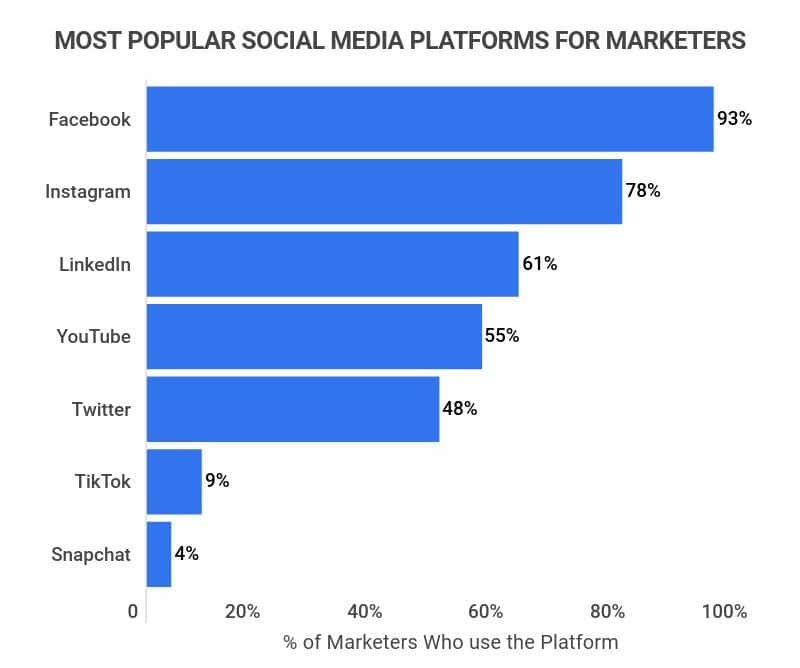
Facebook remains the leading social media platform, with 93% of marketers using it.
Other popular platforms among marketers include Instagram (78%), LinkedIn (61%), and YouTube (55%).
-
93% of brands acquire new customers through social media video posts.
Video advertising on these platforms is a highly effective means of increasing brand awareness.
-
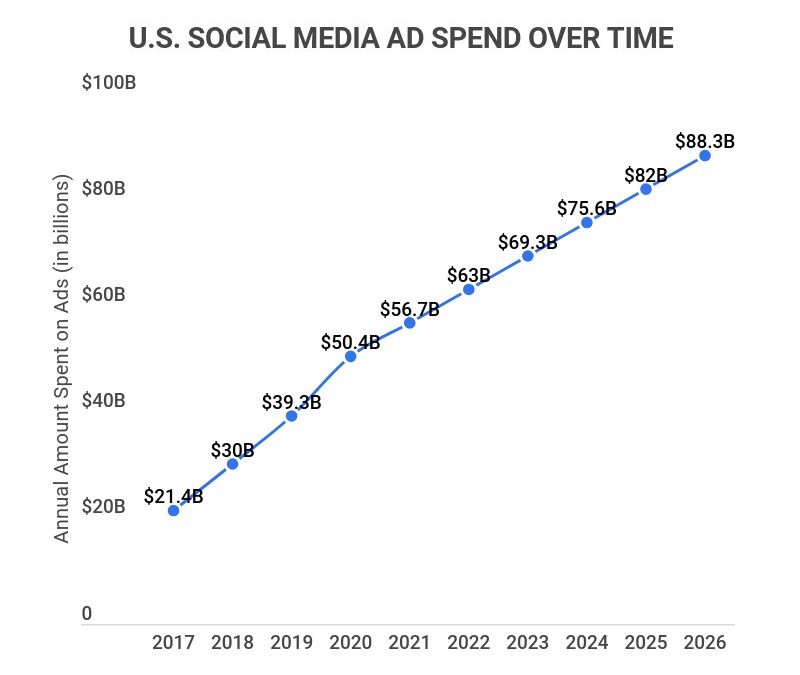
Social media ad spending grew by an average of 24.6% annually from 2017 to 2022.
By the end of 2022, U.S. social media ad spending was projected to reach $63 billion.
-
54% of consumers conduct product research on social media.
Additionally, consumers are 71% more likely to purchase after receiving social media referrals.
Digital Marketing Industry Statistics by Consumer Opinions
Understanding consumer opinions is vital for shaping effective marketing strategies. Here are some insights:
-
53% of consumers are more inclined to buy from transparent brands.
Transparency significantly influences purchasing decisions, with 94% of consumers loyal to brands that are open about their practices.
-
Product reviews are 12 times more trusted than product descriptions.
Positive reviews can significantly impact sales, making them crucial for marketing success.
-
77% of internet users read blogs.
Blogs attract more attention than emails, with users spending three times longer on blog content.
-
47% of B2B buyers consume 3-5 pieces of content before reaching out.
Many B2B buyers may review as many as 13 pieces of content before making a decision.
Digital Marketing Industry Statistics by Industry Challenges
Marketers face various challenges in the ever-changing digital landscape. Here are some of the most significant hurdles:
-
63% of marketers cite driving traffic and leads as their biggest content marketing challenge.
Success in content marketing often hinges on effective strategy implementation.
-
65% of marketers find creating engaging visual content to be challenging.
Many also struggle with the consistency of producing visual content.
Digital Marketing Industry Statistics by Engagement Metric
Engagement is a critical component of effective marketing. Here’s what our research revealed:
-
Professionally written content boosts engagement by 28%.
The quality of content significantly impacts consumer engagement levels.
-
Visitors spend 2.6 times longer on pages with video content.
Pages with videos keep users engaged far longer than those without.
Digital Marketing Industry Statistics FAQ
-
How big is the digital marketing industry?
The digital marketing industry is substantial, with global ad spending reaching $780.59 billion in 2021. The global Digital Advertising and Marketing market is estimated at around $476.9 billion, with the United States accounting for $261.10 billion. This represents 54.7% of the global industry, highlighting the significance of marketing for U.S. companies. Although China, Japan, and Canada have notable marketing industries, they currently lag behind the U.S. Overall, 90% of marketers worldwide now engage in digital marketing due to its expansive reach and growth potential.
-
What percentage of marketing is digital?
As of 2021, digital marketing comprised 64.4% of total advertising spending. This trend highlights the shift towards digital investments in numerous regions, particularly in the U.S., driven by increased internet access and smartphone ownership.
-
How fast is the digital marketing industry growing?
The digital marketing industry is experiencing robust growth, with an annual increase of at least 10%. This includes investments in social media and advertising, which have demonstrated strong compound annual growth rates (CAGRs). For instance, social media ad spending rose by an average of 24.6% annually from 2017 to 2022, with projections for U.S. social media ad spending to reach $63 billion by the end of 2022.
-
Is digital marketing in demand?
Yes, digital marketing is in high demand. Approximately 34% of small businesses outsource their digital marketing needs, a figure that increases with larger companies. Additionally, professionally created content can elevate engagement by 28%. The demand for digital marketers is evident, with over 80,000 job openings for Digital Marketing Specialists and a projected job growth rate of 20%.
Conclusion
With 90% of marketers leveraging content marketing, digital marketing is a crucial aspect of any business strategy today. Various strategies, including blogs, SEO, visual content, data-driven techniques, email marketing, mobile marketing, and social media, have emerged as key success factors.
Companies and marketers implementing strategies based on these insights are more likely to witness increased traffic, engagement, referrals, and ultimately, sales and profits. Digital marketing’s ability to reach 50% more customers than traditional methods underscores its growing importance.
It’s never too late to adopt an effective digital marketing strategy, especially as the industry is poised for continued growth.
References
-
HBR. “Don’t Trust Your Gut.” Accessed on March 24th, 2022.
-
HubSpot. “Blogging Businesses Experience 126% Higher Lead Growth Than Non-Blogging Businesses.” Accessed on March 24th, 2022.
-
Yahoo!. “Global Digital Advertising and Marketing Market Report 2021: Market to Reach $786.2 Billion by 2026 – Digital Advertising Spending Records Growth during Pandemic.” Accessed on March 24th, 2022.
-
Cision. “Global Digital Advertising and Marketing Market to Reach $786.2 Billion by 2026.” Accessed on March 24th, 2022.
-
WSJ. “Advertising Market Keeps Growing Much Faster Than Expected, Forecasters Say.” Accessed on March 24th, 2022.
-
Convince&Convert. “Only 35% of Companies Think Content Marketing Is Truly Successful.” Accessed on March 24th, 2022.
-
Titan Growth. “Traditional vs Digital Marketing – What Are the Advantages?” Accessed on March 24th, 2022.
-
EMR. “Global Digital Marketing Market to Grow at a CAGR of 17.6% Over the Forecast Period of 2021-2026.” Accessed on March 24th, 2022.
-
Protocol 80, Inc. “Inbound vs Outbound Traditional Marketing: Value Comparison.” Accessed on March 24th, 2022.
-
Marketing Insider Group. “How Often Should You Blog? [Blog Post Frequency RESEARCH].” Accessed on March 24th, 2022.
-
Small Business Trends. “Content Marketing Statistics You Should Know.” Accessed on March 24th, 2022.
-
Emailmonday. “The Ultimate Marketing Automation statistics overview.” Accessed on March 25th, 2022.
-
Statista. “Share of projects using marketing analytics before a decision is made according to CMOs in the United States from February 2012 to February 2020.” Accessed on March 25th, 2022.
-
Financial Post. “Google averages 63,000 search queries per second — how does this impact you?” Accessed on March 25th, 2022.
-
DigitalLogic. “61% of marketers say improving SEO and growing their organic presence is their top inbound marketing priority – Organic Search – Digital Logic.” Accessed on March 25th, 2022.
-
Search Engine Journal. “Over 25% of People Click the First Google Search Result.” Accessed on March 25th, 2022.
-
Digital. “10 Key Benefits of a Website for Small Businesses.” Accessed on March 25th, 2022.
-
Think with Google. “20 Search trends for 2020.” Accessed on March 25th, 2022.
-
Marketing Charts. “Relevant Content Considered Most Effective SEO Tactic.” Accessed on March 25th, 2022.
-
Statista. “Distribution of worldwide website traffic in 2019, by source.” Accessed on March 25th, 2022.
-
MarketingSherpa. “B2B Marketing Research: 68% of B2B marketers haven’t identified their Marketing-Sales funnel … and it shows.” Accessed on March 25th, 2022.
-
Marketo. “Inbound Marketing.” Accessed on March 25th, 2022.
-
Invespcro. “The Importance Of Lead Nurturing – Statistics and Trends.” Accessed on March 25th, 2022.
-
Statista. “E-commerce as percentage of total retail sales worldwide from 2015 to 2025.” Accessed on March 25th, 2022.
-
Constant Contact. “What is the Average Email Marketing ROI?” Accessed on March 25th, 2022.
-
TargetBay. “Abandoned Cart Email.” Accessed on March 25th, 2022.
-
SocialMediaToday. “7 Tips for Using Visual Content Marketing.” Accessed on March 25th, 2022.
-
Explainly. “The Value of a Video – Helpful Video Marketing Statistics.” Accessed on March 25th, 2022.
-
B2B Marketing. “RESEARCH NEWS: Articles with images get 94% more views than those without.” Accessed on March 25th, 2022.
-
Statista. “Mobile share of organic search engine visits in the United States from 4th quarter 2013 to 4th quarter 2019, by platform.” Accessed on March 25th, 2022.
-
Oberlo. “10 Voice Search Statistics You Need To Know in 2022 [Infographic].” Accessed on March 25th, 2022.
-
Woodruff. “Market Segmentation — Because One Size Does Not Fit All.” Accessed on March 26th, 2022.
-
Transaction. “Personalized Call-To-Actions Convert 42% More Visitors into Leads than Generic CTAs.” Accessed on March 26th, 2022.
-
Statista. “Leading Facebook usage reasons according to users in the United States as of 3rd quarter 2019.” Accessed on March 26th, 2022.
-
Statista. “Leading social media platforms used by marketers worldwide as of January 2021.” Accessed on March 26th, 2022.
-
Agility PR Solutions. “The power of video: 93 percent of brands landed a new customer after sharing one on social media.” Accessed on March 26th, 2022.
-
Oberlo. “Social Media Ad Spend in the US (2017–2026).” Accessed on March 26th, 2022.
-
Search Engine Watch. “How social media influence 71% consumer buying decisions.” Accessed on March 26th, 2022.
-
The Light Digital. “Consumers Want Transparency. Here’s How To Give It to Them.” Accessed on March 26th, 2022.
-
Inc. “Generate Consumer Reviews to Improve Trust for Your Brand.” Accessed on March 26th, 2022.
-
Venngage. “15 Visual Content Marketing Statistics to Know for 2021 [Infographic].” Accessed on March 26th, 2022.
-
Tint. “How User Generated Content Can Help You Increase Website Engagement.” Accessed on March 26th, 2022.
-
Wistia. “Our Videos Dramatically Increased Our Visitors’ Time on Page.” Accessed on March 26th, 2022.
- Industry Statistics
- Wedding Industry Statistics
- Yoga Industry Statistics
- Music Industry Statistics
- Landscaping Industry Statistics
- Bicycle Industry Statistics
- Coffee Industry Statistics
- Car Rental Industry Statistics
- Home Improvement Industry Statistics
- Insurance Industry Statistics
- Supplements Industry Statistics
- Golf Industry Statistics
- Fitness Industry Statistics
- US Media And Entertainment Industry Statistics
- Firearm Industry Statistics
- Financial Services Industry Statistics
- Health And Wellness Industry Statistics
- Trucking Industry Statistics
- Wine Industry Statistics
- Pet Industry Statistics
- Mobile App Industry Statistics
- Digital Marketing Industry Statistics
- Hotel Industry Statistics
- Retail Statistics
- Robotics Industry Statistics
- Jewelry Industry Statistics
- Appointment Scheduling statistics
- Restaurant Industry Statistics
- Food Delivery Statistics
- Food Truck Industry
- Fashion Industry
- Real Estate Industry
- US Film Industry
- US Beverage Industry
- USu202fFast Food Restaurants
- US Construction Industry
- US Book Industry
- Cosmetics Industry
- US Food Retail Industry
- US Pharmaceutical Industry
- US Healthcare Industry
- Airline Industry
- Automobile Industry
- Transportation Industry Statistics
- Event Industry Statistics
- Project Management Statistics
- Oil And Gas Industry Statistics
- Nursing Home Statistics
- Nursing Shortage Statistics
- Nursing Statistics

Author

Jack Flynn is a writer for Zippia. In his professional career he’s written over 100 research papers, articles and blog posts. Some of his most popular published works include his writing about economic terms and research into job classifications. Jack received his BS from Hampshire College.