- Types Of Interviews
Find a Job You Really Want In
Panel interviews can be daunting, often raising anxiety levels higher than traditional interviews. Typically lasting between 45 to 90 minutes, it’s crucial to be well-prepared for this unique format.
If you have a panel interview coming up, stay with us. We’ll share essential strategies to help you excel in your panel interview, along with common panel interview questions and example responses.
Key Takeaways:
-
A panel interview usually lasts between 45 to 90 minutes and may involve:
-
A hiring manager
-
Your potential supervisor
-
An HR representative
-
A potential colleague
-
Other department leaders who will collaborate with you
-
-
Prior to your interview, ensure you understand your audience, bring sufficient materials for all panel members, and prepare insightful follow-up questions.
-
Engage with each panel member throughout the interview and take the time to personally thank each of them as you leave.
What is a Panel Interview?
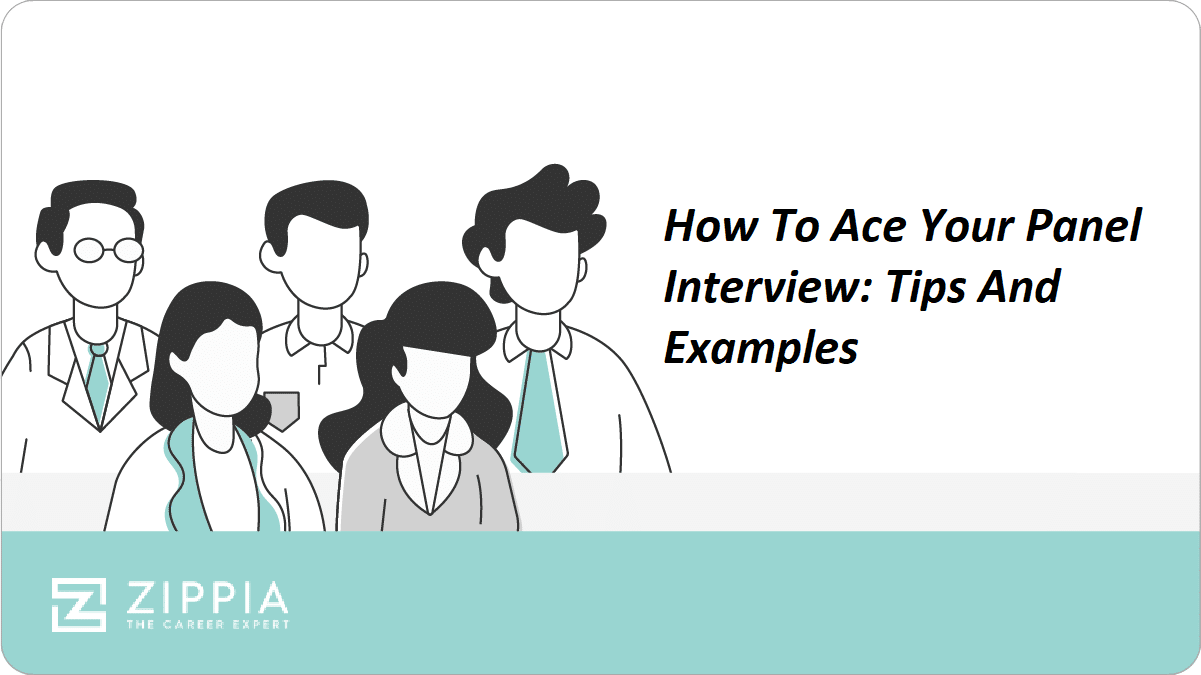
A panel interview involves multiple interviewers assessing a candidate simultaneously. Typically, the panel comprises a hiring manager, a prospective supervisor, an HR representative, a potential peer, and other relevant department heads. Each panelist plays a critical role in determining the best fit for the position.
While the hiring manager typically leads the session, they will ask predetermined interview questions and facilitate discussions. Other panelists may also have questions prepared, and they may follow up based on your responses, particularly those relevant to their areas.
Expect panel interviews to last around 45-90 minutes, so be ready for an extended interaction.
10 Tips to Ace Your Panel Interview
Understanding your audience and engaging with all panel members is essential. Here are additional strategies to help you excel:
-
Know Your Audience. Identify the specific individuals on the panel, including the hiring manager, HR representative, team leads, and a potential peer. Reach out to your company contact or recruiter for names.
Research each interviewer’s background, including their LinkedIn profiles and notable projects. Understanding their roles will help you tailor your responses to their interests—HR might focus on cultural fit, while the hiring manager will evaluate your technical skills.
-
Engage with All Panel Members. Avoid the common mistake of only addressing the senior-most interviewer. Ensure that every panelist feels included in the conversation by maintaining eye contact and acknowledging their questions.
- Involve quieter members by bringing them into the discussion, as they may have significant influence in the hiring decision.
- Anticipate questions from different panelists and address their unique perspectives in your responses.
- Encourage a back-and-forth dialogue rather than a strict Q&A format to foster engagement.
-
Bring Materials for Everyone. While panelists often have your resume, bring additional copies to distribute. Use clear, professional templates for easy readability, and consider including business cards and relevant documents.
-
Mind Your Body Language. Maintain eye contact and use open body language to convey confidence. Shift your gaze among panel members while addressing questions, and avoid nervous habits. Practicing through a mock interview can help you refine your delivery.
-
Be Prepared for Follow-Up Questions. Panel interviews often generate a higher volume of follow-ups. Use the STAR method to structure your responses and keep anecdotes concise.
-
Take Notes. With multiple topics being discussed, taking notes can help you remember key points and formulate relevant questions. Always ask if it’s acceptable to take notes during the interview.
-
Ask Questions. Use this opportunity to determine if the organization is a good fit for you. Inquire about professional development opportunities, team dynamics, and the company culture.
-
Stay Calm. Remember to breathe and pace your responses. If you encounter a challenging question, take a moment to think before responding. A composed demeanor will reflect positively on your professionalism.
-
Thank Each Panel Member. At the conclusion of the interview, personally thank each panelist for their time. This small gesture can leave a lasting impression and reinforce your interest in the position.
-
Clarify Next Steps. Before leaving, confirm when you can expect to hear back regarding the next steps in the hiring process. Collect contact details for each panelist to send personalized thank-you emails, referencing specific interactions to show your engagement.
Common Panel Interview Questions with Example Answers
Practicing answers to typical interview questions is critical, even in a panel format. Here are some common questions along with example responses:
-
Tell us about yourself.
I currently work as a research assistant focused on photovoltaics and their applications in solar energy. One of my most exciting projects involves perovskite solar cells, which could significantly enhance solar energy efficiency.
My passion for chemistry began in childhood, and I appreciate that XYZ Corp. prioritizes climate change awareness and activism, which aligns with my values. That’s why I was thrilled to apply for this role.
-
Why do you want to work here?
As a business analyst with nearly a decade of experience, I admire ABC Inc. for its clear mission and excellent execution. I want to be part of a team that values efficiency and collaboration.
This role excites me because it combines my expertise in working with international clients and domestic monetization efforts, which are areas I am passionate about.
-
How do you handle stress?
I approach stress proactively by anticipating potential issues in new projects and allocating time for troubleshooting. I maintain a log of common challenges and solutions, which we share via Google Docs to streamline our processes.
When facing unavoidable stress, I practice mindfulness meditation to clear my head before addressing the issue, allowing me to approach situations with a fresh perspective. This approach has earned me the nickname “Zen Jen.”
-
Tell us about a time you made a mistake.
During my first internship, I was eager to excel and decided to weigh a pharmaceutical compound without proper training, resulting in unusable data. Fortunately, my team was understanding and used this as a teaching moment about the importance of adhering to standard operating procedures.
-
How do you handle tight deadlines?
I’ve encountered tight deadlines in my career and handle them by breaking projects into manageable tasks. This allows me to identify potential bottlenecks and prioritize effectively.
Communication is also key during these times—I keep my team updated and work collaboratively to meet challenges head-on. Tight deadlines showcase my commitment and organizational skills.
-
How would a colleague describe you?
My colleagues would likely describe me as a dependable and collaborative team member who consistently contributes to our collective success. I prioritize reliability in my work, and my communication skills ensure everyone is aligned.
I strive to foster unity and trust within our team, creating an environment where everyone feels valued.
-
Tell me about a time when you demonstrated leadership.
In a previous role, I coordinated a complex project that required collaboration across multiple teams. When the project fell behind schedule, I facilitated a meeting to gather input, encouraging open communication and brainstorming solutions.
I set clear objectives and delegated tasks, which taught me the importance of proactive leadership and collaboration. We successfully completed the project on time thanks to our combined efforts.
Other Common Panel Interview Questions
Here are additional questions you might encounter:
-
Do you have any questions for us?
-
Why should we hire you?
-
Where do you see yourself in five years?
-
What is your greatest strength?
-
What is your greatest weakness?
-
Tell me about some responsibilities from your last job.
-
What type of work environment do you prefer?
-
What do you know about our company?
-
Why did you choose this career?
-
How do you handle feedback and criticism?
-
What relevant experience do you have for this role?
-
Why are you interested in this position?
-
How do you prioritize and manage your tasks or projects?
-
How do you adapt to changes and new situations?
-
How do you work in a team environment?
-
What is your approach to continuous learning and professional development?
-
Describe a project or accomplishment you’re particularly proud of.
Why Do Organizations Conduct Panel Interviews?
Organizations opt for panel interviews to save time, reach a consensus, assess candidates’ group dynamics, and evaluate their performance under pressure. Here’s a more detailed breakdown:
-
Saves Time. Panel interviews allow hiring managers to assess multiple candidates in a single session, streamlining the hiring process.
-
Consensus. Having all decision-makers in one room helps mitigate the risk of making a poor hire. This collaborative approach ensures that a variety of perspectives are considered.
-
Tests Teamwork. Panel interviews evaluate how well candidates engage with various personalities and expertise levels, key indicators of team compatibility.
-
Challenges Candidates. Panel interviews simulate high-pressure situations, allowing interviewers to see how candidates think on their feet and adapt to unexpected questions.
Panel Interview FAQ
-
Is a panel interview a good sign?
Yes, a panel interview is a positive indication. It shows that the hiring company values your candidacy enough to involve multiple team members in the process.
Panel interviews often include executive members, which further emphasizes your appeal as a candidate.
-
How long is a panel interview?
A panel interview typically lasts between 45 to 90 minutes. This format is designed to maximize efficiency for both interviewers and candidates.
-
What individuals are usually involved in a panel interview?
A panel interview typically involves the hiring manager, HR professional, and other key team members. The involvement of executives often depends on the company’s size and the role’s level of responsibility.
Common industries for panel interviews include:
- Academic institutions
- Government agencies
- Nonprofit organizations
- Consulting firms
- Senior-level positions across various sectors
-
How do you introduce yourself in a panel interview?
In a panel interview, address each interviewer individually. This personal touch helps establish rapport and demonstrates your attention to detail.
-
Are panel interviews more difficult than traditional interviews?
Panel interviews can be perceived as more challenging due to the heightened intimidation factor. However, they can be just as manageable with the right preparation.
-
What questions should I ask after a panel interview?
Consider asking:
- What challenges might I face in this role?
- Can you describe the company culture?
- What do you enjoy most about working here?
- What is the most challenging aspect of this position?
Final Thoughts
Now you’re equipped with everything you need to excel in your panel interview. While these interviews can be intense, following these strategies will increase your chances of receiving a job offer.
References
-
U.S. Bureau of Labor Statistics – Employment Interviewing: Seizing the Opportunity and the Job
- Types Of Interviews

Author
Matthew Zane is the lead editor of Zippia's How To Get A Job Guides. He is a teacher, writer, and world-traveler that wants to help people at every stage of the career life cycle. He completed his masters in American Literature from Trinity College Dublin and BA in English from the University of Connecticut.
Expert
Denise Bitler, CPRW, CDBW, MRW
Denise Bitler has 30+ years of HR experience working in various industries and with all level of employees from hourly through C-suite, as well as company Board Members.She is the founder of Resume-Interview Success, LLC and is an expert in best practices related to resume, cover letter, and Executive bio writing, LinkedIn Profile optimization, job search strategies, and interview coaching.