Research Summary. As remote work continues to be a dominant trend in the modern workforce, employee burnout remains a critical issue. Companies are increasingly aware of the burnout levels among remote workers. Here are the essential statistics regarding employee burnout derived from the latest 2023 data:
-
86% of employees working from home full-time report experiencing burnout.
-
67% of remote workers feel compelled to be constantly available.
-
48% of remote workers believe they lack emotional support from their employers.
-
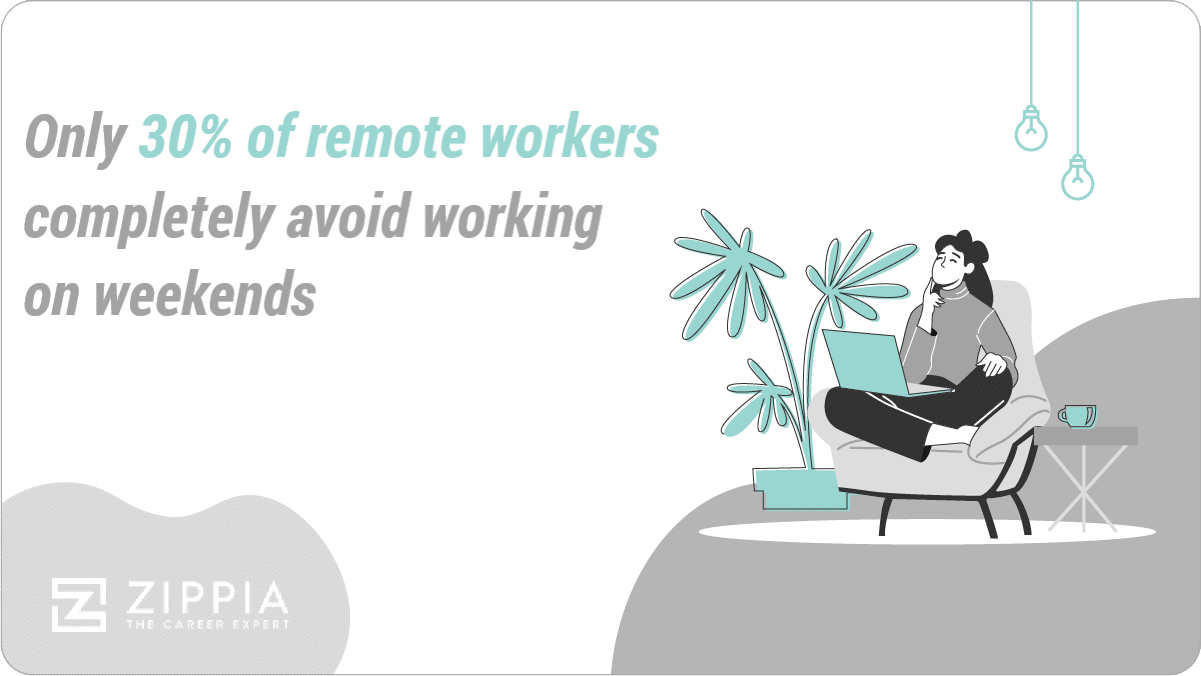
Only 30% of remote workers successfully avoid working on weekends.
-
51% of remote workers feel unsupported by their employers in addressing burnout issues.
-
45% of employees working remotely report increased hours compared to their pre-remote work schedules.
For further insights, we have categorized the data into the following sections:
Mental Health | Top Reasons for Workplace Stress | Pandemic
General Remote Work Burnout Statistics
-
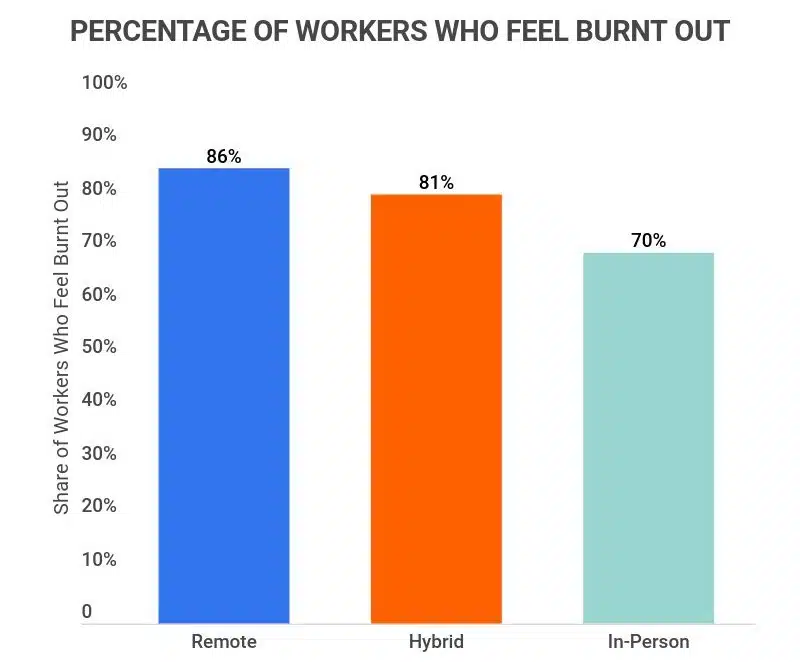
86% of remote workers report burnout in their current roles.
By comparison, 81% of hybrid workers and 70% of on-site workers report similar feelings of burnout.
-
33% of workers express a desire to move away from remote work in the future.
This reflects a growing sentiment, as a survey conducted in early 2021 indicated that only 28% felt this way, highlighting a potential shift in employee preferences.
-
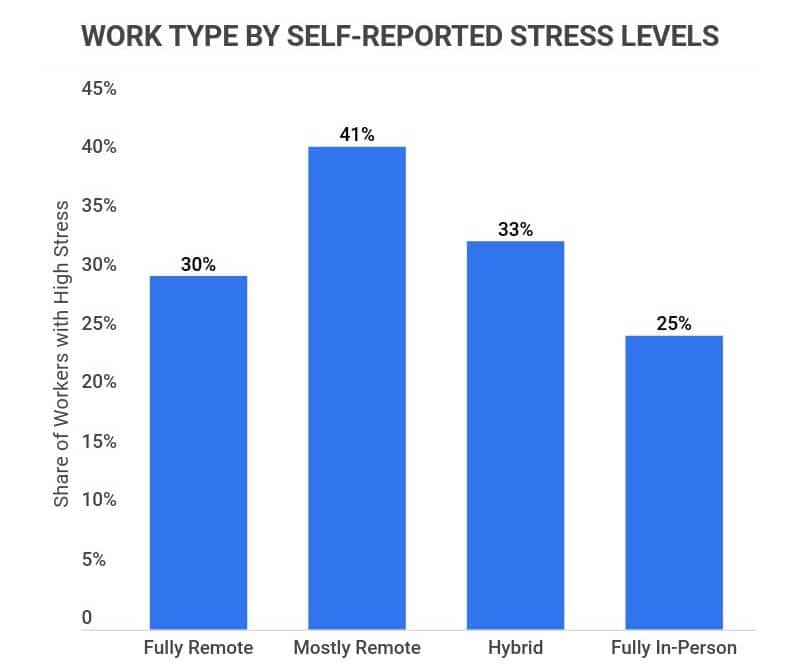
41% of those engaged in substantial remote work report high levels of stress “always” or “most of the time.”
In contrast, 25% of fully on-site workers, approximately 33% of hybrid workers, and 30% of fully remote workers report similar stress levels.
Remote Work Burnout Statistics and Mental Health
-
49% of remote workers feel overwhelmed by their work and personal obligations.
-
45% of remote workers report diminished expectations from their employers, with many concerned about job security.
-
Only 36% of workers maintain strong interactions with colleagues in a remote setting.
-
Transitioning from a full-time office environment to a fully remote setup has increased feelings of loneliness by 67%.
-
12% of employees experiencing loneliness also report a decline in work quality.
-
63% of employees feel discouraged from taking time off.
-
76% of remote workers indicate that workplace stress adversely affects their mental health.
-
49% of remote workers feel they lack the necessary support to manage stress effectively.
Remote Work Burnout Statistics By Top Reasons for Workplace Stress
-
52% of remote workers miss the daily change of scenery.
Moreover, 61% of remote employees miss face-to-face interactions, underscoring the importance of in-office work for many individuals.
-
46% of remote workers long for the clear boundaries that in-office work creates between their professional and personal lives.
This sentiment is particularly pronounced among the 22% of employees who feel less productive at home; 51% of this group report missing those boundaries.
-
45% of employees working remotely report longer work hours compared to their prior schedules.
Additionally, 70% work on weekends, with remote employees working an average of 2.5 hours more per day than before transitioning to remote work.
-
67% of remote workers feel compelled to be constantly available.
This pressure stems from the fear of job loss if they do not exceed expectations; 60% of remote workers share this concern.
-
15% of remote workers took no time off from mid-2020 to mid-2021.
However, this does not imply that the remaining 85% utilized their vacation time fully, as nearly 50% of remote workers only took one week or less off.
Remote Work Burnout Statistics and the Pandemic
-
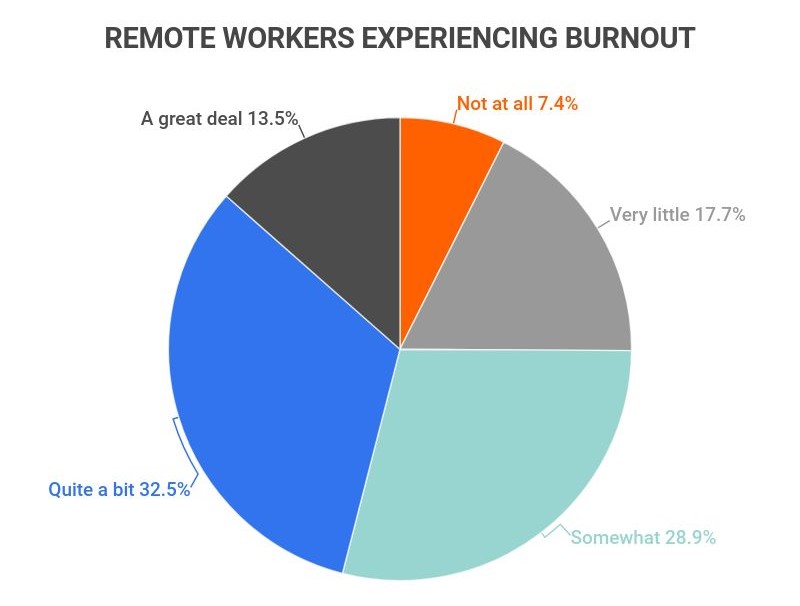
The percentage of remote workers feeling “very often” or “always” burned out has increased significantly since the pandemic.
Here are the burnout statistics for different work settings before and during the pandemic:
Remote vs. In-Person Percentage Who Were Burned Out Before Pandemic Percentage Who Were Burned Out During Pandemic Do not work from home 30% 26% Work from home part of the time 27% 25% Work from home all the time 18% 29% -
During the peak of the COVID-19 pandemic, 59% of workers took less time off than usual.
These individuals cited COVID-19 as the primary reason for their reduced time off.
-
69% of individuals working from home during the pandemic experienced symptoms of burnout.
This statistic was collected in July 2020, reflecting an increase from 51% reported in early May 2020.
Remote Work Burnout Statistics FAQ
-
Remote work burnout occurs when employees feel exhausted, stressed, and disengaged from their work. This condition can arise from various factors, including high stress levels, increased workloads, or insufficient interpersonal connections with peers and supervisors.
Many remote workers express a longing for a change of scenery and daily interactions with coworkers, which can significantly impact mental health and contribute to burnout.
Additionally, some workers feel pressure to remain available outside of work hours or fear taking vacation days due to job security concerns, leading to heightened stress and diminished job satisfaction.
-
How do you prevent remote work burnout?
Preventing remote work burnout involves establishing clear boundaries, prioritizing rest, and fostering interpersonal connections. Setting specific start and end times for workdays is crucial for maintaining a healthy work-life balance.
Furthermore, employees should utilize their vacation time, and employers should actively encourage this practice. Taking intentional breaks helps improve mental and physical health, allowing employees to recharge and perform at their best.
Opportunities to engage with colleagues outside the home are essential for preventing burnout. Many organizations are adopting hybrid work models, enabling employees to collaborate in person when they choose, while others seek out alternative remote workspaces to enhance social interaction.
-
Is remote work more stressful?
Remote work can be more stressful for some individuals, while others find it less so. The level of stress associated with remote work depends on various factors, including job nature, home office environment, and management style.
For jobs requiring frequent meetings, remote work can be more taxing, as virtual meetings often prove more challenging and draining compared to in-person interactions.
A poorly equipped home office combined with an unsupportive manager can lead to elevated stress levels. Conversely, for those whose roles demand independent work, working from home may be less stressful than commuting to an office for the same tasks.
-
How does remote work affect mental health?
Remote work can negatively impact mental health due to feelings of isolation. A substantial 76% of surveyed workers report that remote work has harmed their mental well-being, and full-time remote work has been linked to a 67% increase in feelings of loneliness.
Extended periods of solitude and the inability to fully disconnect from work contribute to mental strain, as does the experience of attending numerous virtual meetings instead of engaging in face-to-face conversations.
However, for individuals who can take breaks throughout the day for personal activities or self-care, remote work may enhance their mental health.
-
What are the worst aspects of working remotely?
The primary drawbacks of remote work include isolation and unclear boundaries between personal and professional life. Many individuals miss the office environment for these reasons, as it is easy to go days without stepping outside or allowing work responsibilities to encroach upon personal time when home serves as the workspace.
Consequently, there is a growing demand for hybrid work arrangements, permitting employees to work in the office several days a week while maintaining remote flexibility. While full-time return to in-person work is not widely desired, few individuals prefer to remain entirely remote.
Conclusion
As remote work has solidified its place in the modern professional landscape, employee burnout persists, contrary to the belief that it might diminish. A staggering 86% of remote workers report feeling burnt out.
Remote workers often experience feelings of loneliness, with 61% expressing a desire for face-to-face interactions, and 52% longing for daily changes in scenery.
Furthermore, 45% of remote employees indicate they are working longer hours than prior to the pandemic, and 70% now find themselves working weekends. Many managers do not provide adequate support for employees to disconnect after hours; 67% of remote workers feel pressured to remain available, and 63% feel discouraged from taking necessary time off.
References
-
TINYpulse. “State of Employee Engagement Q2 2021.” Accessed on March 16, 2022.
-
JLL. “Worker Preferences Barometer.” Accessed on March 16, 2022.
-
ILO. “Working Anytime, Anywhere: The Effects on the World of Work.” Accessed on March 16, 2022.
-
JLL. “Workers Struggle with Delta ‘Whiplash.’” Accessed on March 16, 2022.
-
Forbes. “How Remote Workers Can Recognize Burnout and 6 Actions To Take.” Accessed on March 16, 2022.
-
SHRM. “Remote Employees Are Working Longer Than Before.” Accessed on March 16, 2022.
-
CNBC Make It. “This Psychologist Advises Fortune 500 Companies – Here Are Her Best Tips for Avoiding Burnout.” Accessed on March 16, 2022.
-
Benefits Pro. “Remote Workers Report Experiencing Lost Promotions, Burnout, and Desire To Change Jobs.” Accessed on March 16, 2022.
-
Gallup. “Remote Workers Facing High Burnout: How To Turn It Around.” Accessed on March 16, 2022.
-
Monster. “Work in the Time of Coronavirus: Monster Poll Results.” Accessed on March 16, 2022.

Author

Abby is a writer who is passionate about the power of story. Whether it’s communicating complicated topics in a clear way or helping readers connect with another person or place from the comfort of their couch. Abby attended Oral Roberts University in Tulsa, Oklahoma, where she earned a degree in writing with concentrations in journalism and business.