- Demographic Reports
Resources for Asian Americans in the Workplace: A 2026 Guide
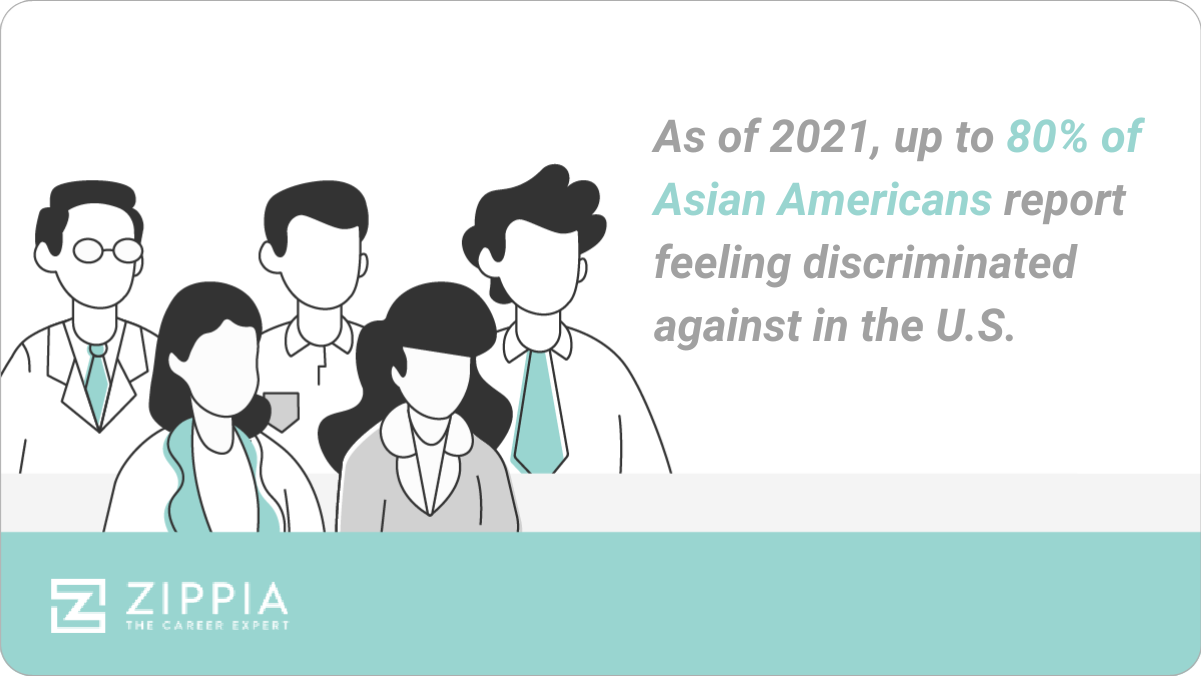
Recent surveys indicate that a significant portion of Asian Americans—over half—have faced workplace discrimination, adversely affecting their job satisfaction and employer relationships. Despite the progress made in diversity and inclusion, many businesses still lack concrete measures to address systemic racism. This issue has persisted and evolved, and recent events have brought renewed attention to the discrimination faced by the Asian American community.
This article aims to empower Asian Americans in the workforce by outlining their rights, illustrating what workplace discrimination may entail, providing actionable steps if discrimination occurs, offering interview tips, and directing readers to further educational resources.
Key Takeaways
-
You have the right to equitable treatment in the workplace under Title VII of the Civil Rights Act of 1964.
-
Common forms of discrimination include inquiries about citizenship, harassment, biased performance evaluations, and retaliation.
-
If you experience discrimination, you can report it to the Equal Employment Opportunity Commission (EEOC).
-
Useful resources include SHRM, NCSL, APALA, and the MBDA.
Which Rights Do Asian Americans Have in the Workplace?
Title VII of the Civil Rights Act of 1964
The cornerstone of protection for Asian American workers is Title VII of the Civil Rights Act of 1964, prohibiting discrimination by employers with 15 or more employees on the basis of race, color, national origin, gender, and religion in all aspects of employment, including:
- Recruitment
- Hiring
- Promotion
- Transfer
- Training
- Disciplinary actions
- Termination
- Work assignments
- Performance evaluations
- Benefits
In 2021, the U.S. Equal Employment Opportunity Commission (EEOC) addressed thousands of complaints related to discrimination, highlighting the ongoing need for vigilance in the workplace.
State Laws Against Racial Employment Discrimination
For employers with fewer than 15 employees, state laws may offer additional protections. For instance, Ohio’s law covers employers with just four employees. However, it is crucial to note that not all states provide comprehensive protections against racial discrimination. States like Alabama have limited protections, while others, such as Georgia, may only offer partial coverage.
Examples of Asian American Workplace Discrimination
Despite advancements, incidents of workplace discrimination against Asian Americans persist, often exacerbated by stereotypes and biases. Examples include:
Inquiring About Citizenship
Employers cannot legally ask about your citizenship status during any hiring process, although they may inquire about work authorization without referencing citizenship directly.
On-the-Job Harassment
Harassment based on race or national origin is illegal, which can include derogatory comments or offensive jokes made by anyone in the workplace.
Anti-Asian Screening
Policies that disproportionately affect Asian employees, such as unnecessary “English only” rules, can constitute discrimination.
Performance and Disciplinary Standards
Employers cannot hold Asian American workers to different performance standards or impose harsher disciplinary actions compared to other employees.
Retaliation for Filing a Complaint
Taking adverse actions against an employee who reports discrimination is illegal and can include demotion or termination.
What Should Asian Americans Do When Experiencing Workplace Discrimination?
Your right to a discrimination-free workplace is paramount. If you face discrimination, consider these actionable steps:
Document Details About the Discrimination
Keep detailed records of the discrimination, including dates, times, and involved parties, as well as any relevant communications.
Report the Discrimination
Submitting a written report is essential, whether to your supervisor or the human resources department. Ensure you obtain acknowledgment of your report.
Reach Out to a Legal Professional
Consulting with a lawyer specializing in discrimination can clarify your legal options and help you prepare for potential litigation.
File a Complaint with the EEOC
Consider filing a charge with the EEOC through their Public Portal, in person, or by mail, and include all pertinent details.
Abide by Any Investigation Requirements
Cooperate fully with any investigations related to your complaint, providing all requested documentation.
Tips for Avoiding Workplace Discrimination Against Asian Americans
-
Maintain a Professional Atmosphere
Adhere to your company’s policies on professionalism and avoid race-based humor or pranks. Report any discrimination incidents promptly.
-
Document Your Anti-Discrimination Policies and Processes
Ensure your workplace has a clear anti-discrimination policy that is accessible to all employees, along with training for management on enforcement.
-
Provide Training to All Employees
Implement training programs that cover forms of workplace discrimination, company policies, and procedures for reporting discrimination.
What Does an Asian American-Friendly Workplace Look Like?
By 2065, projections indicate that the U.S. will be a multicultural society without a single racial majority. This diversity can enhance business performance and customer engagement. Evaluate potential employers by examining their commitment to diversity through their online presence, employee reviews, and community outreach initiatives.
Interview Tips for Asian American Workers
Be cautious of overtly racial questions during interviews, as these often signal potential discrimination. Common illegal questions may include inquiries about nationality or citizenship. If faced with such questions, redirect the conversation toward your qualifications and work eligibility.
Remember, interviews are an opportunity for both parties to assess fit, so come prepared with questions about the company culture and diversity initiatives.
Asian American Workplace Resources
-
U.S. Equal Employment Opportunity Commission (EEOC) — The federal agency responsible for addressing complaints under Title VII of the Civil Rights Act of 1964.
-
The Society for Human Resource Management (SHRM) — Focused on building inclusive workplaces for all employees.
-
National Conference of State Legislatures (NCSL) — Offers resources on state employment-related discrimination laws.
-
Asian Pacific American Labor Alliance (APALA) — Advocates for the civil and human rights of Asian American and Pacific Islander workers.
-
Minority Business Development Agency (MBDA) — Focuses on the growth and competitiveness of minority-owned businesses.
Fighting for Justice
Discrimination remains a challenge for Asian Americans in the workforce, but laws like Title VII provide essential protections. It’s vital to confront discrimination and utilize legal frameworks to seek justice, as this can lead to a more equitable work environment not just for individuals, but for the community as a whole.
- Demographic Reports

Author

Chris Kolmar is a co-founder of Zippia and the editor-in-chief of the Zippia career advice blog. He has hired over 50 people in his career, been hired five times, and wants to help you land your next job. His research has been featured on the New York Times, Thrillist, VOX, The Atlantic, and a host of local news. More recently, he's been quoted on USA Today, BusinessInsider, and CNBC.