
Automatically apply for jobs with Zippia
Upload your resume to get started.
Collections technician skills for your resume and career
15 collections technician skills for your resume and career
1. Physical Exams
A physical examination occurs when a doctor or health care professional needs to determine or diagnose the patient's current condition. It is a method to know the patient's health's general status by assessing the physical pain symptoms and other health reasons that need to be treated right away.
- Conduct blood donor physical exam and health history screening in order to determine eligibility.
- Performed short physical exams including obtaining vital signs and obtaining hemoglobin values.
2. Phlebotomy Procedures
- Performed a variety of routine and difficult phlebotomy procedures while maintaining donor's comfort and confidentiality.
- Performed Phlebotomy procedures for potential donors.
3. Customer Service
Customer service is the process of offering assistance to all the current and potential customers -- answering questions, fixing problems, and providing excellent service. The main goal of customer service is to build a strong relationship with the customers so that they keep coming back for more business.
- Demonstrated excellent customer service skills related to all internal and external customers and participated in team building in all work environments.
- Demonstrated excellent customer service also promoting a positive, professional image, working independently always paying attention to detail.
4. Vital Signs
Vital signs are a set of values indicating different body systems' performance. They are measurements of the body's most basic functions. The four major vital signs used in medicine to assess a patient are body temperature, pulse rate, respiration rate, and blood pressure.
- Assessed donor eligibility for donation by performing donor health history and vital signs.
- Conducted health history and vital signs to determine donor eligibility.
5. Venipuncture
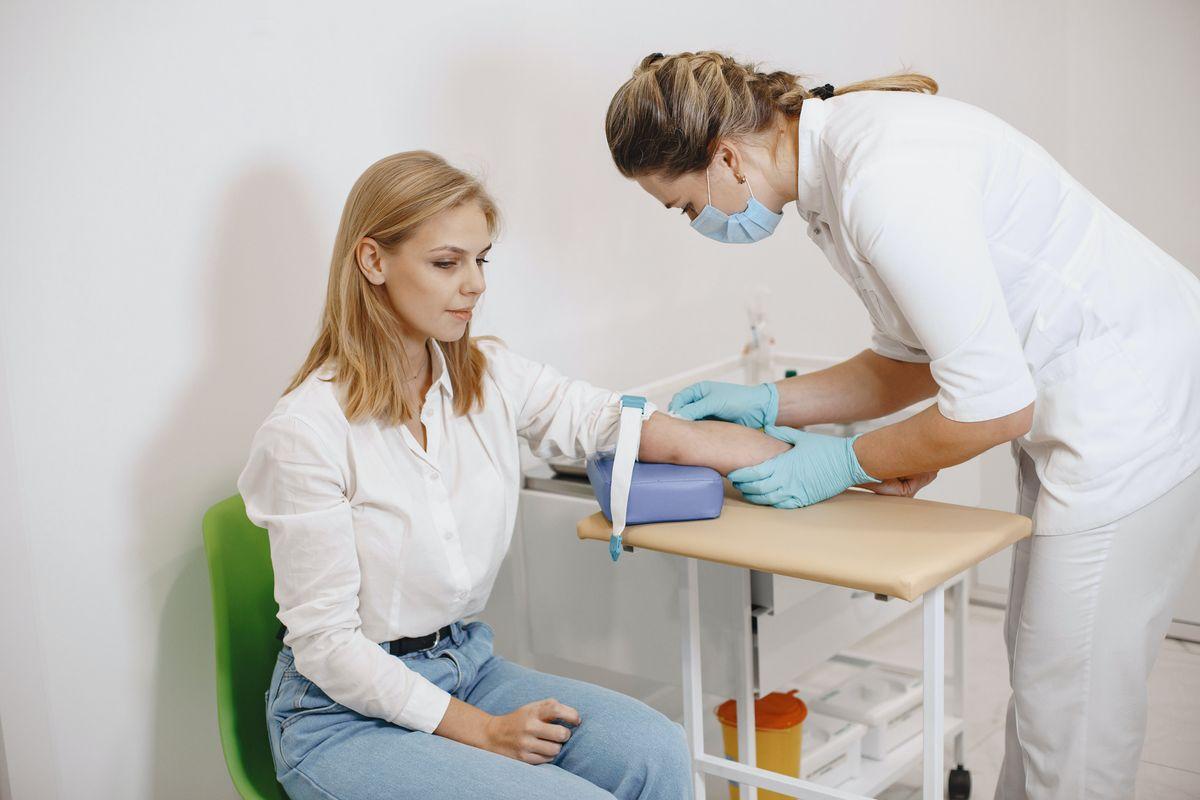
Venipuncture, or also known as venapuncture, venepuncture, or venupuncture, is collecting blood directly from a vein, which is done mainly for laboratory purposes. It is typically performed by a phlebotomist.
- Performed venipuncture per Federal Drug Administration procedures while projecting confidence and dexterity with blood collection equipment in public settings.
- Demonstrated knowledge of a proficiency in venipuncture and capillary techniques.
6. Data Entry
Data entry means entering data into a company's system with the help of a keyboard. A person responsible for entering data may also be asked to verify the authenticity of the data being entered. A person doing data entry must pay great attention to tiny details.
- Demonstrate proficiency in data entry.
- Greet customers, data entry, observed urine screens, filing patient charts, ordering supplies, emailing, scanning documents
Choose from 10+ customizable collections technician resume templates
Build a professional collections technician resume in minutes. Our AI resume writing assistant will guide you through every step of the process, and you can choose from 10+ resume templates to create your collections technician resume.7. Urine Specimens
- Supervised collection of urine specimens from ex-criminal offenders.
- Assist in the collection of urine specimens for drug abuse testing.
8. Professional Image
- Demonstrated positive public relations while always promoting a professional image.
- Maintain positive public relations to promote a professional image.
9. Blood Pressure
- Conduct health history to determine donor eligibility to include capillary finger stick, temperature, blood pressure and pulse.
- Perform health histories, including blood pressure, pulse, hemoglobin, and arm inspection.
10. Local Regulations
Laws that are limited in application to a particular constituency are called local laws.
- Maintained compliance with applicable Federal, State, and local regulations as well with American Red Cross policies, procedures and guidelines
- Comply with applicable Federal, State and local regulations as well as all Organizations policies, procedures and guidelines.
11. Blood Products
Blood products refer to the therapeutic substances that can be obtained from human blood. This includes blood plasma, blood platelets, and red blood cells as well as "whole blood." These components are used for several medical purposes, such as blood transfusions and assisting those with blood diseases.
- Assisted the company in its mission, to save lives by collecting whole blood products for the intent of transfusion.
- Prepare blood-collecting equipment, draw blood, and safely store and transport blood products and samples.
12. Phlebotomy Training
- Provided practical phlebotomy training under direction of medical staff.
- Implemented phlebotomy training programs for nursing staff and local fire/ EMS department.
13. Function Check
- Perform daily function checks, assemble and maintain supplies and equipment to ensure a state of readiness and to maintain compliance.
- Performed daily function checks, assembled and maintained supplies and equipment Accomplishments Every day at this job was different.
14. FDA
The Food and Drug Administration (FDA) is a division of the US Department of Health and Human Services that regulates the production and sale of food, pharmaceutical products, medical equipment, and other consumer goods, as well as veterinary medicine. The FDA is now in charge of overseeing the manufacture of products like vaccines, allergy treatments, and beauty products.
- Completed American Red Cross training as it pertains to SQUIPP, CFR, Standard SOP's & FDA regulations.
- Collected whole blood donations by following protocols and procedures set by the Red Cross and the FDA.
15. Blood Collection Procedures
- Performed blood collection procedures for eligible donors.
- Performed whole blood collection procedures to include blood collection, health history and medical examinations.
5 Collections Technician resume examples
Build a professional collections technician resume in minutes. Browse through our resume examples to identify the best way to word your resume. Then choose from 5+ resume templates to create your collections technician resume.

What skills help Collections Technicians find jobs?
Tell us what job you are looking for, we’ll show you what skills employers want.
List of collections technician skills to add to your resume
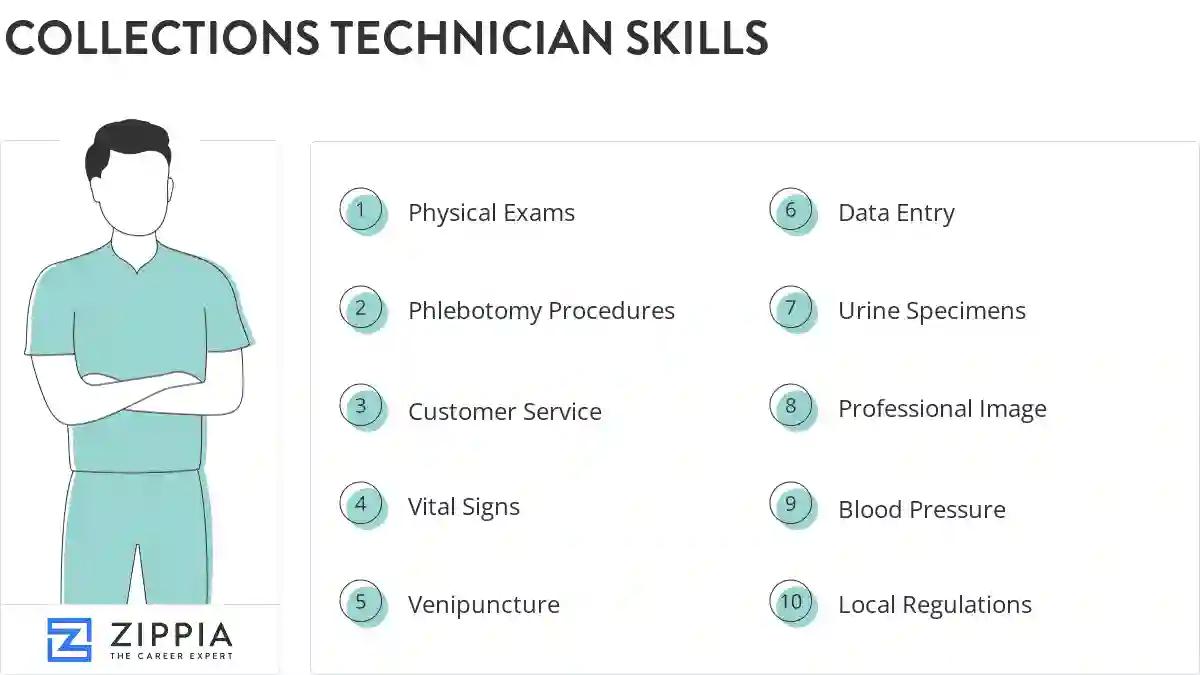
The most important skills for a collections technician resume and required skills for a collections technician to have include:
- Physical Exams
- Phlebotomy Procedures
- Customer Service
- Vital Signs
- Venipuncture
- Data Entry
- Urine Specimens
- Professional Image
- Blood Pressure
- Local Regulations
- Blood Products
- Phlebotomy Training
- Function Check
- FDA
- Blood Collection Procedures
- Computer System
- Blood Donors
- QC
- Medical History
- Collection Process
- Sample Collection
- CFR
- Blood Samples
- Hippa
- Blood Draws
- Blood Drive
- Blood Specimens
- Test Results
- Breath Alcohol
- Safety Procedures
- HIPAA
- DNA
- Aegis
- Sample Tubes
Updated January 8, 2025
