Explore jobs
Find specific jobs
Explore careers
Explore professions
Best companies
Explore companies
Job outlook for human resources recruiter/managers in the United States
Human resources recruiter/manager job growth summary. After extensive research, interviews, and analysis, Zippia's data science team found that:
The projected human resources recruiter/manager job growth rate is 7% from 2018-2028.
About 12,600 new jobs for human resources recruiter/managers are projected over the next decade.
Human resources recruiter/manager salaries have increased 13% for human resources recruiter/managers in the last 5 years.
There are over 103,727 human resources recruiter/managers currently employed in the United States.
There are 75,365 active human resources recruiter/manager job openings in the US.
The average human resources recruiter/manager salary is $78,339.
Are human resources recruiter/manager jobs in demand?
Human resources recruiter/manager job and salary trends over time
Human resources recruiter/manager jobs over time
Human resources recruiter/manager job growth rate over time
| Year | # of jobs | % of population |
|---|---|---|
| 2021 | 103,727 | 0.03% |
| 2020 | 97,504 | 0.03% |
| 2019 | 96,377 | 0.03% |
| 2018 | 89,397 | 0.03% |
| 2017 | 84,863 | 0.03% |
Average human resources recruiter/manager salary over time
Human resources recruiter/manager salary by year
| Year | Avg. salary | Hourly rate | % Change |
|---|---|---|---|
| 2025 | $78,339 | $37.66 | +3.9% |
| 2024 | $75,431 | $36.26 | +3.0% |
| 2023 | $73,221 | $35.20 | +2.9% |
| 2022 | $71,166 | $34.21 | +3.0% |
| 2021 | $69,091 | $33.22 | +2.4% |
Human resources recruiter/manager jobs by state
Most common states for human resources recruiter/managers
| Rank | State | Population | # of jobs | Employment/ 1000ppl |
|---|---|---|---|---|
| 1 | District of Columbia | 693,972 | 303 | 44% |
| 2 | Massachusetts | 6,859,819 | 1,058 | 15% |
| 3 | New Hampshire | 1,342,795 | 206 | 15% |
| 4 | Delaware | 961,939 | 146 | 15% |
| 5 | Oregon | 4,142,776 | 570 | 14% |
| 6 | Vermont | 623,657 | 89 | 14% |
| 7 | Alaska | 739,795 | 96 | 13% |
| 8 | Washington | 7,405,743 | 882 | 12% |
| 9 | Minnesota | 5,576,606 | 643 | 12% |
| 10 | Nebraska | 1,920,076 | 222 | 12% |
| 11 | Rhode Island | 1,059,639 | 125 | 12% |
| 12 | Montana | 1,050,493 | 124 | 12% |
| 13 | North Dakota | 755,393 | 88 | 12% |
| 14 | Virginia | 8,470,020 | 923 | 11% |
| 15 | Colorado | 5,607,154 | 628 | 11% |
| 16 | Wyoming | 579,315 | 65 | 11% |
| 17 | Illinois | 12,802,023 | 1,317 | 10% |
| 18 | Arizona | 7,016,270 | 694 | 10% |
| 19 | Utah | 3,101,833 | 311 | 10% |
| 20 | Iowa | 3,145,711 | 302 | 10% |
Most common cities for human resources recruiter/managers
| Rank | City | # of jobs | Employment/ 1000ppl | Avg. salary |
|---|---|---|---|---|
| 1 | Kaneohe | 1 | 3% | $66,613 |
| 2 | Boston | 2 | 0% | $89,381 |
| 3 | Anchorage | 1 | 0% | $63,940 |
| 4 | Cincinnati | 1 | 0% | $75,621 |
| 5 | Jacksonville | 1 | 0% | $62,728 |
| 6 | Kansas City | 1 | 0% | $73,125 |
Human Resources Recruiter/Manager job outlook: Expert opinions
Our panel of human resources recruiter/manager experts
Portland State University
Metropolitan State University of Denver
Manhattan College
Angelo State University

Utah State University

Temple University
University of Richmond
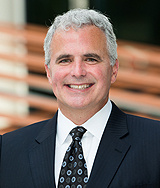
University of South Carolina - Columbia

Grand Valley State University
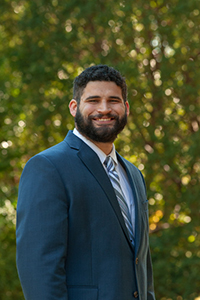
Kansas State University

Zones, LLC
Superior Restaurant Group
Muhlenberg College

LIU-Brooklyn

Wayne State University

The Pennsylvania State University

California State University - Dominguez Hills

The Pennsylvania State University
What general advice would you give to a Human Resources Recruiter/Manager?
Talya Bauer Ph.D.: HRM professionals play a strategic role in aligning HR practices with organizational goals, ensuring a positive and productive work environment, and fostering a culture of employee engagement.
What Human Resources Recruiter/Manager skills would you recommend for someone trying to advance their career?
Talya Bauer Ph.D.: Entering the Human Resource Management (HRM) field can be an excellent career choice for several compelling reasons, especially in today's dynamic and evolving workplace. Glassdoor.com ranks HR management as one of the nation’s top five career opportunities based on average starting salary, job satisfaction, and employer demand.
What will help Human Resources Recruiter/Managers increase their earning potential?
Talya Bauer Ph.D.: Individuals like many things about being an HRM professional, such as having diverse responsibilities, good pay, opportunities to build relationships, and feeling like they are making a positive impact. Some challenges include handling difficult employment situations and conversations, administrative burdens, navigating organizational politics and multiple stakeholders, and dealing with employee grievances and terminations.
What Human Resources Recruiter/Manager skills would you recommend for someone trying to advance their career?
Dr. Eric Landis: Research the average salary for the position that you are interviewing for. Know how much money that you need to be paid in order to cover your living expenses and share that information with the person interviewing you. Do not negotiate salary during your interview rather negotiate salary after they have given you an offer.
What will help Human Resources Recruiter/Managers increase their earning potential?
Aaron Richmond Ph.D.: I would give the advice early. Meaning, in their second/sophomore year, I start discuss career plans. Psychology and Human Development and Family Studies applies to 100s if not 1000s of different careers that do not require a graduate degree. They could be specific jobs like a Child Life Specialist, or more general jobs like human resources. The key is understanding the skills and knowledge that students learn while pursuing their undergraduate degree and how to leverage these skills to apply for positions. I advise and teach my students to be problem-solvers. To be able to adapt to situations and think out of the box.
What general advice would you give to a Human Resources Recruiter/Manager?
Alex Johnson: We're researching an article for graduates entering the job market with a degree in Human Resources Management, and hope to quote a professor at Saint Peter's University.
What Human Resources Recruiter/Manager skills would you recommend for someone trying to advance their career?
Alex Johnson: We are looking for insights into what Human Resources Management majors can expect at their jobs. I have two weeks before the article is due :)
What will help Human Resources Recruiter/Managers increase their earning potential?
Alex Johnson: I hope you are well. Would you be able to assist with the request?
Pamela Chasek
Professor of Political Science, Manhattan CollegeManhattan College
International Relations And National Security Studies
What Human Resources Recruiter/Manager skills would you recommend for someone trying to advance their career?
Pamela Chasek: The more skills you have the better off you will be. Negotiate your salary package -- don't just accept what they offer you. However, if they refuse to budge, you may want to negotiate consideration of a raise after a 3-month probationary period.
What will help Human Resources Recruiter/Managers increase their earning potential?
Pamela Chasek: I think it is important to understand economics, speak another major language in addition to English, and have good computer skills. It is also important. But strong interpersonal skills should not be underestimated.
John Wegner
Professor, English and Modern LanguagesAngelo State University
English Language And Literature
What general advice would you give to a Human Resources Recruiter/Manager?
John Wegner: New workers must be willing to advocate for their own workloads and accomplishments. Too often managers privilege charisma over competence. When we start our career, we should keep updating our resumes and continue logging accomplishments. Be willing to volunteer for tasks others might avoid. Learn all the aspects of your job possible so you can work effectively on multiple teams within the organization. That knowledge and achievements can become part of a personnel file or portfolio for promotion or a new job search. The fastest way to increase your salary is to prove you are in demand by getting other job offers.
What Human Resources Recruiter/Manager skills would you recommend for someone trying to advance their career?
John Wegner: As artificial intelligence begins dominating and replacing technological skills, people who can display empathy, critical thinking skills, creativity, and innovatively adapt data to appear to diverse audiences will be increasingly in demand. In many ways, the advent of the AI world, I suspect, will put Humanities majors in more demand than ever. While I don't think AI will replace coders or data analysts, we should note that machine learning is quickly leveling the playing field with regards to those specific skill sets. AI, though, can not use the data creatively or in ways that connect to another human being.
What will help Human Resources Recruiter/Managers increase their earning potential?
John Wegner: Cliched though it may sound, I tell our soon-to-be graduates that 'Hustle beats talent unless talent hustles.' As new employees in any job, we encourage our graduates to find a mentor, ask questions, and be willing to work hard enough to display your skillset. Employers are often a bit skeptical about humanities majors, but an English major should have the ability to understand her audience and communicate effectively with diverse groups of people. Most importantly, English majors need to explain how their skills reading complex novels and poetry translate to analytics, sales, management, and other professions.
Bruce Boucher
Lecturer and Director, Professional Master of Human Resource ProgramUtah State University
Management, Master of Human Resources Departments
What skills stand out on Human Resources Recruiter/Manager resumes?
Bruce Boucher: Actually working in HR, having additional credentials like an MHR, SPHR, and having specific experiences in specific areas of HR.
What soft skills should all Human Resources Recruiter/Managers possess?
Bruce Boucher: Being an Entrepreneur of Talent, being comfortable working in teams, enlisting trust through actions, being empathetic.
What hard/technical skills are most important for Human Resources Recruiter/Managers?
Bruce Boucher: HAVE to know the HR basics. Experience with HRIS, Benefits renewals, pay, etc. REALLY know coaching and a variety of tools available to aid the business and the human capital.
What skills will help Human Resources Recruiter/Managers earn the most?
Bruce Boucher: Being a legitimate business partner and being concerned for the overall welfare of the business. Wearing well and helping over time. Too many young consultants who know 1 or 2 things well and not much more.
What soft skills should all Human Resources Recruiter/Managers possess?
Daniel Goldberg: The ability to communicate effectively, openly, empathically, and directly (without ambiguity) while making sure members within the organization understand their roles.
What hard/technical skills are most important for Human Resources Recruiter/Managers?
Daniel Goldberg: Having an in-depth knowledge of how the most important areas of production operate.
What skills stand out on Human Resources Recruiter/Manager resumes?
Daniel Goldberg: a) Understanding the legal aspects of Human Resources as well as the nuances of the organization you work for or to which you are applying.
b) Knowing how to lead and work productively within the culture, vision, and mission of organizations.
What skills will help Human Resources Recruiter/Managers earn the most?
Daniel Goldberg: If you can show that you have mastered the above skills, you should be in a good position to get a well-paying position.
What hard/technical skills are most important for Human Resources Recruiter/Managers?
John Barr: The most important hard/technical skills are experience and training in such areas as workplace investigations, overseeing various employee programs and documentation related to leaving, handbooks, job descriptions, wages, benefits, hiring, and terminations, developing a diverse workforce, and training in the future of the workforce.
What skills will help Human Resources Recruiter/Managers earn the most?
John Barr: Companies are focused on their bottom line. If you can help the company improve its performance by hiring and retaining quality candidates while demonstrating an ability to save it money by dealing with workplace conflicts and legal requirements before these explode into litigation, you should be well placed to earn a high level of compensation.
What skills stand out on Human Resources Recruiter/Manager resumes?
John Barr: Skills such as an ability to conduct workplace investigations, develop a diverse workforce, and an ability to help a company meet its various goals while complying with its legal obligations are vital aspects of any resume.
What soft skills should all Human Resources Recruiter/Managers possess?
John Barr: The ability to get along with people. HR managers frequently must resolve workplace conflicts, investigate incidents of harassment or discrimination, or deal with employees who are in danger of losing their job. A critical soft skill is managing these issues when emotions may be running high while focusing on protecting the company's interests and advancing its various goals.
Anthony Nyberg
Department Chair and Professor, Program Director, Master of Human ResourcesUniversity of South Carolina - Columbia
Management Department
What skills stand out on Human Resources Recruiter/Manager resumes?
Anthony Nyberg: The most important skill for HR managers as they enter the workforce is professionalism (and everything that goes into this, including being on time, doing what one says they will do, etc.)
This shows up on resumes by having held responsible positions for an appropriate period, leading to positive recommendations from prior employers, teachers, leaders, etc. The item that stands out most on a resume is a strong HR internship.
What soft skills should all Human Resources Recruiter/Managers possess?
Anthony Nyberg: In general, the "soft" skills are actually the hardest, and the most important of these skills involves strong communication and an ability to work in teams - most jobs and all companies require people to work together, and this is a very challenging skill, but imperative in the modern workforce.
What hard/technical skills are most important for Human Resources Recruiter/Managers?
Anthony Nyberg: HR, like many work environments, is driven by using data to address challenges. This requires a strong analytical foundation.
What skills will help Human Resources Recruiter/Managers earn the most?
Anthony Nyberg: The skills that lead, in the short term, to the highest earnings involve analytical skills. The skills that lead to the highest earnings over time include professionalism and strong interpersonal skills. If you can master both, you have created the foundation for a very strong career in HR.
Dan Wiljanen Ph.D.
Affiliate of Practice Professor, SHRM Student Chapter AdviserGrand Valley State University
Seidman College of Business
What hard/technical skills are most important for Human Resources Recruiter/Managers?
Dan Wiljanen Ph.D.: Knowledge of the HR Discipline
-Personnel and Human Resources - Knowledge of principles and procedures for personnel recruitment, selection, training, compensation and benefits, labor relations and negotiation, and personnel information systems.
-Administration and Management - Knowledge of business and management principles involved in strategic planning, resource allocation, human resources modeling, leadership technique, production methods, and coordination of people and resources.
-Law and Government - Knowledge of laws, government regulations, and executive orders.
-Education and Training - Knowledge of principles and methods for training design, implementation, and evaluation.
Technology Skills
-Enterprise resource planning ERP software
-Human resources software - Human Resource Information Systems (HRIS)
-Office suite software
-Project management software
-Web page creation and editing software
-Word processing software
What technical skills for a Human Resources Recruiter/Manager stand out to employers?
Anthony Ferraro Ph.D.: Transferable skills sounds like a cliche but it is one of the strengths for our students which allows a diverse range of career options both within our field and outside of it. Some of the most consistent skills that we attempt to foster and seem to be important for prospective employers include: strong interpersonal communication skills including listening and advanced technical writing, understanding of program development and evaluation, community outreach, etc. While I wouldn't quite consider these skills, many of our students demonstrate high levels of empathy, have firm knowledge of social issues and human development processes, as well as a baseline understanding of the policymaking process in the U.S. and within our state. This combination of skills and knowledge lends itself well to work with nonprofit organizations, public and private agencies, and work with the cooperative extension network most directly. However, many of our students also use these skills to move into health-related professions, including occupational therapy and nursing, as well as counseling professions including marriage and family therapy, school counseling, social work, etc. Many students will complement their undergraduate studies in HDFS with graduate degrees that will further enhance their competitiveness and/or provide the technical training, certification, and/or licensure needed.
What are the biggest trends we'll see in the Human Resources Recruiter/Manager job market given the pandemic?
Adrianne Keeler: The biggest trends in the job market due to the pandemic that I think we will see are candidate demanded workplace flexibility/remote work options, as well as increased importance put on work life balance as candidates pick their employers.
-The pandemic had the workforce as a whole sitting back and examining what is important to them in both life and work, and as I speak to candidates the importance of things like PTO, working from home, flexible hours, benefits and more have become increasingly important.
-Remote work for roles that have never been remote before is surging post pandemic! Again, candidates want to be where they want AND they want the jobs they want--and this is driving employers to offer roles as a remote option in order to obtain the best talent on the market.
How have salaries changed over time for Human Resources Recruiter/Managers?
Brandi Sechrist: Salaries have risen over the years but not drastically.
Ryan Smolko
Associate Director, Career CenterMuhlenberg College
The Career Center at Muhlenberg College
What technical skills for a Human Resources Recruiter/Manager stand out to employers?
Ryan Smolko: Technical skills vary by industry and the technical skills needed today are not those that will be needed five or even one year from now. Adaptability is key to staying relevant in their career both now and in the future. O*Net is a great resource for students to see technical skills commonly used in their jobs of interest.
The technical skills everyone should be continually working on are Excel/Tableau and Canva/PowerPoint. Working with large amounts of data is almost universal in today's economy regardless of industry or position. You can also have the best data in the world but if you can't present it in a dynamic way it won't be seen which is why being well versed in presentation and design tools can be a big advantage.
What's a good job out of college for Human Resources Recruiter/Managers?
Ryan Smolko: A good job out of college is one that integrates a students skillset with their larger value system. Students can see every job available with a click of a button so employers are doing a lot around showing their culture, mission and social responsibility in very genuine ways.
What are the biggest trends we'll see in the Human Resources Recruiter/Manager job market given the pandemic?
Ryan Smolko: Overnight, employers have had to innovate the way in which they do their work. Even when it is safe for employees to return to their offices, a level of flexibility will almost certainly be a staple going forward. Productivity is measured by work done- not hours at a desk. Those employers who remain rigid will find retaining top talent challenging. Along those lines employees will have the ability to live almost anywhere while still building a successful career.
Will there be an enduring impact of the coronavirus pandemic on Human Resources Recruiter/Managers?
Herbert Sherman Ph.D.: The coronavirus has changed the way in which people work as well as the type of work that people will be performing by accelerating the use of technology to facilitate more employees working in a virtual setting and therein reducing the need for traditional office space or even shared workspace. Graduates with a degree in human resource management will need to not only be comfortable working remotely in a non-office environment but need to truly find a balance between work demands (which are now 24/7) and the ability to lose oneself within the comforts of one's home surroundings. Work-life balance will not only be of the utmost import for employees but for HR professionals as well.
Secondly, HR graduates, even if working in a traditional office setting, will be expected to be well versed in the use of HR analytics and HRIS packages (i.e. UKG Pro, TriNet, BambooHR, UKG Ready, Workday Human Capital Management, Ceridian Dayforce, Oracle Cloud HCM, ADP Workforce Now, Oracle PeopleSoft HCM, Paychex Flex, and Zenefits) which integrate HR functions including job analysis and job design, recruitment and selection of employees, training and development, performance management, compensation and benefits, and employee retention. HR graduates should also be quite comfortable using computer hardware and software that facilitate virtual meetings and conferences - in person job interviews may become the thing of the past and replaced with Zoom, Google Hangouts, Cisco Webex Meetings and even Skype or WhatsApp.
Dr. Vickie Hall
Director Human Resources OperationsWayne State University
Region B - Client Services
What are the biggest trends we'll see in the Human Resources Recruiter/Manager job market given the pandemic?
Dr. Vickie Hall: We will see a shift in current trends on how work will be performed, given that many workers are now working in remote environments. Technology will be a field that will emerge in growth. The aging workforce is now opting to retire rather than continue to work during these uncertain times. Recent college graduates will have to be creative in their job search.
What are the biggest trends we'll see in the Human Resources Recruiter/Manager job market given the pandemic?
Elaine Farndale Ph.D.: As we move into a period of economic recovery following the pandemic, I would expect to see a gradual opening up of positions across the job market, but no major recovery for the next couple of years. As most businesses start to regroup and win back their customers, there will likely be cautious steps forward. STEM jobs are most likely to be in high demand as these are areas in which the future economy will grow, but also areas in which the supply of suitable talent is limited. HR graduates will have an influential role to play if they can demonstrate skills in helping organizations transition through a complex restructuring of jobs and activities.
What skills stand out on Human Resources Recruiter/Manager resumes?
Elaine Farndale Ph.D.: An ability to be flexible and adaptable has to be a number one priority for most positions, particularly HR. This might be related to geographic flexibility, i.e., being willing to go where skills are needed, or flexibility of working hours or place of work (in an office or working from home). We have learned a lot about the advantages (e.g., reduced office space, meeting, and travel costs) and disadvantages (e.g., losing connections with co-workers, more complex people management, and productivity challenges) of remote working so businesses will be trying to continue to keep the advantages while removing the disadvantages once people can work on-site as well as remotely. HR professionals who can advise businesses through this balancing act will be invaluable.
Are there any particularly good places in the United States for Human Resources Recruiter/Managers to find work opportunities?
Elaine Farndale Ph.D.: The answer will lie in which states can recover from the pandemic the quickest, which is still very much unknown.
What are the biggest trends we'll see in the Human Resources Recruiter/Manager job market given the pandemic?
Thomas Norman: Remote interviews will become the norm.
Flexible work arrangements will expand and many jobs will become 100% remote forever. Managers will need to learn how to keep remote employees motivated.
Resilience (aka anti-fragility) will compete with the focus on optimal efficiency.
Employers will focus like never before on diversity and inclusion at all levels up to the C-Suite and Board of Directors.
Employers will increase the amount data collection on employees and their work.
More full-time jobs will be replaced by freelancers, temporary and other contingent workers. A 2020 Gartner survey of 800 HR professionals found that 32% of organizations were planning to replace full-time position with contingent workers to reduce costs.
What Human Resources Recruiter/Manager skills would you recommend for someone trying to advance their career?
Thomas Norman: LinkedIn finds the following five skills are most demanded by employers of recent graduates: customer service, leadership, communication, problem-solving and project management.
These skills can be developed via retail and hospitality jobs once those sectors rebound.
A graduate might try to find a job in these sectors in a foreign country. Travel and improving verbal fluency in a new language would be a great use of a gap year. Employers are increasingly interested in certificate and micro-credentials so graduates might explore sites like EdX and Coursera to earn credentials to fill out their resume or learn about block chain, crypto currency, AI or Augmented Reality. A gap year is also a great time to start a company on a shoe string budget which would develop all five of the key skills.
What general advice would you give to a Human Resources Recruiter/Manager?
Thomas Norman: Your career should be viewed as a marathon and not a sprint. It is as OK to experiment with starter jobs as it is to start college without declaring a major. The goal is make work fit your goals and dreams and review your progress annually. Learn which types of companies fit you along with which types of jobs and occupations feel good. Internship, Job Shadowing and Informational Interviews are tools to get a feel for a job and an employer. My students work on an Odyssey Plan where they map out three very different career paths thinking through the resources, experience and education they will need over the next five years to reach a specific job. Then they rate each path in terms of how they compare in terms of earnings, happiness, coherence and their confidence they can achieve the goal. The next step is jump out of the nest and try one, reflect on the fit and try something new if things are not meeting your goals.
What are the biggest trends we'll see in the Human Resources Recruiter/Manager job market given the pandemic?
Denise Potosky Ph.D.: In order to effectively staff positions that are essential to the business, HR managers will need to pay close attention to the dramatic shifts and increased volatility we've seen in the job market over the past two years. During and immediately following the 2008 recession, the labor market was "loose," meaning that there were fewer job openings than there were people who could fill those positions. In the years prior to the pandemic, the labor market was relatively "tight" for many skilled positions in that there were more job openings than qualified job applicants. Many organizations focused on their internal labor markets to develop talent from within as a way to ensure staffing key roles. The pandemic has abruptly altered both internal and external labor markets, and the path forward is not always clear. Individuals who are seeking careers in HRM will need to bring a strong understanding of labor economics and staffing strategies in order to estimate and moderate fluctuating talent needs. Some creativity and fresh ideas for recruiting and developing employees who may need to step into new ways of working or step up to new roles would also help.
What Human Resources Recruiter/Manager skills would you recommend for someone trying to advance their career?
Denise Potosky Ph.D.: The landscape for human resource management has been changing rapidly, and there are some specific things someone who is interested in working as an HR manager could focus on during a gap year. Anyone who plans to apply for an HR role should prepare to answer the question, "What actions would you recommend to foster diversity and inclusion in this organization?" In order to answer this question, it is important to keep track of the changes to the legal framework for HRM, to develop assessment and data analysis skills that will enable HR managers to monitor and demonstrate progress toward diversity goals, and to participate in activities that enable HR job candidates to show that they can listen to different perspectives but also lead with character and empathy.
In addition, future HR managers could use a gap year to explore the various ways to design work arrangements and address the needs of a post-pandemic workforce. PPEs, social distancing requirements, and remote work arrangements are likely to continue for some time to come, and HR managers will need to balance policies and protocols with empathy and flexibility. For example, every college student experienced the lockdowns, safety restrictions, social distancing requirements, and shifts to online learning from a student's perspective, and they might not have had the opportunity to consider the university's or the faculty and staff's perspective. As we move out of the pandemic, organizations will likely try to optimize their new workflows and prepare to address the next big threat. A gap year could be used to review what worked and what didn't, where improvements are still needed, and how to integrate different vantage points during a change experience.
What general advice would you give to a Human Resources Recruiter/Manager?
Denise Potosky Ph.D.: Prepare to lead. An article in HR Executive (Brooks, 2020: hrexecutive) observed that the COVID-19 crisis served as a "massive catalyst" for transforming the HR function in organizations. HR managers have had to figure out how to protect essential workers and shift to remote work where possible, develop protocols for infected and/or distressed employees and their loved ones, deal with layoffs, closures, and rapidly changing laws, and encourage everyone to pull together to fulfill the demands of the business while supporting employee well-being and culture of the organization. This is an exciting time to begin a career in HRM, and it is an exceptionally demanding field of work. Seek opportunities to lead change, champion new initiatives, and help others manage conflict and stress. If you want to be hired into HRM, you need to be able to show that you can take responsibility for implementing and revising solutions that others have supported and appreciated.