- Interview Prep
- Star Method For Answering Questions
- Interview Preparation Checklist
- Star Interview Questions
- Words To Use In An Interview
- Mock Interview Preparation
- How To Make A Good Impression
- Bring Writing Samples
- How To Relax Before An Interview
- Interview Coaching
- Common Video Interview Mistakes
- Common Phone Interview Mistakes
- How To Ace Your Interview For A Remote Job
- Good Weaknesses For A Job Interview
- Good Strengths For A Job Interview
- How To Prepare For A Phone Interview
- Talk About Being Laid Off
- How To Decline An Interview
- How Early Should You Arrive For An Interview
- Interview Etiquette Tips
- Types Of Interviews
- Communication
Find a Job You Really Want In
Summary. To excel in job interviews, it’s essential to master interview etiquette. This includes being well-prepared with necessary materials, conducting thorough research on the company and position beforehand, and engaging the interviewer with insightful questions. Aim to arrive 10 to 15 minutes early, and maintain a positive demeanor—this reflects your good attitude and professionalism.
Proper interview etiquette is a vital factor that can set you apart as the ideal candidate in 2026. As the job market continues to evolve, understanding modern expectations can greatly enhance your interview performance.
Whether you are navigating your first interview or are a seasoned professional, refreshing your knowledge of interview etiquette is always beneficial.
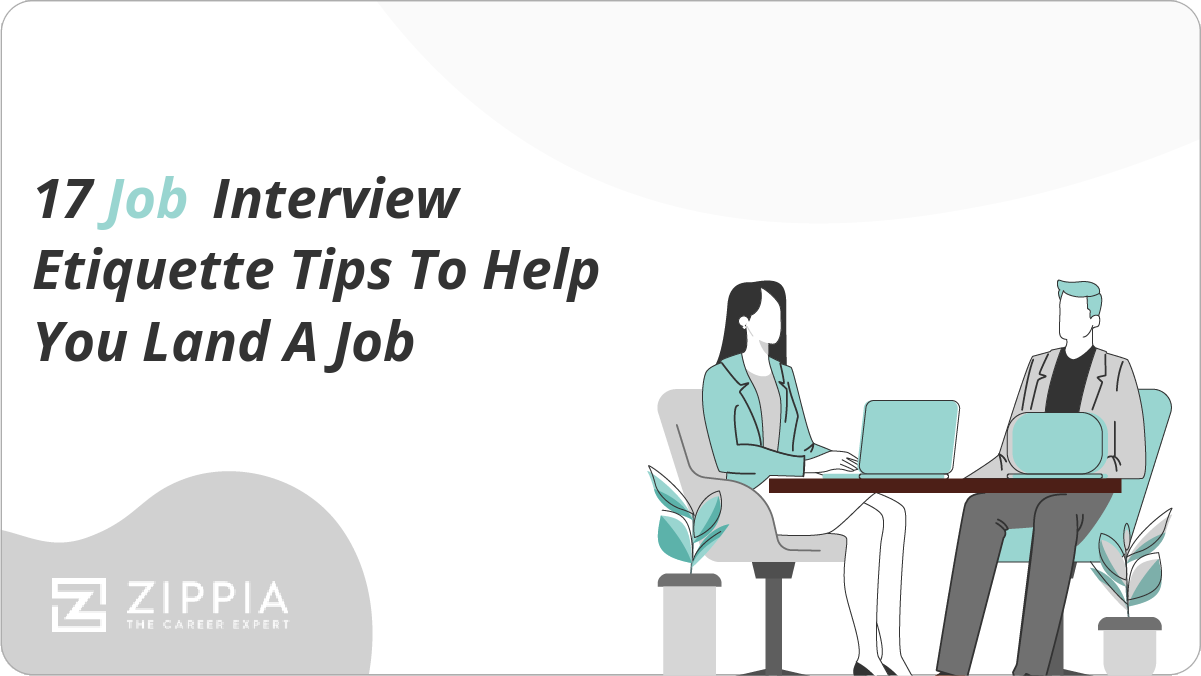
Here are 17 job interview etiquette tips to help ensure you make the best possible impression on potential employers during your next interview.
Key Takeaways:
-
Practice responding to common interview questions with a friend or family member to boost your confidence.
-
While the interviewer is posing questions, remember that it’s equally important to ask insightful questions in return.
-
Utilize the STAR (Situation, Task, Action, Result) technique when answering questions to provide structured and impactful responses.
-
Always follow up with a thank-you note to express your appreciation for the interview opportunity.
17 Interview Etiquette Tips
-
Practice. Regardless of the position you’re applying for, there are several common questions you’re likely to encounter, such as “Why do you want to work for our company?” or “What are your greatest strengths?” Prepare your answers in advance by researching and practicing with a friend or in front of a mirror.
We’ve compiled the 50 most common interview questions and guidance on how to answer them.
-
Research the company and position. Show your interest by being informed about the company. Arriving unprepared reflects poorly on you. Explore the company’s website and research its leadership team, including your interviewer’s professional profile.
-
Review the company’s website and learn about its values, culture, and recent achievements. This knowledge can enrich your conversation during the interview.
-
Bring up relevant information during the interview, but keep it professional. For example, instead of discussing personal details, mention the company’s growth or recent projects.
-
Hiring managers often ask, “What do you know about our company?” Being prepared to answer this can set you apart.
-
-
Pay attention to body language. Your nonverbal cues can greatly influence the impression you make. Avoid closed-off postures and maintain eye contact; it conveys confidence and engagement. Standing up when someone enters the room shows respect.
-
Dress for success. Your appearance is your first impression, so choose professional attire that aligns with the company’s culture. While casual roles allow for more flexibility, aim for a neat and polished look.
-
Prepare necessary materials. Arrive equipped with a padfolio, pen, copies of your resume, a business card, a list of references, and questions for your interviewer.
Avoid distractions—turn off your phone and don’t bring food or drinks unless offered. This shows professionalism and respect for the interviewer’s time.
-
Accept offered refreshments. If the interviewer offers water or coffee, graciously accept it. This not only provides a moment to collect your thoughts but also fosters a positive interaction.
-
Ask insightful questions. Use the interview as an opportunity to gauge if the company and role are a good fit for you. Prepare thoughtful questions about the job responsibilities, company culture, and growth opportunities.
For a comprehensive list of questions to ask, check out this article.
-
Arrive early. Aim to arrive 10 to 15 minutes before your scheduled interview to allow yourself time to settle in and review your materials. This should help ease any pre-interview anxiety.
-
But not too early. Arriving excessively early can create discomfort for both you and the interviewer. If you find yourself too early, consider waiting nearby before entering the building.
-
Introduce yourself professionally. Upon arriving, greet the receptionist and then your interviewer with a firm handshake. Engage in brief small talk, but follow their lead to keep the conversation appropriate and focused.
-
Learn and remember names. Knowing the names of your interviewers demonstrates preparation and respect. If you’re meeting multiple people, find strategies to help remember their names.
-
Smile and maintain a positive attitude. Despite the stress of interviews, a smile can convey confidence and approachability. It helps create a friendly environment that facilitates better communication.
-
Avoid oversharing. While it’s good to share some personal insights, stay focused on professional topics and avoid negativity. Always keep your responses concise and relevant.
-
Use the STAR method. The STAR method is an effective way to respond to behavioral questions, structuring your answers with Situation, Task, Action, Result. This approach helps you convey clear and impactful stories about your experiences.
-
Mind your table manners during lunch interviews. If you have a lunch interview, demonstrating proper dining etiquette is crucial. This reflects your professionalism and ability to interact appropriately with clients.
-
Wrap up effectively. As your interview concludes, express your enthusiasm for the role and inquire about the next steps in the hiring process. Thank the interviewer for their time and consideration.
-
Follow up with a thank-you note. Sending a thank-you note post-interview is a crucial etiquette practice. It reinforces your interest in the position and allows you to express gratitude for the opportunity to interview.
Example Answer Using STAR Method
Here’s a comparison of two answers to illustrate the effectiveness of the STAR method:
-
Tell me about a time you disagreed with a supervisor at work.
Bad Answer
When I don’t agree with a manager, I usually explain why I think my idea is better. Most of the time, we can compromise and find a solution that satisfies everyone. I believe collaboration is key, so I try to remain open to others’ ideas.
-
Tell me about a time you disagreed with a supervisor at work.
Good Answer
In my last job, we were preparing for a major social media marketing campaign, and my supervisor planned to allocate 60% of the budget to Facebook ads. I felt this was excessive since our target audience primarily engaged through Instagram and organic searches. I recommended reallocating some budget toward Instagram and exploring emerging platforms like TikTok for better ROI.
My supervisor listened to my perspective and explained the reason for the heavy Facebook focus. Ultimately, we compromised at 50% for Facebook and redirected the remaining funds as I suggested.
While the first answer demonstrates understanding, it lacks specificity and impact. Good etiquette involves conveying relevant information efficiently to respect the interviewer’s time.
Job Interview Etiquette Tips FAQ
-
How early should you arrive for an interview?
Arrive 10 to 15 minutes early. Use this time to review your resume and mentally prepare. Arriving too early can create unnecessary pressure on the interviewer.
-
Should you ask the interviewer questions?
Absolutely, ask questions. Interviews are a two-way street; use this opportunity to learn more about the company and assess if it aligns with your career goals.
-
Is it important to follow up after an interview?
Yes, following up is crucial. Expressing gratitude through a thank-you note reinforces your appreciation for the interview and keeps you on the interviewer’s radar.
Final Thoughts
Remember, your interview is your opportunity to showcase why you are the best fit for the role. Mastering interview etiquette will significantly enhance your chances of impressing potential employers.
By preparing thoroughly, projecting confidence, and adhering to these etiquette tips, you’ll be well on your way to securing the job.
References
- Interview Prep
- Star Method For Answering Questions
- Interview Preparation Checklist
- Star Interview Questions
- Words To Use In An Interview
- Mock Interview Preparation
- How To Make A Good Impression
- Bring Writing Samples
- How To Relax Before An Interview
- Interview Coaching
- Common Video Interview Mistakes
- Common Phone Interview Mistakes
- How To Ace Your Interview For A Remote Job
- Good Weaknesses For A Job Interview
- Good Strengths For A Job Interview
- How To Prepare For A Phone Interview
- Talk About Being Laid Off
- How To Decline An Interview
- How Early Should You Arrive For An Interview
- Interview Etiquette Tips
- Types Of Interviews
- Communication

Author

Maddie Lloyd was a writer for the Zippia Advice blog focused on researching tips for interview, resume, and cover letter preparation. She's currently a graduate student at North Carolina State University's department of English concentrating in Film and Media Studies.