- Demographic Reports
In the United States, it is illegal for employers to discriminate against employees based on race, color, religion, gender identity, sexual orientation, pregnancy, national origin, and age. Age discrimination, particularly against older employees, remains a significant issue in today’s workforce.
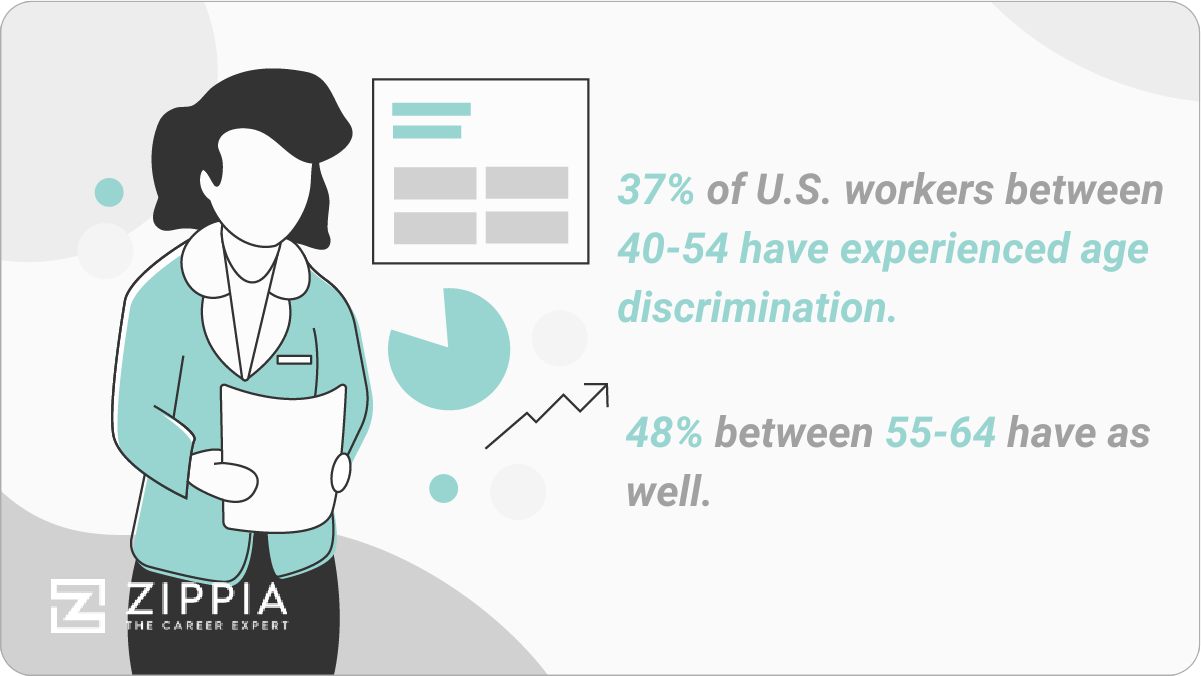
Despite legal protections, a notable percentage of older workers report experiencing age discrimination. Recent surveys indicate that 37% of individuals aged 40 to 54 have faced some form of age discrimination, with this figure rising to 48% among those aged 55 to 64.
Furthermore, while many instances of discrimination go unreported, the U.S. Equal Employment Opportunity Commission (EEOC) resolved over 90,000 discrimination cases in 2021, with approximately 20% related to age discrimination.
This guide will provide insights into ageism in the workplace, its manifestations, strategies to combat it, and preventative measures you can take. Additionally, we will share resources for further information and support.
What Are Protections Against Age Discrimination?
Under the Age Discrimination in Employment Act of 1967 (ADEA), U.S. employers are prohibited from discriminating against individuals aged 40 and older. This law protects employees from being treated unfairly, regardless of the age of those discriminating. Additionally, several state laws extend protections to younger workers against age-related discrimination.
The EEOC clearly states that the law prohibits discrimination in all employment aspects, including hiring, firing, compensation, job assignments, promotions, layoffs, training, benefits, and any other employment conditions.
It is also illegal to harass someone based on age, whether by a supervisor, co-worker, or clients.
How to Identify Age Discrimination in the Workplace
Ageism can manifest in various ways in the workplace, including patronizing language and derogatory labels. Recognizing these behaviors is crucial for taking appropriate action. Here are common examples of workplace age discrimination:
14 Examples of Workplace Age Discrimination
-
Assuming you lack technological skills or are less capable due to your age.
-
Being denied job-related training that younger employees receive.
-
Being excluded from social activities under the assumption that you won’t fit in.
-
Receiving negative comments about your efficiency or performance due to your age.
-
Being teased about having “senior moments” when you forget something.
-
Facing retaliation after reporting age discrimination.
-
Being laid off or denied promotions based solely on your age.
-
Attributing negative workplace trends to older employees.
-
Making jokes about your age or implementing policies that disadvantage older workers.
-
Creating a workforce that predominantly consists of younger employees.
-
Overlooking you for significant assignments.
-
Being isolated from colleagues or excluded from meetings.
-
Receiving unfair disciplinary actions due to your age.
-
Being questioned about your age during job interviews based on appearance.
Identifying these behaviors can empower you to advocate for yourself and seek out more positive work environments.
Steps for How to Find an Age-Friendly Workplace
While ageism is illegal, it persists in many workplaces. Here are key steps to help you find an age-friendly environment:
-
Browse the Company’s Website. Many companies highlight their commitment to inclusivity and diversity on their websites. Look for mission statements and information about employee resource groups or initiatives.
-
Read Online Employee Reviews. Employee reviews can provide insight into workplace culture. Websites like Glassdoor and Comparably can help you gauge employee sentiment regarding ageism or discrimination.
-
Visit the Location. If possible, visit the company’s location to observe the diversity of the workforce. Engaging with employees during your visit can also provide valuable feedback about the work environment.
Hint: Receptionists or support staff can often provide candid insights about the workplace culture.
Job Hunting Tips for Seasoned Employees
Job hunting can be challenging, but leveraging your experience can be an asset. Here are strategies for seasoned employees:
-
Focus on your extensive work history. Highlight your years of experience on your resume and in interviews. This is an advantage younger candidates may not possess.
-
Seek jobs that align with your skillset. Compile a list of your skills and match them with job requirements. Emphasize transferable skills such as communication, management, and problem-solving.
-
Add to your skillset. Take advantage of online courses to acquire new skills relevant to your desired positions. Many resources are available at low or no cost.
-
Network with others. Networking is crucial, as many job openings are not publicly advertised. Utilize professional associations, LinkedIn, and personal connections to expand your network.
Interview Tips for Older Workers
-
Maximize your chances of making a great first impression. Dress appropriately and reflect your personality while maintaining professionalism.
-
Be succinct. Answer questions clearly and concisely to engage the interviewer effectively.
-
Maintain confidence. Highlight how your experience can meet the employer’s needs while remaining open to learning.
-
Emphasize your technology skills. Be sure to mention your proficiency with relevant technologies.
-
Address any potential concerns. Be proactive about discussing your career goals, enthusiasm for the role, and any gaps in your resume.
How to Handle Instances of Ageism in the Workplace
If you suspect ageism in your workplace, taking prompt action is crucial. Here are steps to consider:
-
Call it Out. Bringing awareness to ageism is essential for addressing it effectively.
-
Talk with Human Resources. Document incidents of discrimination and approach HR with evidence to support your claims.
If HR fails to act, you have other options:
File a Complaint With the EEOC. You can file a claim with the EEOC, which will investigate the matter. Specific information will be needed to initiate a complaint.
-
Consult an Attorney. Proving age discrimination can be complex. An employment law attorney can help you navigate your options, and many offer free consultations.
How Employers Can Help Avoid Ageism in the Workplace
Employers play a crucial role in preventing ageism. Here are several strategies:
-
Create Anti-Ageism Educational Opportunities. Education can reshape perceptions and foster understanding among employees of all ages.
-
Cultivate Age Discrimination and Diversity Training. Implement training programs that address unconscious biases and promote inclusivity across age groups.
-
Check Ageist Beliefs and Stereotypes. Challenge assumptions about older workers and encourage a culture of respect and appreciation for diverse perspectives.
-
Establish Anti-Ageism Policies. Review and update anti-harassment policies to include clear definitions of ageism and procedures for reporting discrimination.
-
Examine Your Interview and Recruitment Processes. Ensure that hiring practices are fair and non-discriminatory, avoiding age-related questions and biases.
-
Implement Performance-Based Rewards. Base promotions and rewards on performance metrics rather than tenure alone to ensure fairness.
Helpful Resources Related to Ageism in the Workplace
For those looking to understand and combat ageism, the following resources can provide valuable information:
-
LeadingAge.org — A community dedicated to improving aging through research, advocacy, and education.
-
Society for Human Resource Management — Covers critical workplace issues, including ageism.
-
World Health Organization — Offers resources on combating ageism in various contexts.
-
American Association of Retired Persons — Provides insight into age-related issues and advocacy for older adults.
-
Project When — Focuses on creating respectful workplaces and addressing ageism.
-
U.S. Equal Employment Opportunity Commission — Enforces laws against age discrimination in employment.
-
U.S. Department of Labor — Offers information on laws related to age discrimination in the workplace.
Fighting for Justice
Ageism remains a prevalent issue in many workplaces, similar to other forms of discrimination. However, awareness and advocacy efforts have contributed to a gradual decline in reported cases of age discrimination. The most effective strategy against ageism is to confront it head-on and utilize available protections to seek justice. By doing so, you not only stand up for yourself but also contribute to a broader movement against ageism for all older workers.
- Demographic Reports

Author

Chris Kolmar is a co-founder of Zippia and the editor-in-chief of the Zippia career advice blog. He has hired over 50 people in his career, been hired five times, and wants to help you land your next job. His research has been featured on the New York Times, Thrillist, VOX, The Atlantic, and a host of local news. More recently, he's been quoted on USA Today, BusinessInsider, and CNBC.