Average Dropshipping Income and Profit Margin: 2026 Update – Dropshipping remains a highly effective retail fulfillment strategy for entrepreneurs looking to minimize costs and optimize their business operations.
If you’re an aspiring entrepreneur or an existing dropshipper seeking insights into this business model, you’re in the right place. We’ve researched the latest average dropshipping income and profit margins in the US, and here’s what we found:
Key Takeaways:
-
The average dropshipper earns approximately $40,000 annually.
-
Profit margins in dropshipping typically range from 20% to 30% per sale.
-
Dropshippers can achieve up to 50% higher profits compared to those managing their own inventory.
-
The dropshipping industry has expanded significantly, with a 53% growth since 2020.
Average Dropshipping Income
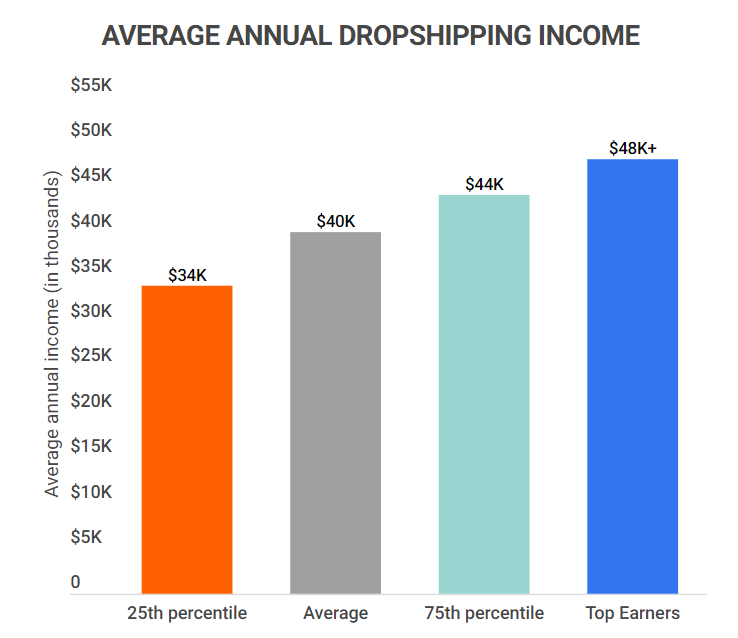
The income from dropshipping can vary widely. While some dropshippers earn below $35,000 annually, others can make upwards of $100,000. To provide clarity on average earnings, here’s a detailed chart:
Average Monthly and Yearly Dropshipping Income
| Earning Percentile | Average Monthly Income | Average Annual Income |
|---|---|---|
| 25th Percentile | $2,800 | $34,000 |
| Average | $3,300 | $40,000 |
| 75th Percentile | $3,700 | $44,000 |
| Top Earners | $4,000+ | $48,000+ |
While some dropshippers may reach the $100,000 mark, the average income stands at around $40,000, which is roughly two-thirds of the average US income of $60,000. Nevertheless, dropshipping can be a lucrative option compared to other similar business models.
Average Dropshipping Profit Margin
Although dropshipping may yield a lower average income, the profit margins are compelling. Typically, dropshipping profit margins range from 20% to 30% per sale.
In contrast, the average profit margin for retail fulfillment across the board is only 3% to 10%, allowing dropshippers to enjoy profit margins that are 2x to 10x higher than their retail counterparts.
For dropshipping businesses that focus on premium products, profit margins can be even greater, although they may experience lower sales volumes. As a business owner, finding the right balance between pricing and demand is crucial for maximizing revenue and driving growth. Conducting thorough demand planning prior to product and supplier selection can yield optimal results.
What is Dropshipping?
Dropshipping is a retail fulfillment method where sellers showcase products on their websites without holding inventory. Once an order is received, the seller purchases the product from a third-party supplier, who ships it directly to the customer. This process allows the seller to act as an intermediary between the supplier and the buyer.
This streamlined order fulfillment method enables entrepreneurs to start a business without the burdens of warehouse space, supply chain logistics, or inventory management.
Average Dropshipping Income FAQ
-
How much do dropshippers make daily?
Dropshippers can earn between $50 and $5,000 per day. However, the average daily income is closer to $100 to $150.
Higher daily earnings depend on several factors, including high-demand product listings, effective pricing strategies, strong marketing efforts, and repeat customer purchases. Profitable product categories often include:
-
Food
-
Clothing
-
Office Supplies
-
Beauty Products
It’s essential to remember that building a successful dropshipping business requires time. Strategies to enhance your daily income include creating a robust website, showcasing key products, and employing cost-effective marketing techniques such as email and content marketing.
-
-
What are the benefits of dropshipping?
Dropshipping provides numerous advantages, including lower overhead costs and enhanced flexibility. Here are some key benefits of becoming a dropshipper:
-
Easy and affordable to start. With no need for large initial inventory investments, starting a dropshipping business requires significantly less upfront capital compared to traditional retail models. Additionally, you won’t have to worry about:
-
Warehouse expenses
-
Order packaging and shipping
-
Inventory accounting
-
Managing returns and shipping issues
-
Stock level management and reordering
-
-
Low overhead expenses. Without significant inventory costs or packaging and shipping expenditures, dropshipping operations generally have much lower overhead than traditional retail.
-
Location flexibility. Because dropshippers do not require large storage facilities, many can run their businesses from home or any location they choose.
-
Diverse product offerings. Dropshippers aren’t constrained by inventory costs, allowing them to offer a wider range of products and adapt their offerings as needed.
-
Effortless scaling. Traditional businesses often face increased workloads with higher order volumes, while dropshippers can leverage their suppliers to scale operations with minimal additional effort.
-
-
Is dropshipping profitable?
Yes, dropshipping remains profitable in 2026. Despite not having the highest average incomes, dropshipping profit margins are generally 2x to 10x higher than those in the retail fulfillment sector.
Furthermore, dropshippers typically achieve 50% more profit compared to those managing their own inventory.
-
Is dropshipping worth it?
Absolutely, dropshipping can be worthwhile. Prospective dropshippers must grasp customer preferences, effective marketing strategies, and competitive pricing based on dropshipping expenses. With this knowledge, anyone can turn a profit.
When all costs are considered, dropshipping is one of the fastest and easiest ways to achieve growth. The combination of rapid scaling and high profit margins is driven by reduced overhead and simplified inventory management.
Conclusion
Dropshipping has solidified its position as a popular and profitable retail fulfillment strategy. Although the average dropshipper earns around $40,000 annually, their profit margins of 20% to 30% are significantly higher than traditional retail methods.
Moreover, dropshippers benefit from a 50% increase in profits compared to those managing inventory. This, along with the growing popularity of dropshipping, makes it an attractive option for any entrepreneur.
As you embark on launching a new business, it’s crucial to conduct thorough market research, assess customer needs, and evaluate operational costs. Even with lower overhead, success in dropshipping hinges on diligent planning and execution.
References

Author

Jack Flynn is a writer for Zippia. In his professional career he’s written over 100 research papers, articles and blog posts. Some of his most popular published works include his writing about economic terms and research into job classifications. Jack received his BS from Hampshire College.