- Types Of Questions
- Situational Interview Questions
- Promotion Interview Questions
- Internal Interview Questions
- Open Ended Interview Questions
- Tough Interview Questions
- Leadership Interview Questions
- Teamwork Interview Questions
- Interview Questions About Communication
- Personality Interview Questions
- Internship Interview Questions
- Ice Breaker Questions
- Recruiter Interview Questions
- Brain Teaser Interview Questions
- Group Interview Questions
- Competency Based Interview Question
- Grad School Interview Questions
- Scrum Interview Questions
- Excel Interview Questions
- Common Phone Interview Questions And Answers
Find a Job You Really Want In
Preparing for communication-related interview questions is essential for success in today’s competitive job market. Hiring managers consistently prioritize candidates with strong communication skills, making it crucial to anticipate these questions in your next interview.
In this article, we will explore what interviewers are looking for in your responses, provide examples of common communication interview questions along with suggested answers, and share valuable tips for crafting your responses.
Key Takeaways:
-
Employers seek candidates who can demonstrate a variety of communication skills through concrete examples from previous experiences.
-
Effective communication is a vital asset across all industries and roles.
-
Strong communication skills enhance teamwork and contribute to overall organizational success.
What Interviewers Look for in Communication Question Answers
When interviewers pose communication questions, they aim to uncover various aspects of your work ethic, history, and personality. The interview is a test of your ability to communicate effectively. Your answers provide insights into your communication strengths.
Examples of communication strengths that can be showcased in your responses include:
-
Your body language and nonverbal cues
-
The clarity and focus of your answers
-
Your ability to actively listen
-
The accuracy of your responses in relation to the questions asked
-
Your ability to build rapport and demonstrate friendliness
-
Your level of professionalism
When interviewers inquire about your communication style or skills, they may be assessing the following qualities in your answers:
-
Evidence of prior work experience that demonstrates your communication skills. Providing a specific example allows the interviewer to reference a tangible instance of your abilities.
-
The quality of your answer itself. Interviewers pay attention to how effectively you convey your message and whether it responds accurately to the question.
11 Examples of Common Communication Interview Questions
To help you prepare for your upcoming interview, we’ve compiled 11 common communication questions and answers for your review. Be sure to tailor your responses to fit your unique experiences and the specific job you’re applying for.
-
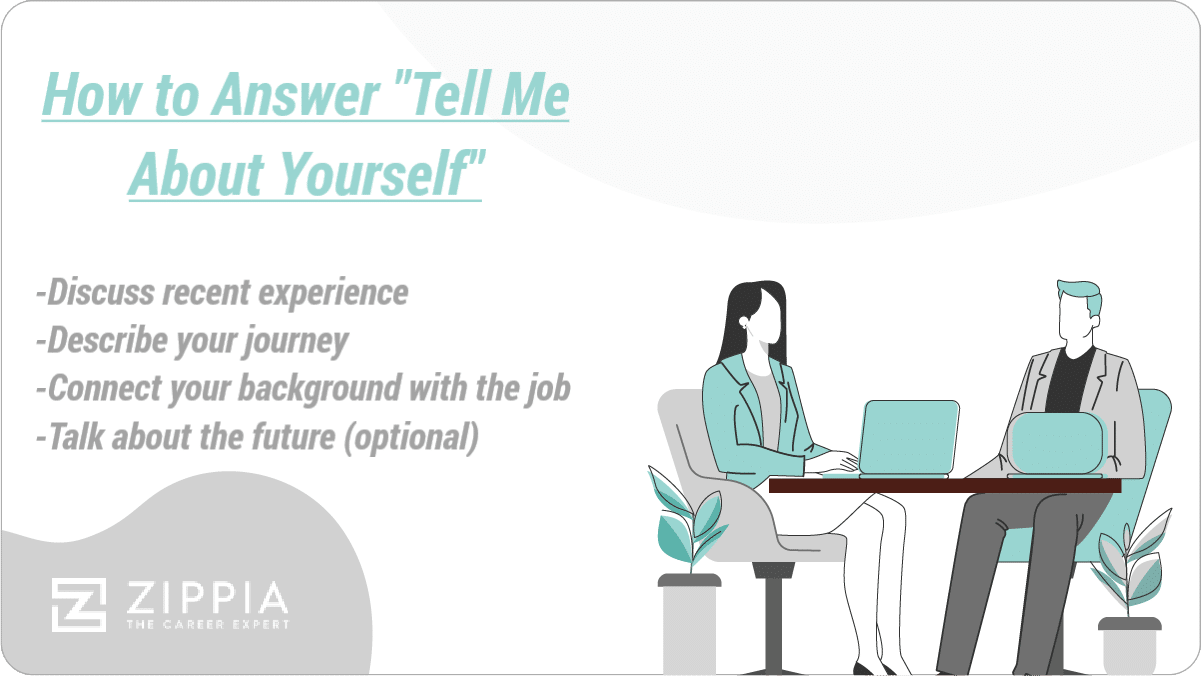
Tell me about yourself.
-
Do you work well with others?
Your response should accurately reflect your work style. Interviewers expect more than just a yes or no; they want examples and reasoning behind your answer.
Consider your desired role. For example, freelance social media managers might emphasize their ability to work independently, while office assistants should highlight teamwork skills.
Example AnswerYes, I work effectively in a team. For the past three years, I’ve been a secretary at a dental office with a team of eight administrative staff. I thrive on collaboration and enjoy learning from my colleagues.
-
What are your weaknesses?
Interviewers ask about weaknesses to gauge your self-awareness and honesty. While it may seem like a trick question, it’s an opportunity to demonstrate your strengths. Acknowledging weaknesses shows maturity and a willingness to improve.
When answering, avoid claiming perfection. Identify a weakness that is manageable and not detrimental to the role.
Example AnswerSome may view my introverted nature as a weakness in a collaborative environment. However, I’ve found that it fosters my independence and helps me focus on completing tasks efficiently.
-
What is your greatest accomplishment?
Interviewers want to understand your definition of success and how it aligns with their organization. Articulating your accomplishments shows that you can acknowledge your strengths realistically.
Choose an accomplishment that highlights a skill relevant to the role you’re applying for. It doesn’t have to be work-related, but it should showcase qualities valuable in the position.
Example AnswerMy greatest accomplishment was collaborating with a dedicated team on groundbreaking research into childhood ADHD over two years. This project was significant to me personally, and it enhanced my professional development while making a meaningful impact.
-
What motivates you?
This question can catch candidates off-guard. Answer honestly, but be cautious not to divulge information that might negatively impact your chances.
Avoid motivations like money or power. Instead, impress employers with motivations such as thriving in a fast-paced environment or a passion for your field.
Example AnswerMy passion for veterinary sciences was sparked when my childhood dog required surgery. The dedication of the veterinary team inspired me to provide exceptional care to animals.
-
Tell me about a conflict you had at work and how you handled it.
This question assesses your interpersonal skills and professionalism. Approach it positively, highlighting how conflict can lead to innovation and collaboration.
Explain the conflict and your resolution, focusing on the positive outcomes that emerged.
Example AnswerIn my first photography role, I had a co-worker who frequently acted unprofessionally on shoots, impacting client experiences. I addressed the issue directly and respectfully, leading to significant improvements in their performance.
-
Why did you leave your last job?
This question is not an opportunity to criticize your previous employer. Focus on explaining your departure in a positive light and discussing the skills you gained.
Example AnswerI left my last job amicably after gaining valuable experience in administrative work. I was seeking a position with more management responsibilities, which were not available at my former company, leading me to explore new opportunities.
-
Why are you the best person for this position?
This question allows you to highlight your qualifications and the value you bring. Your answer should reflect confidence while remaining humble.
Discuss your relevant experience and how it aligns with the job’s responsibilities and requirements. Provide examples of past accomplishments to support your claims.
Example AnswerUpon reviewing your job posting, I noticed you seek a highly creative and dependable graphic designer with at least three years of experience. This aligns perfectly with my five years in the field, where I contributed to campaigns that achieved growth rates of up to 18%. I’m confident my skills would greatly benefit your team.
-
Why do you want to work for us?
Employers want insights into your motivations for applying. Research the company’s background and culture, and articulate what appeals to you.
Discuss how this position aligns with your career goals and your desire to contribute positively to the organization.
Example AnswerI’ve spent the last eight years as a mathematics professor at a private university. While I value my experience, I’m eager to transition to a public university setting. I’m particularly drawn to the mathematics position at John Jay College of Criminal Justice, where I can engage with students pursuing a justice path and contribute to a diverse learning environment.
-
Do you have any questions for me?
At the end of an interview, this question is critical. Responding with no questions can indicate a lack of enthusiasm.
Be prepared with thoughtful questions based on your research about the organization and the role. Strong questions can include:
-
“How is the day usually paced?”
-
“Is there any flexibility in the schedule?”
-
“How does your organization handle performance reviews?”
-
“Can you tell me more about the company culture?”
-
“What is the management style like?”
-
“Do you see any gaps in my qualifications for this position?”
Example AnswerI noticed that your marketing company values teamwork and collaboration. Could you share more about other aspects of the company culture?
-
-
How would you describe yourself?
This question allows you to present yourself positively while highlighting qualities that align with the job requirements and company culture.
Example Answer
I would describe myself as highly motivated and adaptable, with a strong passion for marketing. I thrive in dynamic environments and enjoy embracing new challenges that foster my growth. I am dedicated to contributing my expertise and enthusiasm to this role.
This question allows you to demonstrate your ability to present yourself succinctly. Focus on your professional background, highlighting your current role, significant achievements, and your career aspirations.
Be honest. If you present yourself as an expert and fail to deliver, it may create an uncomfortable situation. Share personal insights that are relevant and appropriate, providing a glimpse of your life outside of work, but keep it brief.
My name is Tim. I’m from Scranton, Pennsylvania, and I recently graduated from the University of Pennsylvania with a Bachelor’s in Public Relations and a minor in Communications. Currently, I am an intern at a start-up media company called Lifestyle Management. I aspire to join a marketing team where I can apply my skills and gain further experience.
Tips for Answering Communication Skills Interview Questions
Be honest and realistic about your abilities in your responses, and prepare by reviewing common communication questions before your interview. Here are additional tips to consider:
-
Be Honest and Realistic. Misleading an interviewer can have serious repercussions. Experienced interviewers can often spot exaggerations, so aim for authenticity while avoiding information that could disqualify you.
-
Be Strategic with Your Answers. Interview questions are designed to assess your skills, so strategize your responses to present yourself as the best candidate for the role.
-
Prepare Ahead of Time. While you can’t predict every question, preparation will help. Familiarize yourself with common questions and conduct research on the company and best interview practices.
-
Don’t Overwhelm Yourself. While interviews can be stressful, try to remain comfortable and confident. Remember that there are many opportunities available, and this interview is just a conversation.
Communication Interview Questions FAQ
-
What are some types of communication skills?
Three types of communication skills are verbal, nonverbal, and visual communication.
-
Verbal Communication. This encompasses the ability to express ideas clearly through spoken and written language.
-
Nonverbal Cues. This involves responding to body language and other nonverbal signals.
-
Visual Communication. This includes using visual aids like images, graphs, and art to convey thoughts and concepts.
-
-
How do you demonstrate your communication skills in an interview?
You can showcase your communication skills by maintaining eye contact, speaking confidently, and actively listening.
Engagement with your interviewer and thorough answers will reflect your communication abilities.
-
Soft skills include communication, time management, and empathy. Employers prioritize soft skills because they contribute to success in the workplace.
-
Can I include communication skills on my resume?
Yes, communication skills are valuable soft skills to include on your resume. When listing these skills, provide specific examples of how you’ve utilized them in a professional context.
-
Are communication skills important?
Absolutely, effective communication skills are essential for success and productivity in the workplace. Interviewers assess how you discuss these skills during communication-related questions.
Final Thoughts
Communication is a fundamental soft skill in any profession, regardless of industry. Anticipating communication-related questions during job interviews is crucial, and being well-prepared with strong responses will help you stand out from other candidates.
References
- Types Of Questions
- Situational Interview Questions
- Promotion Interview Questions
- Internal Interview Questions
- Open Ended Interview Questions
- Tough Interview Questions
- Leadership Interview Questions
- Teamwork Interview Questions
- Interview Questions About Communication
- Personality Interview Questions
- Internship Interview Questions
- Ice Breaker Questions
- Recruiter Interview Questions
- Brain Teaser Interview Questions
- Group Interview Questions
- Competency Based Interview Question
- Grad School Interview Questions
- Scrum Interview Questions
- Excel Interview Questions
- Common Phone Interview Questions And Answers

Author

Sky Ariella is a professional freelance writer, originally from New York. She has been featured on websites and online magazines covering topics in career, travel, and lifestyle. She received her BA in psychology from Hunter College.