- Energy
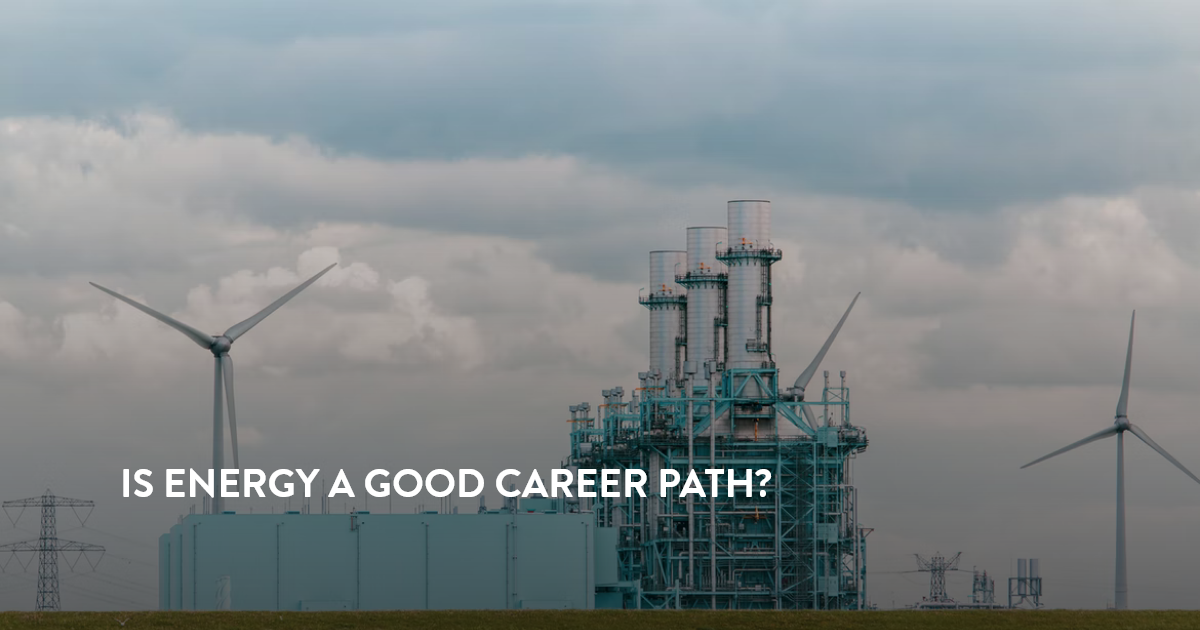
- Is Energy A Good Career Path
- Is Natural Gas Distribution A Good Career Path
- Is Electric Utilities Central A Good Career Path
- Is Oil & Gas Production A Good Career Path
- Is Power Generation A Good Career Path
- Is Integrated Oil Companies A Good Career Path
- Is Coal Mining A Good Career Path
- Jobs Available In Public Utilities
- Jobs Available In Natural Gas Distribution
- What Do Public Utilities Jobs Pay
Find a Job You Really Want In
Is coal mining a viable career in 2026? Absolutely, coal mining continues to be a solid career choice despite the evolving energy landscape. While the demand for coal has shifted, it remains a critical resource in specific sectors. Moreover, advancements in mining technology and safety protocols have significantly reduced workplace hazards, making coal mining more secure than in previous decades.
Numerous career opportunities exist beyond direct coal extraction, offering well-paying and less hazardous roles. Many skills acquired in coal mining are transferable to other mining sectors and diverse career paths, should you choose to pivot your career.
Coal mining is a well-established career path. Due to the inherent dangers of mining, many positions offer lucrative salaries, even for those without a college degree.
Here are 16 promising jobs in coal mining:
10 of the Best Paying Jobs in Coal Mining
As in many fields, higher-paying roles in coal mining typically require a four-year degree. The complexities of mining demand expertise in engineering, mathematics, and innovative problem-solving to ensure efficient and safe operations.
-
Average Annual Salary: $76,000
A geotechnical engineer specializes within civil engineering, focusing on geology, soil types, and geographic data to ensure the safety and effectiveness of structures like tunnels, dams, and mines.
-
Average Annual Salary: $99,000
Mine engineers oversee the extraction and production processes, developing optimal equipment, layouts, and techniques for efficient and safe coal extraction. Their expertise can extend to other mining sectors, such as gem, metal, and salt mining.
-
Average Annual Salary: $75,000
Mineralogists study minerals, including coal, metals, and other materials. They investigate rich deposit sites and develop processing techniques, making their role vital in the mining sector.
-
Average Annual Salary: $76,000
A geological engineer collaborates closely with mining engineers, focusing on mine design, environmental impact assessments, and compliance with regulations.
-
Average Annual Salary: $77,000
Geologists specialize in the Earth’s crust, identifying coal deposits and assessing extraction feasibility. Their expertise extends beyond mining, including roles in government and academia.
-
Average Annual Salary: $55,000
Mine surveyors are responsible for mapping and assessing mining areas, ensuring compliance with plans, and identifying potential hazards.
-
Average Annual Salary: $45,000
A mine foreman oversees the safety and operations of mining personnel and equipment, ensuring a secure working environment.
-
Average Annual Salary: $75,000
Geospatial engineers create detailed maps using GIS and GPS technologies, crucial for various projects, including mining operations.
-
Mine Manager
Average Annual Salary: N/A
Mine managers handle administrative tasks, ensuring smooth operations, tracking supplies, managing schedules, and overseeing production goals.
-
Mining Safety Engineer
Average Annual Salary: N/A
Dedicated to safety, mining safety engineers develop and implement protocols to ensure the mine’s operational safety, addressing hazards and health concerns.
While most of these positions do not involve direct mining work, they play crucial roles in the coal mining industry. For those seeking hands-on mining roles, the following jobs may be of interest.
10 Entry-Level Jobs in Coal Mining
Numerous entry-level roles in coal mining do not require a college degree, allowing individuals to establish a stable income. However, pursuing education can enhance career prospects, particularly for technical positions.
-
Average Annual Salary: $57,000
Coal haulers transport extracted coal to power plants, ensuring a continuous supply essential for energy generation.
-
Average Annual Salary: $47,000
Coal miners extract coal from the mine, ensuring safety and transporting it to the surface while caring for their colleagues.
-
Average Annual Salary: $60,000
Underground electricians perform electrical work within mines, setting up and maintaining electrical systems vital for operations.
-
Coal Crusher Operator
Average Annual Salary: N/A
Coal crusher operators manage machines that break coal into smaller pieces, ensuring the product meets industry specifications.
-
Underground Roof Bolter
Average Annual Salary: N/A
Underground roof bolters enhance mine safety by adding structural support to roofs, requiring familiarity with installation equipment.
-
Average Annual Salary: $47,000
Coal gasification technicians monitor equipment in the production of synthetic gas from coal, playing an essential role in energy production.
-
Average Annual Salary: $62,000
Geological technicians support engineers and scientists in mining operations, engaging directly with equipment and extraction processes.
-
Average Annual Salary: $61,000
Geospatial analysts interpret geographical data for various applications, including agriculture, military intelligence, and mining.
-
Average Annual Salary: $41,000
Coal feeder operators manage machines that regulate coal movement, ensuring optimal flow rates for processing.
-
Underground Mine Machinery Mechanic
Average Annual Salary: $44,000
Underground mine machinery mechanics maintain and repair mining equipment, ensuring operational efficiency and safety.
Working in mining involves significant physical labor, especially for those on-site in the mines. However, those in the field tend to receive competitive compensation.
Why Choose a Career in Coal Mining?
Coal mining offers a diverse range of career opportunities. Even if you prefer to avoid physical labor or risk, various roles in the industry can suit your interests. Consider these factors if you’re contemplating a career in coal mining:
-
Interest in geology and underground environments. Mining involves navigating and understanding geological formations, making a passion for the Earth and its structures beneficial.
-
Commitment to safety. Safety is paramount in mining. Regardless of your role, prioritizing safety protocols is essential for protecting yourself and your coworkers.
-
Fascination with mapping and geography. Success in mining relies heavily on accurate mapping and understanding of terrain, making geographic knowledge crucial.
-
Comfort working underground. Mining can be daunting for those uncomfortable with confined spaces or darkness. Many roles may require occasional underground work.
The coal mining industry encompasses a wide array of career paths. If the above traits resonate with you, exploring opportunities in this field could be worthwhile.
Education and Certification Requirements for a Career in Coal Mining
While a degree isn’t mandatory for every position in coal mining, pursuing higher education can enhance your chances of securing safer, higher-paying roles. Consider the following educational paths:
-
Geology. This field of study is fundamental for careers such as geologist, geological engineer, and mineralogist.
-
Geography. Useful for roles like mine surveyor and geospatial analyst, geography focuses on terrain and landforms.
-
Engineering. A general engineering degree opens doors to various roles; specialization may include:
-
Mining Engineering. Ideal for those aspiring to be mining engineers or safety engineers.
-
Geological Engineering. Focused on geological engineering careers.
-
Civil Engineering. Suitable for those interested in geospatial engineering.
-
Regarding certifications, consider the following:
-
Most companies and states require underground miners to obtain certification.
-
Electricians must complete training and obtain certification.
-
Heavy equipment operators typically need certification.
-
Surveyors are also required to have certification.
What Do People Working in Coal Mining Do?
Professionals in coal mining locate, extract, and transport coal. This historic profession has evolved, offering numerous careers related to finding coal, optimizing extraction processes, and ensuring safety.
Successful coal mining relies on terrain study and mapping, which is why surveyors, analysts, and geologists play vital roles. Others are responsible for the construction and maintenance of mines, contributing to the industry’s ongoing development.
- Energy
- Is Energy A Good Career Path
- Is Natural Gas Distribution A Good Career Path
- Is Electric Utilities Central A Good Career Path
- Is Oil & Gas Production A Good Career Path
- Is Power Generation A Good Career Path
- Is Integrated Oil Companies A Good Career Path
- Is Coal Mining A Good Career Path
- Jobs Available In Public Utilities
- Jobs Available In Natural Gas Distribution
- What Do Public Utilities Jobs Pay

Author

Di has been a writer for more than half her life. Most of her writing so far has been fiction, and she’s gotten short stories published in online magazines Kzine and Silver Blade, as well as a flash fiction piece in the Bookends review. Di graduated from Mary Baldwin College (now University) with a degree in Psychology and Sociology.